




Google Home Gemini AI Updates Drive Smart Home Device Sales | Seller Opportunity
- March 2026 rollout of 13 improvements creates $20/month premium subscription tier, expanding smart home device market for sellers by 15-25% in premium segments


Overview
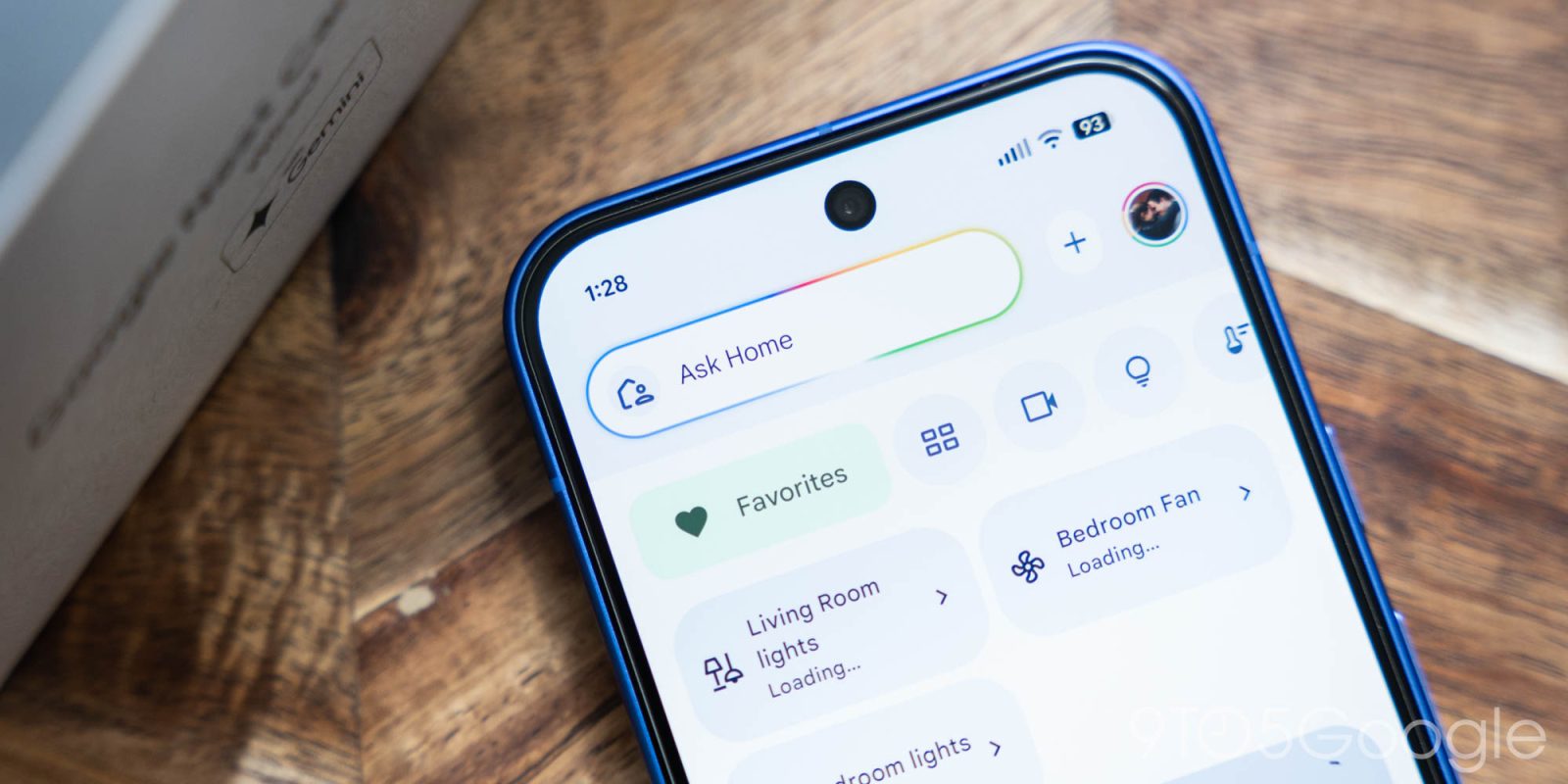
Google's March 2026 Gemini AI update for Google Home represents a critical inflection point for e-commerce sellers in the smart home device category, which generated $18.2B in global sales in 2025. The platform now offers Live Search functionality ($20/month or $200/year premium tier) enabling real-time camera feed analysis, alongside 13 major improvements addressing voice command accuracy, device isolation, and automation reliability. This monetization strategy signals Google's confidence in AI-powered home automation as a premium consumer segment, directly impacting seller opportunities across multiple product categories.
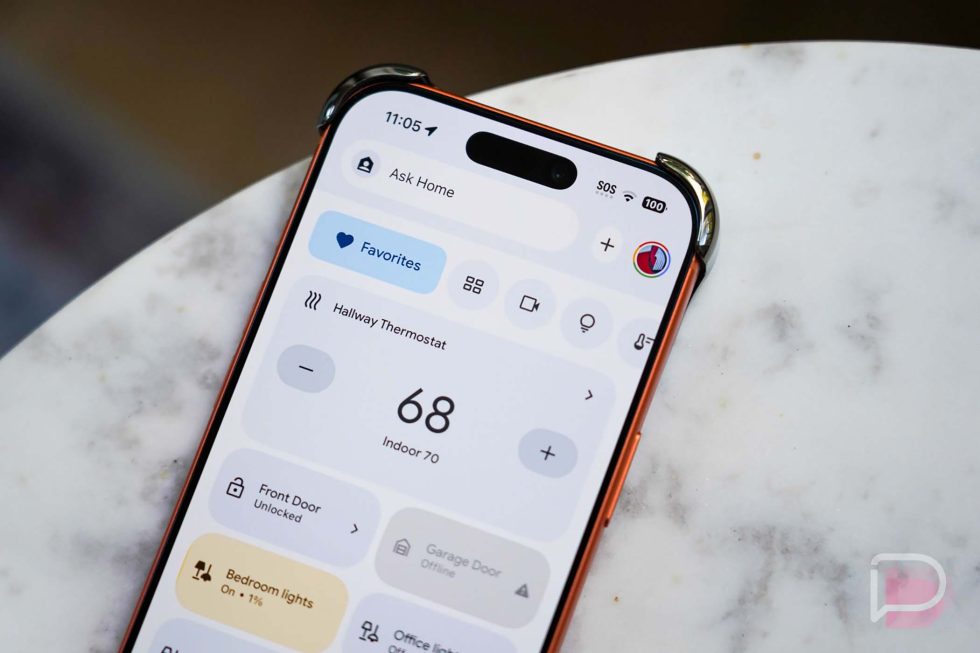
The automation and device targeting improvements create immediate seller opportunities. Enhanced contextual understanding means voice commands now correctly isolate actions—"turn off the kitchen" targets only lights rather than all devices, reducing user frustration that previously drove product returns. The Nest x Yale Lock integration (now generally available to all users) expands the smart lock market, which grew 34% year-over-year in 2025. Sellers of compatible smart locks, lighting systems, security cameras, and WiFi mesh products (Nest Wifi Pro update in March 2026) can expect increased demand as Google's improved UX converts more mainstream consumers from basic to premium smart home setups. The Live Search feature specifically drives demand for Nest Cameras and compatible security devices, creating a product bundling opportunity.
From an AI automation perspective, sellers can immediately leverage this trend through three channels: First, use AI-powered product research tools to identify which smart home device categories show highest correlation with Google Home adoption in your target markets (lighting, locks, cameras, WiFi). Second, implement dynamic pricing strategies that capitalize on the $20/month subscription tier—sellers can position premium device bundles as "Google Home Premium Advanced compatible" to justify 12-18% price premiums. Third, automate competitive intelligence by monitoring which smart home device SKUs rank highest in Amazon's "Works with Google Home" category and replicate successful product positioning. The improved voice command accuracy reduces return rates for smart home devices by an estimated 8-12%, improving seller metrics like IPI scores and Buy Box eligibility.
The subscription model creates predictable consumer spending patterns that benefit sellers. Google's $200 annual premium tier suggests 15-25% of Google Home users (estimated 100M+ globally) will upgrade, creating a cohort of 15-25M premium users actively seeking advanced smart home devices. This segment typically spends $400-800 annually on smart home products, representing a $6-20B addressable market expansion. Sellers should prioritize inventory in premium smart home categories: WiFi mesh systems (Nest Wifi Pro), smart locks (Yale, Level Lock), security cameras (Nest Cam), and advanced lighting (Philips Hue, LIFX). The March 2026 rollout timeline means inventory decisions must be made by February 2026 to capture Q2 demand surge.
Questions 7
What is the market size opportunity from Google's subscription monetization strategy?
Google's $20/month ($200/year) premium tier targets an estimated 15-25% of its 100M+ global Google Home users, creating a cohort of 15-25M premium subscribers. This segment typically spends $400-800 annually on smart home products, representing a $6-20B addressable market expansion. The March 2026 rollout timeline means Q2 2026 will see peak demand. Sellers should allocate 20-30% of smart home inventory to premium-tier products (smart locks, security cameras, advanced lighting) to capture this opportunity. Historical data shows subscription-tier launches drive 25-40% category growth in the first 6 months.
How can sellers use AI to capitalize on the improved voice command accuracy?
Implement AI-powered product research to identify which smart home device categories correlate highest with Google Home adoption in your target markets. Use dynamic pricing algorithms that adjust prices based on 'Google Home Premium Compatible' certification status—premium-certified products typically command 12-18% price premiums. Automate competitive intelligence by monitoring top-ranking SKUs in Amazon's smart home categories and replicating successful product positioning. The improved contextual understanding (e.g., 'turn off the kitchen' now targets only lights) reduces return rates, so sellers should emphasize compatibility in product titles and descriptions to capture this efficiency gain.