




Solar Disruptions and Investment Signals Converge in Unexpected Market Forecast
- Geomagnetic Volatility Intersects with Emerging Investment Strategies for 2025-2028





























Overview
The convergence of solar activity and strategic investment signals reveals a complex landscape of technological and financial disruption poised to reshape market expectations for 2025-2028.
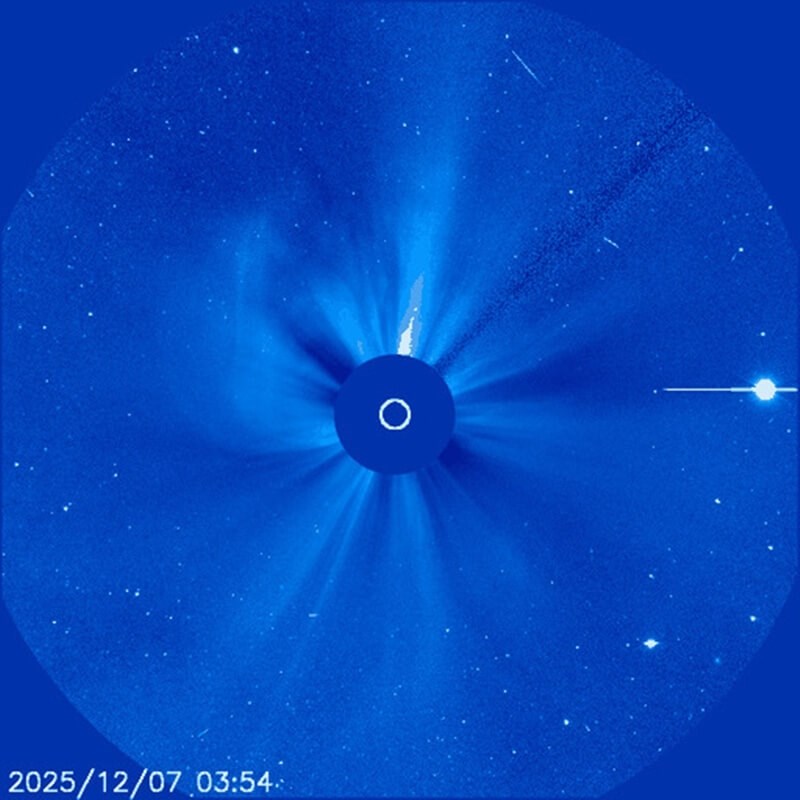
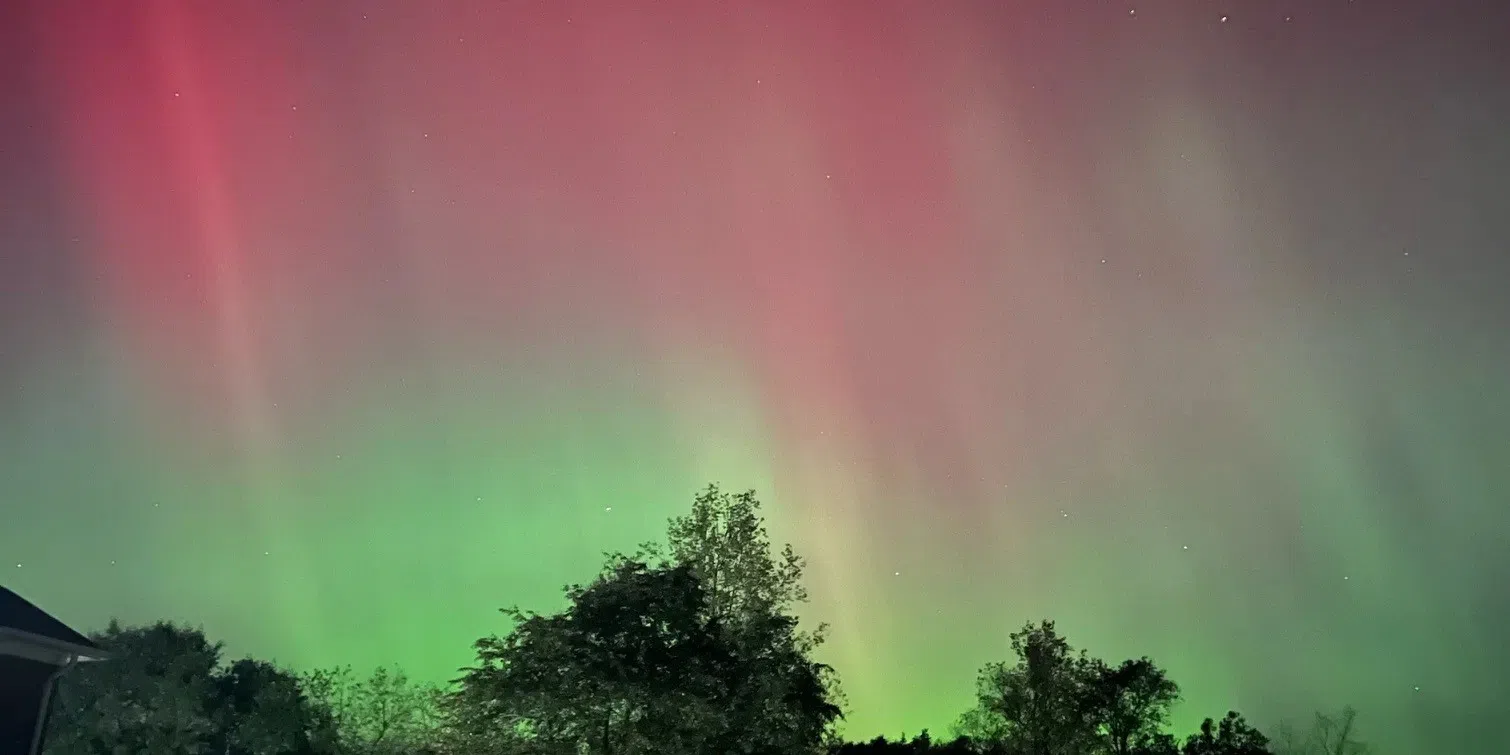
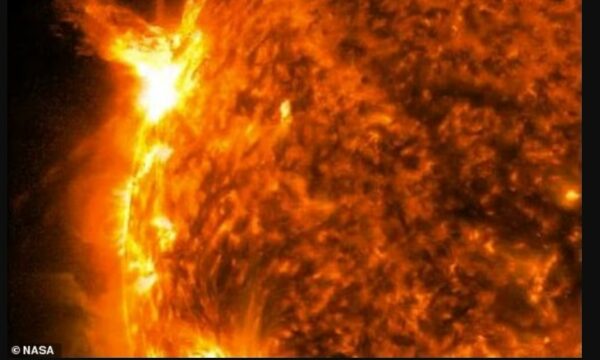
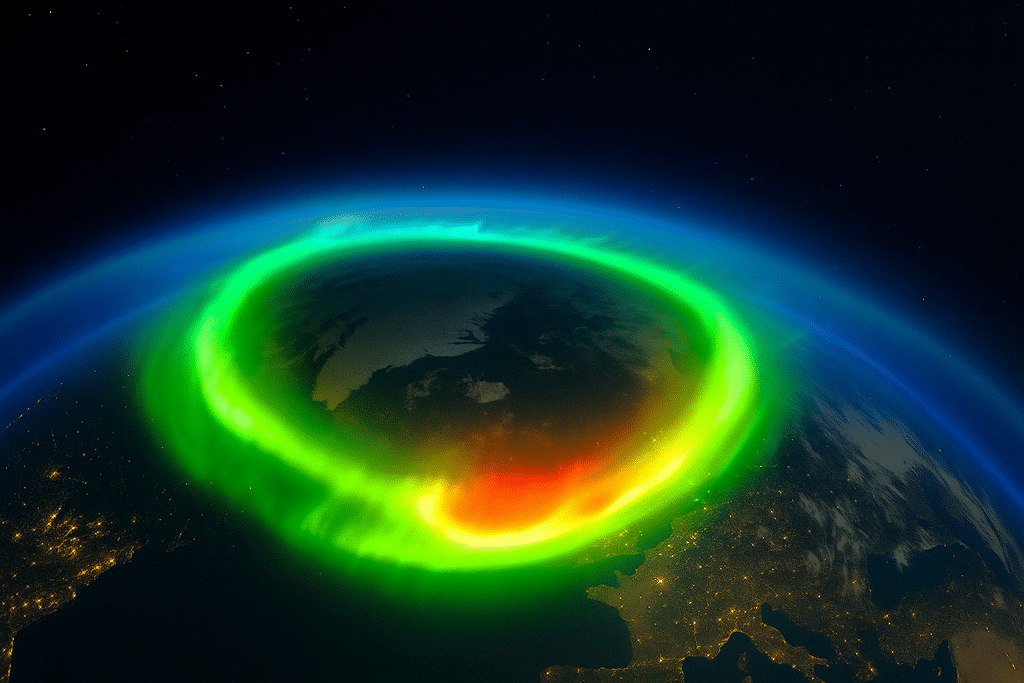
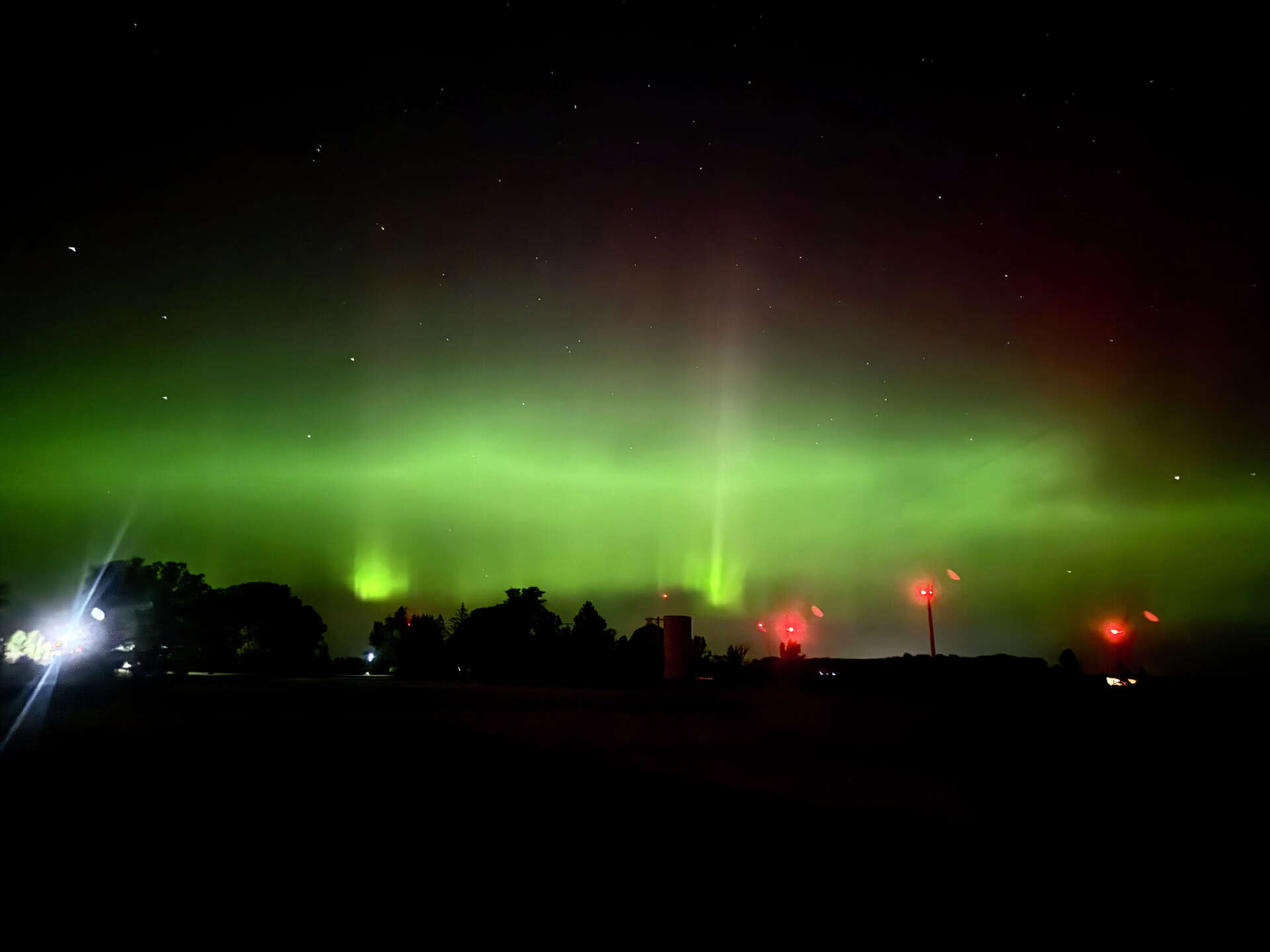
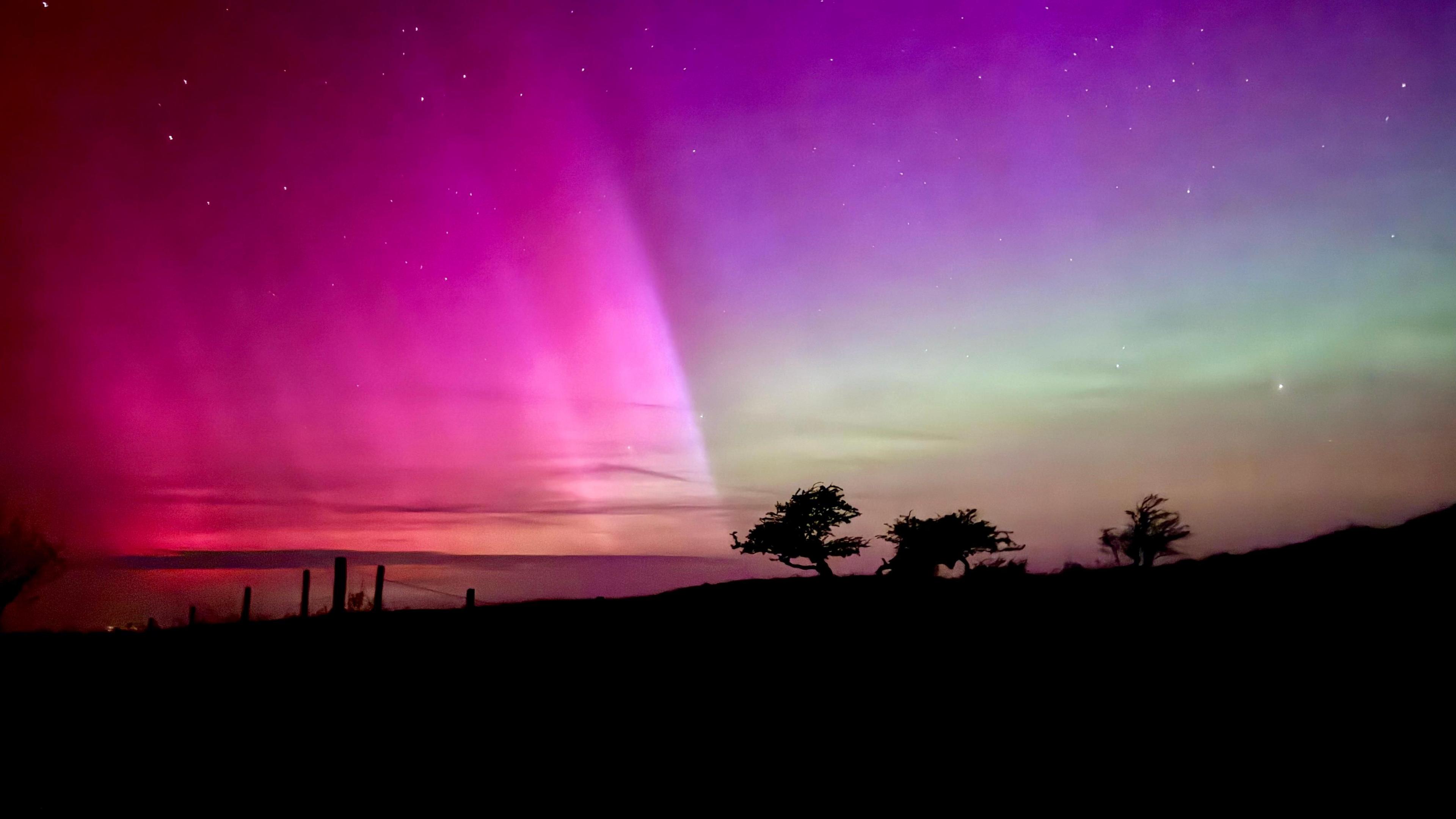
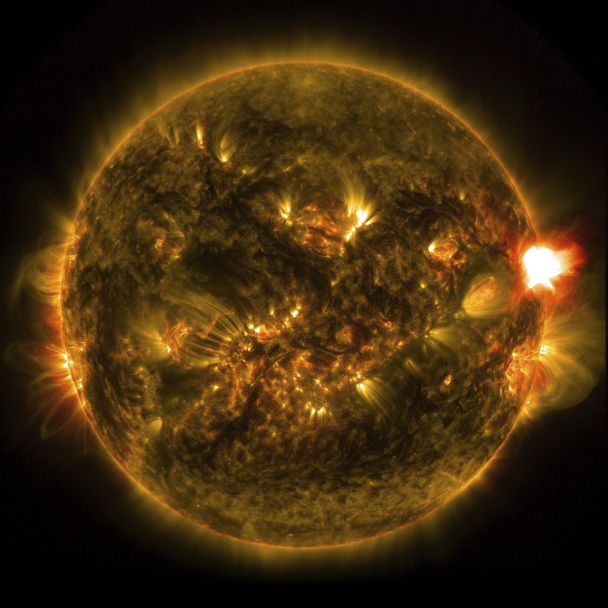
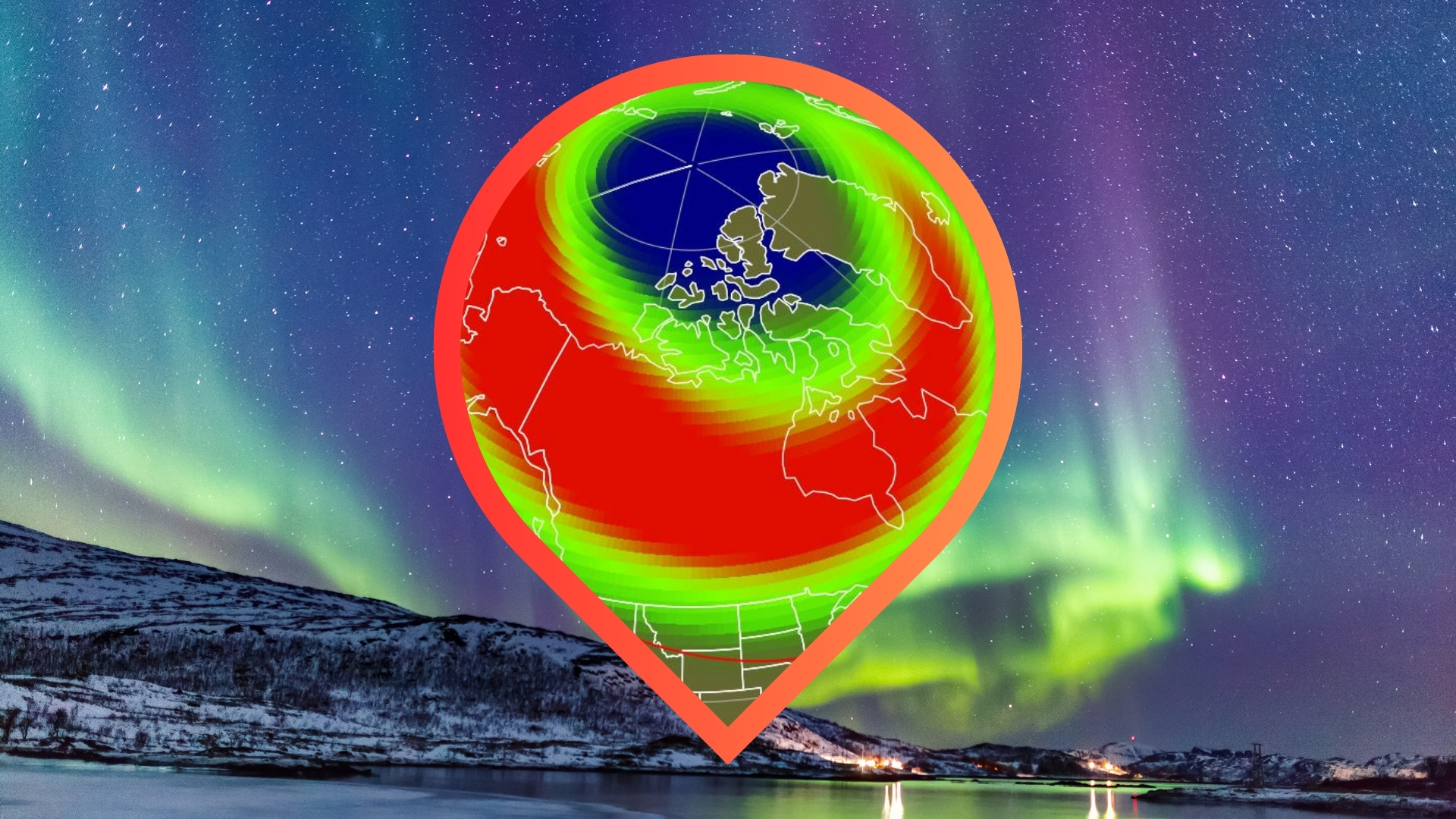
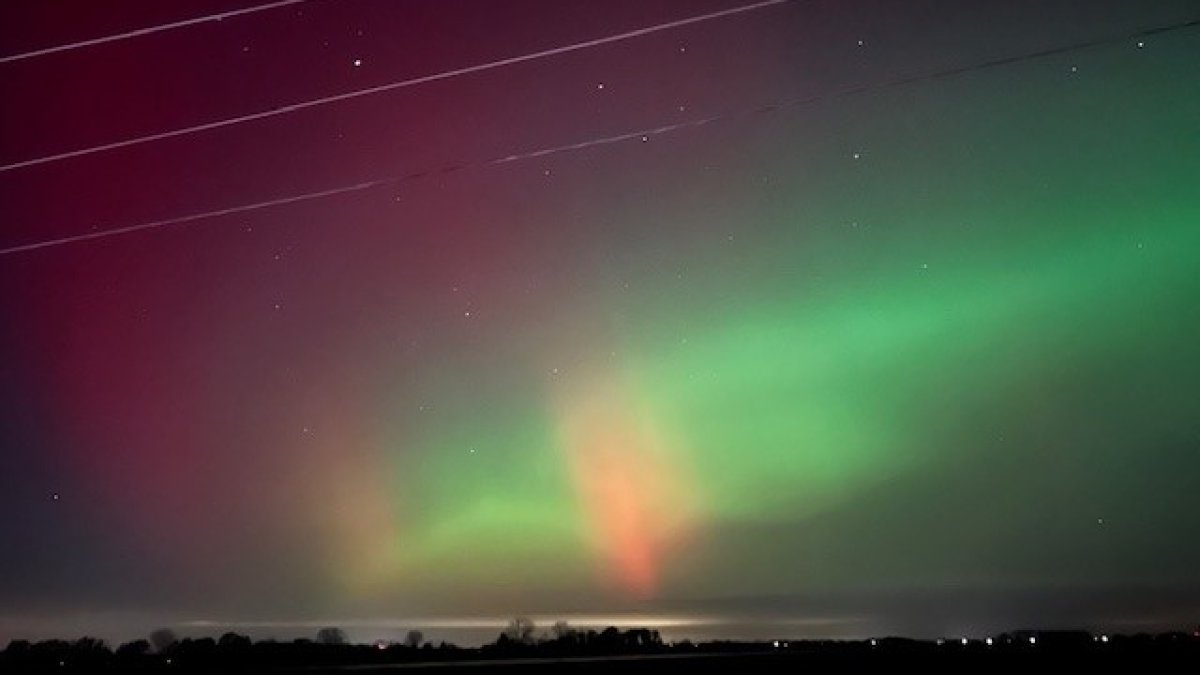
Geomagnetic Volatility as a Market Indicator emerges as a critical signal, with the NOAA Space Weather Prediction Center's Strong (G3) Geomagnetic Storm Watch for December 9, 2025, highlighting unprecedented solar dynamics. The M8.1 solar flare from Region 4299 represents more than a celestial event—it signals potential widespread disruptions to communication infrastructure, navigation systems, and satellite operations. This solar volatility suggests a broader pattern of technological uncertainty that investors and strategists must carefully navigate.
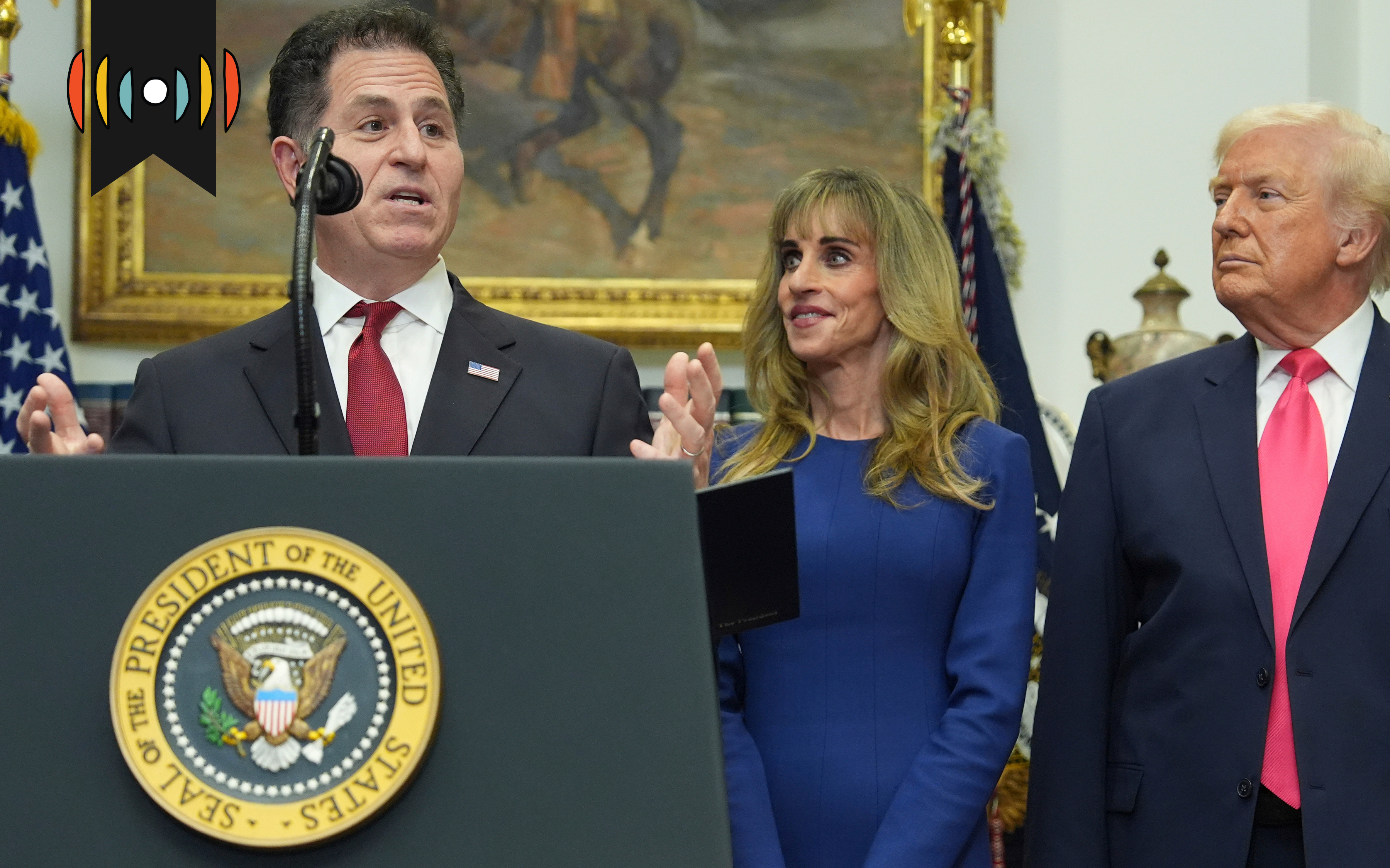
Emerging Investment Strategies simultaneously reveal adaptive responses to this complex environment. The introduction of "Trump Accounts" for children born between 2025-2028 represents a fascinating governmental approach to long-term financial planning. By providing a $1,000 investment restricted to low-cost, diversified US stock index funds, the program demonstrates a strategic attempt to:
- Encourage generational wealth accumulation
- Mitigate market volatility through index-based investments
- Create a structured investment pathway for younger generations
The timing is particularly noteworthy. As solar disruptions threaten technological infrastructure, government-backed investment vehicles offer a counterbalance of stability. This dual landscape of technological uncertainty and strategic financial planning suggests a nuanced approach to risk management that goes beyond traditional investment models.
Strategic Implications: Organizations and investors must develop adaptive strategies that can withstand both technological disruptions and evolving investment paradigms. The intersection of solar activity and targeted investment programs signals a new era of strategic complexity, where understanding systemic risks becomes as crucial as identifying growth opportunities.
Questions 3
How might geomagnetic storms impact technological infrastructure in 2025?
The NOAA Space Weather Prediction Center warns of potential disruptions to radio communications, navigation systems, and satellite operations. Organizations should develop robust contingency plans, including backup communication channels and redundant technological systems to mitigate potential solar-induced infrastructure challenges.
What makes the 'Trump Accounts' investment strategy unique?
These accounts are specifically designed for children born between 2025-2028, providing a $1,000 investment that can only be placed in low-cost, diversified US stock index funds. This approach encourages long-term, low-risk investment strategies and generational wealth accumulation through a structured, government-backed program.