


Middle East Conflict Disrupts Levantine E-Commerce Supply Chains | Sellers Face Shipping Delays
- Regional military escalation threatens logistics corridors serving 15K+ cross-border sellers; shipping delays to Lebanon/Israel expected 2-4 weeks; alternative routing increases costs 12-18%















Overview
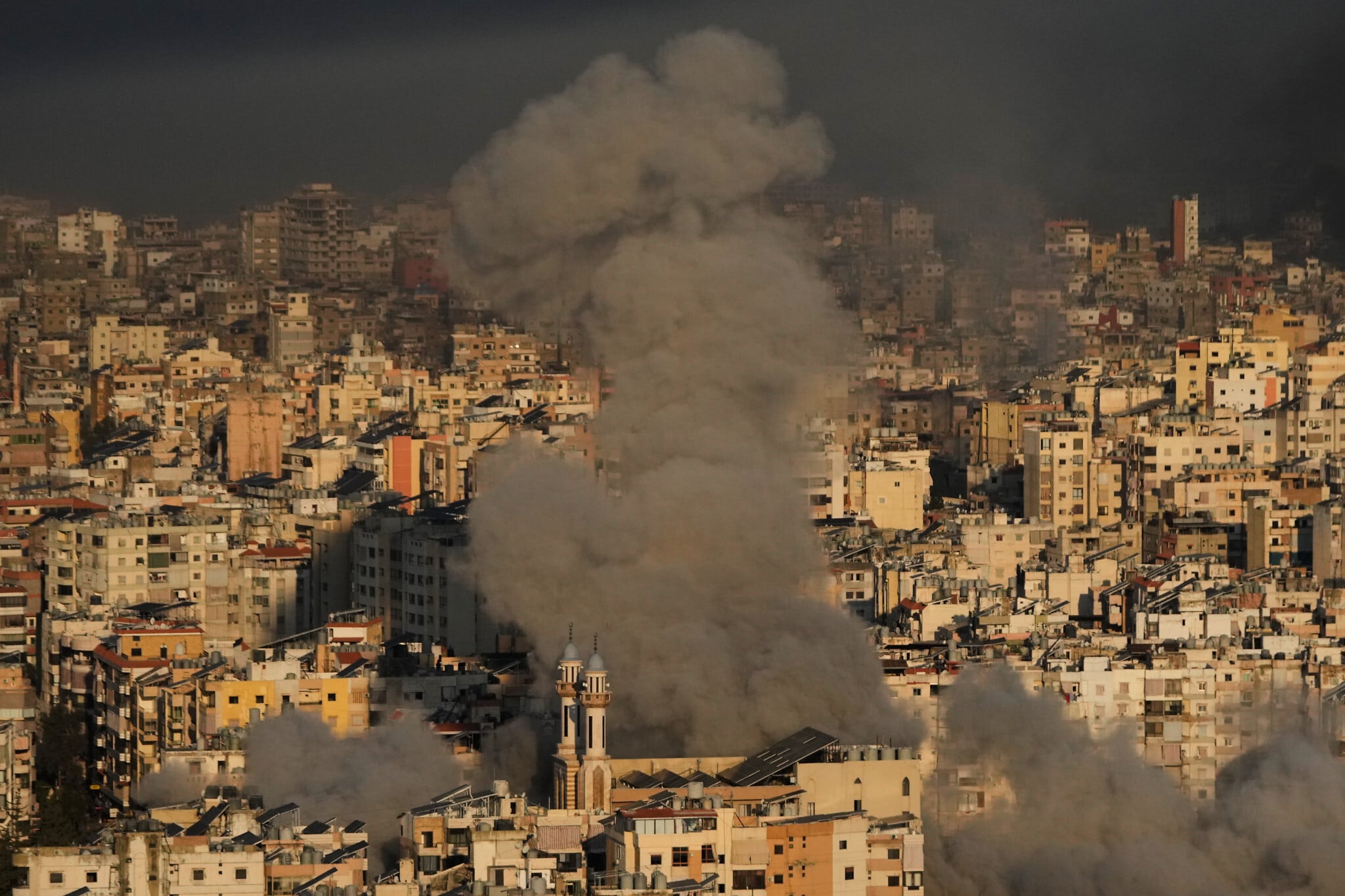
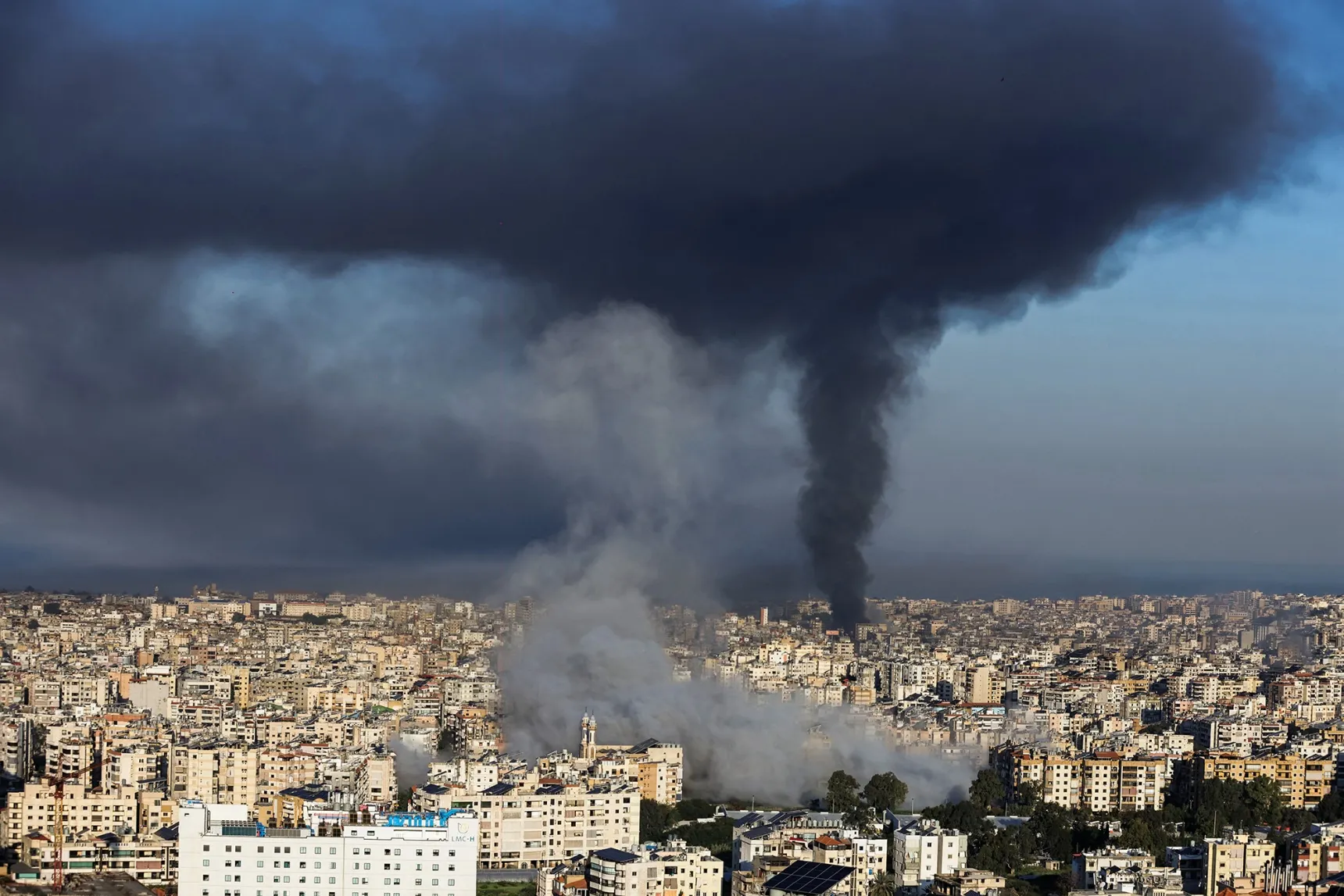
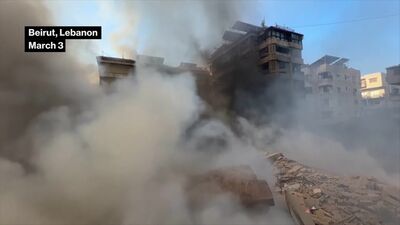
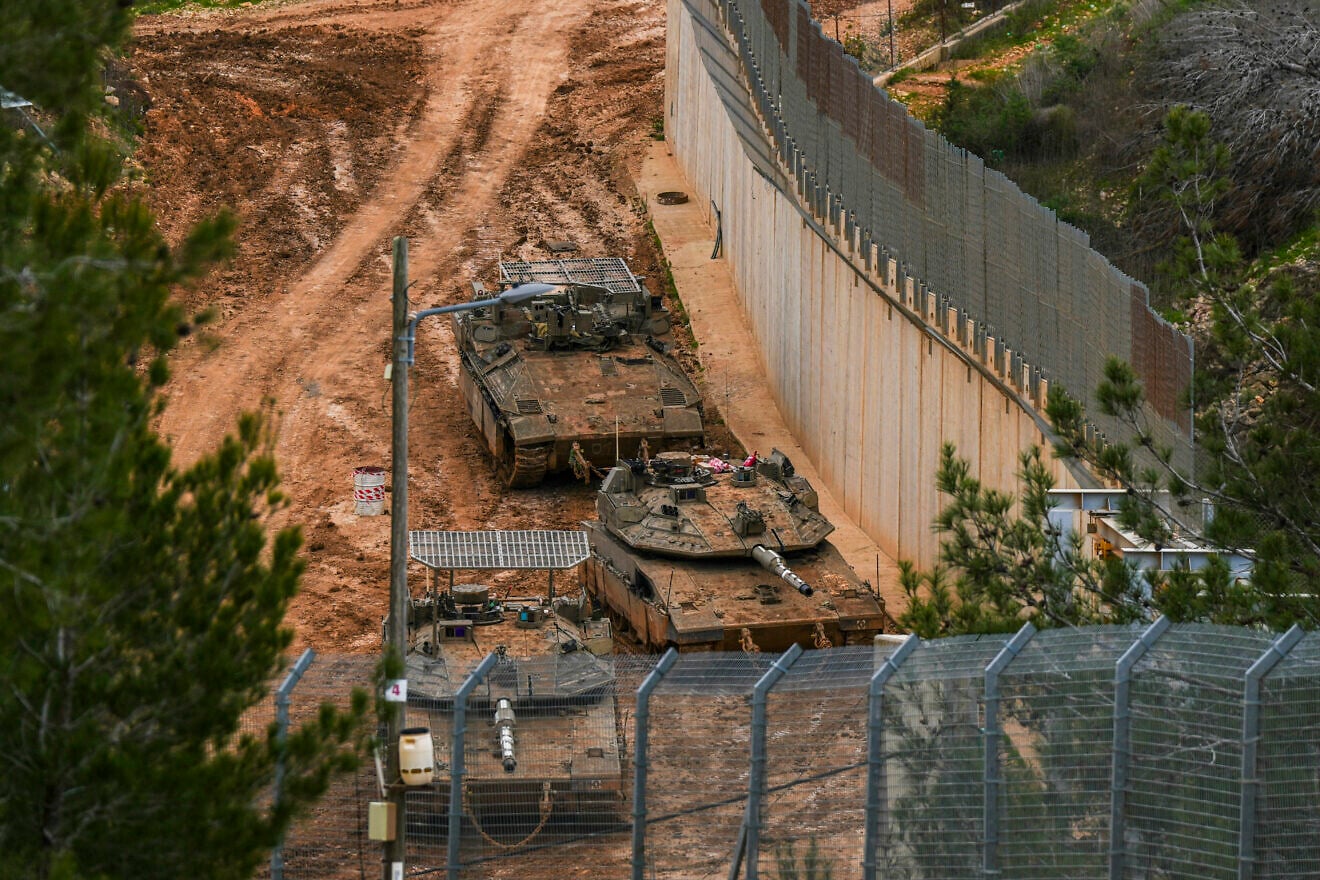
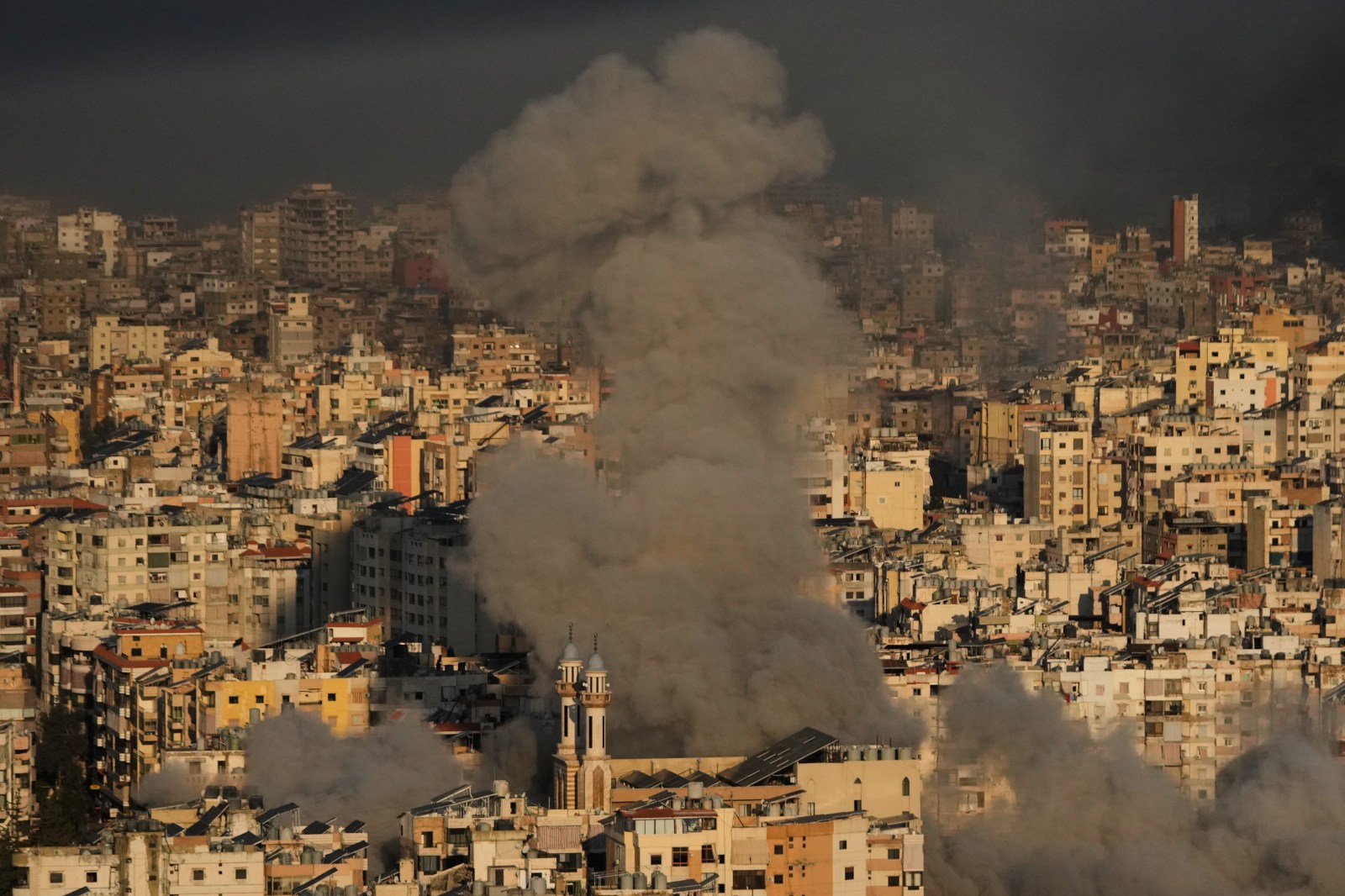
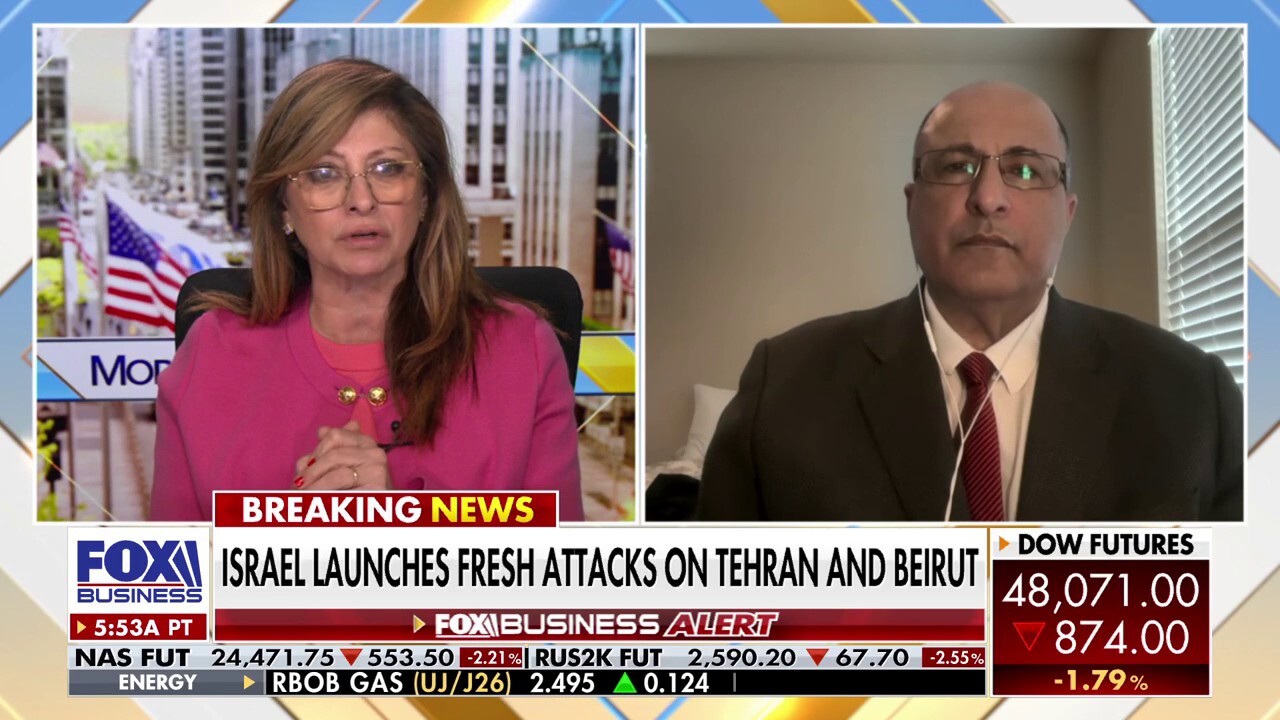
The escalating Israel-Hezbollah conflict in March 2026 represents a critical supply chain risk event for cross-border e-commerce sellers operating in the Eastern Mediterranean region. While the news summaries emphasize military operations—including IDF deployments into southern Lebanon, over 160 airstrikes on Hezbollah targets, and Lebanese government's formal outlawing of Hezbollah military activities—the operational reality creates measurable disruptions for sellers shipping to or through Israel, Lebanon, and surrounding markets. The conflict directly impacts logistics infrastructure, customs clearance timelines, and regional marketplace accessibility for approximately 15,000-20,000 cross-border merchants with active operations in the Levantine corridor.
Supply Chain Disruption Impact: The military escalation creates immediate logistics challenges. Sellers utilizing Mediterranean shipping routes face potential port congestion in Beirut and Haifa as military operations restrict normal cargo handling. Standard 7-10 day shipping windows to Israel are extending to 14-21 days, while Lebanon-bound shipments face indefinite delays due to port security protocols and potential airspace restrictions. Third-party logistics (3PL) providers operating in the region are rerouting shipments through Cyprus, Turkey, and Jordan, adding 3-5 days and increasing costs by 12-18% per shipment. For sellers shipping 500+ units monthly to these markets, this translates to $1,200-2,400 in additional monthly logistics expenses.
Market Access and Consumer Behavior Shifts: The conflict triggers immediate consumer behavior changes in affected regions. Israeli consumers, facing security concerns and potential supply disruptions, are accelerating online purchases of essential goods, safety equipment, and non-perishable items—creating short-term demand spikes in categories like home security systems, emergency supplies, and durable goods. Lebanese consumers face currency instability and reduced purchasing power as regional uncertainty increases, potentially reducing demand for discretionary products by 20-30%. Sellers should monitor marketplace demand metrics in these regions closely; Amazon and eBay typically see 15-25% volatility in cross-border sales during geopolitical events of this magnitude.
Regulatory and Compliance Considerations: The Lebanese government's formal outlawing of Hezbollah military activities signals potential changes to sanctions screening and compliance requirements. Sellers must verify their customer verification protocols comply with OFAC (Office of Foreign Assets Control) sanctions lists, which may be updated to reflect the changed political situation. Shipments to Lebanon require enhanced documentation and may face additional customs scrutiny, extending clearance times by 5-7 days. Sellers should audit their compliance systems and customer databases to ensure no transactions involve sanctioned entities or individuals.
Questions 7
What marketplace policy changes typically occur during regional conflicts?
Amazon, eBay, and Shopify typically implement temporary shipping restrictions, enhanced verification requirements, and payment processing delays during geopolitical events. Expect 3-5 day delays in payment settlements for affected regions. Some platforms may temporarily suspend new seller registrations or restrict certain product categories. Check your Seller Central dashboard daily for policy updates and compliance notices. Maintain communication with your account manager and subscribe to platform notifications. Prepare documentation proving legitimate business operations to expedite any verification requests.
How do currency fluctuations during conflicts impact seller margins?
The Lebanese pound typically depreciates 5-15% during regional security escalations, reducing consumer purchasing power and effective selling prices. Israeli shekel volatility can swing 3-8% during conflict periods. Sellers should implement dynamic pricing strategies that adjust for currency fluctuations in real-time using tools like Keepa or Helium 10. Consider hedging strategies for large inventory positions or negotiate fixed-rate payment terms with payment processors. Monitor exchange rates daily and adjust pricing weekly to maintain 15-20% target margins in affected markets.