

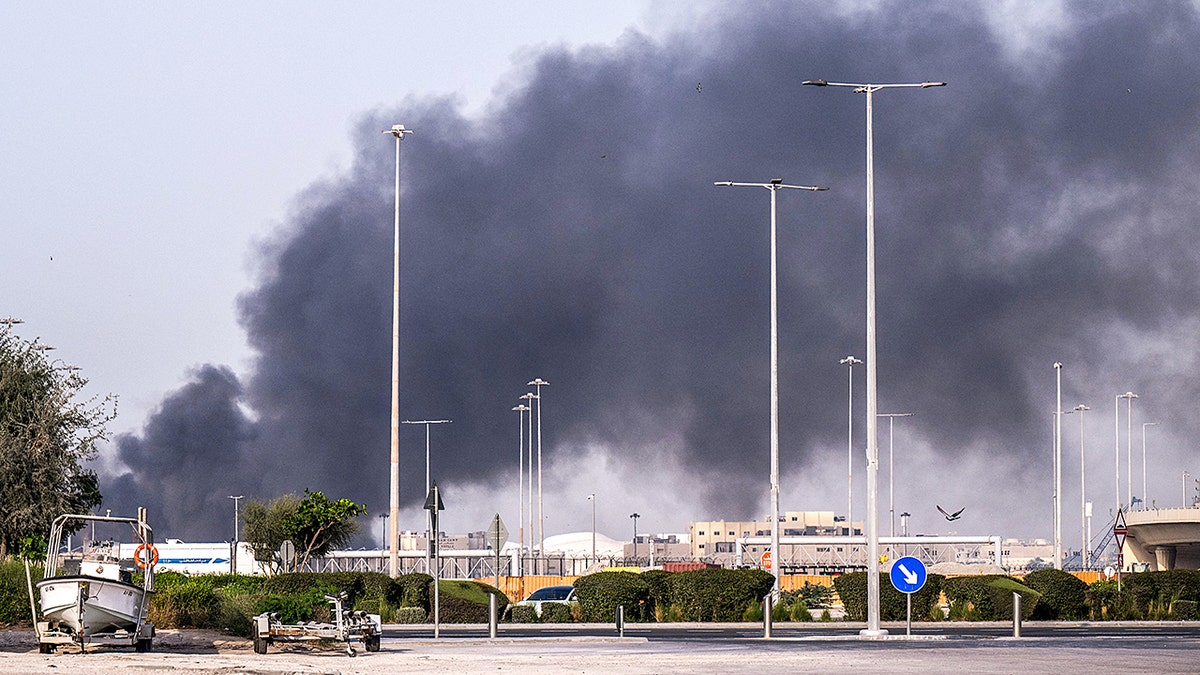



Middle East Geopolitical Crisis Disrupts Cross-Border Logistics | Seller Supply Chain Impact
- Airport closures and military escalation create 15-25% shipping cost increases for sellers with Middle East operations or suppliers




























Overview
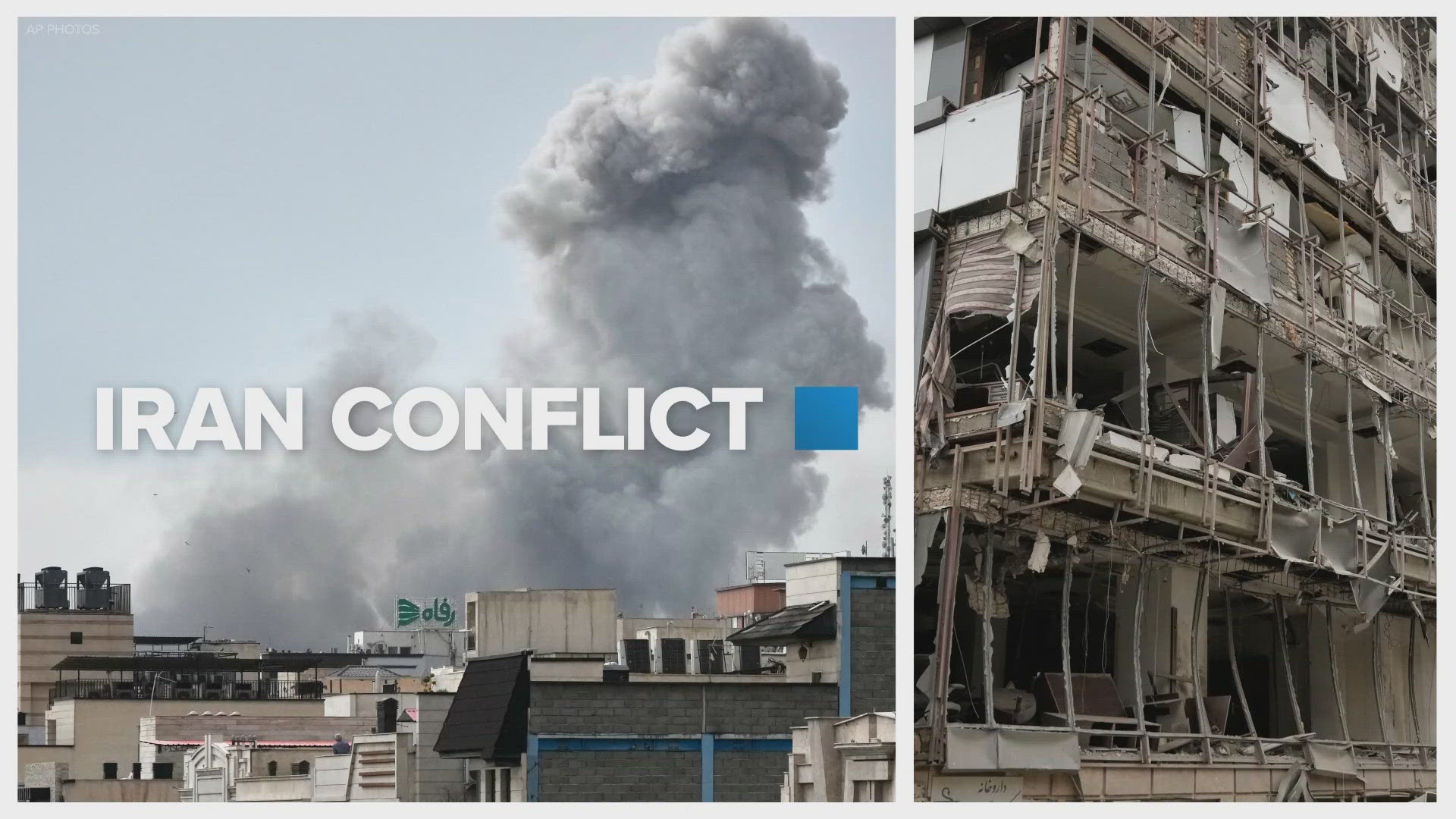
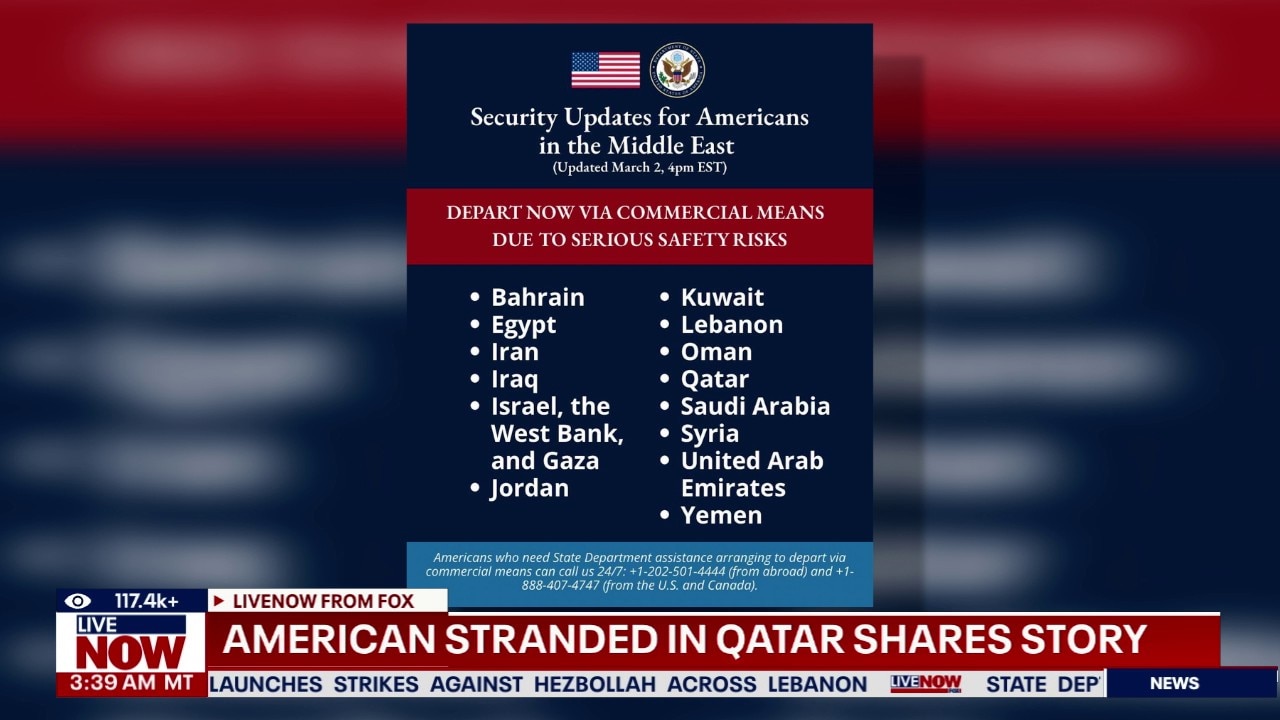
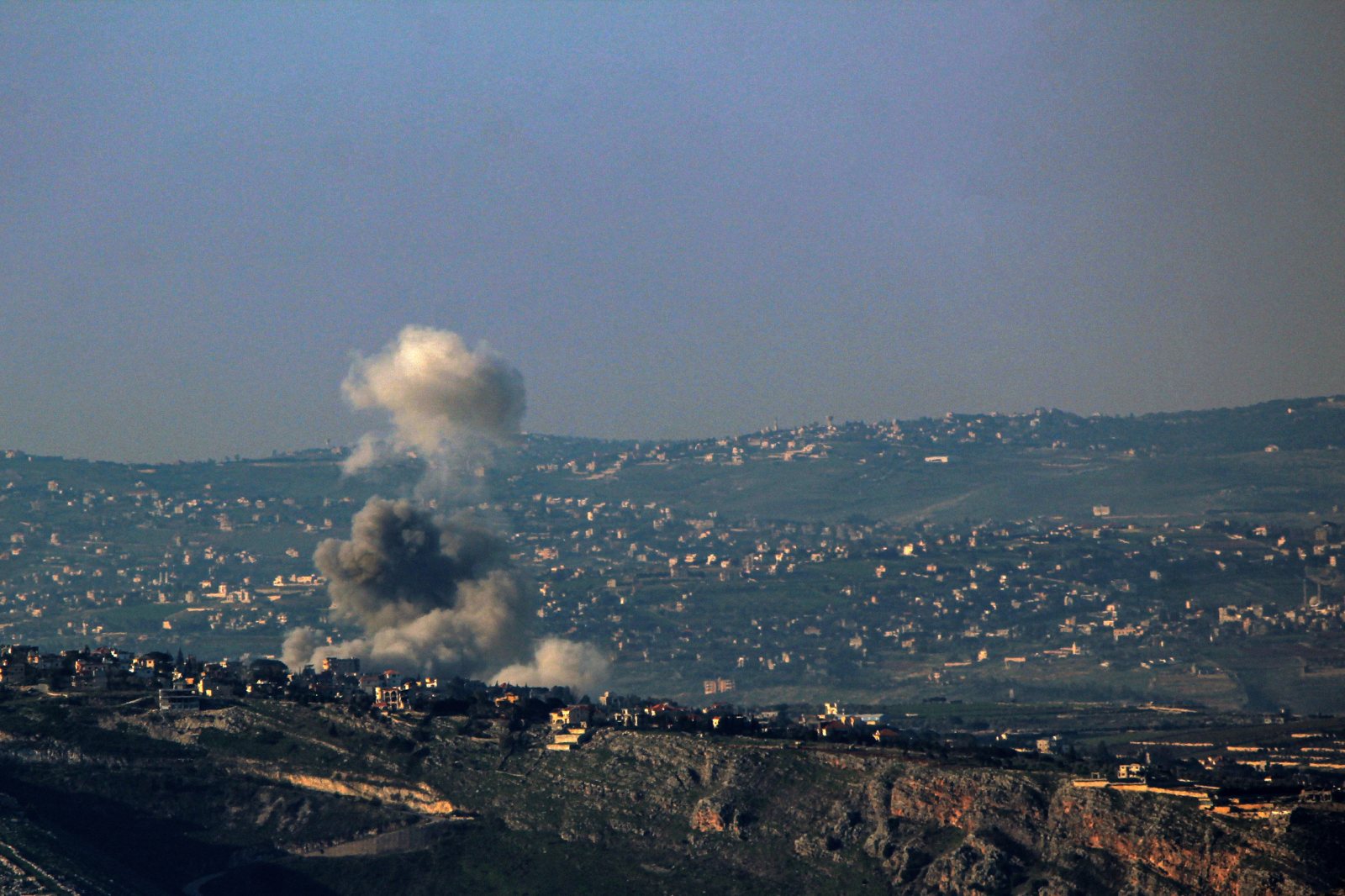
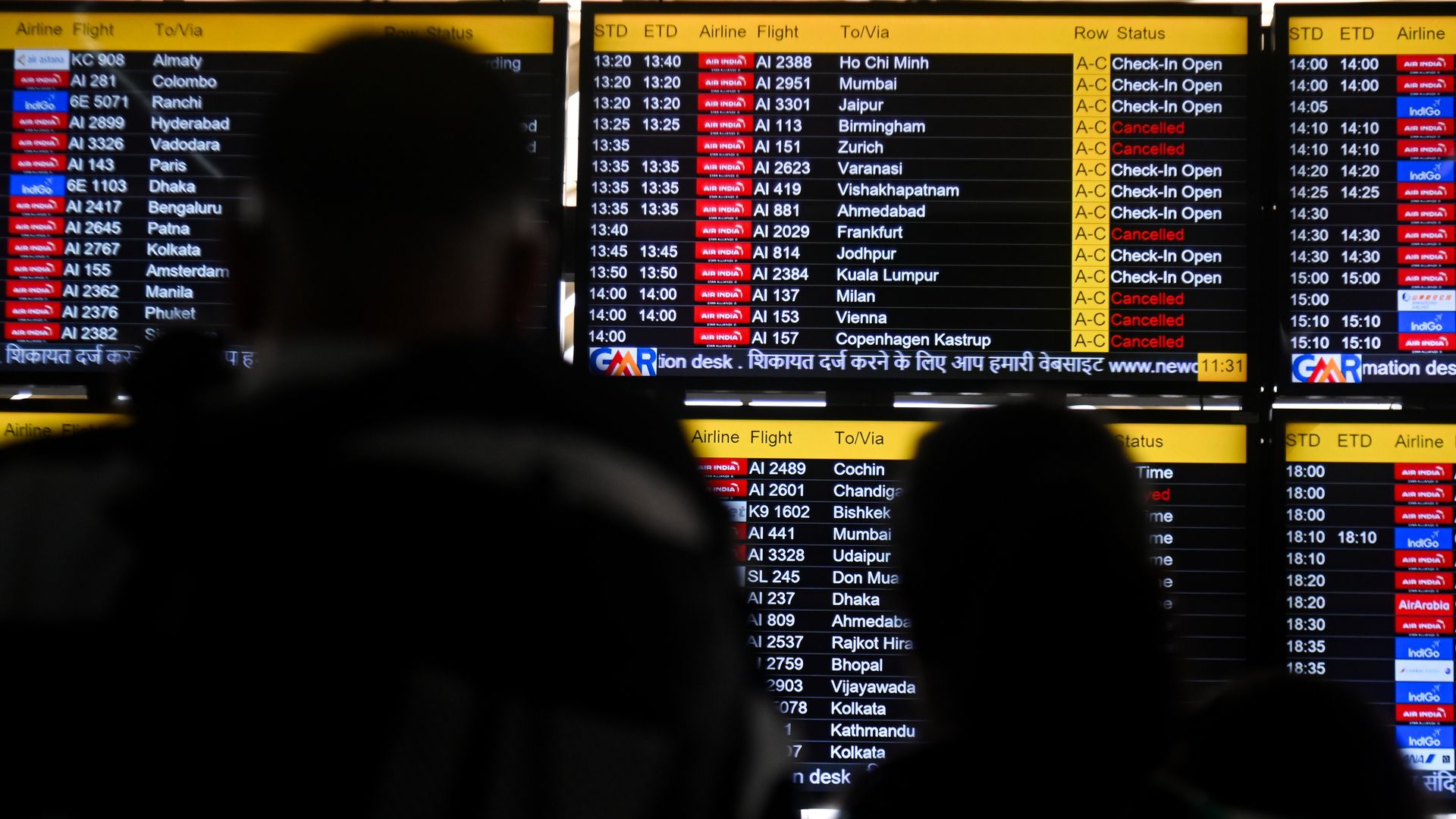
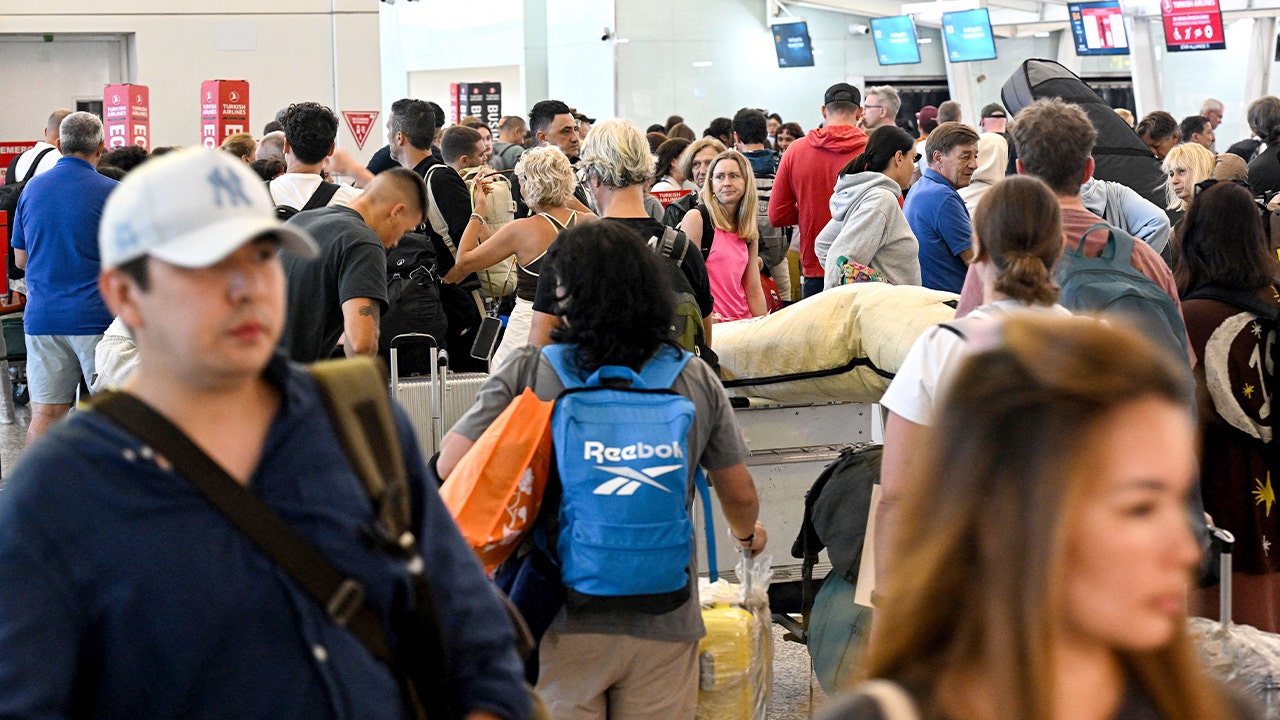
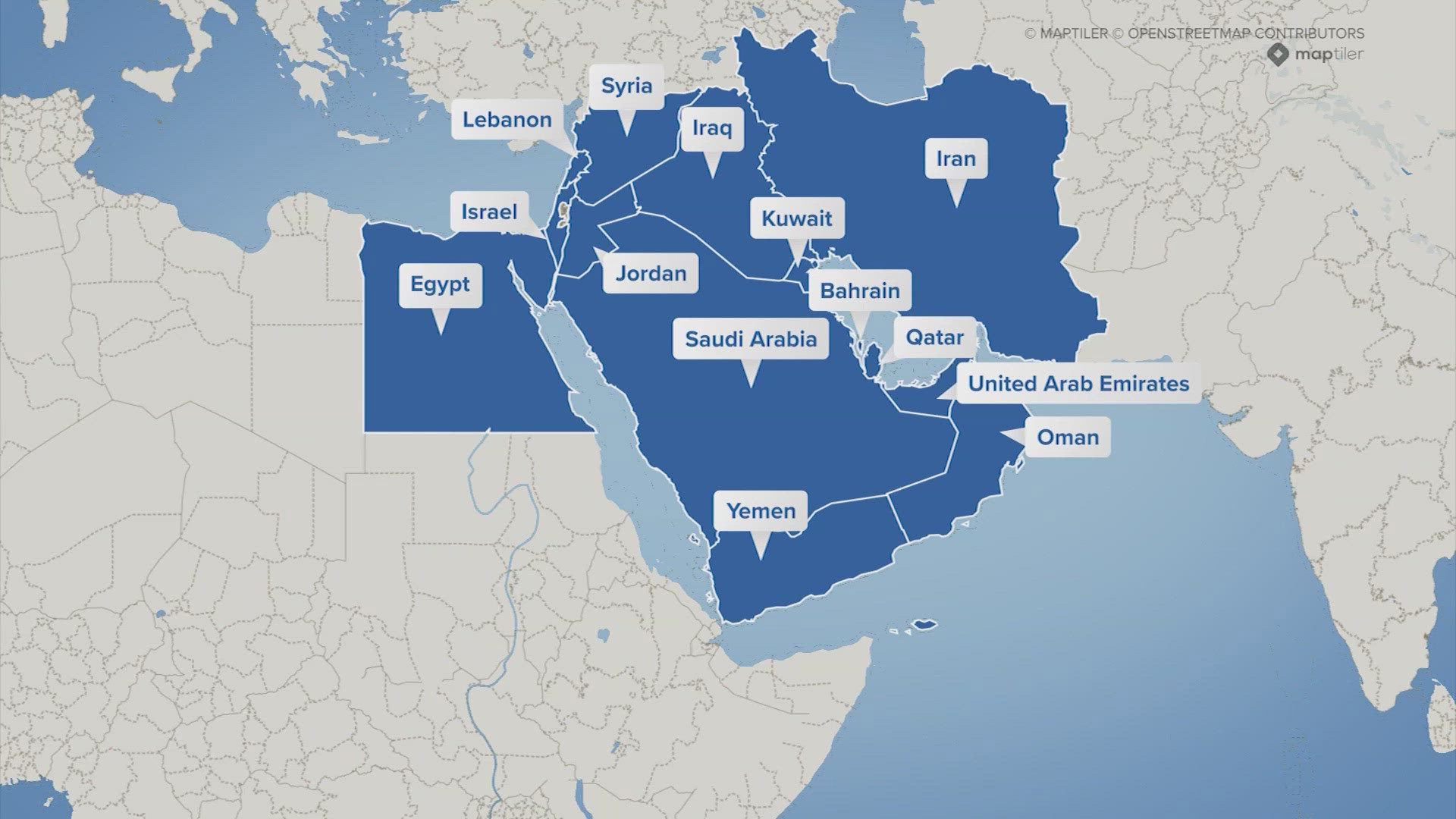
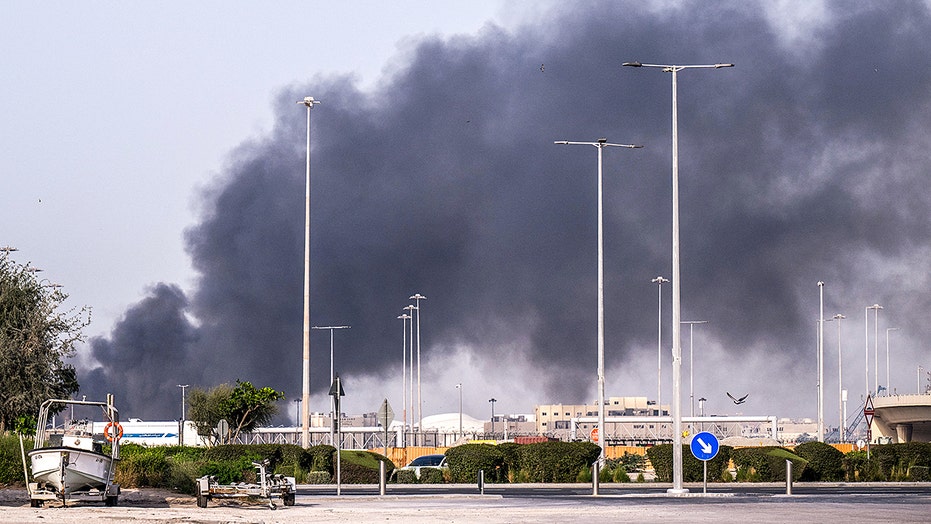
The March 2026 U.S.-Iran military escalation has created immediate supply chain disruptions affecting cross-border e-commerce sellers with Middle East exposure. According to Washington Post reporting dated March 3, 2026, the Trump administration's military assault on Iran triggered retaliatory strikes, forcing closure of at least three U.S. embassies and multiple regional airports. For e-commerce sellers, this geopolitical crisis directly impacts logistics routes through the Middle East, with commercial aviation severely restricted and port operations compromised. Sellers with inventory, suppliers, or fulfillment operations in affected markets face immediate operational risks including delayed shipments, increased transportation costs (estimated 15-25% premium for alternative routing), and currency volatility affecting payment processing.
Supply chain routing and cost implications are the primary seller concern. The closure of regional airports eliminates direct air freight options, forcing sellers to reroute shipments through alternative hubs (typically adding 5-10 business days and 12-18% cost premiums). Sellers sourcing from Iran, UAE, Saudi Arabia, or other Middle East suppliers must immediately assess inventory in transit and adjust delivery commitments to customers. Amazon FBA sellers with inventory destined for Middle East fulfillment centers face potential delays in IPI score calculations and risk account health penalties. eBay and Shopify sellers conducting business with regional partners must prepare for payment processing delays and potential sanctions-related payment restrictions affecting Iranian transactions.
Currency volatility and sanctions risk create pricing strategy challenges. The uncertainty surrounding escalation timelines complicates inventory planning—sellers cannot reliably forecast when normal operations will resume. Iranian rial volatility and potential new sanctions could affect pricing for sellers with regional suppliers or customers. Sellers should immediately: (1) audit supplier locations and identify Middle East dependencies, (2) contact 3PL providers for alternative routing costs and timelines, (3) update customer communication regarding potential delivery delays, (4) review payment processor policies on Iran-related transactions, and (5) consider temporary price adjustments to offset increased logistics costs. The window for proactive supply chain repositioning is narrow—sellers should act within 7-14 days before alternative routes become congested and costs spike further.
Questions 8
What payment processing risks do sellers face with Iran-related transactions?
Sellers conducting business with Iranian customers or suppliers face potential payment processing restrictions due to U.S. sanctions. The Trump administration's military operations and stated regime change objectives signal potential new sanctions that could affect payment processors like PayPal, Stripe, and Amazon Pay. Sellers should immediately review payment processor policies on Iran transactions and consider suspending new orders from Iranian customers until sanctions clarity emerges. For sellers with existing Iranian customer relationships, document all transactions and prepare for potential payment holds or reversals. Consult with compliance advisors on OFAC (Office of Foreign Assets Control) requirements within 7 days.
How can sellers mitigate currency volatility from the Middle East crisis?
The geopolitical escalation creates currency volatility, particularly affecting the Iranian rial and regional currencies. Sellers with pricing in Middle East currencies should implement dynamic pricing strategies that adjust for exchange rate fluctuations. For sellers using Shopify or WooCommerce, enable automatic currency conversion with 2-3% markup to offset volatility risk. Consider locking in exchange rates for 30-60 days through currency hedging if shipping volumes to the region exceed $10,000 monthly. Monitor central bank announcements and sanctions developments daily, as new restrictions could trigger 10-15% currency swings. Update pricing within 48 hours of major geopolitical developments.