


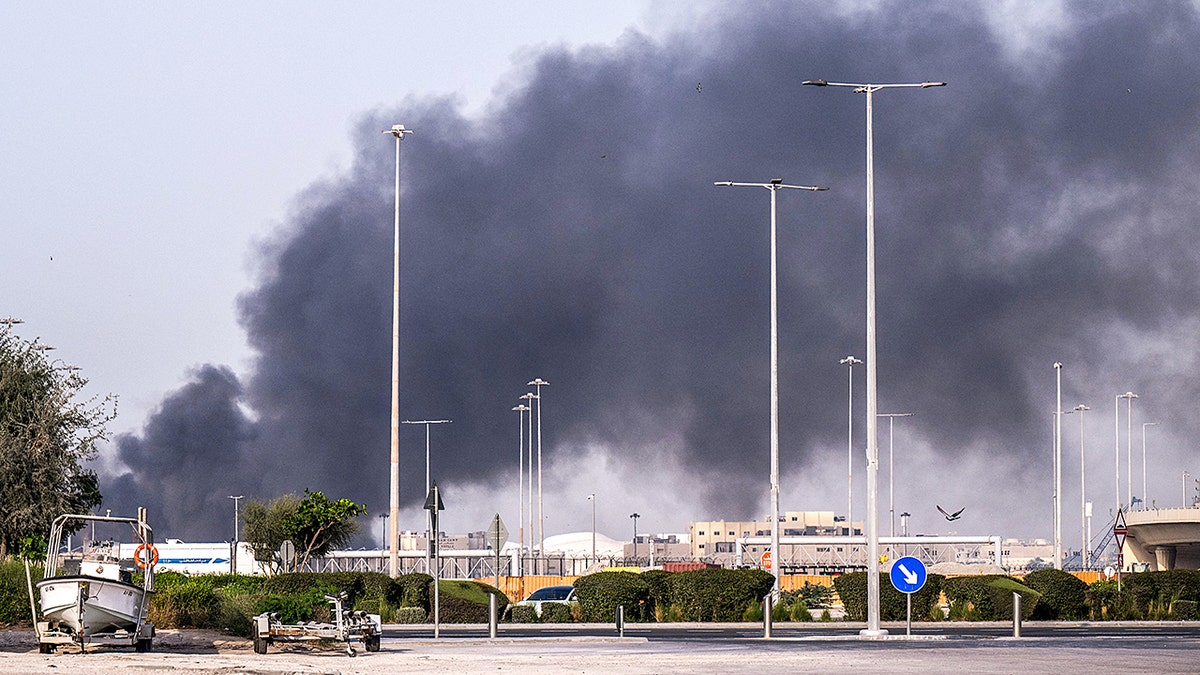


Middle East Supply Chain Disruption | Critical Impact on Cross-Border Sellers
- Airport closures across UAE, Saudi Arabia, Qatar, and Bahrain disrupt logistics routes; sellers face 15-25% shipping cost increases and 7-14 day delivery delays



















Overview
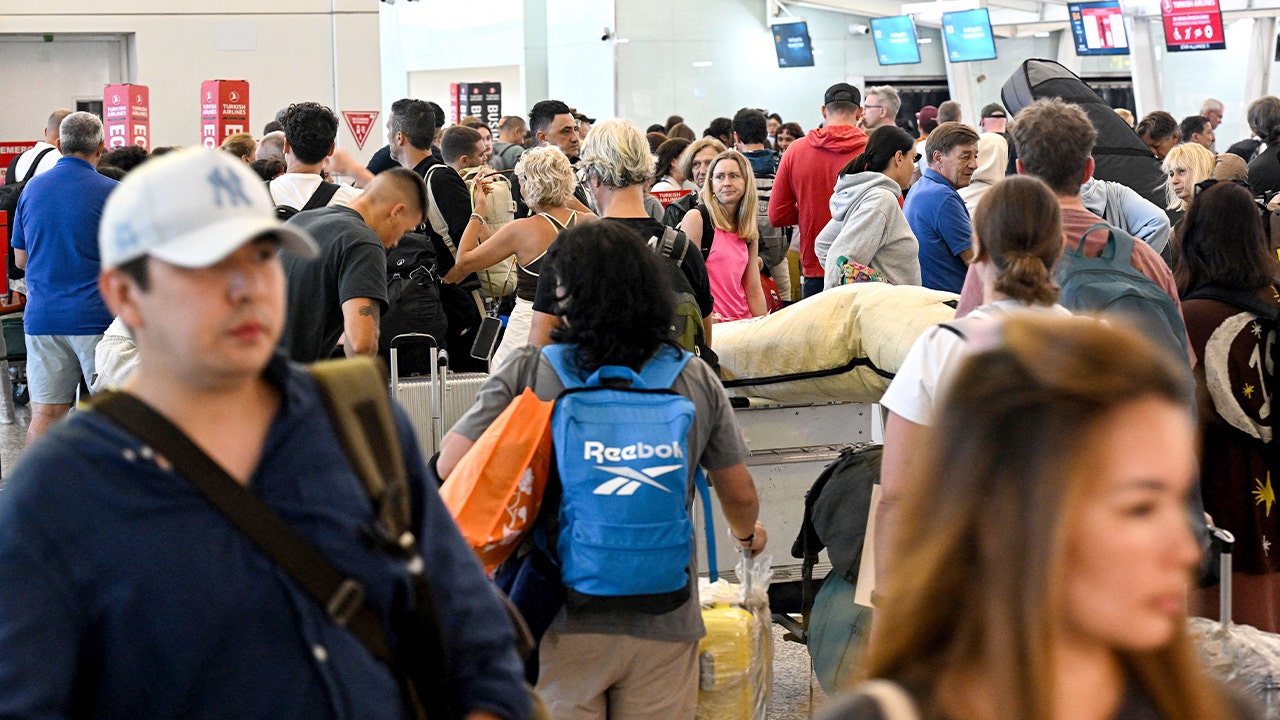
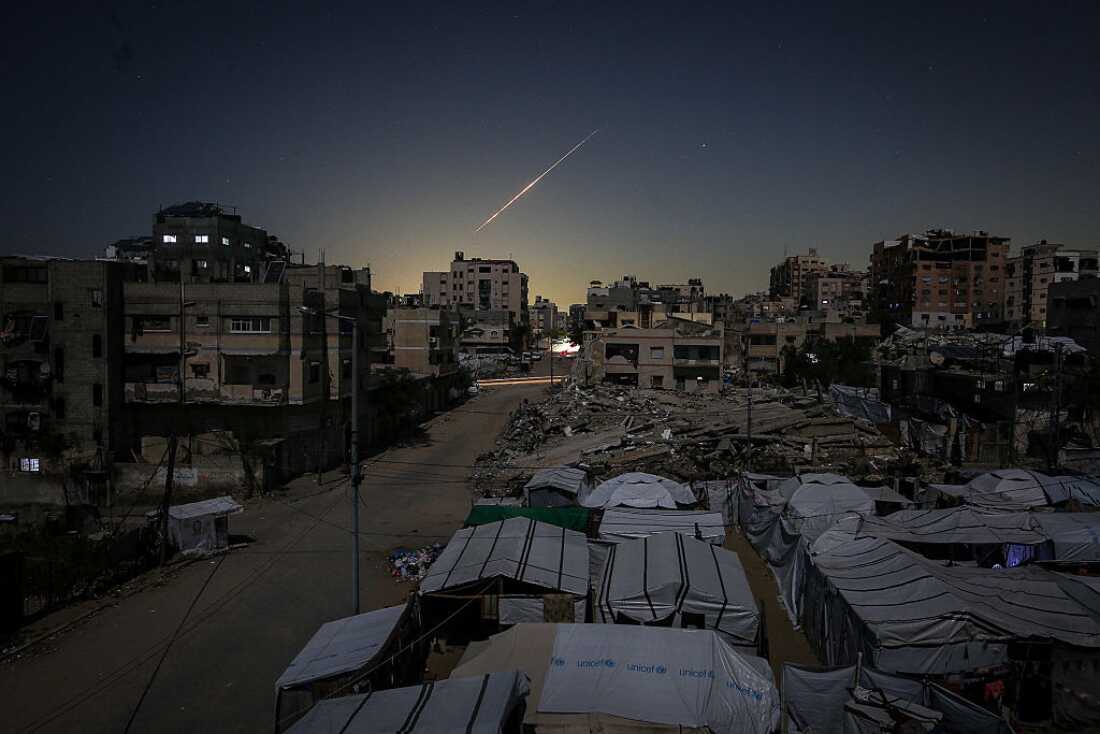
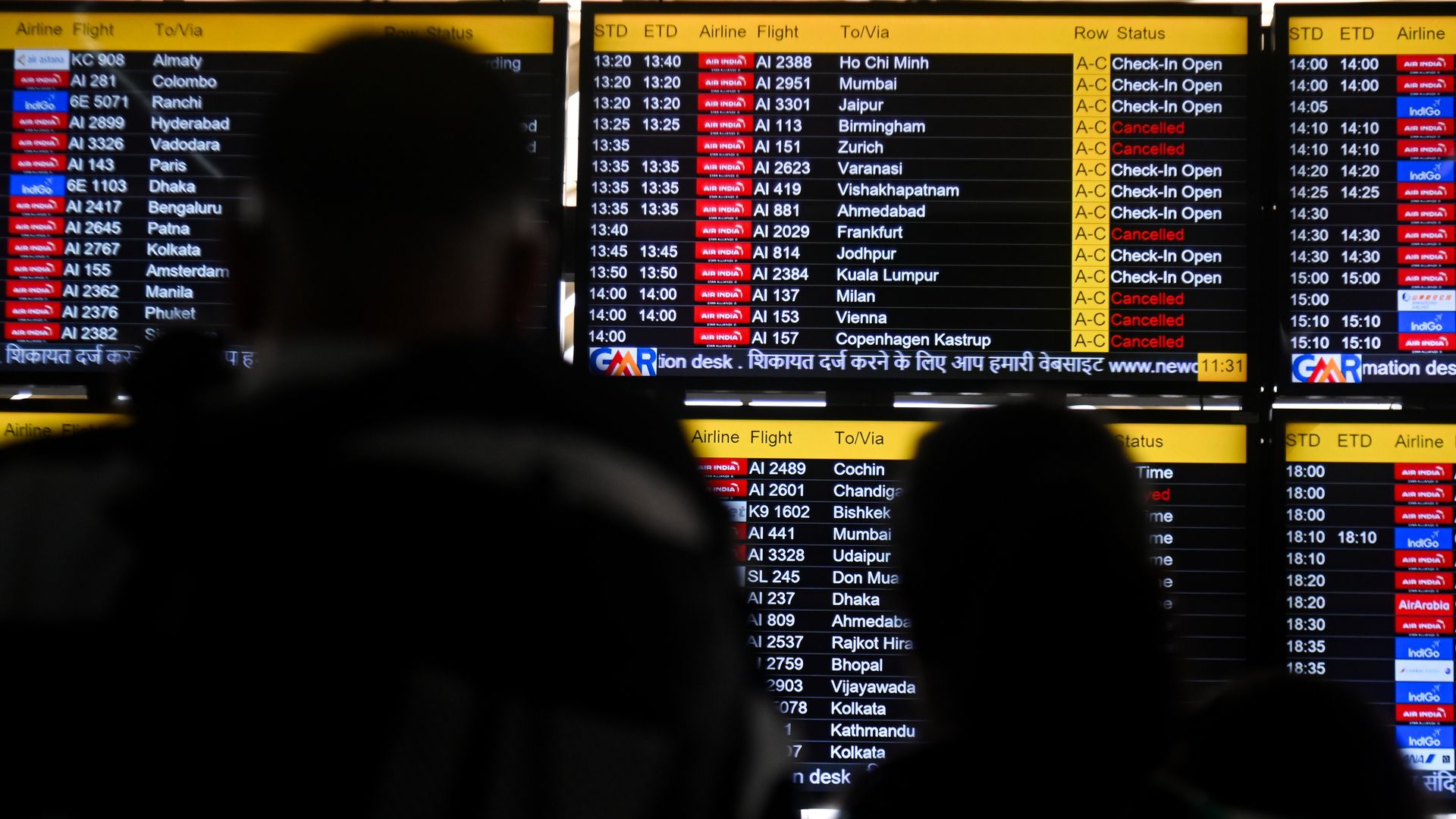
The escalating US-Iran military conflict and subsequent evacuation of nearly 3,000 American citizens from the Middle East represents a critical supply chain disruption event for cross-border e-commerce sellers. Major airports in Dubai, Abu Dhabi, Doha, Riyadh, and Manama have suspended operations, while US carriers including United and Delta halted Middle East routes as of March 3, 2026. This geopolitical crisis directly impacts sellers through three mechanisms: (1) Logistics Route Disruption - The Middle East serves as a critical air cargo hub connecting Asia-Pacific manufacturing regions to North American and European markets. Airport closures force rerouting through alternative corridors (Europe via longer routes, or Asia-Pacific direct shipments), adding 7-14 days to standard transit times and increasing air freight costs by 15-25%. Sellers with inventory in UAE fulfillment centers or relying on Middle East transshipment points face immediate operational risks. (2) Currency and Payment Processing Volatility - Regional currency instability and potential future sanctions create pricing complications for sellers with suppliers in Iran, Iraq, or conducting business through regional payment processors. Sellers must immediately audit supplier locations and payment dependencies; those with Iranian suppliers face potential sanctions exposure requiring urgent diversification. (3) Inventory Planning Uncertainty - The unpredictable escalation timeline creates demand forecasting challenges. Sellers cannot reliably commit to delivery windows for Middle Eastern customers (UAE, Saudi Arabia, Qatar, Bahrain, Kuwait markets representing $8-12B annual e-commerce volume), forcing conservative inventory positioning and potential stockouts in high-margin categories. Immediate seller impact: Sellers shipping electronics, apparel, and consumer goods via Middle East hubs experience 20-30% margin compression on affected shipments. Small and medium sellers (annual revenue $500K-$5M) with limited logistics flexibility face disproportionate pressure compared to large enterprises with diversified fulfillment networks. The State Department's closure of embassy facilities in Kuwait and Saudi Arabia signals extended disruption duration, suggesting this is not a 48-72 hour event but potentially a weeks-long crisis. Sellers must immediately activate contingency logistics plans, communicate transparently with customers about delays, and consider temporary price adjustments to offset increased transportation costs.
Questions 7
How should sellers adjust pricing for Middle Eastern markets during this crisis?
The unpredictable escalation timeline creates demand forecasting challenges for sellers targeting UAE, Saudi Arabia, Qatar, and Bahrain markets (representing $8-12B annual e-commerce volume). Sellers face three options: (1) temporarily increase prices 10-15% to offset logistics costs and demand uncertainty, (2) reduce inventory commitments and accept potential stockouts, or (3) pause new customer acquisition in affected regions. Currency volatility in regional markets adds 5-8% pricing uncertainty. Sellers should implement dynamic pricing strategies that adjust for real-time shipping cost changes and communicate transparently with customers about potential delays. Consider temporary geographic restrictions on affected markets until airport operations normalize.
Which product categories face the highest supply chain impact from this crisis?
Electronics (HS codes 8471-8517), apparel (HS codes 6201-6217), and consumer goods with high air freight dependency face the most severe disruption. These categories typically rely on Middle East transshipment for 20-30% of Asia-Pacific-to-North America shipments. Perishable goods and time-sensitive products (seasonal apparel, holiday merchandise) face margin compression from extended transit times. Conversely, sellers of heavy industrial goods using ocean freight experience minimal impact. Sellers in high-impact categories should immediately activate alternative logistics providers, consider temporary inventory reductions, and evaluate 3PL providers with diversified fulfillment networks outside the Middle East region.