




Gaming Innovation Meets Consumer Electronics Disruption in 2025
- Emerging Trends Reshaping Digital Entertainment and Smartphone Markets





.jpg)



























Overview
The convergence of creative gaming development and strategic consumer electronics pricing reveals a fascinating landscape of technological innovation and market dynamics in late 2025. At the epicenter of this transformation, two seemingly disparate narratives—Hideo Kojima's experimental game OD and Google's aggressive Pixel smartphone discounts—illuminate broader trends of risk-taking and strategic market positioning.
Kojima's OD represents a paradigm of creative uncertainty, with the legendary game designer openly acknowledging the experimental nature of his upcoming horror game. This transparency about potential failure is itself a strategic communication approach, setting unprecedented expectations for a gaming experience that defies conventional genre boundaries. By admitting "we still don't know if it will work out," Kojima transforms product uncertainty into a marketing narrative that generates intrigue and anticipation.
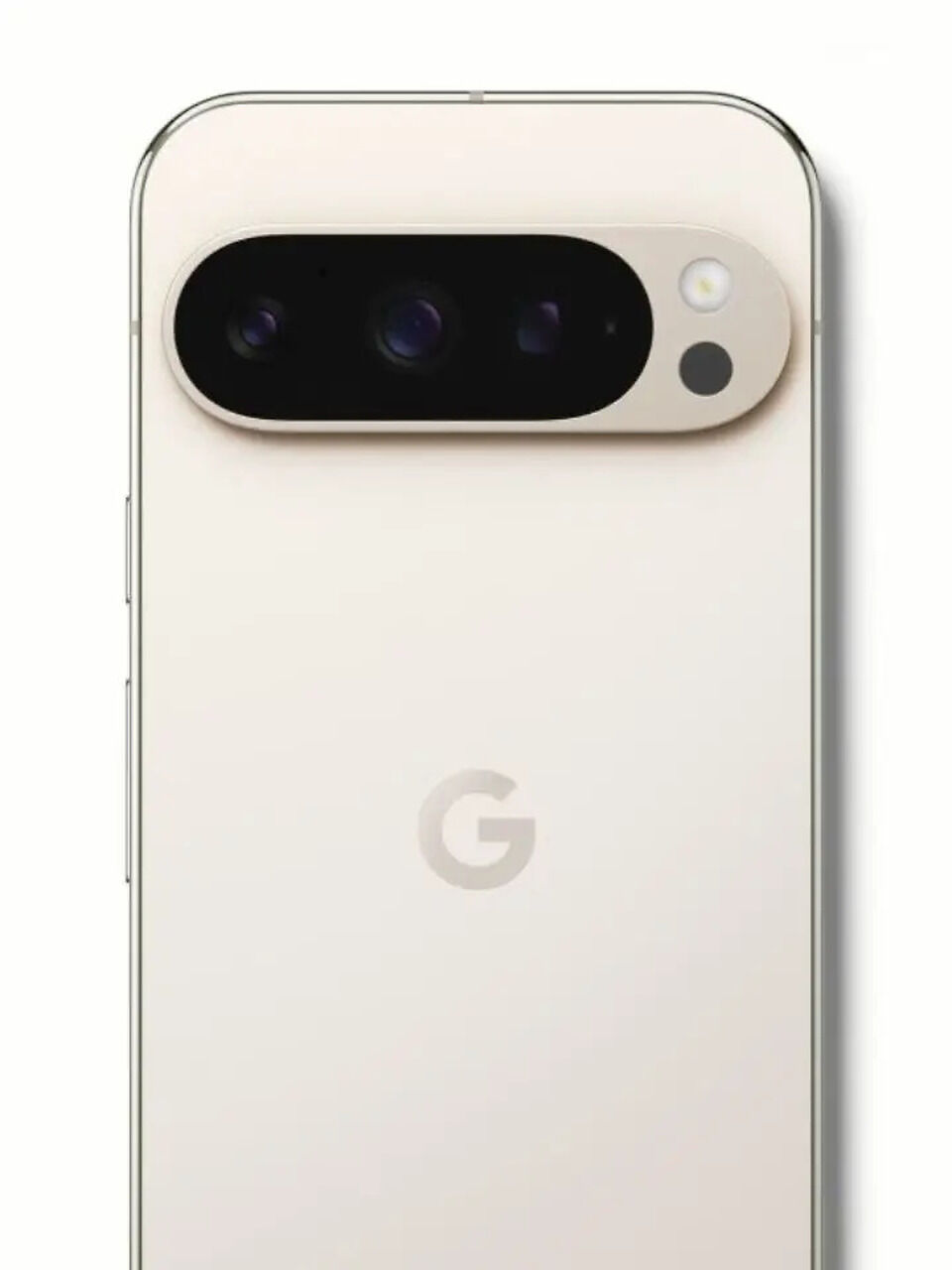
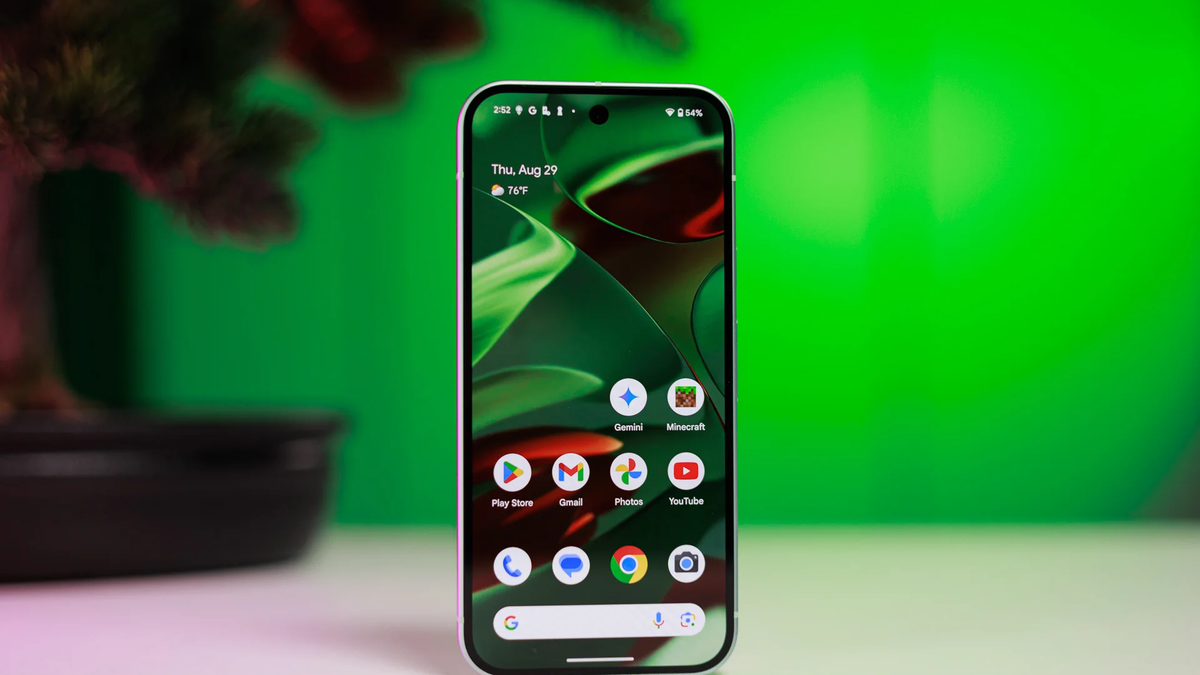
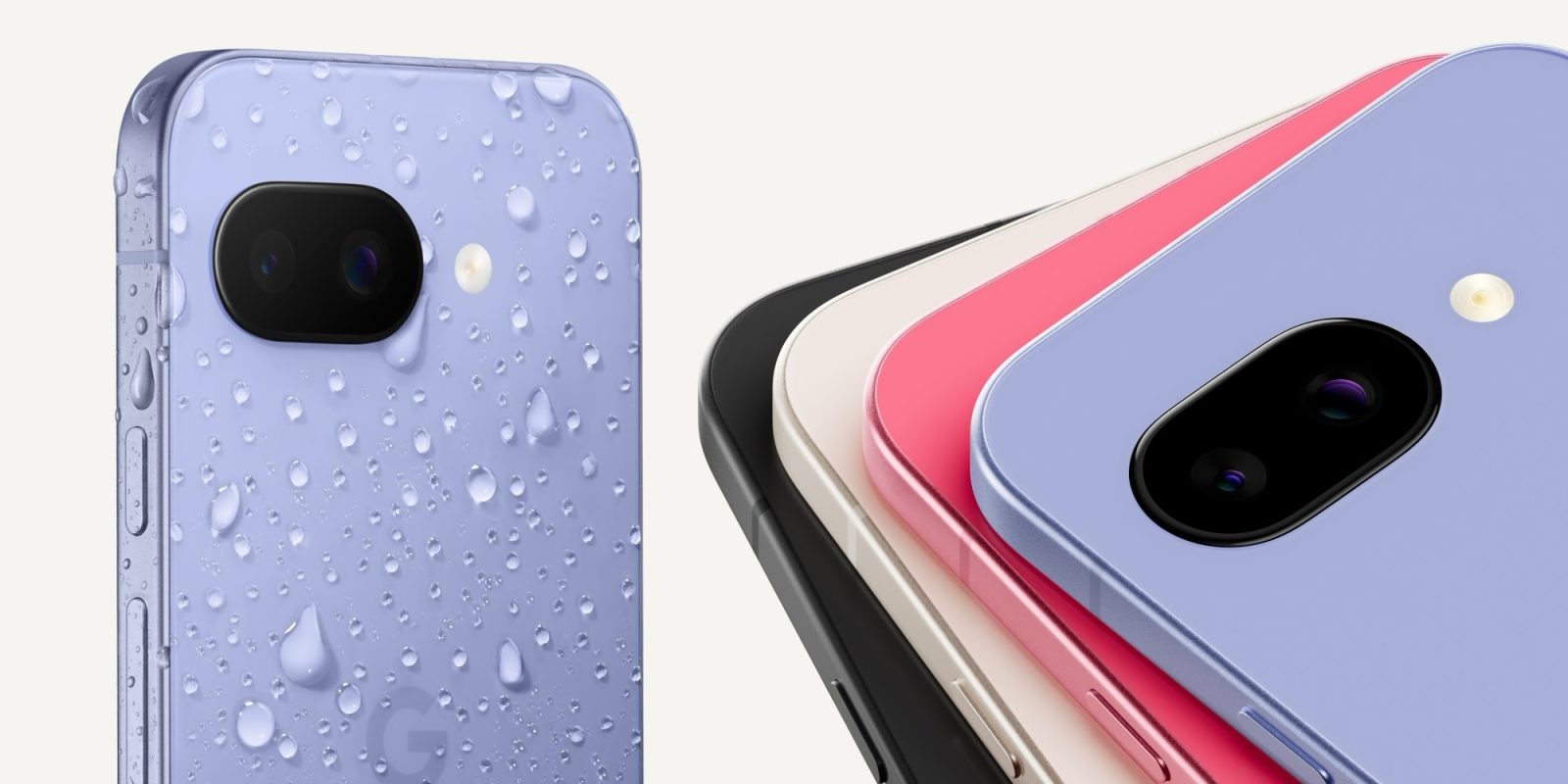
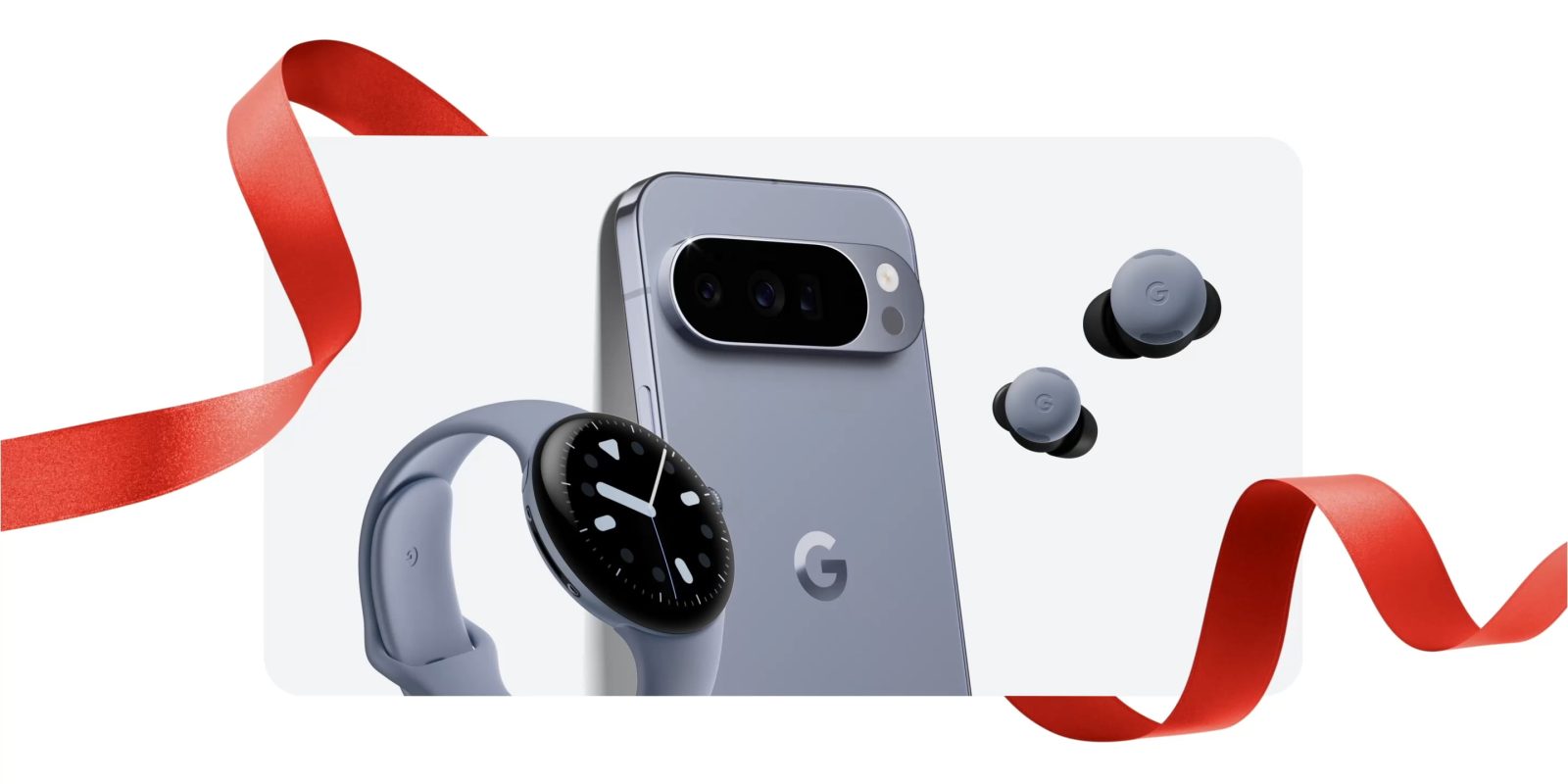
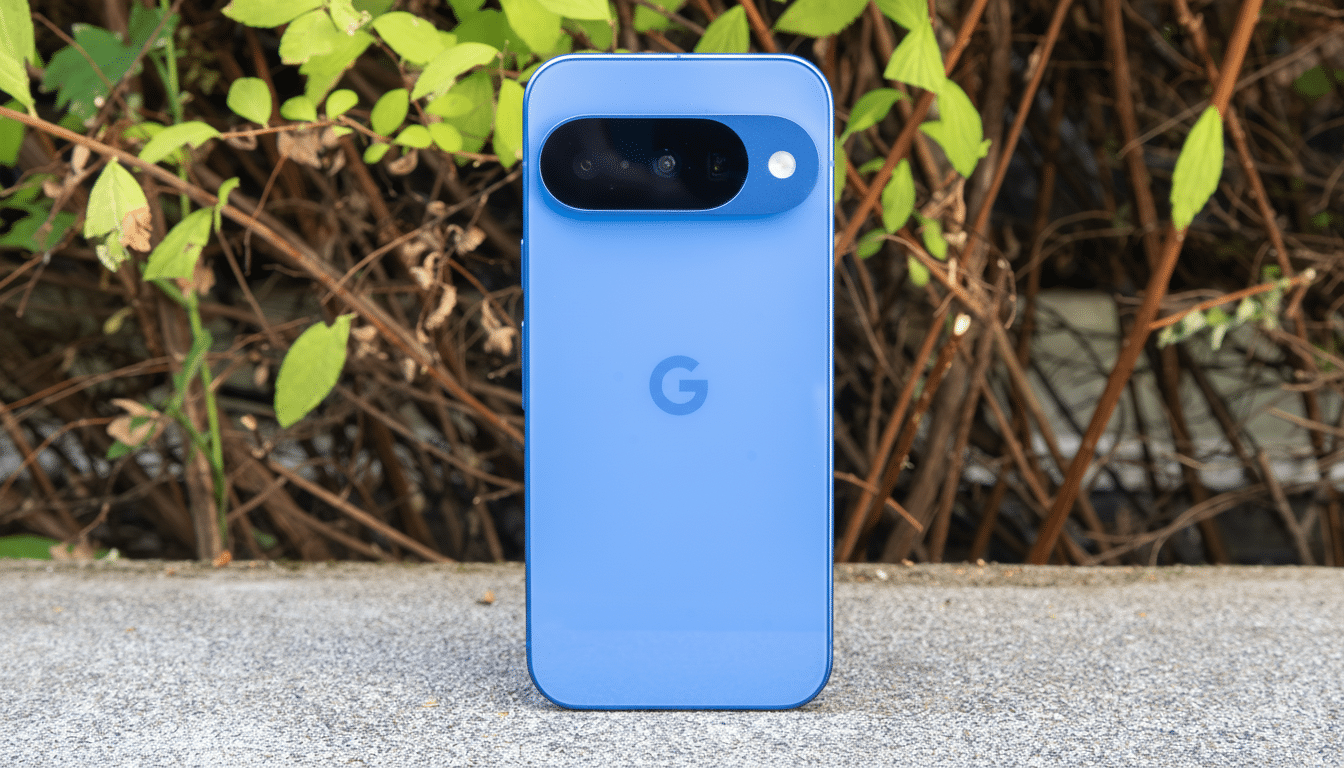
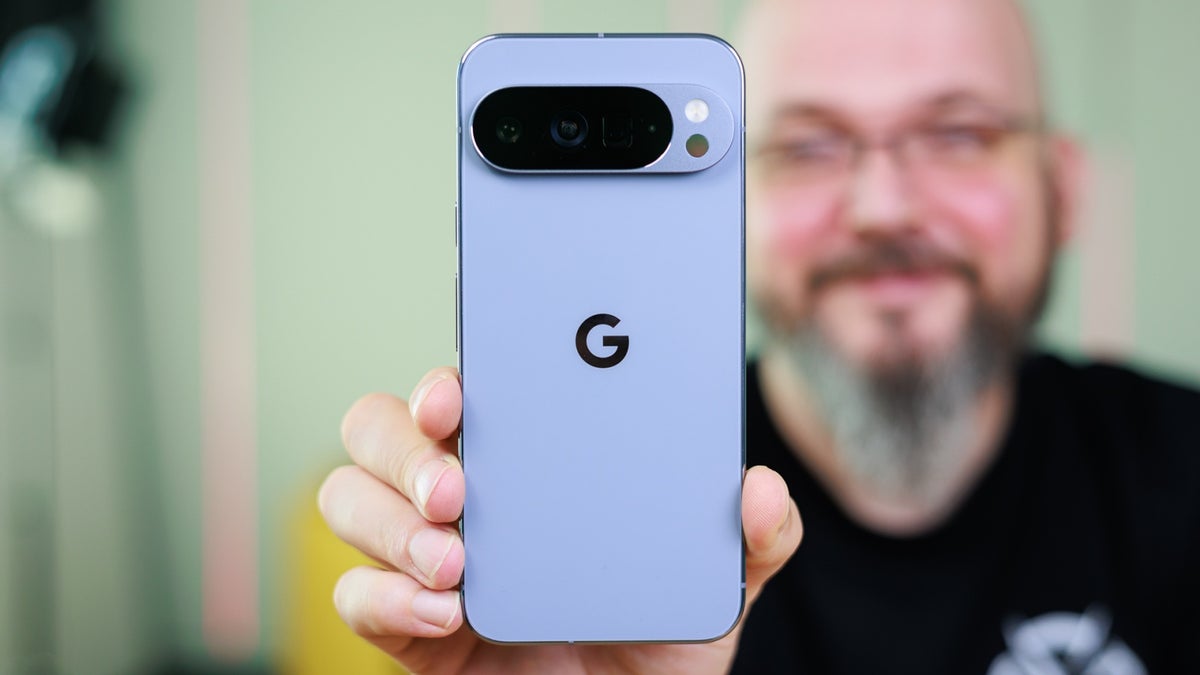
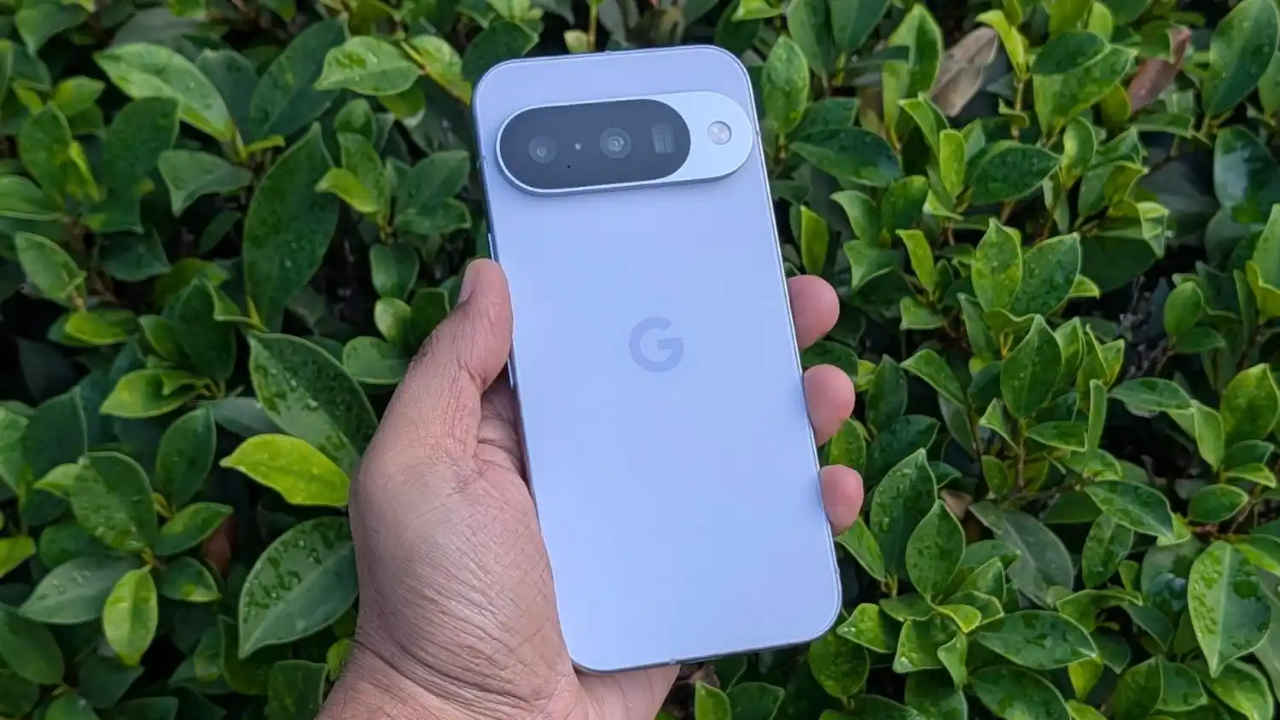
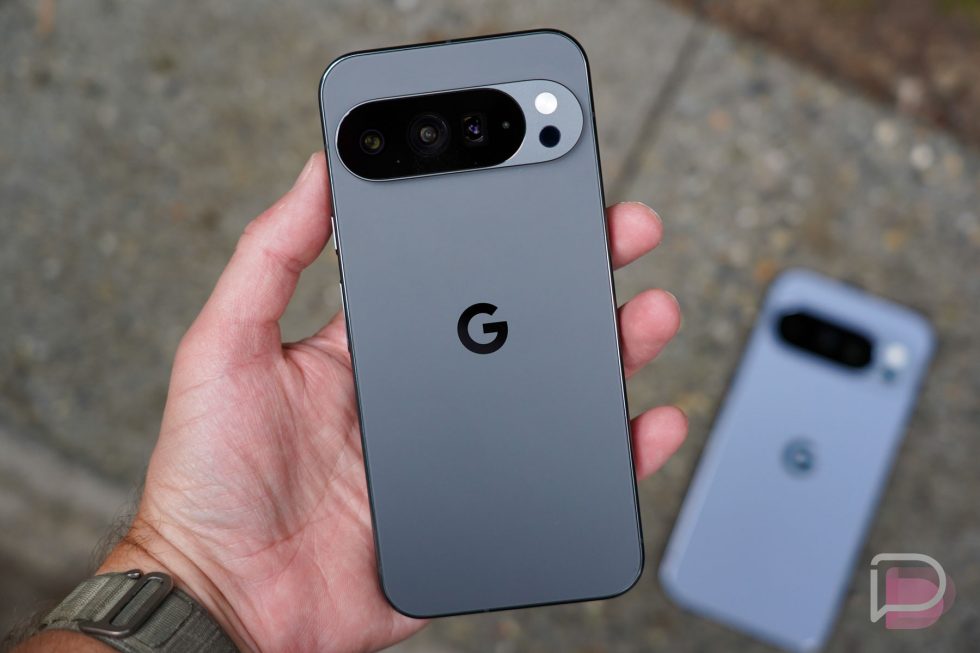
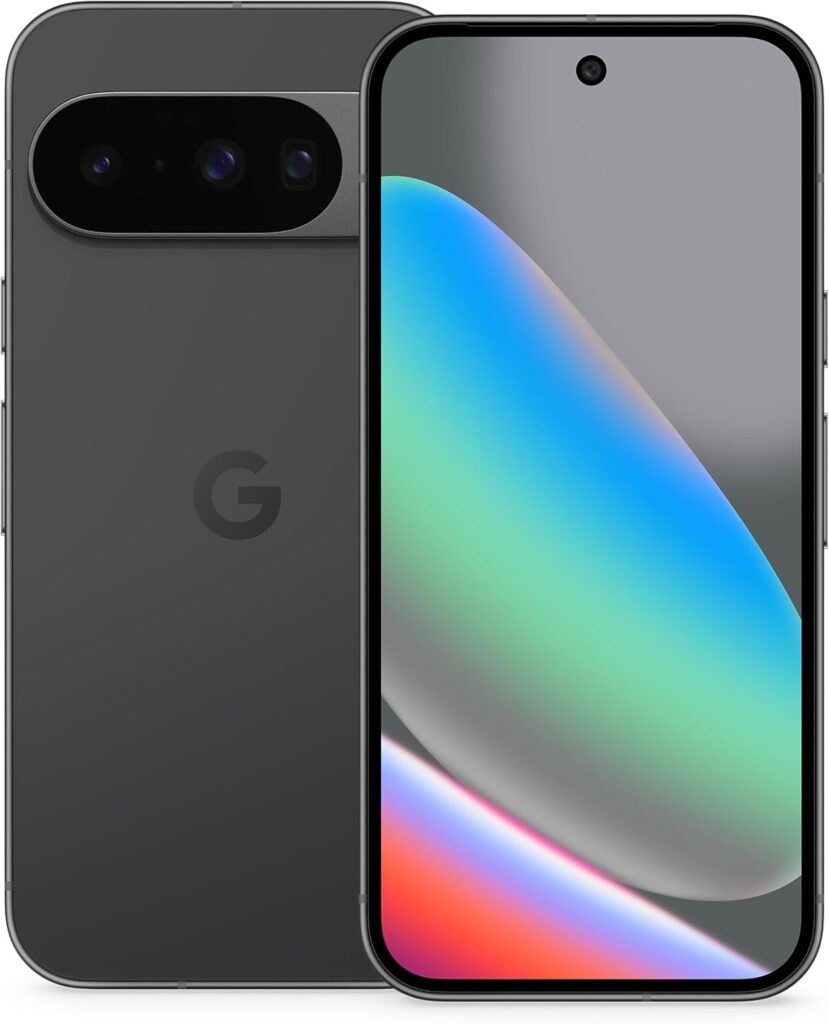
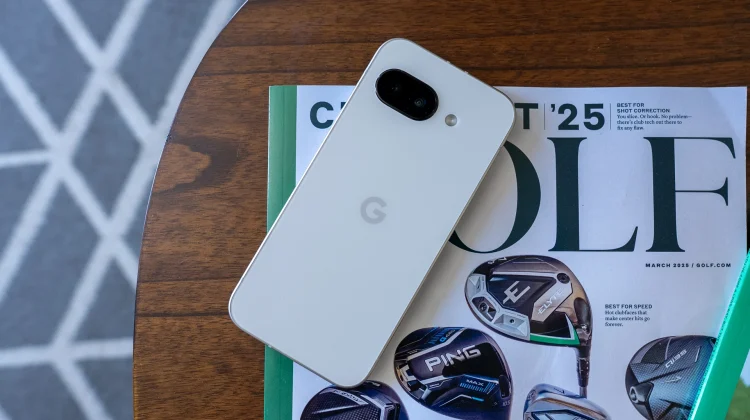
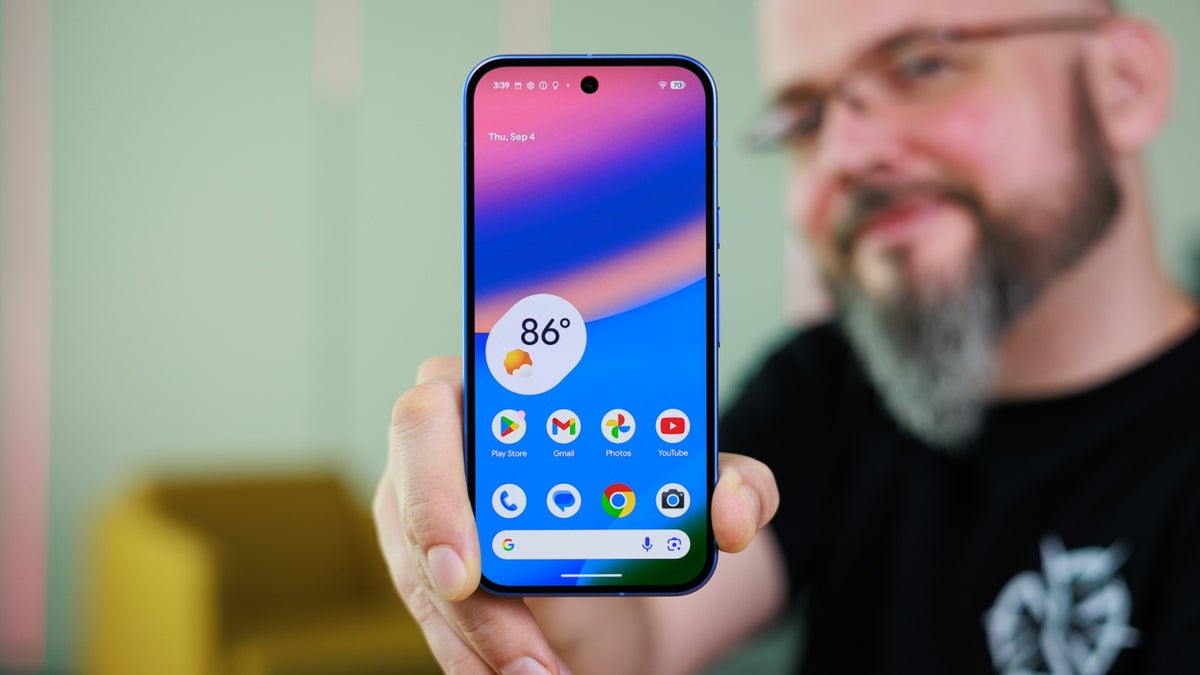
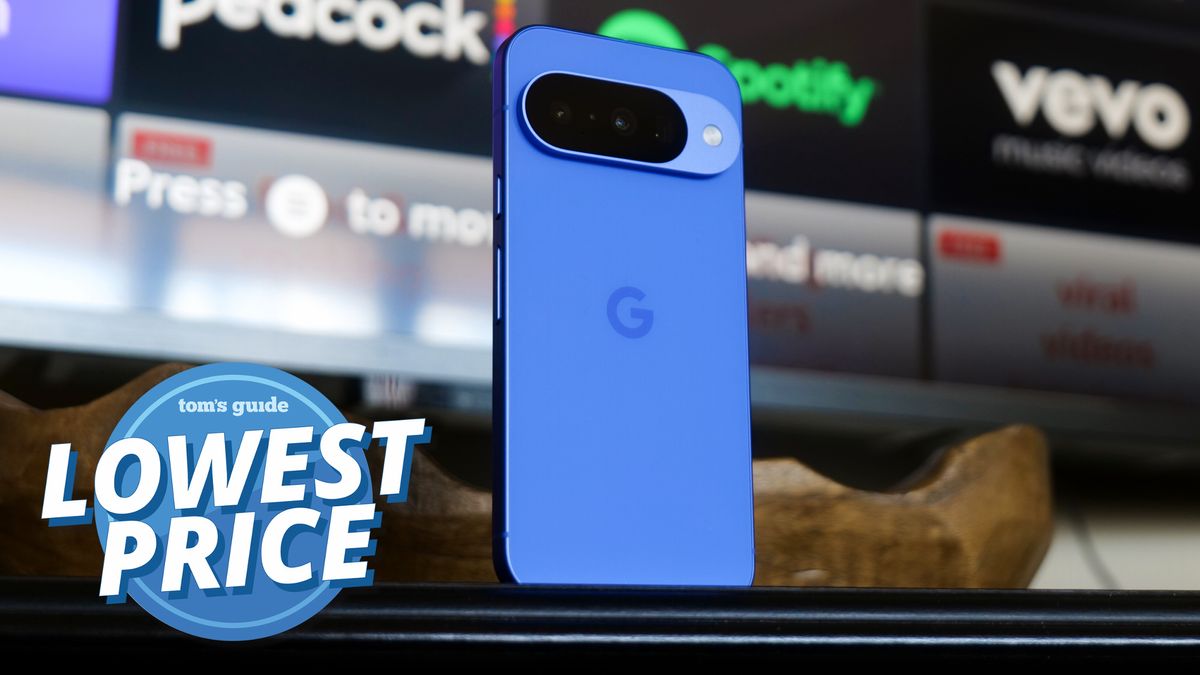
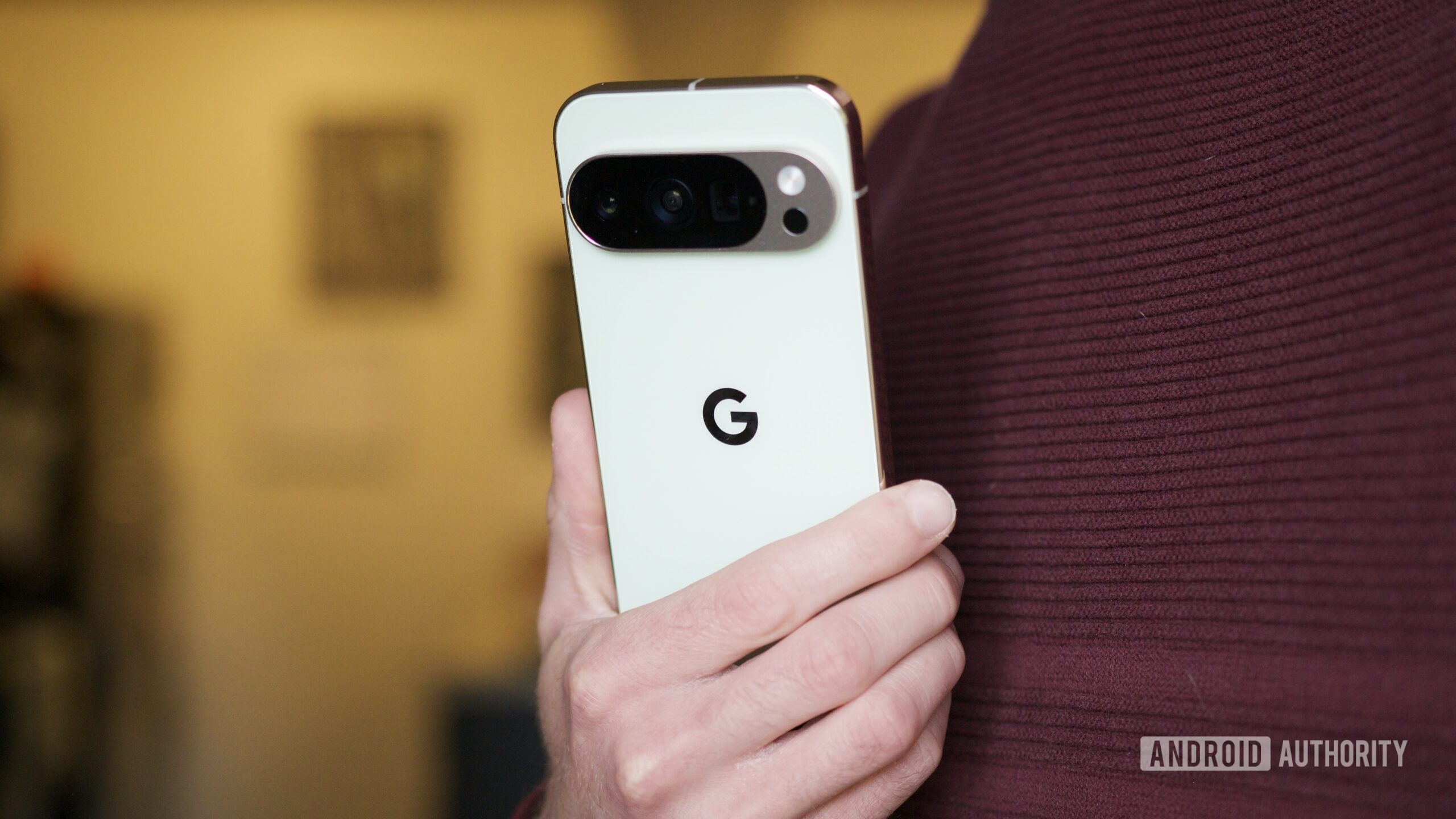
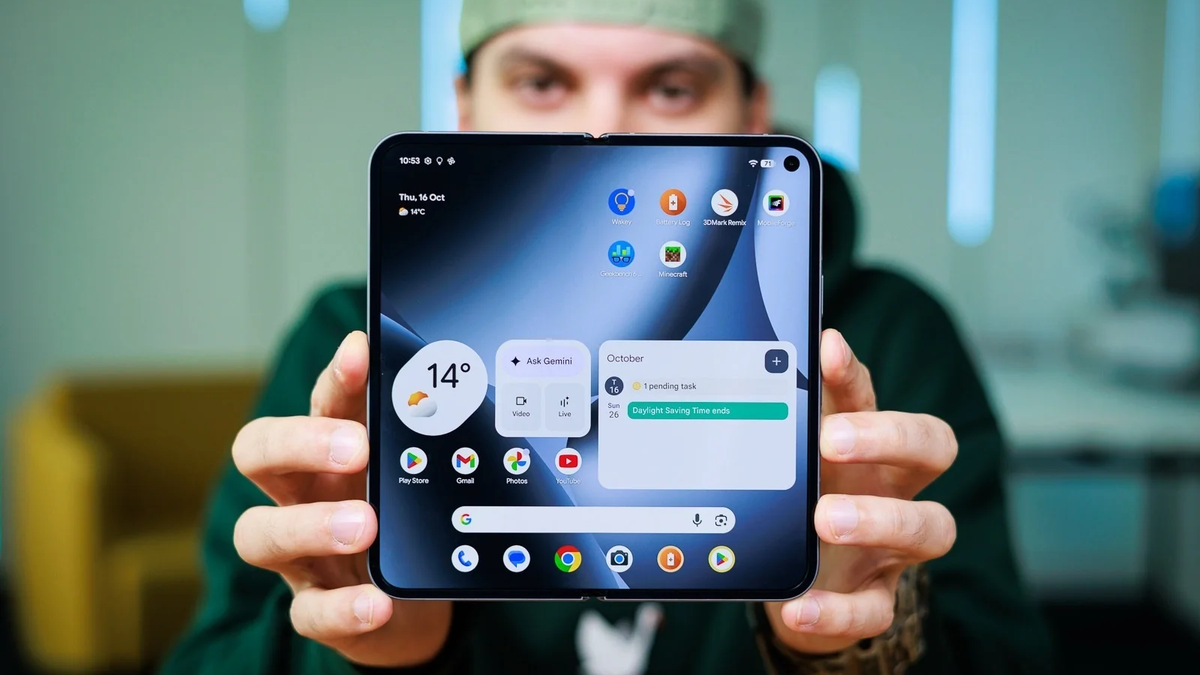
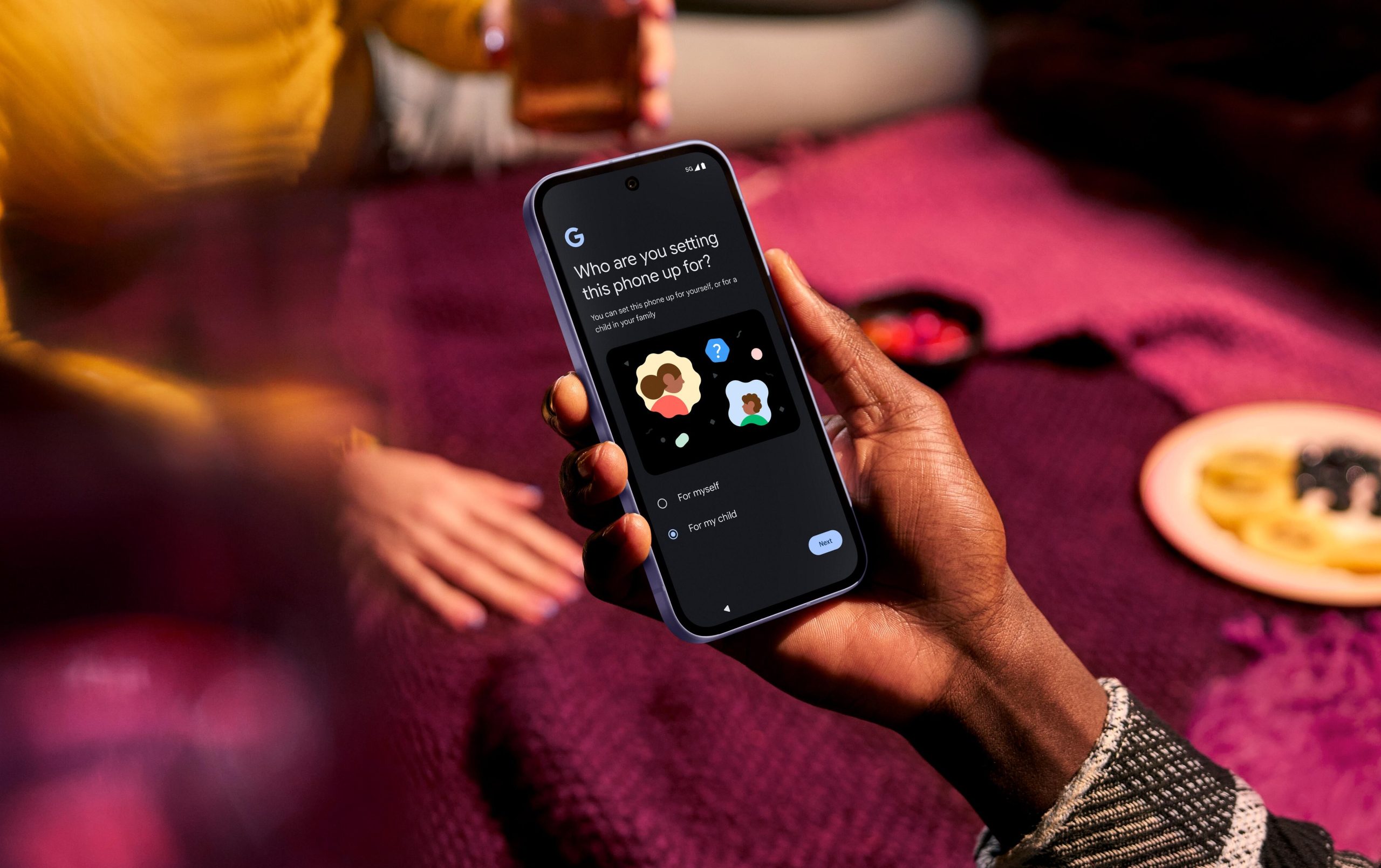
Simultaneously, the Google Pixel ecosystem demonstrates a calculated market strategy through its end-of-year sales approach. The Pixel 10 series discounts—ranging from $200 to $350 off—represent more than simple inventory clearance. These promotions reveal a sophisticated multi-channel pricing strategy that spans Google Store, Amazon, and Google Fi, creating a comprehensive ecosystem of consumer value. The coordinated discounts, particularly targeting the Pixel 10 Pro XL with its parent-friendly features, showcase a nuanced understanding of market segmentation and consumer psychology.
The underlying connection between these seemingly unrelated developments is the willingness to take calculated risks. Whether through experimental game design or aggressive pricing strategies, both Kojima Productions and Google are pushing boundaries of their respective domains. They demonstrate that innovation isn't just about technological capabilities, but about challenging established market expectations and creating new value propositions.
For industry observers, these trends signal a broader shift: successful technology and entertainment companies are increasingly defined by their ability to embrace uncertainty, communicate transparently, and create compelling narratives around their products. The future belongs to those who can transform potential risk into strategic opportunity.
Questions 3
How is Hideo Kojima's approach to game development unique?
Kojima demonstrates radical transparency by publicly acknowledging the experimental nature of his upcoming game OD, turning potential uncertainty into a compelling narrative strategy. By admitting he's unsure if the game's concept will work, he generates intrigue and positions himself as an innovative risk-taker in the gaming industry.
What makes Google's Pixel 10 series pricing strategy significant?
Google's coordinated discounts across multiple platforms (Google Store, Amazon, Google Fi) with significant price reductions ($200-$350 off) represent a sophisticated multi-channel marketing approach. The strategy goes beyond simple inventory clearance, demonstrating a nuanced understanding of market segmentation and consumer value perception.