



LNG Shipping Crisis Drives 5-15% Cost Surge | Urgent Sourcing Shifts for E-Commerce Sellers
- Qatar production halt triggers $200K/day tanker rates; Asia-Pacific sourcing faces compounded freight costs; energy-intensive product categories require immediate inventory repositioning












)
Overview
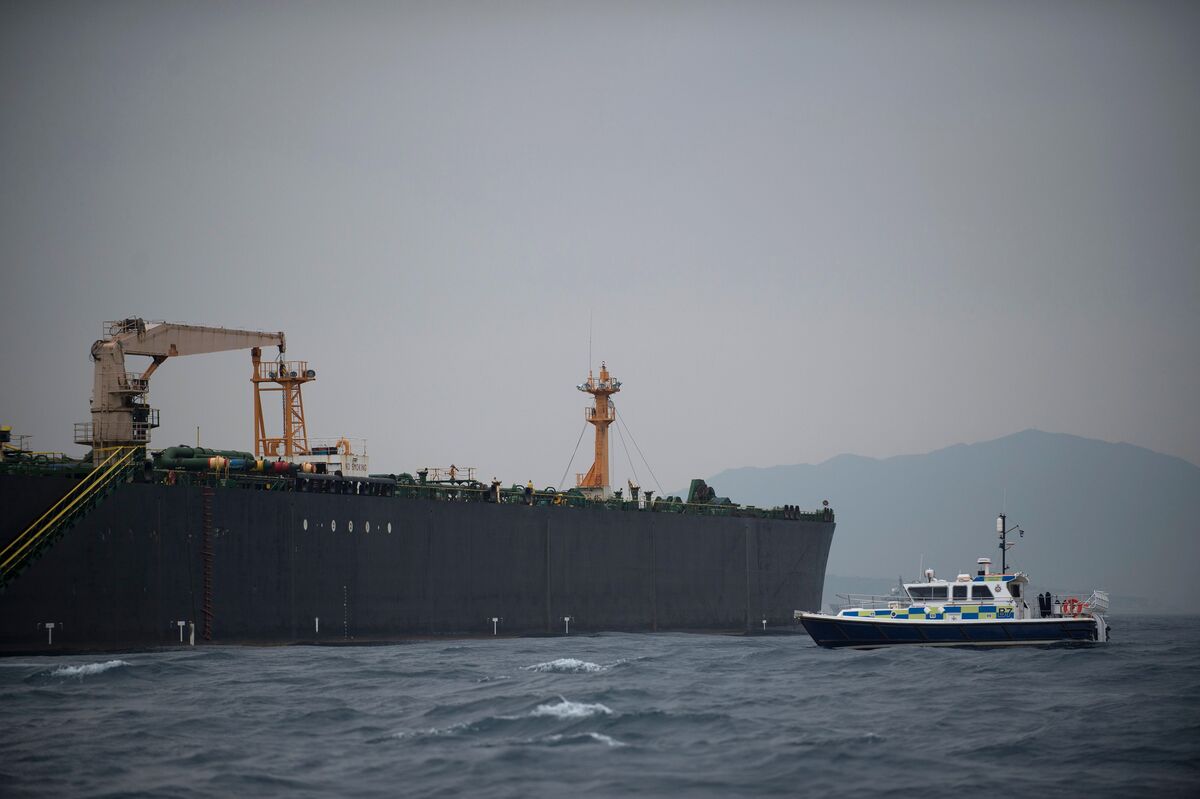
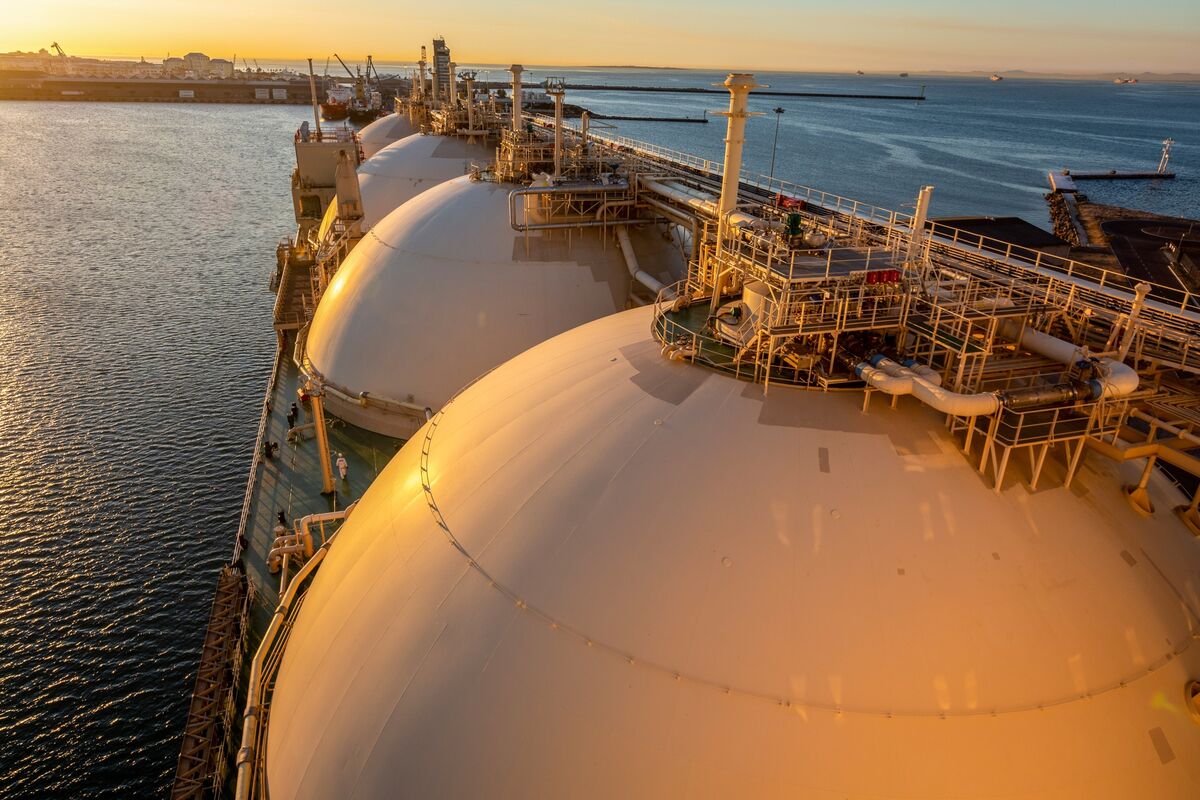
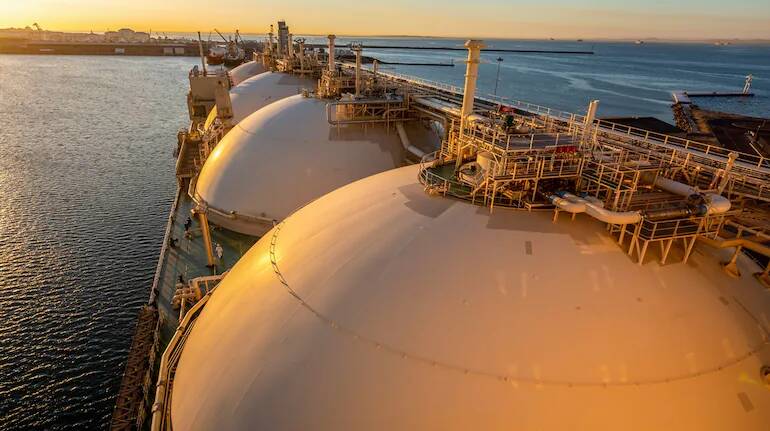
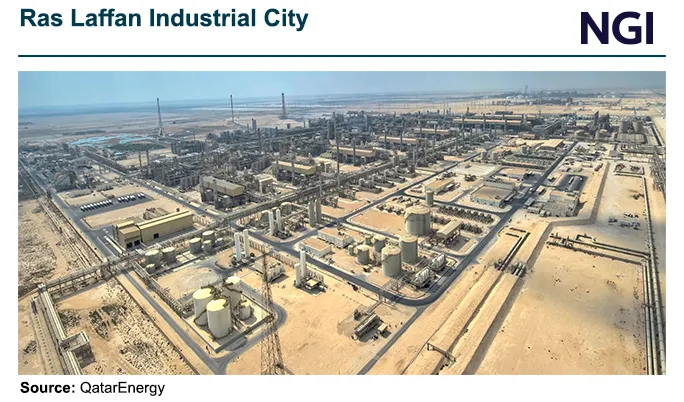
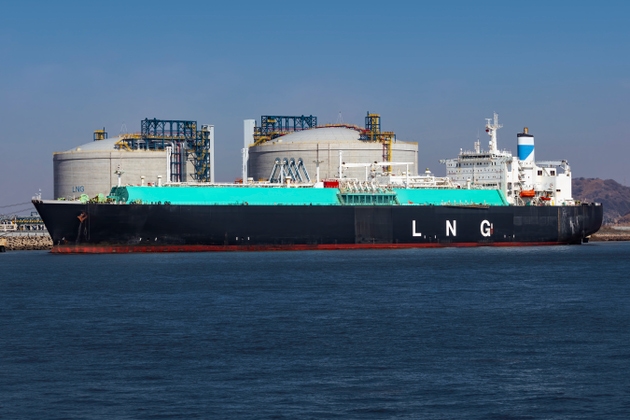
The LNG shipping crisis triggered by Qatar's production shutdown and Iran conflict escalation has created an unprecedented logistics cost shock for cross-border e-commerce sellers. On March 2, 2026, Atlantic Basin LNG tanker rates doubled to $200,000 per day—a critical benchmark indicating extreme market stress—driven by geopolitical disruption of global energy supply chains. While industry sources noted the lack of confirmed transactions at these peak prices, suggesting potential correction, the underlying supply-side disruption remains severe. For e-commerce sellers, this translates to 5-15% increases in product costs depending on supply chain positioning, with Asia-Pacific sourcing regions facing the most acute pressure.
Energy-intensive product categories face immediate cost compression. Sellers importing electronics, appliances, machinery, chemicals, and temperature-controlled goods from Asia-Pacific regions are experiencing compounded freight pressures. Manufacturing hubs in China, Vietnam, Thailand, and India rely heavily on LNG-powered production and logistics infrastructure. The $200,000/day tanker rate spike cascades through supply chains: increased energy costs for manufacturers, elevated port handling fees, and premium freight rates for available vessel capacity. Sellers in these categories should expect 8-12% margin compression on existing inventory and 10-15% cost increases on new orders placed during this disruption window.
Strategic inventory repositioning is critical within the next 30-60 days. Sellers should immediately audit inventory by energy-intensity: high-priority categories (electronics, appliances, machinery, chemicals) require accelerated liquidation or price increases to offset freight cost absorption. Simultaneously, shift sourcing to less energy-dependent regions: Mexico for electronics components (nearshoring advantage), India for textiles (lower energy intensity), and Eastern Europe for machinery. For Asia-Pacific sourcing that cannot be shifted, negotiate fixed-rate freight contracts immediately before rates stabilize at elevated levels. Warehouse positioning should prioritize US East Coast ports (Charleston, Savannah) over West Coast to avoid longer Asia-Pacific routing, and consider 3PL consolidation to reduce per-unit shipping costs by 8-12%.
Monitor Iran sanctions escalation and Qatar production timeline as leading indicators. Supply chain diversification becomes essential: identify alternative LNG suppliers (Australia, US Gulf Coast) and evaluate nearshoring opportunities. Sellers should implement dynamic pricing strategies to pass through freight cost increases before margin compression becomes unsustainable. The concentration of LNG production in specific regions creates systemic risk; this event demonstrates how energy market volatility directly impacts e-commerce operational costs across multiple product categories.
Questions 8
How long will elevated LNG shipping rates persist?
Industry sources indicate potential price correction as markets stabilize, but elevated rates will likely persist 60-90 days minimum. The underlying supply disruption—Qatar's production shutdown due to Iran conflict escalation—creates structural supply constraints until geopolitical tensions resolve or alternative LNG capacity comes online. Monitor three leading indicators: (1) Iran sanctions escalation (increases disruption duration), (2) Qatar production timeline (determines supply recovery), (3) Alternative LNG sourcing (Australia, US Gulf Coast capacity). Historical precedent: 2022 energy crisis saw elevated shipping rates persist 120+ days. Conservative planning: assume elevated rates through Q2 2026, with potential stabilization in Q3 if geopolitical tensions ease.
What inventory actions should I take in the next 30 days?
Execute three concurrent actions: (1) Liquidate high-energy-intensity inventory (electronics, appliances) at current pricing before freight cost increases force margin compression—target 40-60% of stock within 30 days; (2) Redistribute inventory from West Coast ports (longer Asia-Pacific routing) to East Coast fulfillment centers (Charleston, Savannah) to reduce per-unit shipping costs by 8-12%; (3) Pause new orders from Asia-Pacific suppliers until freight rates stabilize, or negotiate fixed-rate contracts at current spot rates. For unavoidable restocking, prioritize nearshoring (Mexico, India) and lower-energy-intensity categories. Implement dynamic pricing: increase product prices 5-8% to offset freight cost absorption before margin compression becomes unsustainable.