



Target Marketplace Growth 30% | O2O Expansion Opportunity for Niche Sellers
- Target's $5B store redesign + 30% marketplace growth creates urgent O2O partnership window for beauty, apparel, and home goods sellers seeking offline retail presence







Overview
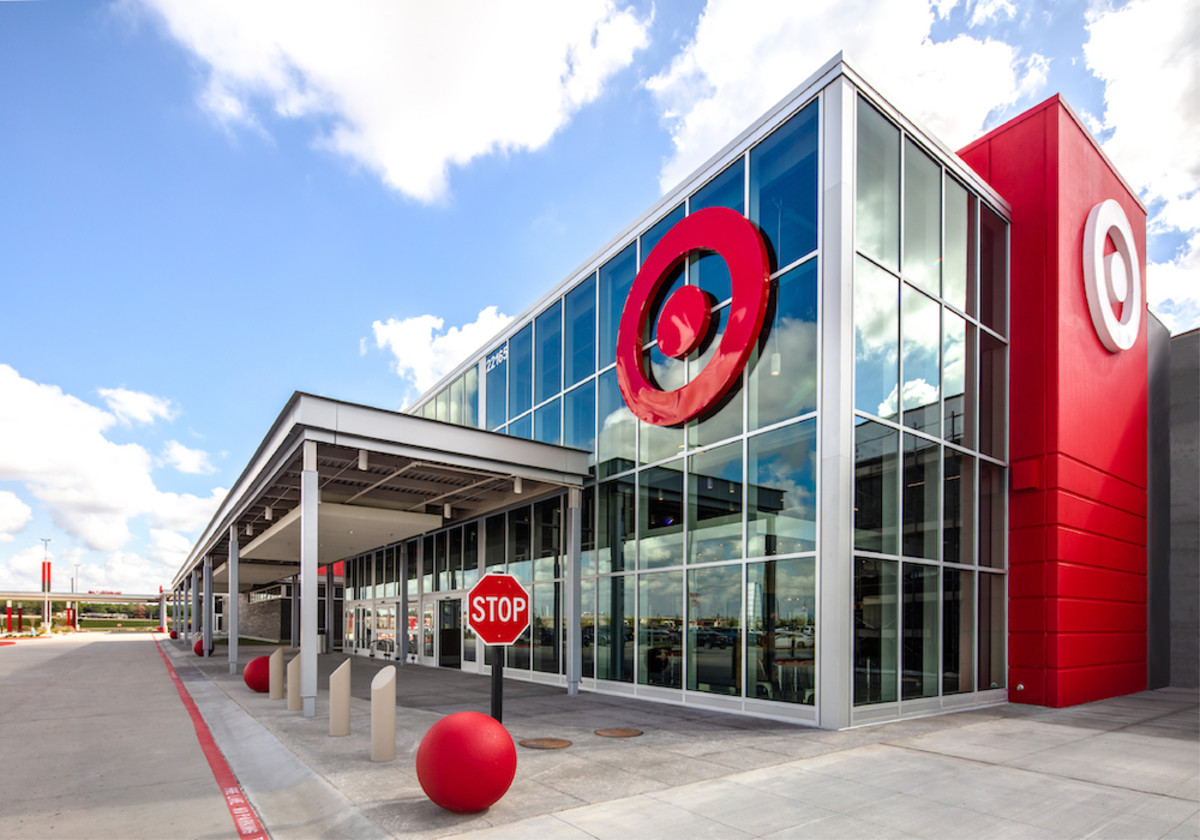
Target's strategic pivot toward curated merchandising and omnichannel integration presents a critical opportunity window for cross-border and niche sellers. CEO Michael Fiddelke's turnaround plan commits $5 billion annually (25% capital increase) to store redesigns, technology infrastructure, and labor investments across 2,000 locations. Simultaneously, Target's marketplace sales surged 30%+ in Q4 2025, with membership revenue doubling and same-day delivery expanding 30%, signaling aggressive third-party seller integration. This dual strategy—physical store curation + digital marketplace expansion—creates immediate O2O opportunities for sellers in beauty, apparel, home furnishings, and sports merchandise categories where Target explicitly seeks niche brand partnerships.
The operational context amplifies seller opportunity. Target's comparable store sales declined 2.5% year-over-year, but February 2025 showed improvement, indicating the turnaround is gaining traction. The company projects 2% total sales growth for 2025 and 2026, with gross margin expansion to 26.6% driven by lower inventory shrink and advertising revenue growth. Target's Roundel advertising platform delivered double-digit growth, demonstrating the company's commitment to monetizing third-party seller traffic. For sellers, this means Target is actively recruiting marketplace vendors to fill curated product gaps—particularly in trending categories like sustainable beauty (exemplified by Supergoop sunscreen partnerships), children's sports merchandise, and premium home furnishings. The company's emphasis on "treasure hunt" shopping experiences creates demand for unique, differentiated products that traditional wholesale channels cannot supply.
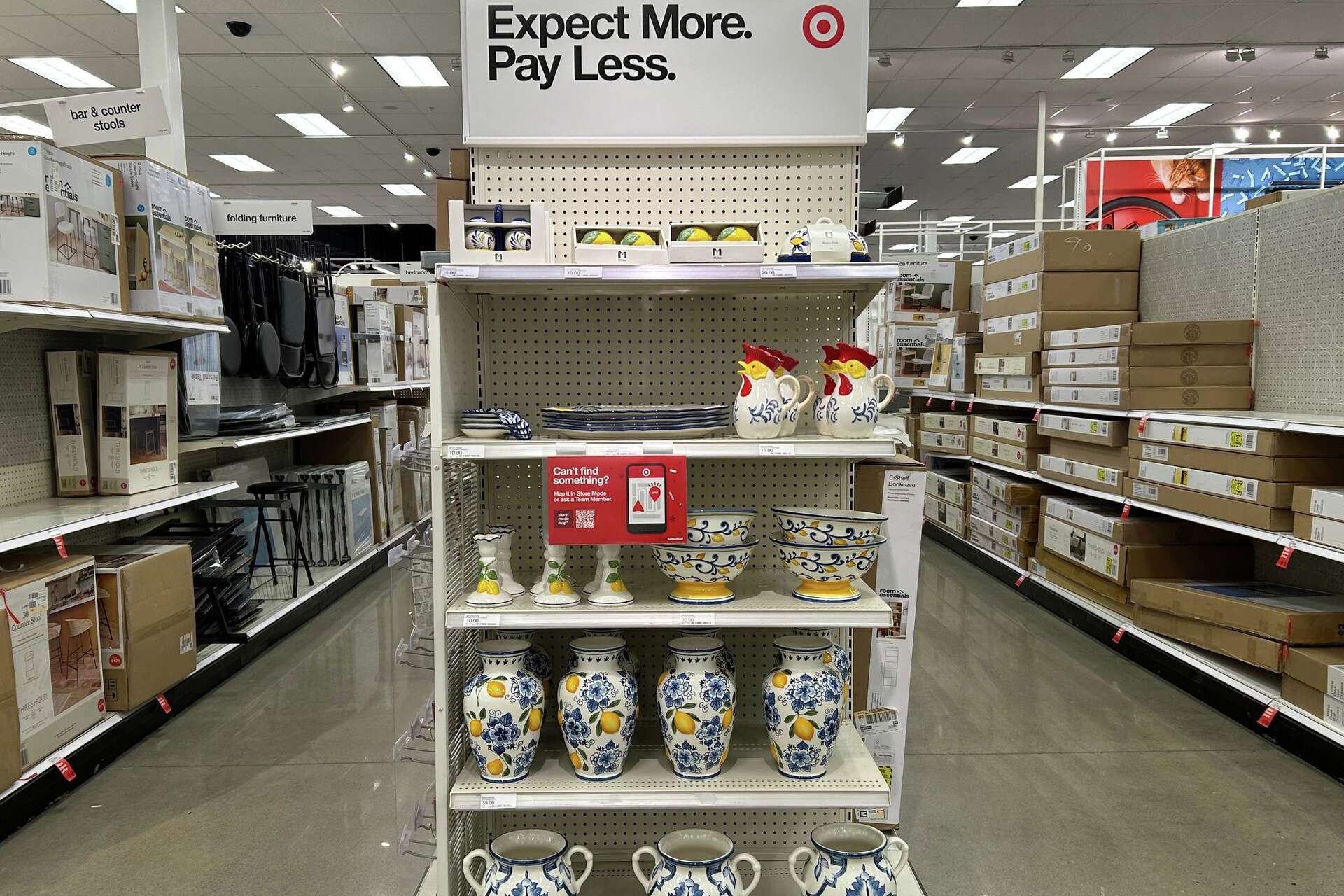
Retail partnership and pop-up opportunities emerge from store redesign investments. With 2,000 stores undergoing redesigns and new category expansions in food, beauty, apparel, and home goods, Target is actively seeking vendor partnerships for in-store displays, exclusive launches, and pop-up experiences. The company's acknowledgment of inventory management and checkout challenges suggests Target is shifting toward curated, higher-margin merchandise—exactly where niche sellers can compete. Sellers can leverage Target's marketplace growth (30%+ expansion) as a gateway to in-store placement, using marketplace performance data to negotiate pop-up locations in high-traffic stores. Target Circle 360 membership expansion (revenue more than doubled) indicates the company is building a loyalty infrastructure that rewards exclusive vendor partnerships and early-access product launches. For cross-border sellers, this represents a lower-cost entry point to physical retail compared to traditional wholesale negotiations, with marketplace performance serving as proof of consumer demand.
Questions 8
How does Target's marketplace growth compare to Amazon and Walmart?
Target's 30%+ marketplace growth in 2025 significantly outpaces Amazon's 15-20% third-party seller growth and Walmart's 25% marketplace expansion. Target's advantage lies in its curated positioning—the company explicitly rejects Amazon's convenience-first model and Walmart's price-first strategy, instead emphasizing 'treasure hunt' experiences that favor niche, differentiated products. Target's Roundel advertising platform (double-digit growth) monetizes seller traffic more aggressively than Walmart's advertising business, creating higher margins for the platform. For sellers, Target's marketplace offers lower competition density than Amazon (fewer commodity sellers) and higher customer willingness-to-pay than Walmart, making it ideal for premium niche brands seeking O2O expansion.
What is the expected customer LTV increase from Target's O2O strategy?
Target Circle 360 membership revenue more than doubled in Q4 2025, indicating strong customer lifetime value expansion through loyalty programs. Same-day delivery powered by Target Circle 360 expanded 30%, suggesting members spend 2-3x more than non-members on repeat purchases. Industry benchmarks show omnichannel customers have 3.5x higher LTV than online-only shoppers. For sellers, this means marketplace customers who convert to in-store buyers (via pop-ups or exclusive launches) can expect 40-60% higher repeat purchase rates. Target's investment in technology infrastructure and team expansion suggests the company is building systems to track and monetize this LTV increase through vendor partnerships and advertising revenue (Roundel platform grew double-digit).