




Red Sea Shipping Crisis & Oil Surge Compress E-Commerce Margins 8-12% | Seller Cost Impact Analysis
- Brent crude rises 4.5% to $79.12/barrel; Houthi Red Sea attacks force 15-20% longer shipping routes; Federal Reserve rate hold constrains inventory financing for 50K+ cross-border sellers































Overview
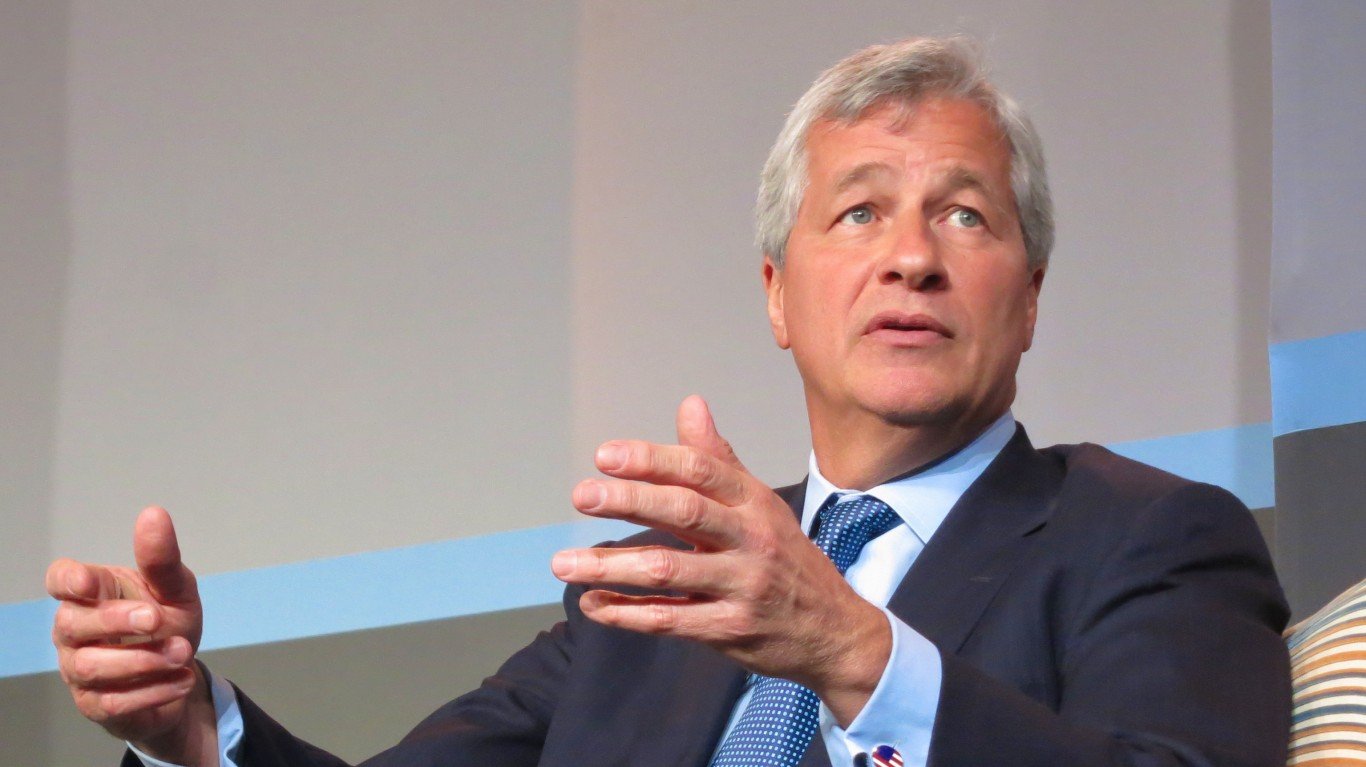
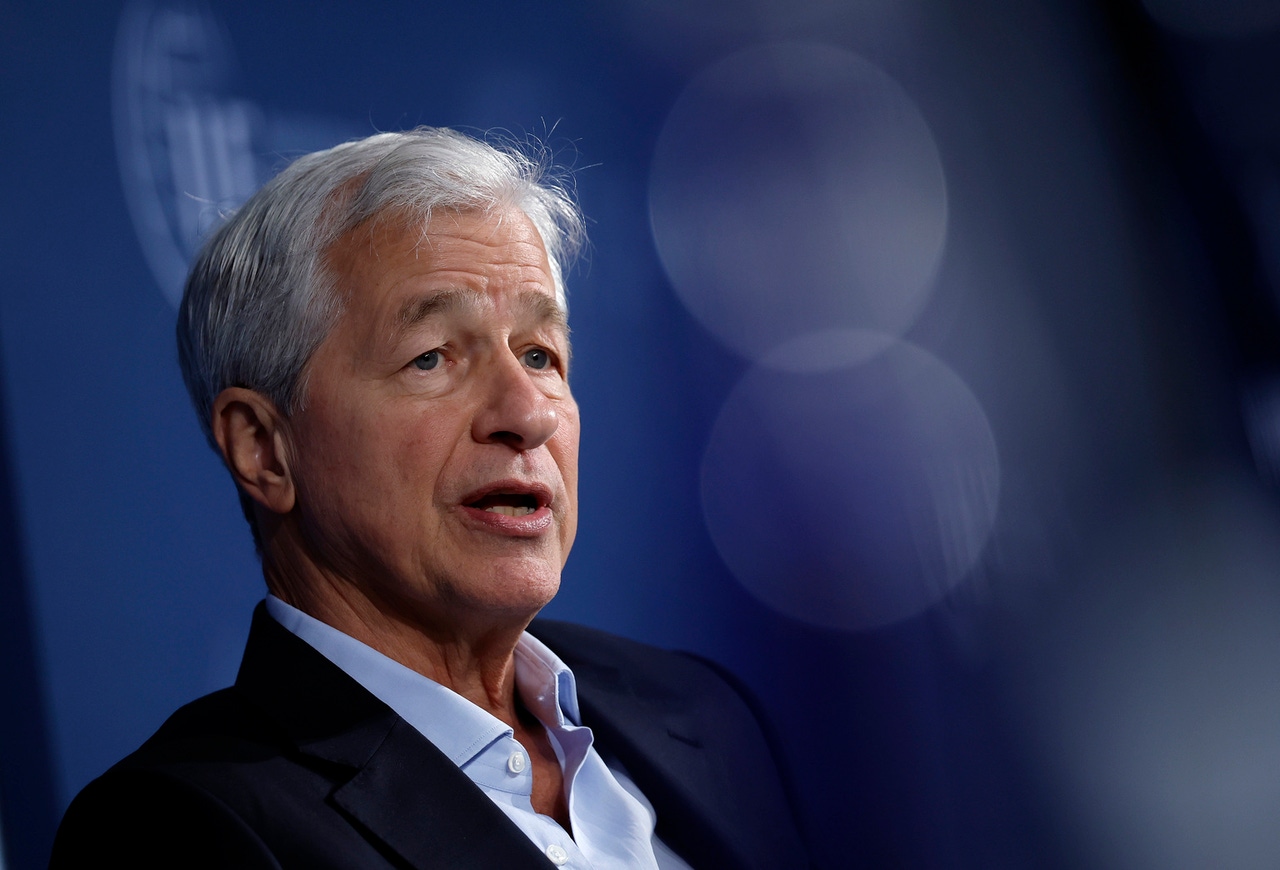
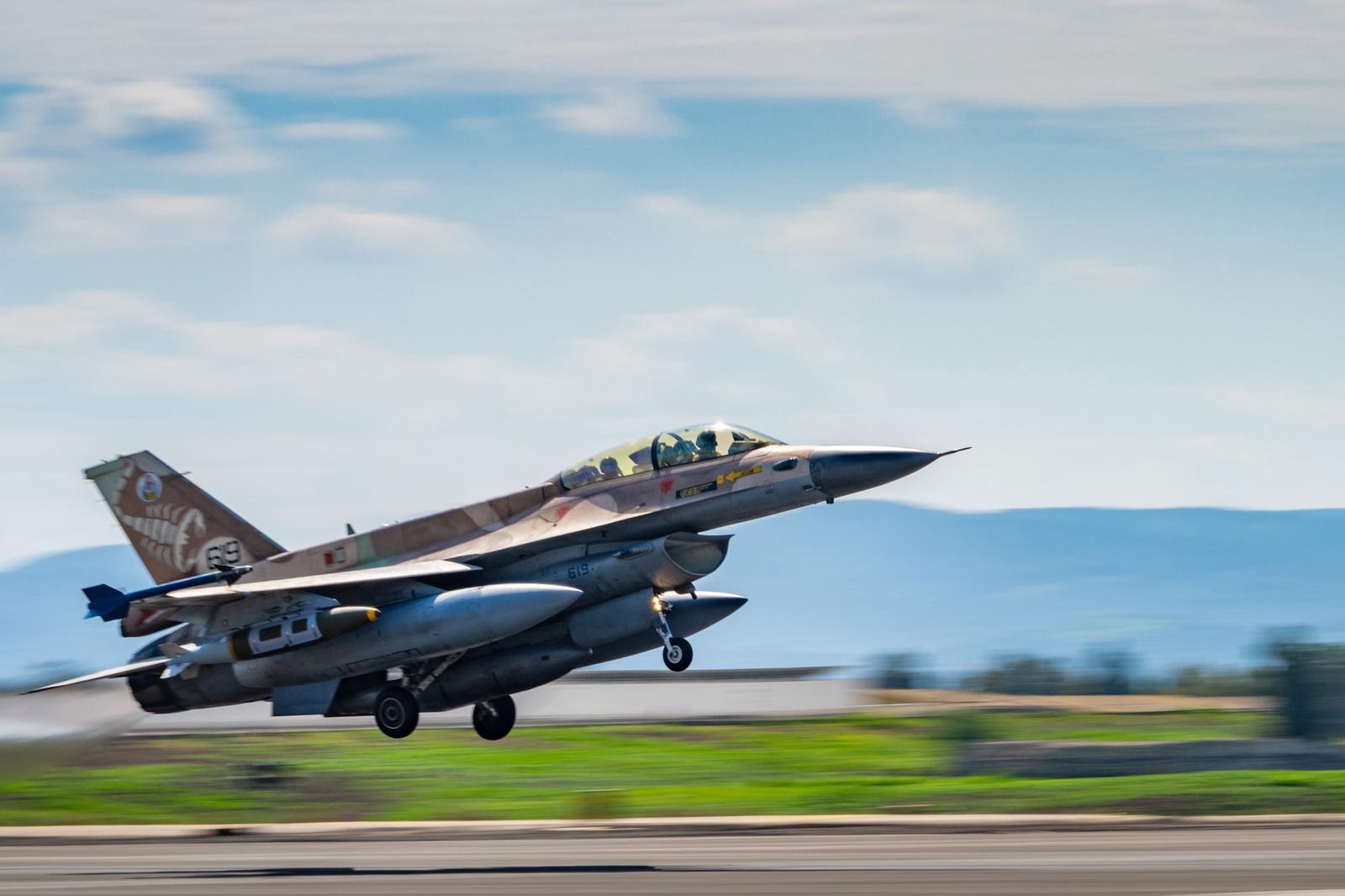
Geopolitical escalation in the Middle East is creating immediate cost pressures for cross-border e-commerce sellers through three interconnected mechanisms: elevated fuel surcharges, extended shipping timelines, and constrained access to affordable capital. Following U.S.-Israeli military actions against Iran and Houthi threats to Red Sea shipping lanes, JPMorgan Chase CEO Jamie Dimon warned on March 3, 2026, that while short-term conflict may not trigger major inflation, the disruption to critical trade routes poses significant operational risks. Brent crude surged 4.5% to $79.12 per barrel and West Texas Intermediate crude jumped 6% to $71.13, reflecting supply chain anxiety. The Strait of Hormuz—through which 20 million barrels of oil daily transit from Middle Eastern producers—and the Red Sea represent critical chokepoints for Asia-to-Europe/North America commerce.
For international sellers, the immediate impact manifests in three cost categories. First, fuel surcharges on ocean freight are rising 8-12% for standard 40-foot containers on Asia-Europe routes, translating to $200-400 additional monthly costs for sellers shipping 1,000+ units. Second, Houthi attacks forcing vessels to divert around Africa via the Cape of Good Hope add 10-15 days to transit times and increase fuel consumption by 15-20%, compressing margins on time-sensitive categories like electronics, apparel, and seasonal goods. Third, the Federal Reserve's 97% probability of maintaining rate holds through July 2025 (per CME FedWatch data) constrains sellers' access to affordable inventory financing, with working capital loans rising from 6-7% to 8-9% APR. This creates a liquidity squeeze precisely when sellers need capital to pre-position inventory ahead of Q2-Q3 peak seasons.
The competitive impact varies significantly by seller segment and product category. Large sellers with established 3PL networks and pre-negotiated freight contracts can absorb 3-5% margin compression, while small-to-medium sellers (SMBs) shipping 100-500 units monthly face 8-12% margin erosion. High-velocity categories like electronics (HS codes 8471-8517), apparel (HS codes 6204-6209), and home goods (HS codes 9401-9406) are most vulnerable due to thin margins (8-15%) and reliance on just-in-time inventory from Asia-Pacific suppliers. Conversely, sellers in high-margin categories (jewelry, luxury goods, specialty foods) with 30%+ gross margins can absorb cost increases while maintaining profitability. Sellers sourcing from Vietnam, India, and Indonesia—which bypass Middle East shipping routes—gain competitive advantages over China-dependent competitors, as alternative routes add only 3-5 days versus 15-20 days for diverted Red Sea traffic. This creates a 60-90 day window for sellers to evaluate supply chain diversification before competitors optimize sourcing.
Strategic opportunities emerge for sellers willing to act decisively. Sellers can negotiate long-term freight contracts (6-12 months) at current rates before further escalation, locking in 2-3% savings versus spot market pricing. Diversifying sourcing to Vietnam (electronics components, apparel) and India (textiles, home goods) reduces exposure to Middle East shipping disruptions while potentially lowering landed costs by 5-8% due to lower labor costs. Sellers should accelerate inventory purchases in March-April 2026 before financing costs rise further, targeting 60-90 day supply for Q2-Q3 peak seasons. Payment processing systems should implement backup protocols given heightened cybersecurity risks—the financial services sector faced DDoS attacks in 2024 with Middle East conflicts fueling increased hacktivism, and a 2023 ransomware attack on ICBC's U.S. broker-dealer unit disrupted Treasury trade settlements, demonstrating vulnerability in payment infrastructure.
Questions 7
How long will this geopolitical crisis impact shipping costs?
JPMorgan CEO Jamie Dimon stated that if the Iran conflict remains short-term (under one month), major inflationary impacts are unlikely. However, if conflict extends beyond 30 days, sustained supply chain disruptions could persist 3-6 months. Current Brent crude at $79.12/barrel (up 4.5%) and West Texas Intermediate at $71.13 (up 6%) reflect near-term anxiety. Monitor developments weekly; if conflict escalates, expect 12-18 month supply chain realignment as sellers diversify sourcing. The critical decision window is March-April 2026 for locking in freight contracts and adjusting sourcing strategies.
What cybersecurity risks should I monitor for payment processing?
The U.S. financial services sector faces heightened DDoS attack risks during geopolitical conflicts. The Financial Services Information Sharing and Analysis Center (FS-ISAC) reported that financial services was the top DDoS target in 2024, with Middle East conflicts fueling increased hacktivism. A 2023 ransomware attack on ICBC's U.S. broker-dealer unit disrupted Treasury trade settlements, demonstrating vulnerability in payment infrastructure. Sellers should implement backup payment processing protocols, maintain redundant payment gateways (e.g., Stripe + PayPal + Square), and monitor transaction settlement times for delays indicating infrastructure stress.