




Southeastern Asian Geopolitical Tensions Threaten Regional Stability and Cross-Border Dynamics
- Emerging border conflict signals deeper strategic realignment in Southeast Asian geopolitical landscape




























Overview
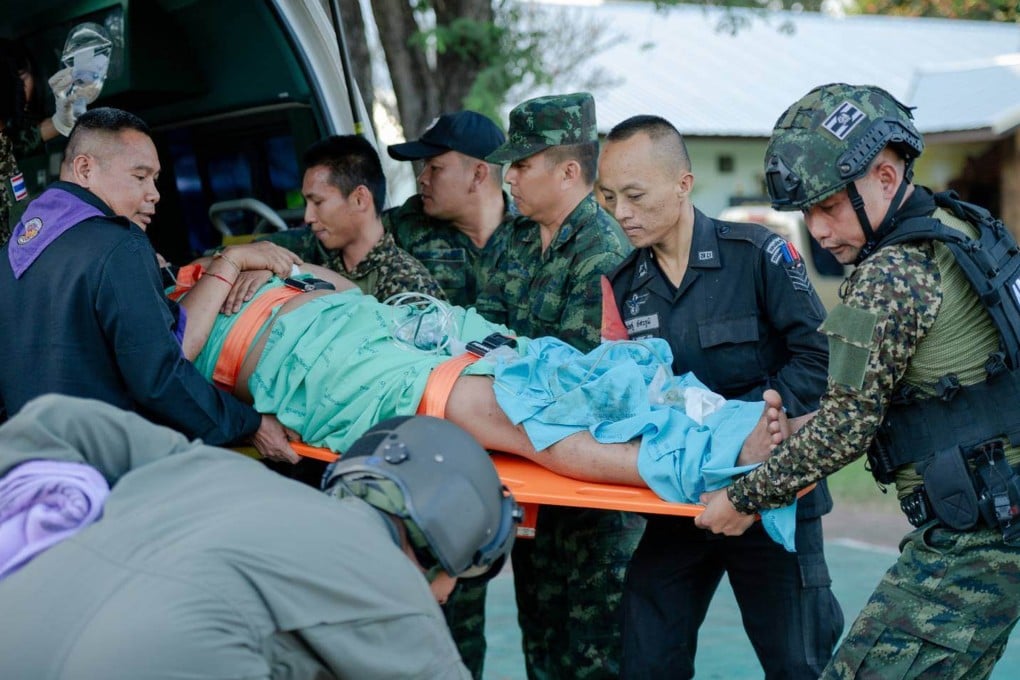
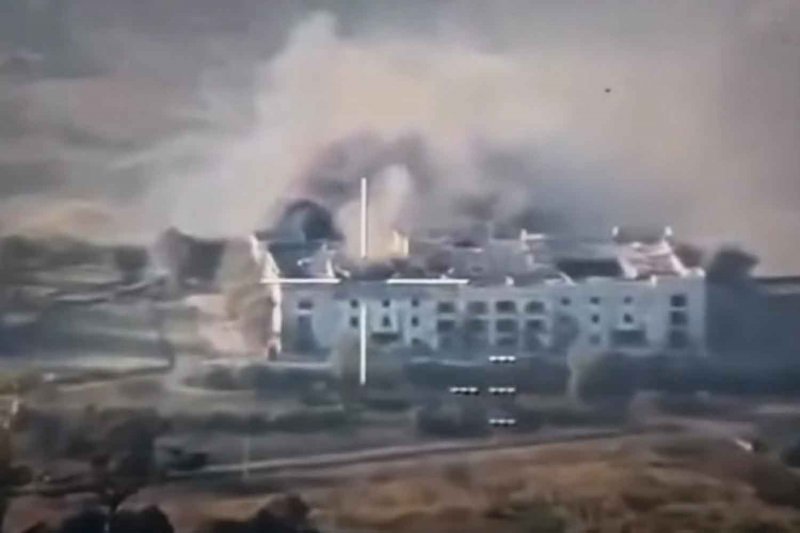
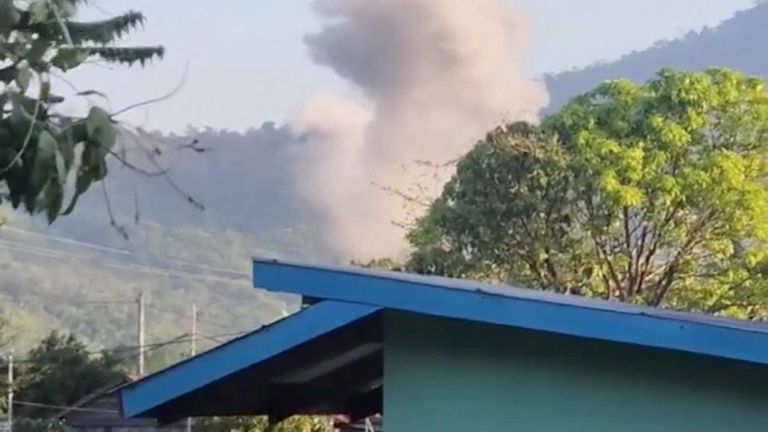
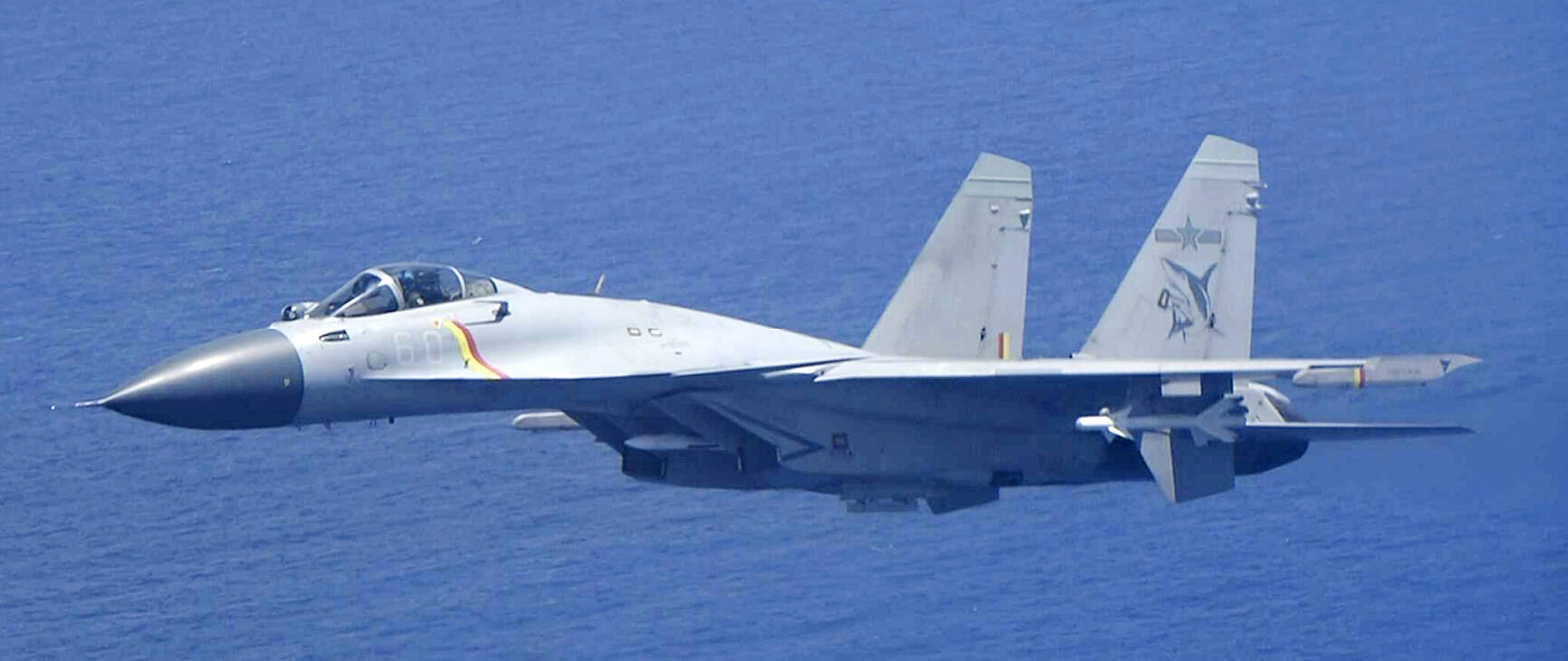
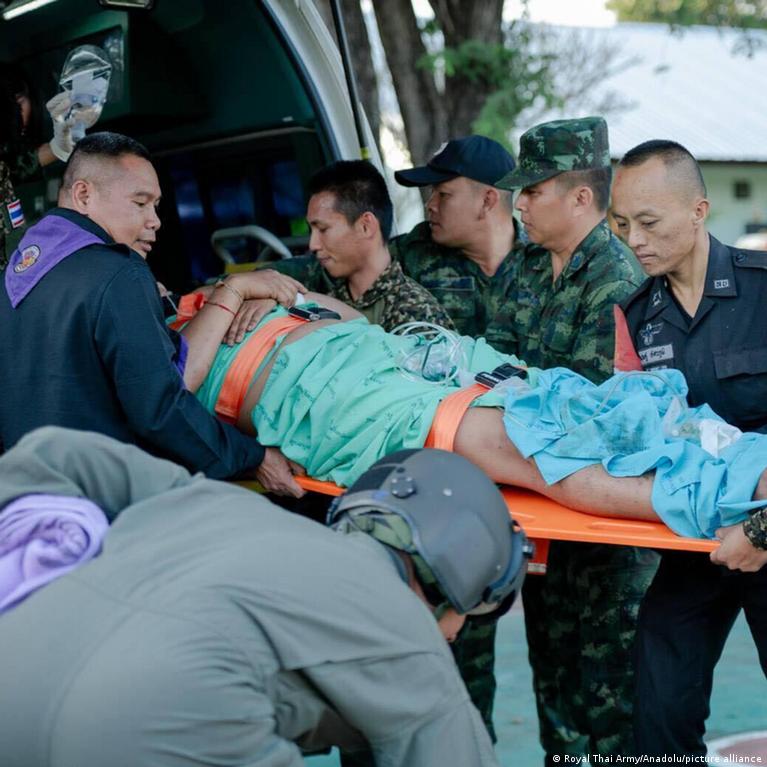
Southeastern Asia stands at a critical geopolitical inflection point as the Thailand-Cambodia border conflict reveals profound underlying tensions that extend far beyond immediate military confrontations. On December 8, 2025, a sudden military escalation resulted in the death of one Thai soldier and four Cambodian civilians, exposing the fragile diplomatic equilibrium in the region.
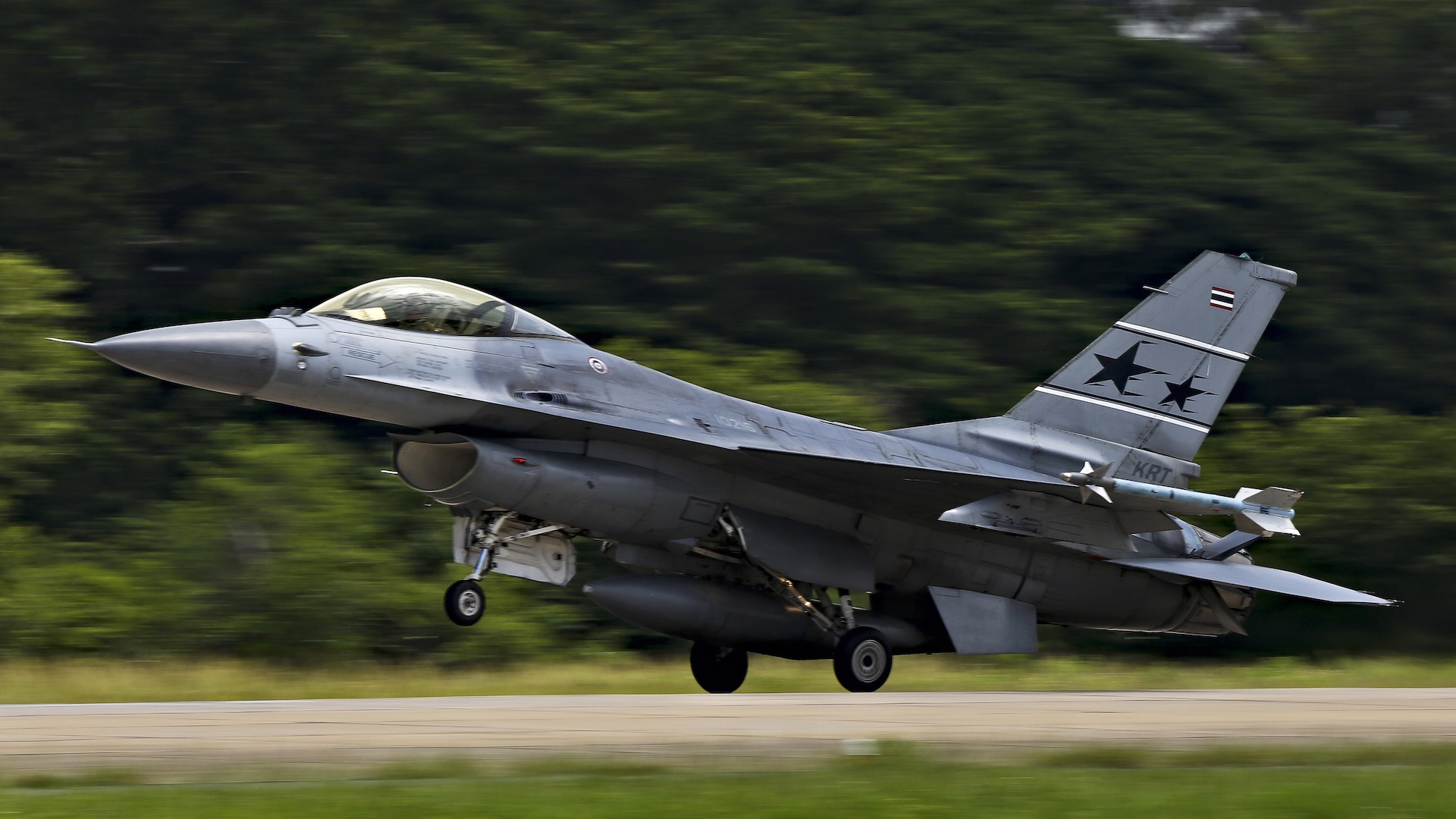
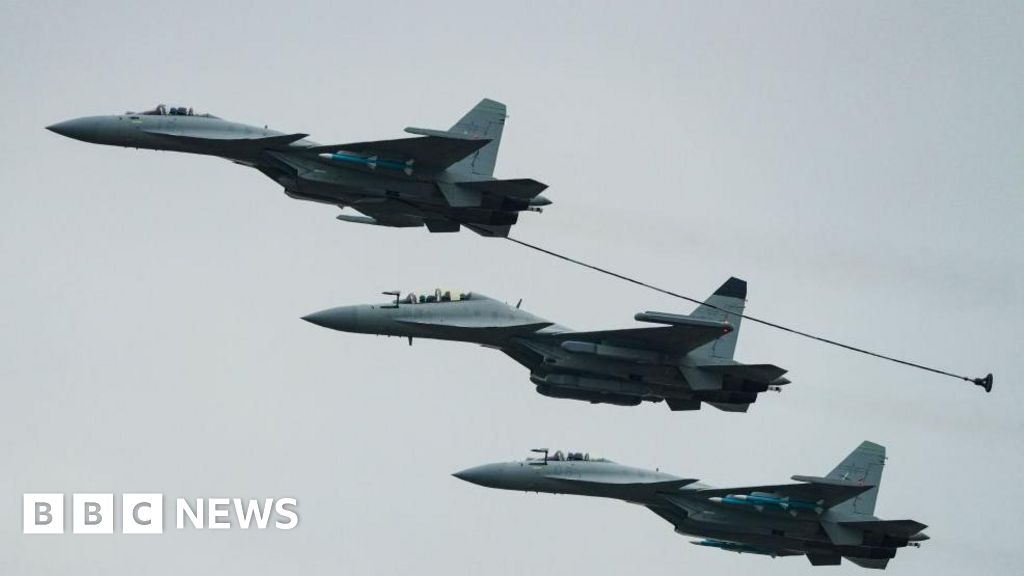
Strategic Territorial Dynamics Unfolding: The conflict represents more than a simple border dispute. Thailand's air strikes and Cambodia's robust defensive posture indicate a fundamental reassessment of regional sovereignty and territorial integrity. The involvement of international observers like Japan and Malaysia suggests these tensions have broader geopolitical implications that could reshape diplomatic relationships across Southeast Asia.
Escalating Diplomatic Complexity: What makes this conflict particularly significant is its multifaceted nature. Beyond military confrontations, the tensions stem from a complex web of infrastructure dependencies, tourist protocol disputes, and long-standing territorial disagreements. The conflict reveals a deeper pattern of regional instability, where historical grievances and emerging economic competitions intersect dangerously.
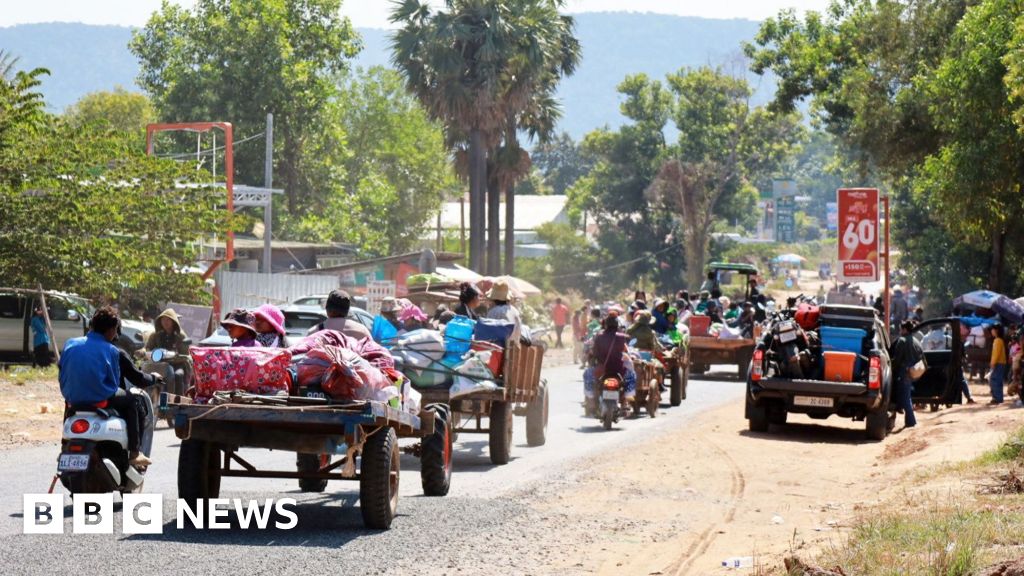
Systemic Risk and Regional Implications: The December 8th escalation is not an isolated incident but part of a broader pattern of diplomatic tensions throughout 2025. With thousands of civilians fleeing the disputed border region, the human and economic costs are already becoming apparent. International diplomatic channels are being tested, and the potential for further escalation remains high.
The emerging scenario demands careful strategic assessment. Countries in the region must navigate a delicate balance between asserting national interests and maintaining regional stability. Diplomatic negotiations, transparent communication, and multilateral conflict resolution mechanisms will be crucial in preventing further military confrontations and economic disruption.
Questions 3
What triggered the recent Thailand-Cambodia border conflict?
The conflict stems from long-standing territorial disputes and a series of diplomatic tensions throughout 2025, including disagreements over tourist protocols and infrastructure dependencies. The December 8th military confrontation, resulting in casualties on both sides, represents an escalation of these underlying geopolitical pressures.
How might this conflict impact regional economic interactions?
The border tensions could significantly disrupt cross-border trade, tourism, and economic cooperation. With thousands of civilians fleeing the region, there are immediate humanitarian and economic consequences. Long-term, this could lead to reduced investment, increased security costs, and potential realignment of regional economic partnerships.