
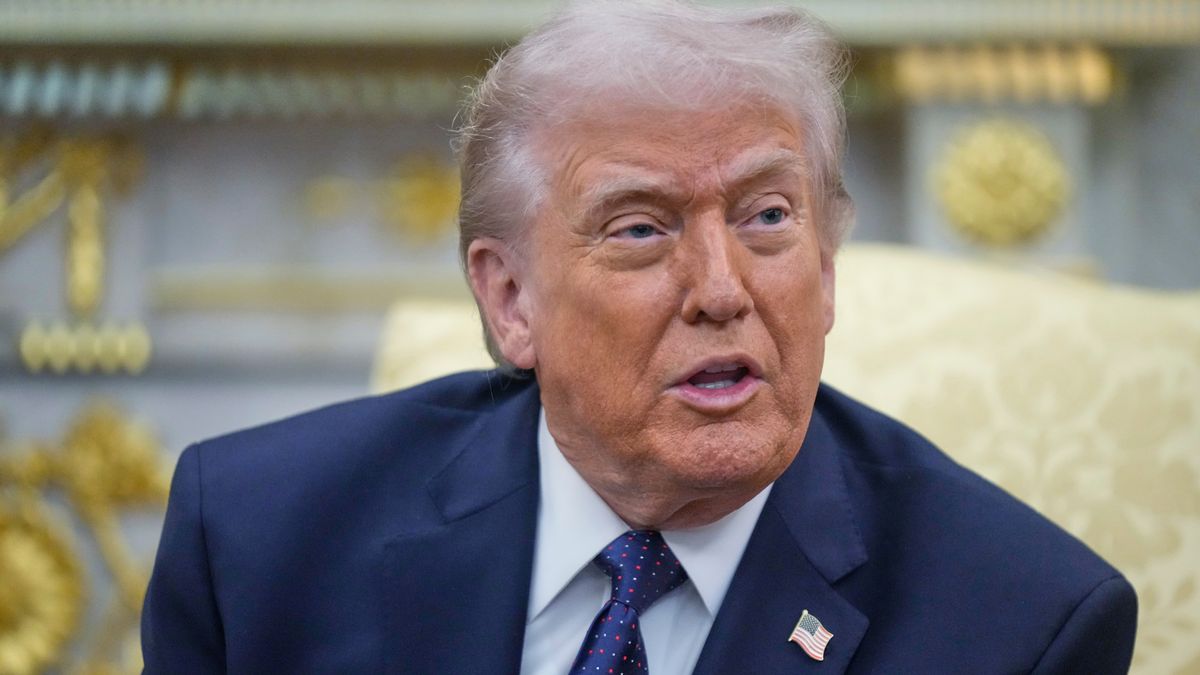



Spain Trade Embargo Threat 2026 | Tariff Arbitrage Opportunities for US Sellers
- Trump threatens complete trade cutoff with Spain over NATO/Iran disputes; creates immediate tariff restructuring opportunities for olive oil, auto parts, steel, and chemicals sellers worth $21.3B in annual Spanish imports





































Overview
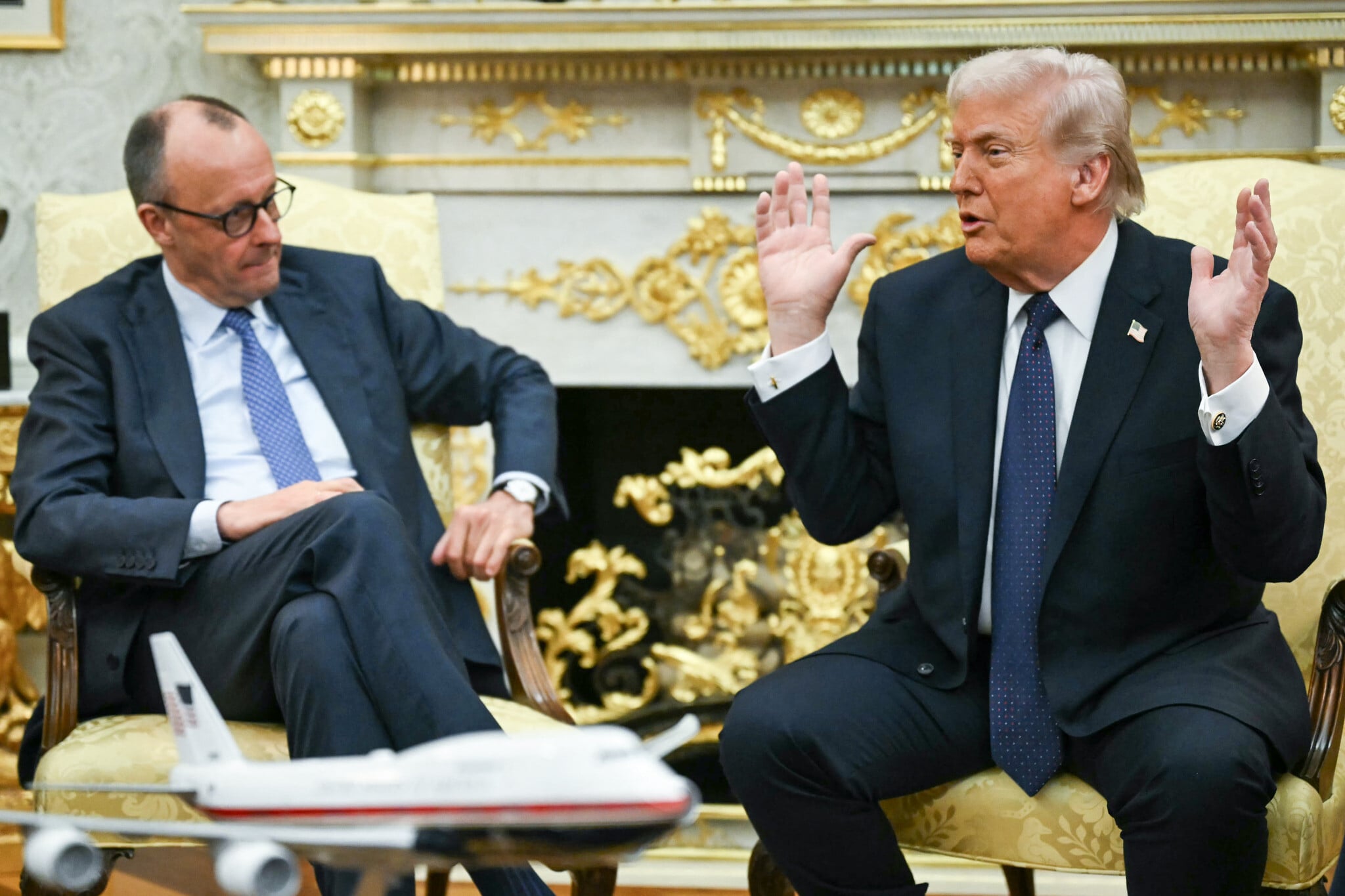
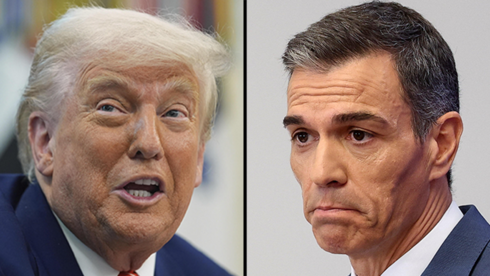
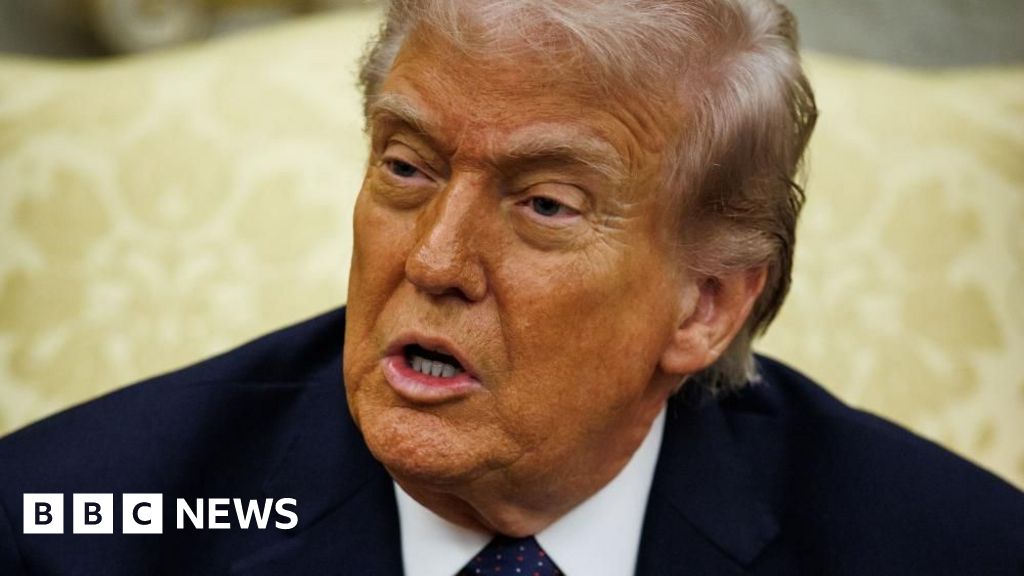
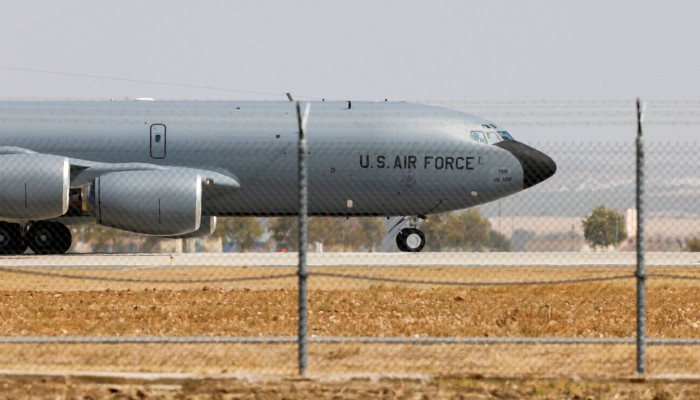
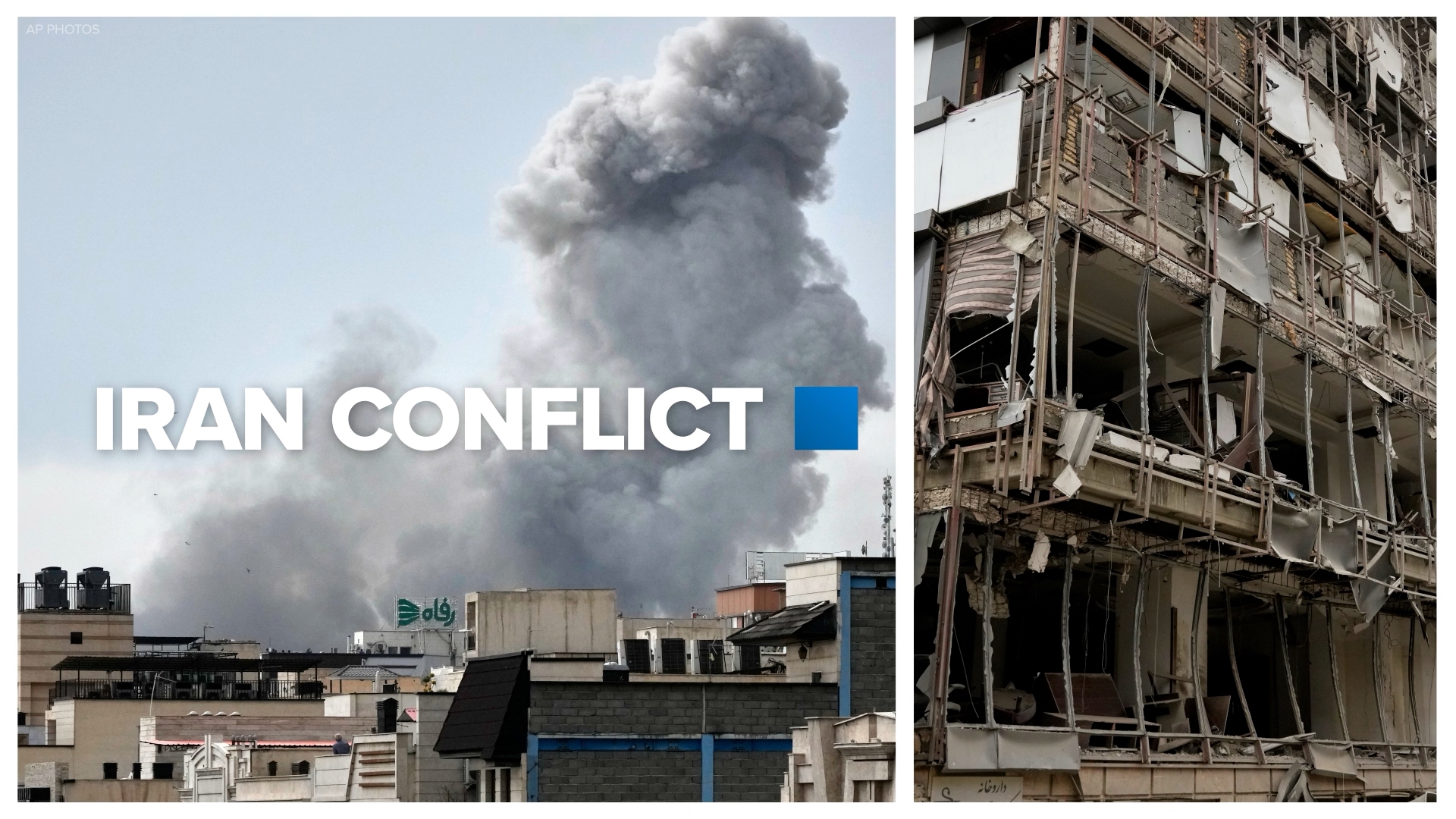
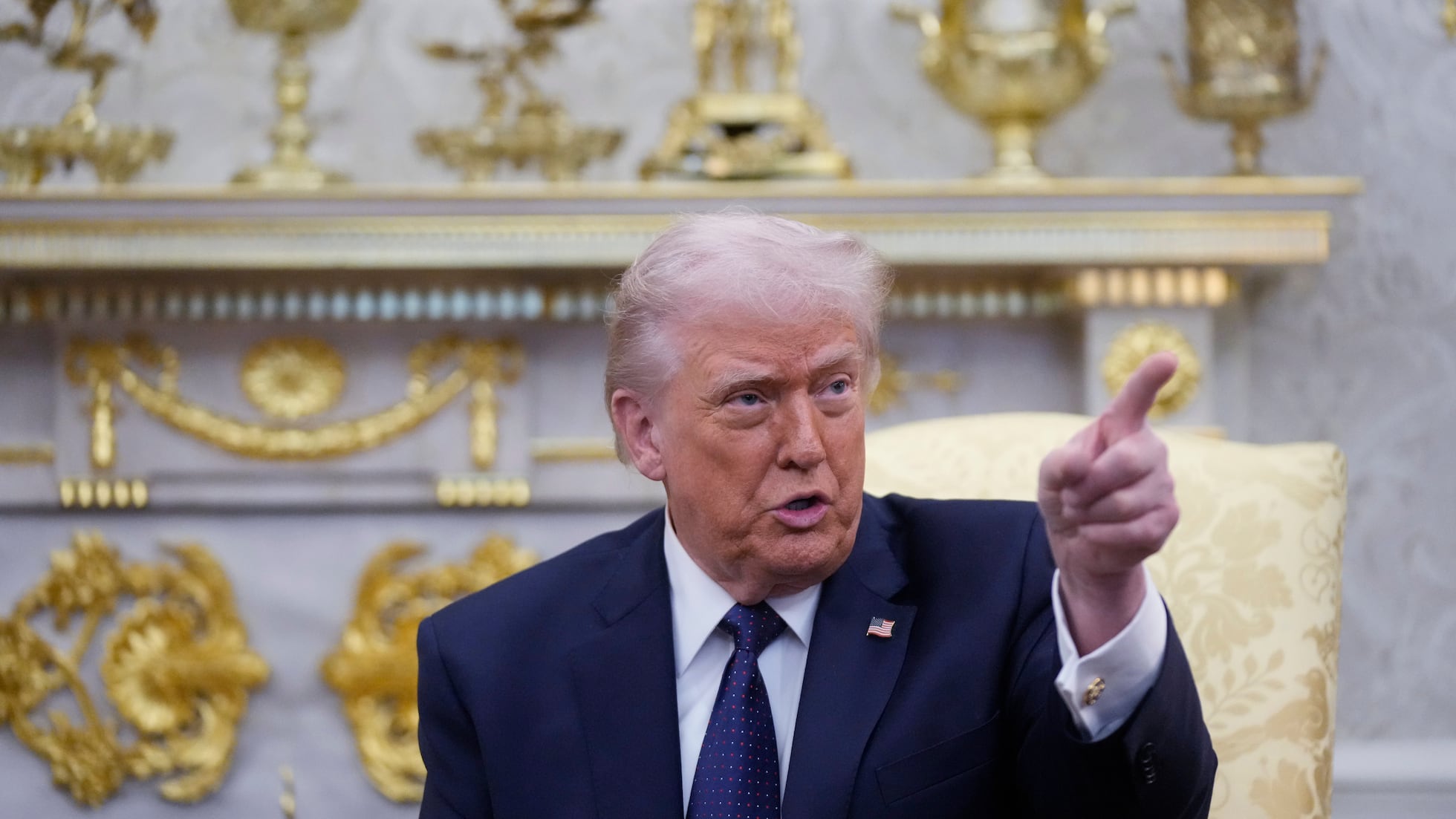
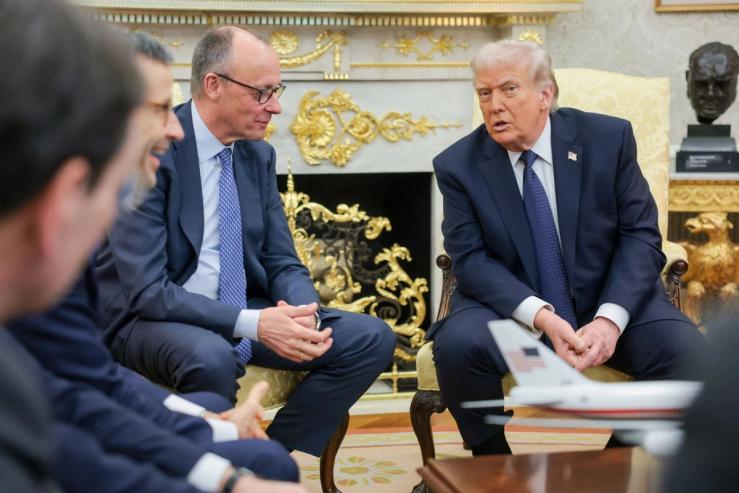
Trump's March 3, 2026 threat to impose a complete trade embargo on Spain represents a critical tariff policy inflection point for cross-border sellers. The confrontation stems from Spain's refusal to allow US military bases (Rota and Moron) for Iran operations, triggering Treasury Secretary Scott Bessent's directive to "cut off all dealings with Spain." This geopolitical escalation directly impacts $21.3 billion in annual Spanish exports to the US—specifically olive oil (Spain is the world's largest exporter), auto parts, steel, and chemicals—creating immediate tariff arbitrage opportunities for sellers sourcing from alternative suppliers.
The tariff restructuring window is now open for strategic sourcing shifts. Spain's 2025 trade surplus of $4.8 billion with the US indicates significant export dependency, making Spanish suppliers vulnerable to punitive tariffs if the embargo is implemented. For sellers currently sourcing Spanish olive oil (HS Code 1509), auto parts (HS Codes 8708.30-8708.99), or specialty chemicals, the threat creates a 30-90 day window to evaluate alternative suppliers in Portugal, Italy, Greece (olive oil), Mexico, or Vietnam (auto parts). Early movers can lock in lower tariff rates with alternative suppliers before competitors recognize the opportunity. A 15-25% tariff increase on Spanish goods would compress margins 8-12% for sellers in these categories—making sourcing diversification immediately profitable.
Market access dynamics shift toward EU consolidation and non-EU alternatives. Spain's government statement that it "possesses necessary resources to contain the possible impact" and will rely on "existing bilateral EU-US trade agreements" suggests the EU may negotiate collective tariff protections, potentially creating carve-outs for certain categories. However, sellers should not assume exemptions—instead, they should immediately audit their Spanish supplier concentration. For olive oil sellers, this is particularly critical: Spain exports 500,000+ metric tons annually to the US. A complete embargo would create a 40-50% supply shortage, driving prices up 25-35% within 60 days. Sellers with diversified sourcing (Spain + Italy + Greece) can maintain margin stability while competitors face margin compression.
Competitive advantage accrues to sellers with multi-country sourcing and rapid supply chain pivots. Small and medium sellers (1,000-10,000 units/month) currently dependent on single Spanish suppliers face the highest risk—they lack negotiating power to secure alternative capacity quickly. Large sellers (10,000+ units/month) with established relationships in Portugal, Italy, or Mexico can shift 30-50% of volume within 45 days, capturing market share from competitors facing supply disruptions. The auto parts category (HS 8708) is particularly vulnerable: Spain supplies $8-10B annually in transmission components, suspension parts, and electrical systems. Sellers should immediately contact Vietnam, Thailand, and Mexico suppliers to secure capacity commitments before the embargo takes effect, locking in current tariff rates (typically 2.5% for auto parts) versus potential 25-40% punitive rates.
Questions 8
Should sellers immediately shift inventory away from Spanish-sourced products?
Not yet. The Trump administration has not announced concrete implementation details, effective dates, or specific product categories affected. US Trade Representative Jamieson Greer's non-committal stance suggests internal disagreement about feasibility. Legal experts question enforceability under international trade law. Immediate panic sourcing could waste 5-10% on unnecessary supply chain changes if the threat remains negotiating leverage. Recommended approach: (1) Monitor USTR.gov and Treasury announcements for formal policy details (0-30 days); (2) Conduct supply chain audit identifying Spanish sourcing concentration by category (30 days); (3) Request alternative supplier quotes without committing to orders (30-45 days); (4) Implement gradual sourcing diversification only after formal tariff schedules announced (60+ days). For sellers with 50%+ Spanish sourcing in critical categories, begin contingency planning immediately but avoid expensive inventory liquidation until policy details clarify. The $47 billion bilateral trade volume and EU single market complications suggest this may remain a negotiating threat rather than actual policy.
Which product categories face the highest tariff risk from Spain embargo?
Spain's top US export categories are: (1) Olive oil—45-50% of US imports, HS Code 1509, current tariff 0%, potential punitive rate 25-35%; (2) Auto parts—$8-10B annually, HS Code 8708, current 2.5%, potential 25-40%; (3) Steel—specialty grades, HS Code 7208-7326, current 0-12.5%, potential 35-50%; (4) Chemicals—specialty compounds, HS Code 2901-2930, current 0-6.5%, potential 20-35%. Olive oil and auto parts sellers face the highest margin compression (12-18% and 8-12% respectively). Sellers in these categories should prioritize sourcing diversification within 30 days. Steel and chemical sellers have slightly more time (45-60 days) due to longer supply chain lead times, but should still begin alternative supplier evaluation immediately.