




Media Titans Clash: Paramount's Audacious $108 Billion Hostile Takeover Reshapes Entertainment Landscape
- Sovereign Wealth and Political Connections Fuel High-Stakes Corporate Battle for Warner Bros. Discovery







.jpg)



















ondisplayat...)























Overview
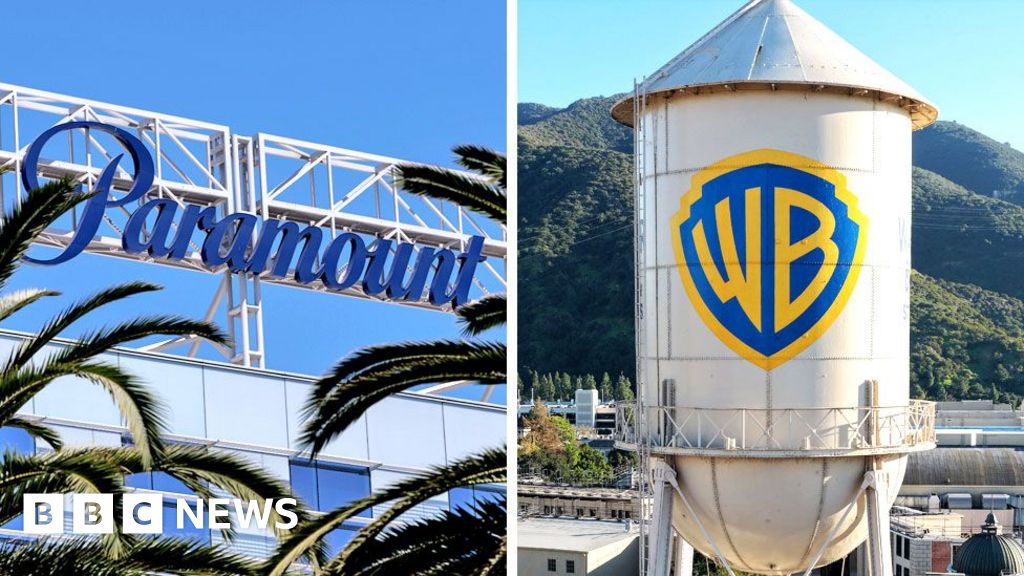
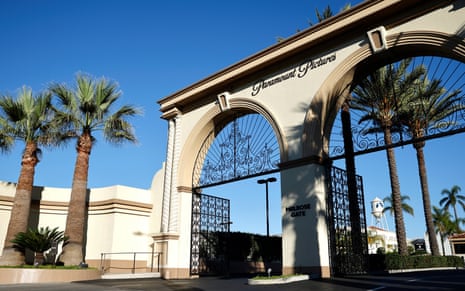
The entertainment industry stands at a pivotal moment as Paramount launches an unprecedented $108 billion hostile takeover bid for Warner Bros. Discovery, transforming the media landscape through a complex web of financial and political maneuvering. This audacious move represents more than a simple corporate acquisition—it's a strategic chess match involving global sovereign wealth funds, political connections, and the future of media distribution.
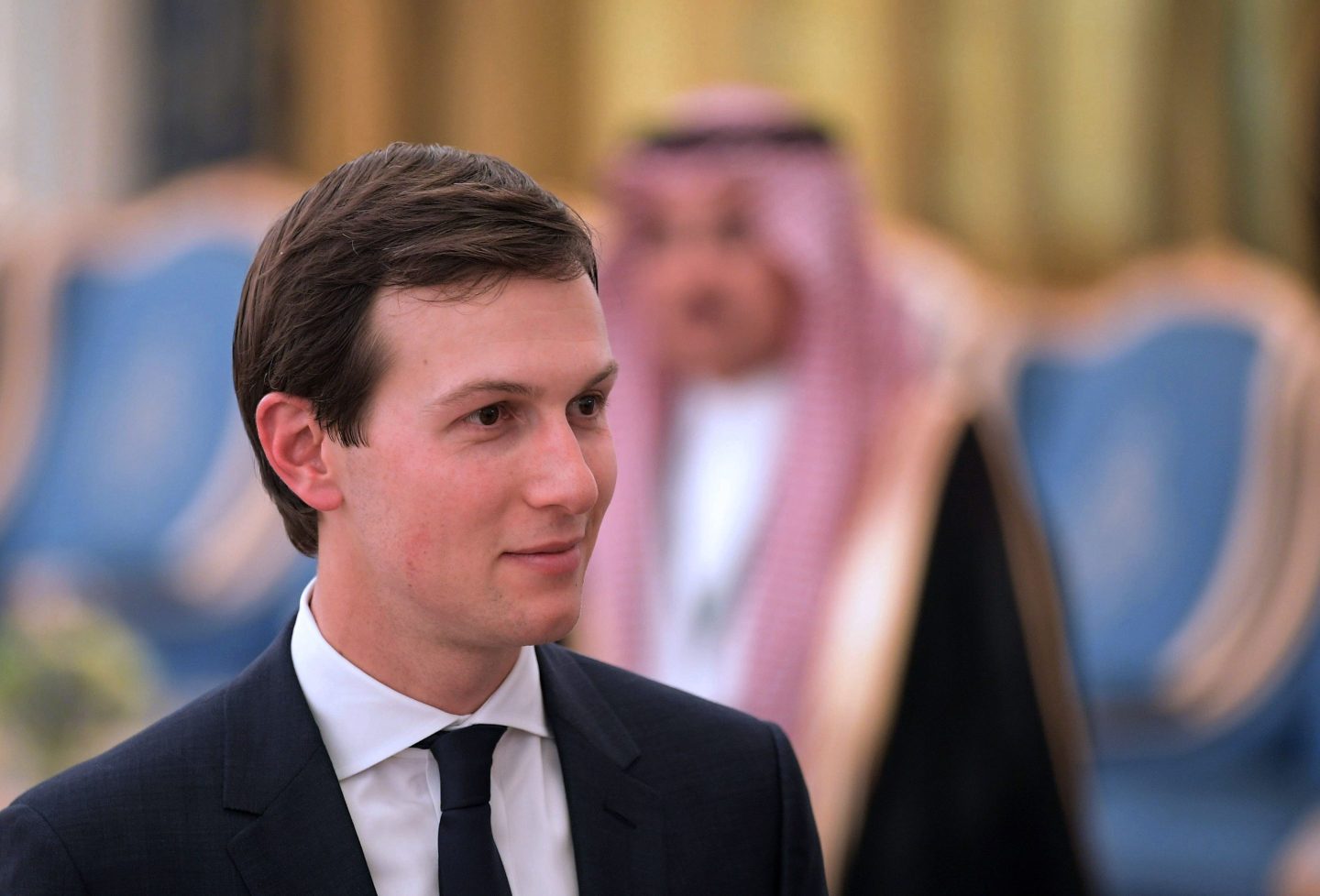
Paramount's bid introduces a fascinating dynamic by assembling an unconventional coalition of backers, including Jared Kushner and Middle Eastern sovereign funds like Saudi Arabia's Public Investment Fund and Qatar Investment Authority. This unprecedented alliance suggests a sophisticated geopolitical strategy that extends far beyond traditional media consolidation. The $30 per share cash offer directly challenges Netflix's existing $72 billion proposal, creating a high-stakes competitive environment where regulatory approval becomes as crucial as financial terms.
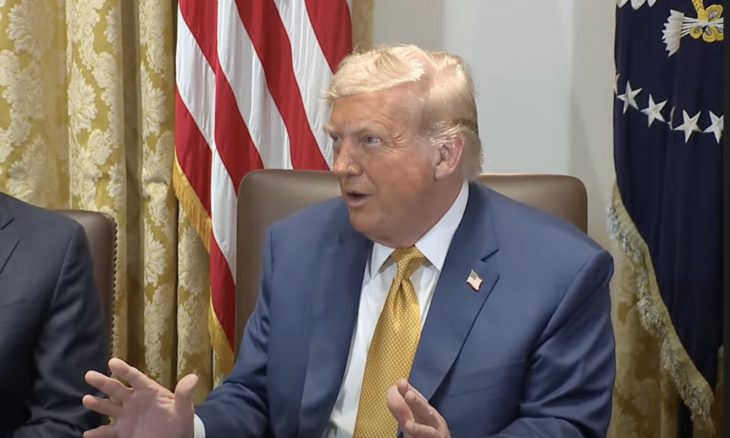
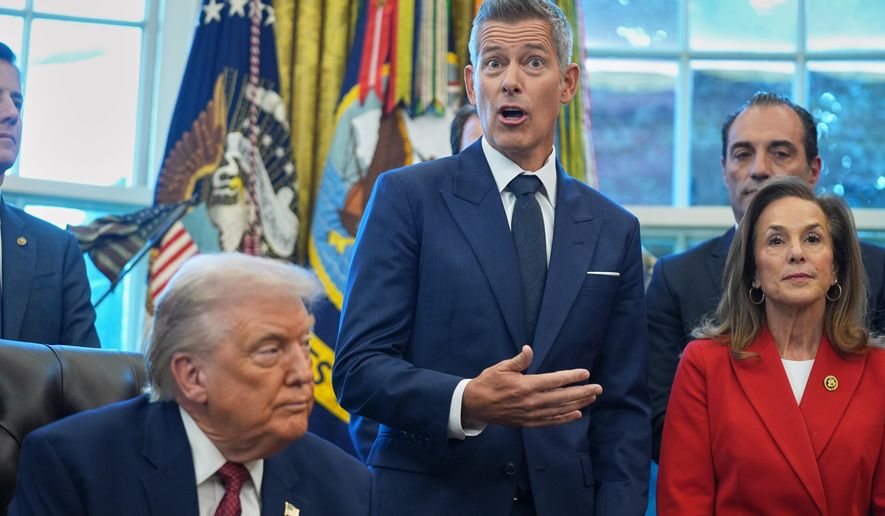
The strategic complexity is further heightened by the involvement of political figures like Donald Trump, who views the transaction through a market concentration lens. Trump's potential influence and connections to key players like Larry Ellison add an unpredictable political dimension to what might otherwise be a straightforward corporate transaction. This intersection of media, finance, and political power underscores the evolving nature of global media acquisitions.
What makes this bid particularly intriguing is the multi-dimensional chess being played. Paramount isn't just acquiring assets; it's strategically positioning itself to control narrative infrastructure through Warner Bros. Discovery's extensive media properties. The inclusion of sovereign wealth funds suggests a long-term, geopolitically informed investment strategy that transcends traditional media consolidation models.
The bid represents a watershed moment in media economics—demonstrating how global capital, political networks, and technological disruption are fundamentally reshaping entertainment industry dynamics. For stakeholders, this signals a new era of media acquisitions where financial muscle, geopolitical connections, and strategic vision converge to create transformative corporate opportunities.
Questions 3
What makes this takeover bid different from previous media acquisitions?
Unlike traditional acquisitions, this bid uniquely combines financial muscle with political networks, involving figures like Jared Kushner and leveraging sovereign wealth funds. The multi-dimensional approach suggests a more complex, globally informed strategy that transcends simple asset purchasing.
Why is Paramount's $108 billion bid significant for the media industry?
The bid represents a transformative moment in media consolidation, involving unprecedented collaboration between Paramount, Middle Eastern sovereign funds, and political connections. It challenges traditional acquisition models by integrating geopolitical strategy with media asset control, potentially reshaping how global media properties are valued and transferred.