




Gulf Supply Chain Crisis: Middle East Conflict Disrupts $2.1T Asia-Europe E-Commerce Corridor
- Iran-Gulf military escalation (1,220+ missiles/drones fired March 1-3, 2026) threatens Dubai/Abu Dhabi logistics hubs serving 40%+ of cross-border sellers; port/air freight delays expected 4-12 weeks





























Overview
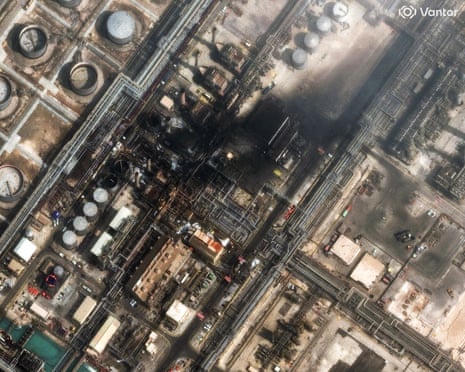
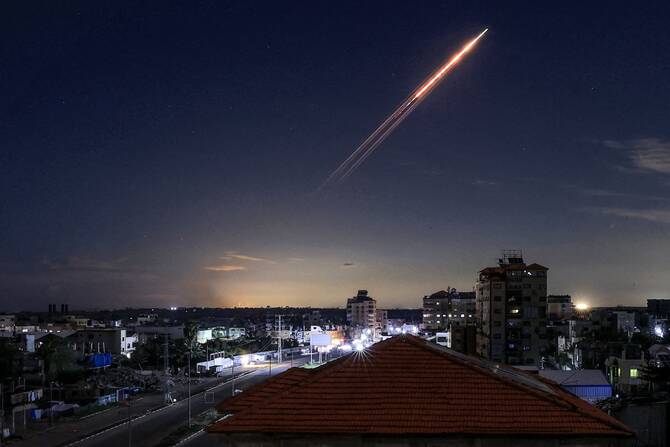
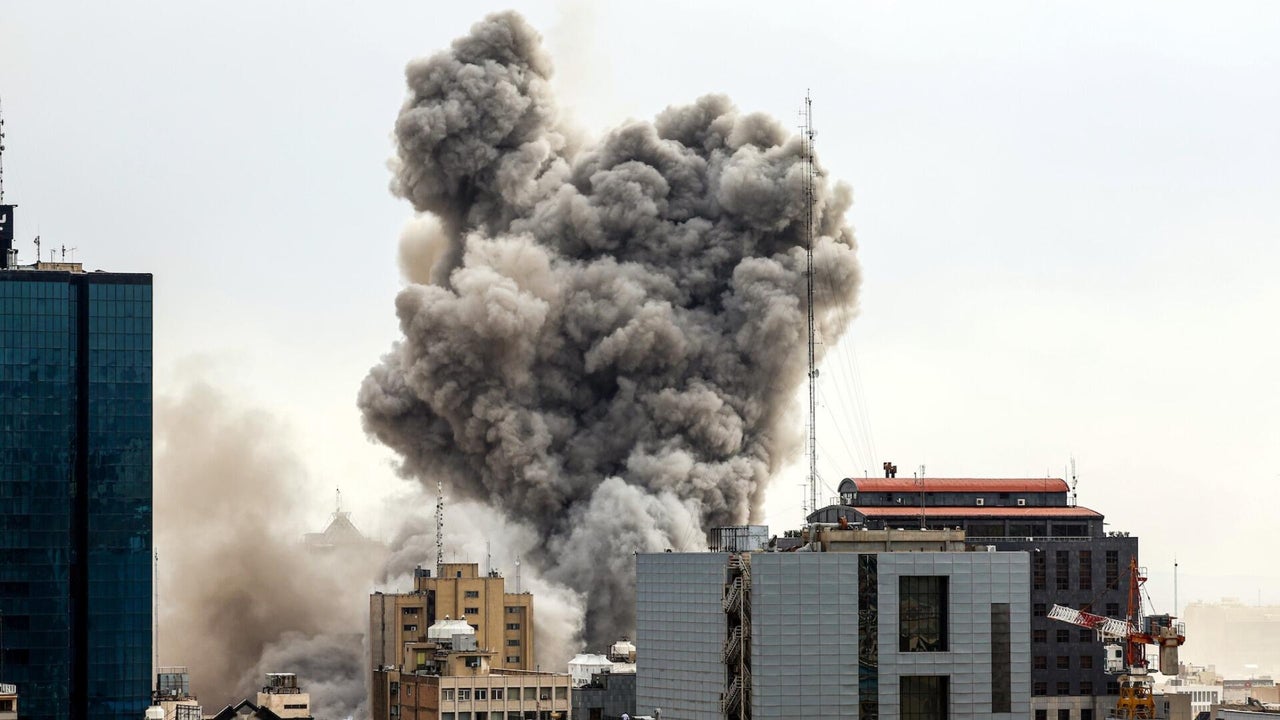
The March 2026 military escalation in the Persian Gulf represents a critical supply chain crisis for cross-border e-commerce sellers globally. Iran's coordinated strikes—firing approximately 1,220 ballistic missiles and drones across March 1-3, 2026—directly targeted civilian infrastructure including airports in Dubai, Abu Dhabi, Bahrain, and Kuwait, plus warehouses in the UAE. This escalation fundamentally disrupts one of the world's most critical e-commerce logistics corridors: the UAE serves as the primary transshipment hub for Asian-to-Middle East and Asian-to-Europe trade routes, handling an estimated 40%+ of cross-border inventory flowing through the region.
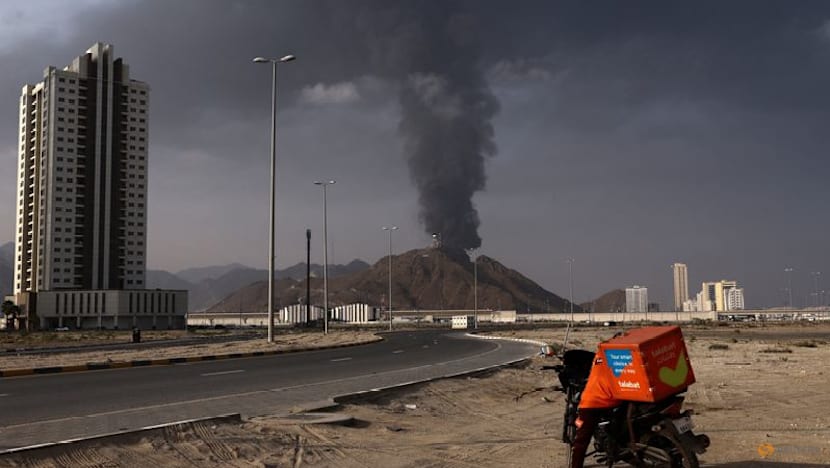
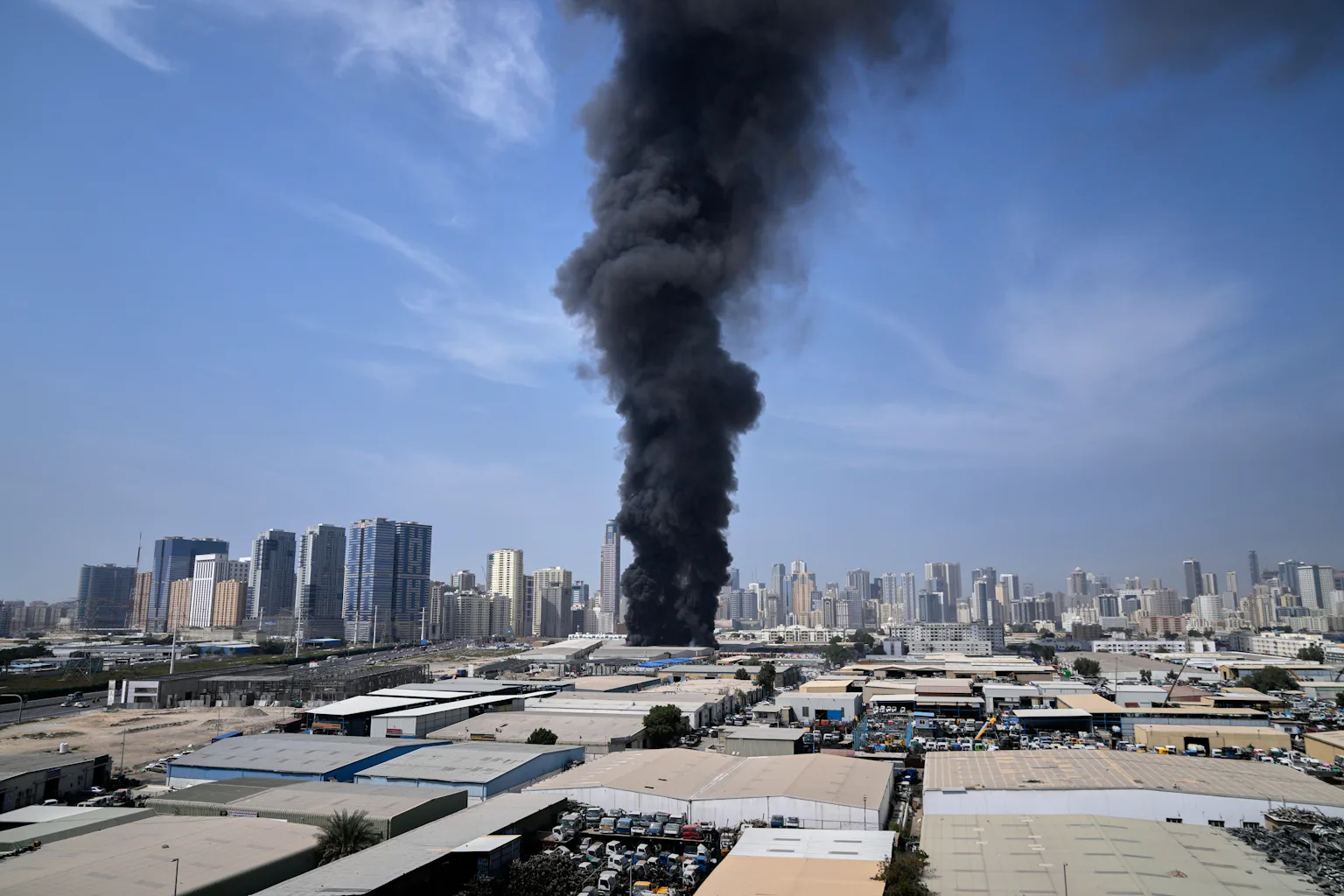
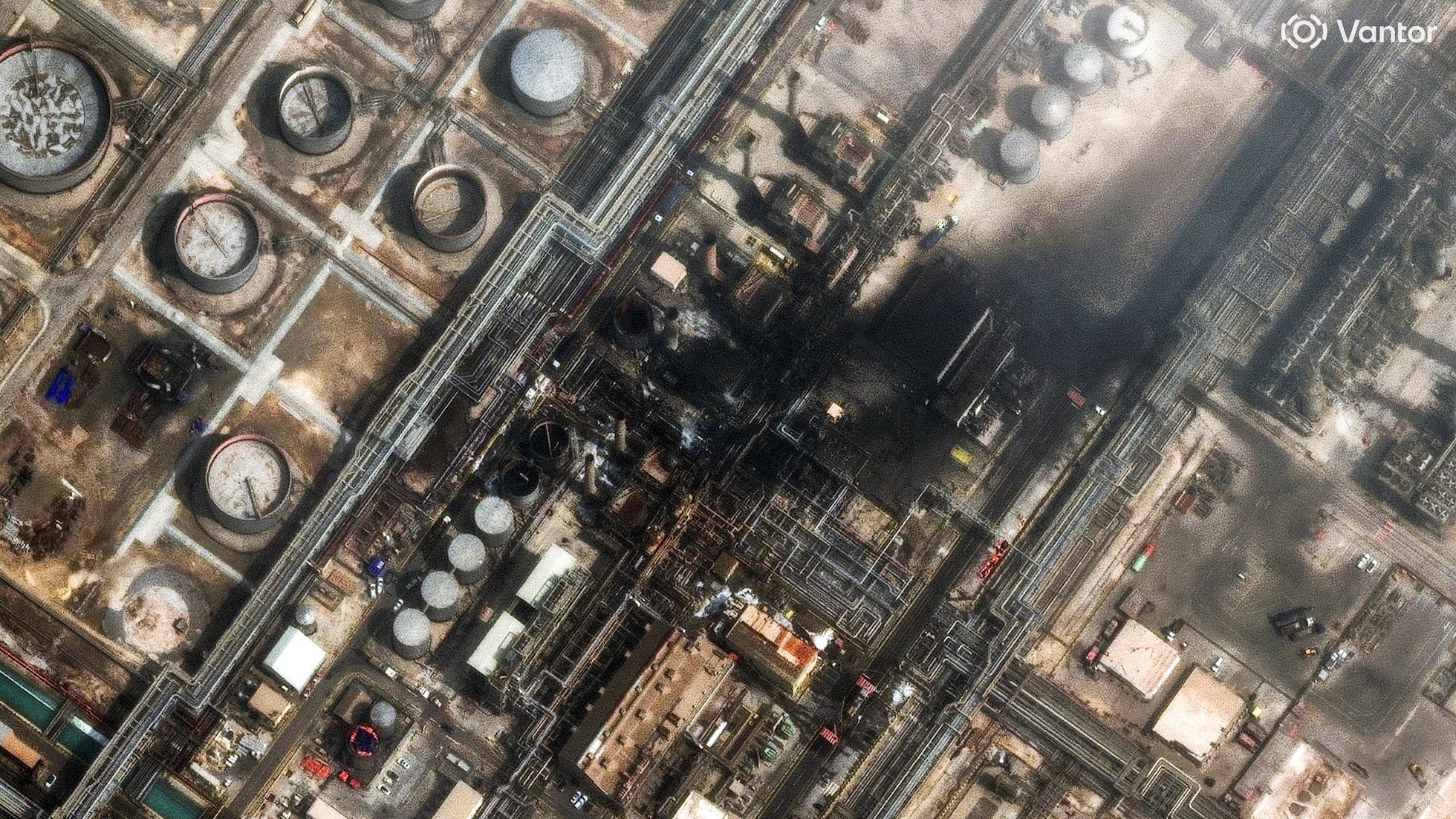
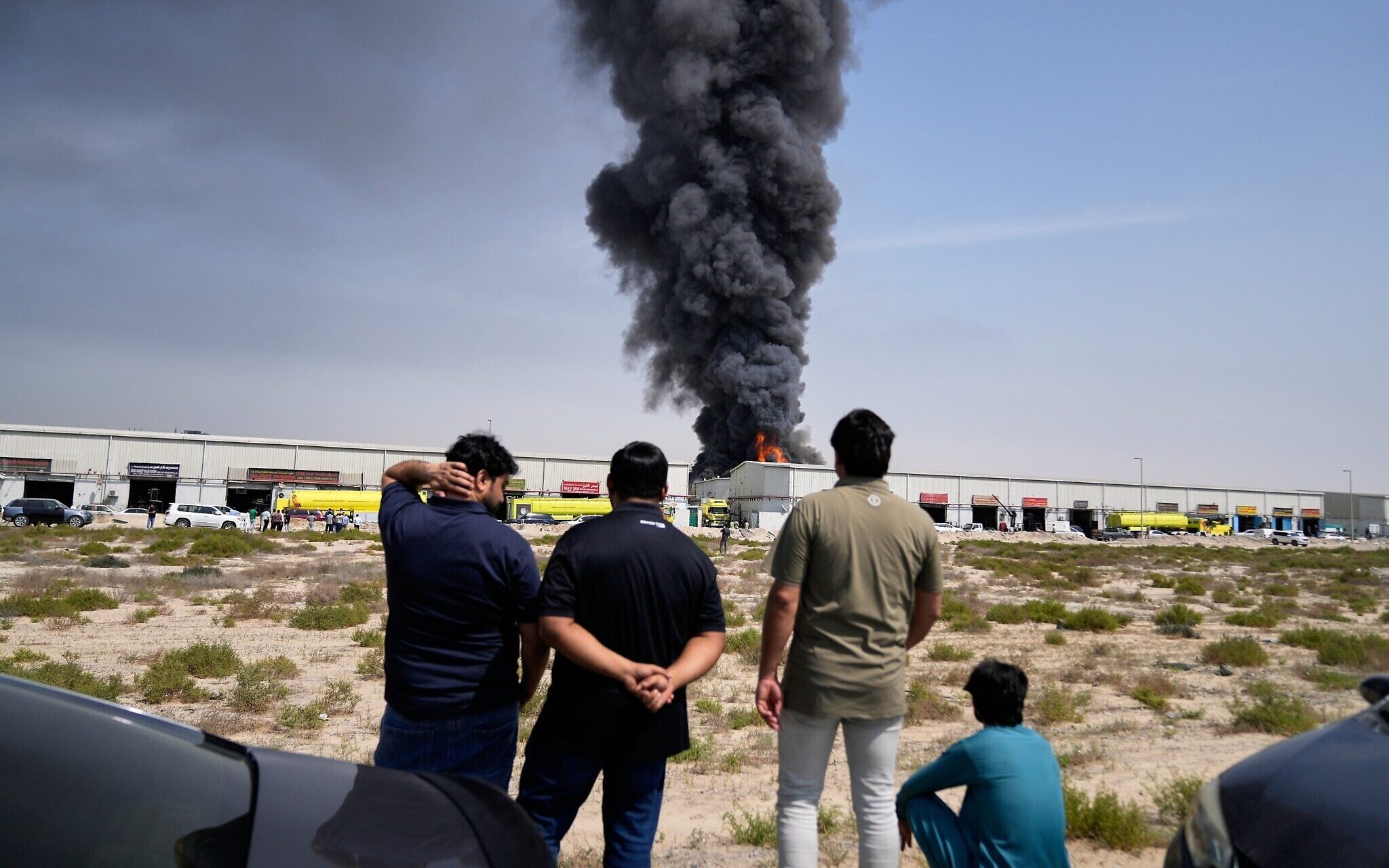
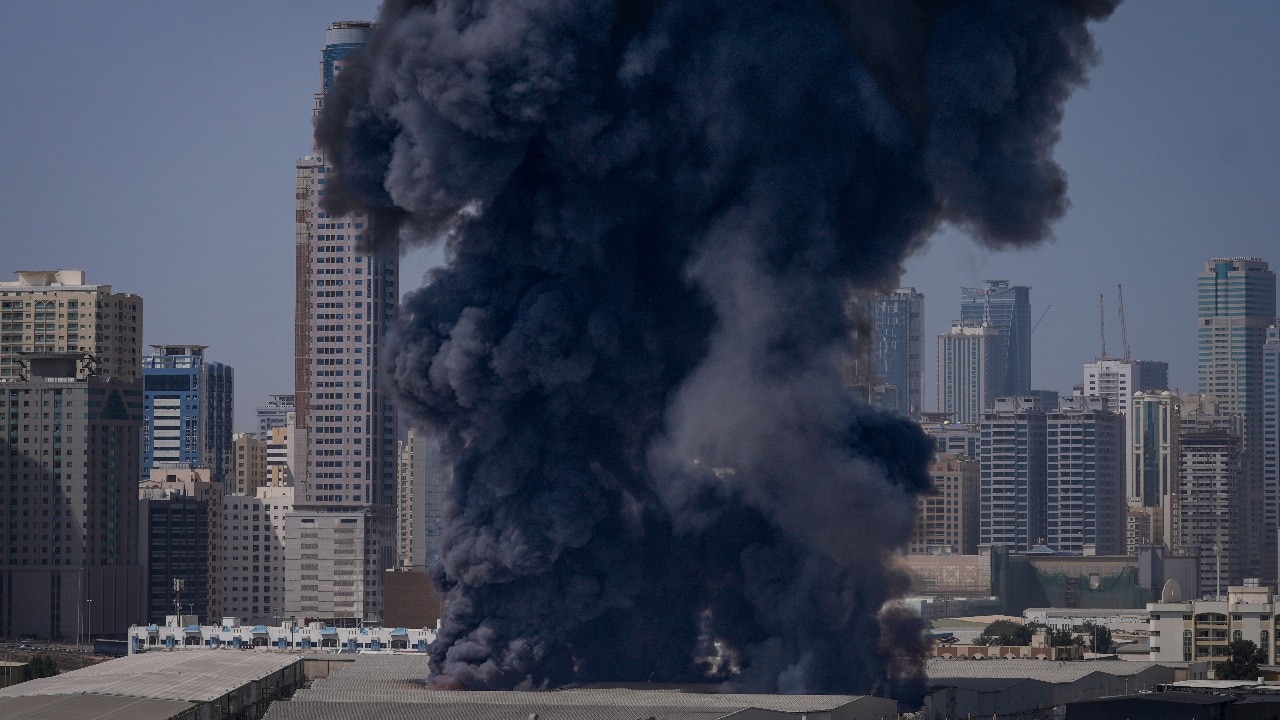
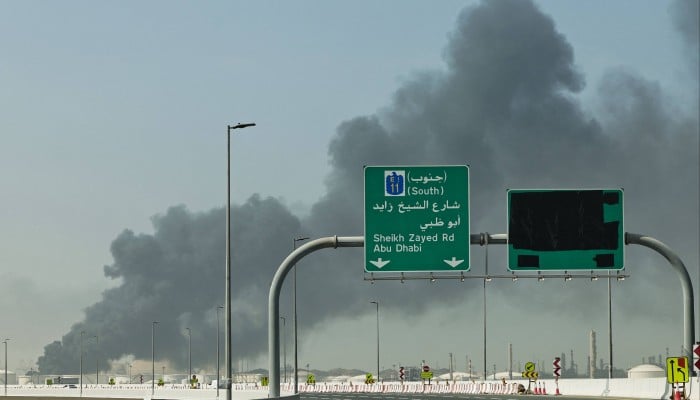
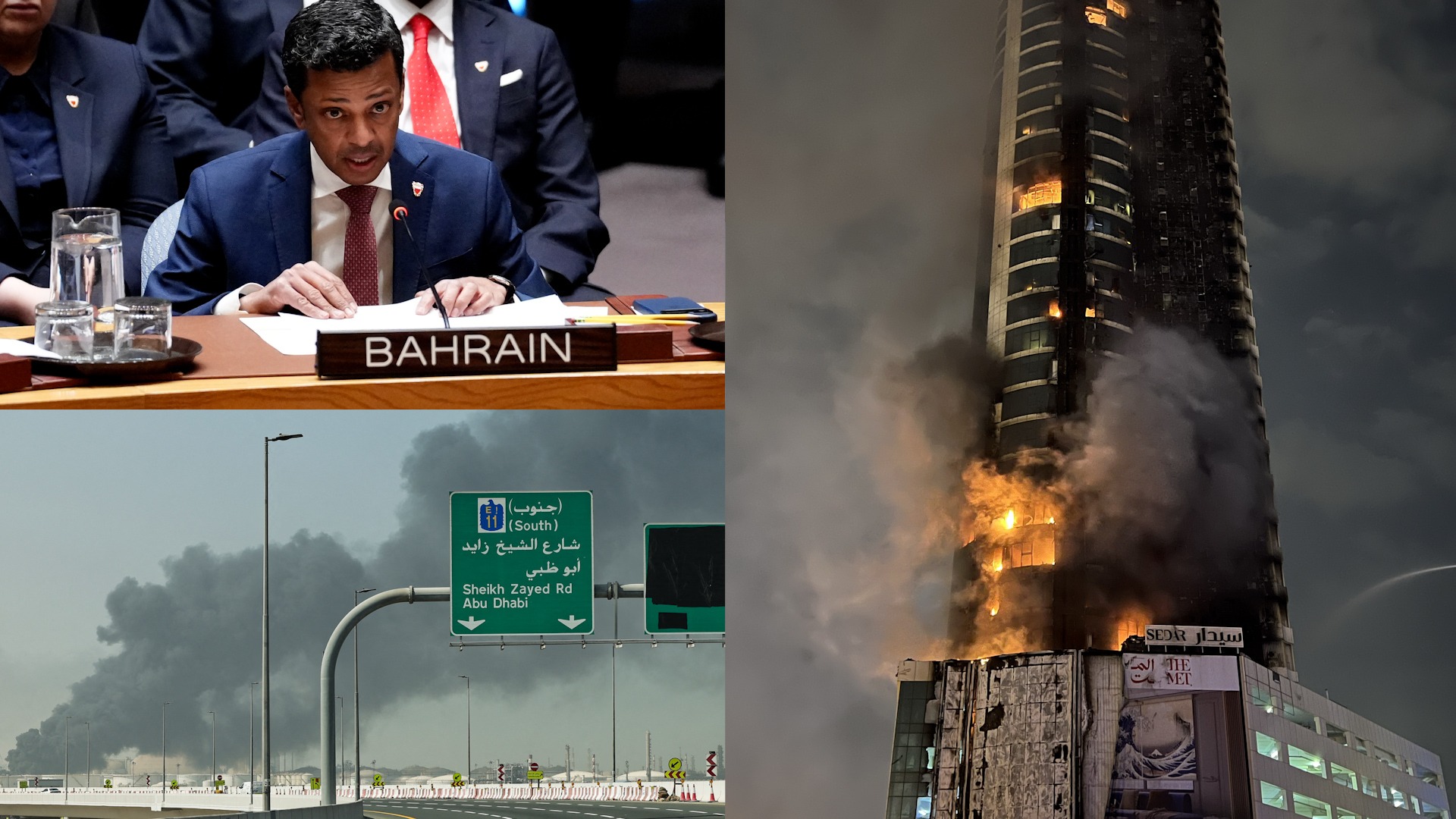
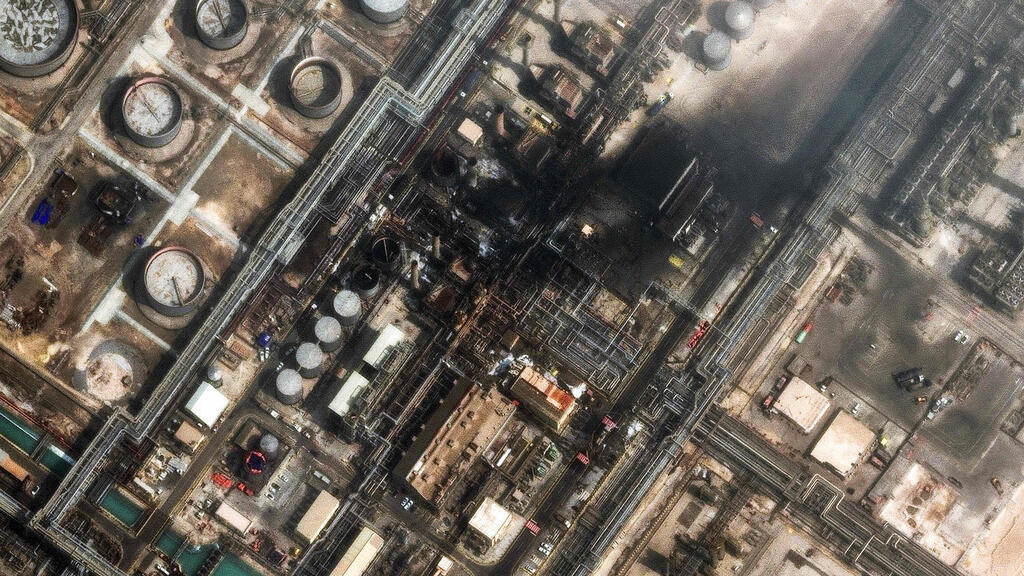
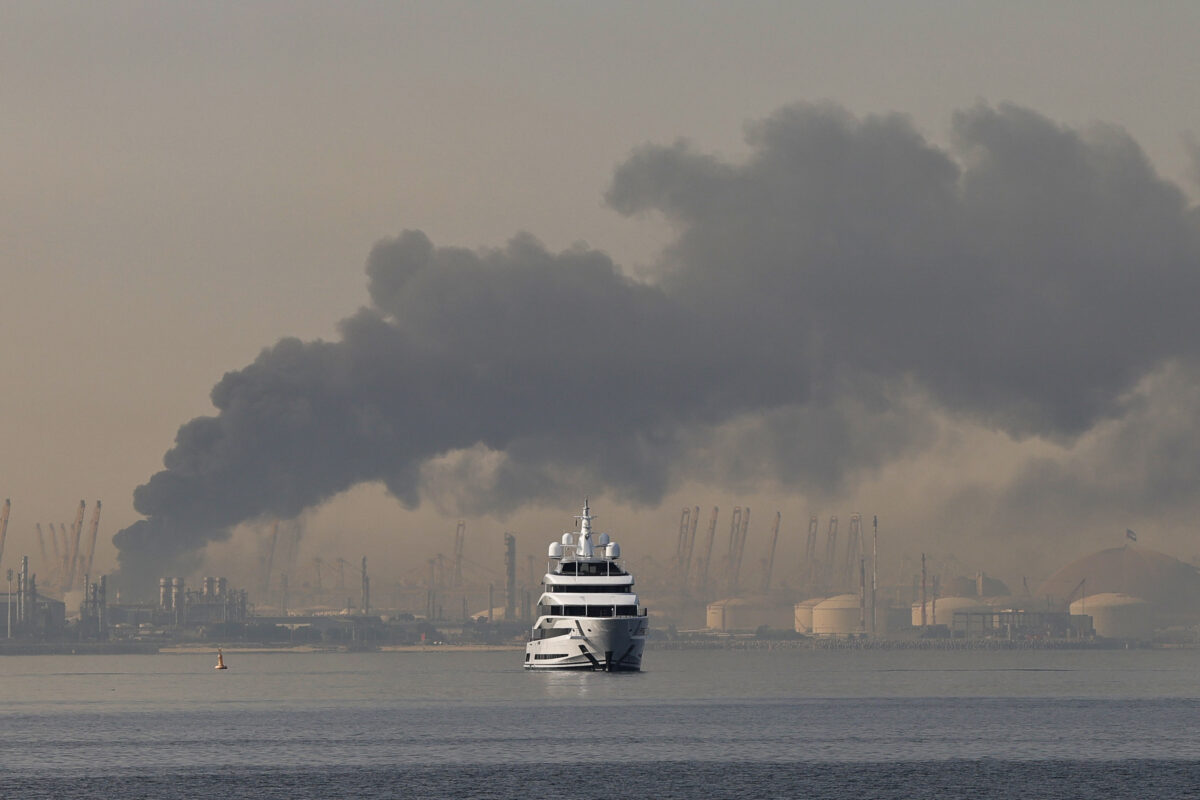
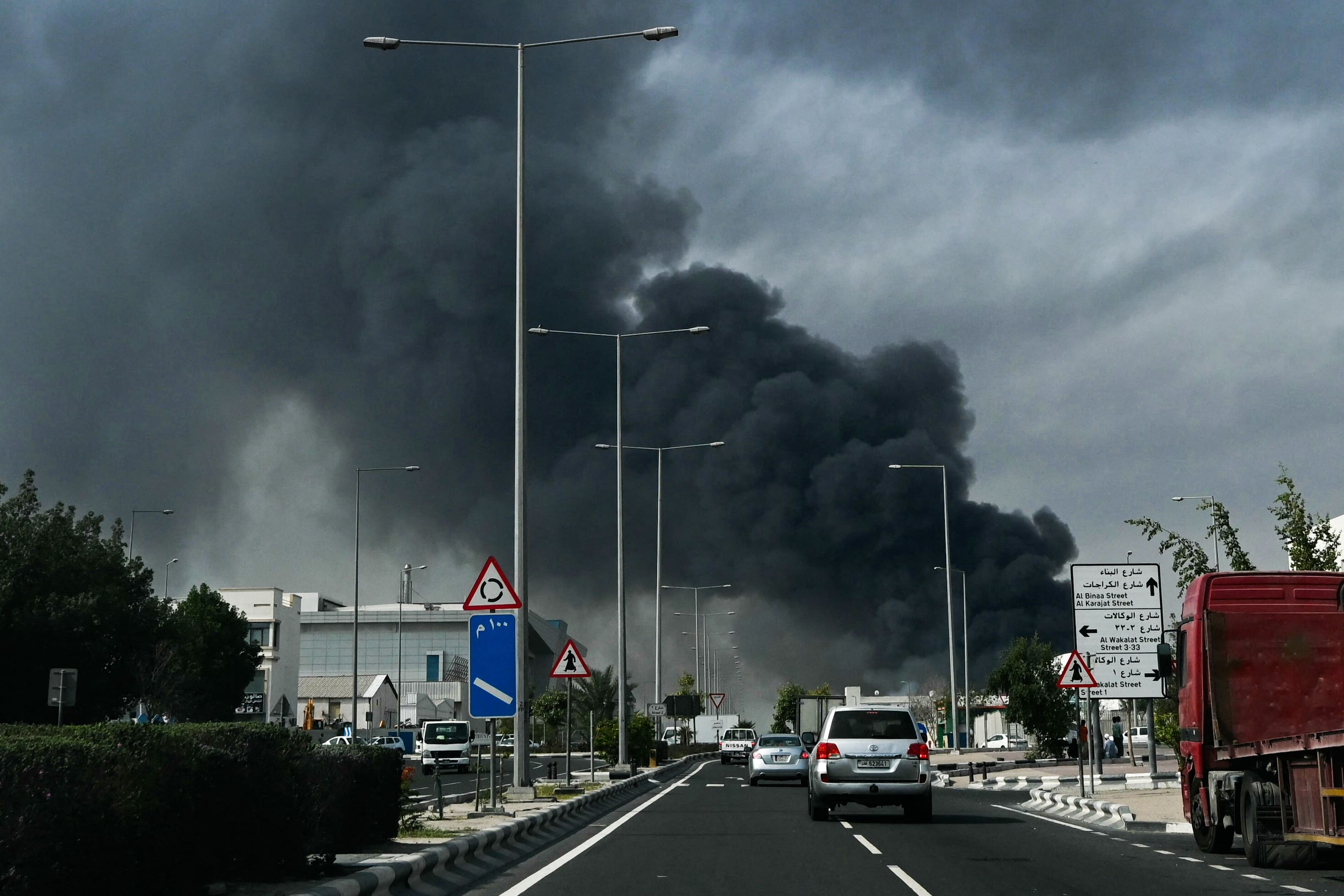
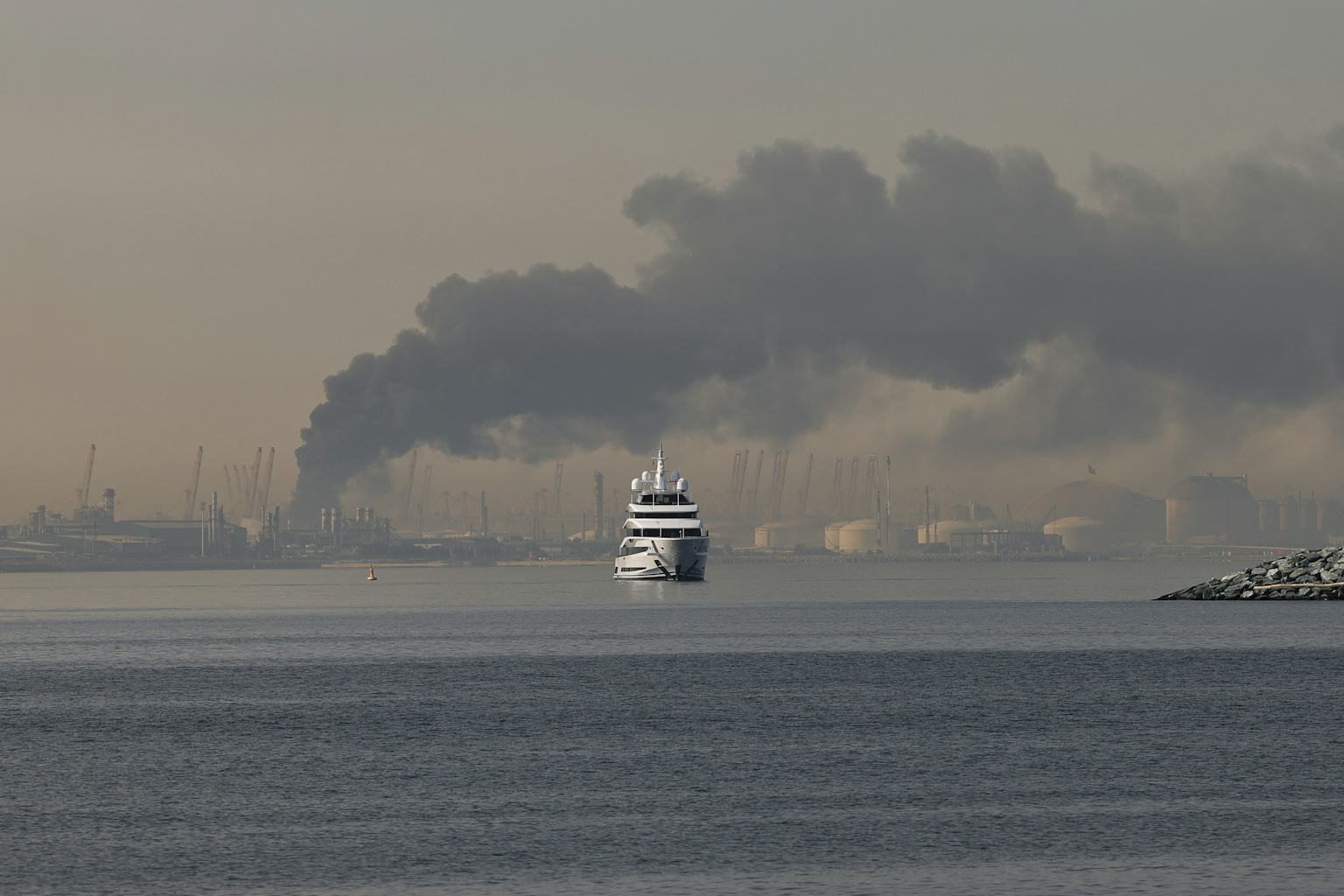
Immediate Supply Chain Impact: The UAE's Jebel Ali Port (world's 10th largest container port) and Dubai International Airport face operational disruptions from ongoing military operations. Sellers relying on Gulf infrastructure for inventory storage, fulfillment, and transshipment now face 4-12 week shipping delays and potential rerouting through less efficient channels (Southeast Asian ports, African routes). Warehouse facilities in Dubai and Abu Dhabi sustained direct damage, with the Wall Street Journal documenting burned warehouses photographed by AP photographer Altaf Qadri. This creates immediate inventory management crises for sellers with 30-60 day inventory cycles dependent on Gulf-based 3PL providers.
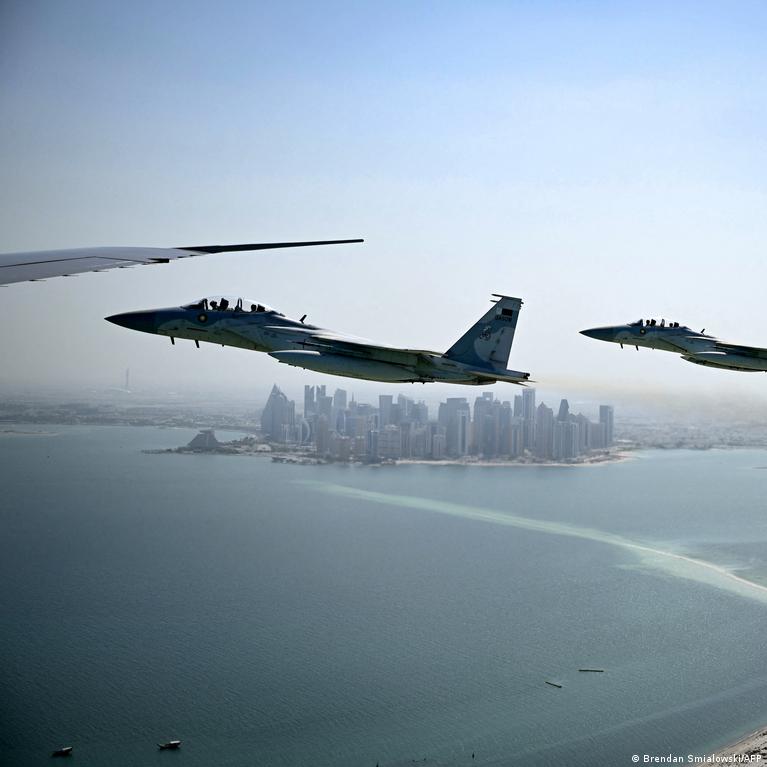
Market Confidence Collapse: The psychological impact extends beyond physical damage. Gulf nations have historically positioned themselves as secure havens for international business—Dubai's global business hub marketing and Qatar's conference infrastructure now face credibility damage. Foreign executives are fleeing the region, reducing business travel and tourism-dependent consumer spending. This signals potential 15-25% reduction in regional e-commerce demand for luxury goods, business travel accessories, and event-related merchandise categories that depend on Gulf market stability. Oil prices face sustained elevation (with potential Strait of Hormuz disruption concerns), increasing logistics costs 8-15% for sellers shipping through the region.
Strategic Uncertainty: Gulf leaders face a critical dilemma—whether to join military operations against Iran (risking direct retaliation) or intensify diplomatic efforts (which have proven ineffective). This uncertainty creates sustained operational risk with no clear resolution timeline. Sellers cannot reliably forecast when port operations will normalize, when air freight capacity will recover, or whether alternative routing will become necessary. The conflict represents a fundamental shift in Iran's strategic calculus, with the regime pursuing survival-focused tactics that deliberately target neighboring nations—suggesting escalation rather than de-escalation in coming weeks.
Questions 7
Which alternative logistics routes should I use if Gulf ports remain disrupted?
Consider three primary alternatives: (1) Southeast Asian transshipment—reroute through Singapore Port or Port Klang (Malaysia), adding 5-7 days but maintaining reliability; (2) African routes—use Port Said (Egypt) or Djibouti, adding 8-12 days but avoiding Gulf airspace; (3) Direct Asia-Europe—bypass Middle East entirely via longer ocean routes (adds 10-14 days but eliminates regional risk). Each option increases logistics costs 8-15% compared to UAE routing. Evaluate your inventory velocity: fast-moving SKUs justify premium routing, while slow-movers should consolidate shipments to reduce per-unit costs. Negotiate volume commitments with alternative 3PL providers now before capacity constraints tighten.
How does the Gulf military conflict affect my inventory stored in Dubai or Abu Dhabi?
The March 2026 escalation creates immediate operational risks for sellers with inventory in UAE-based warehouses. Iran's strikes directly targeted civilian infrastructure including airports and ports, with documented warehouse damage in Dubai. Sellers should expect 4-12 week shipping delays as port operations normalize and air freight capacity recovers. Contact your 3PL provider immediately to confirm facility status, assess damage to your inventory, and develop rerouting plans through alternative ports (Singapore, Port Klang Malaysia, or Jebel Ali alternatives). Prioritize high-velocity SKUs for emergency air freight if available, and prepare for 15-25% cost increases on expedited shipping.