

Hormuz Strait Closure Drives 4X Shipping Costs | Seller Logistics Crisis
- Freight rates surge from $100K to $424K daily; 60% vessel traffic collapse forces Cape of Good Hope rerouting; 4-5 month supply buffer at risk
















Overview
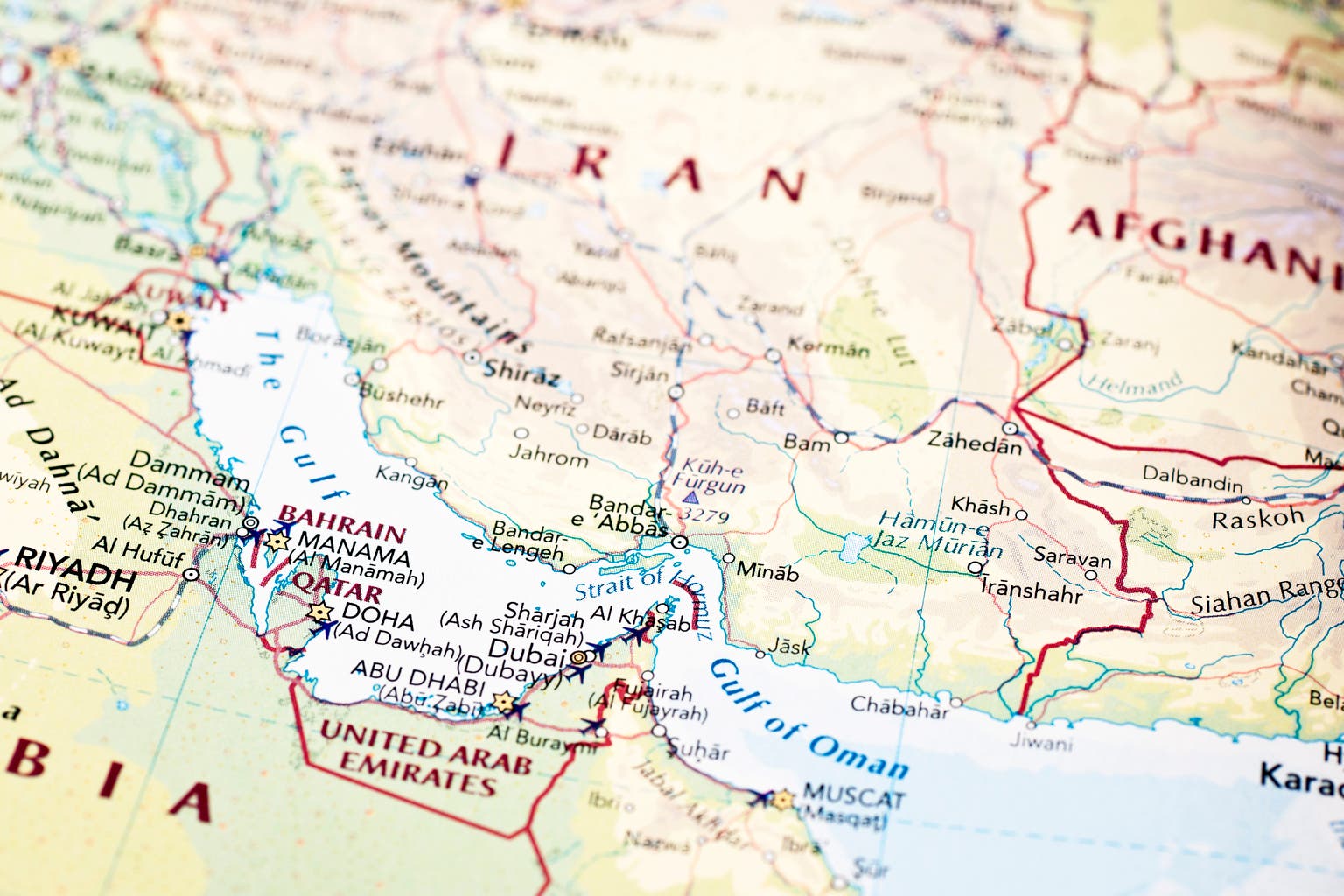
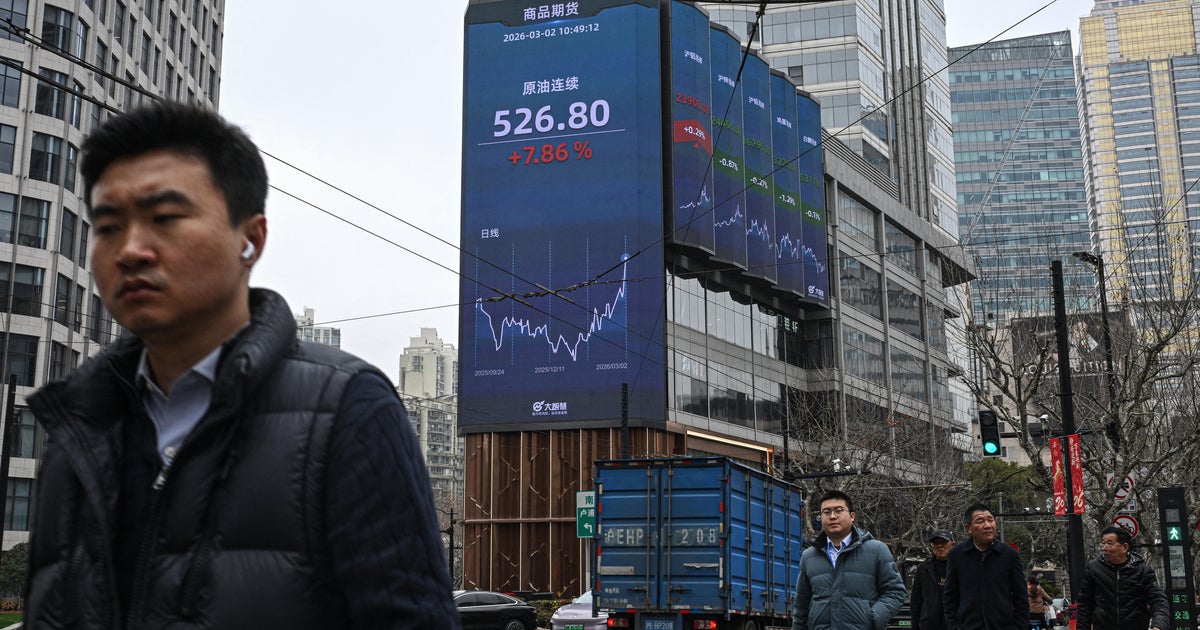
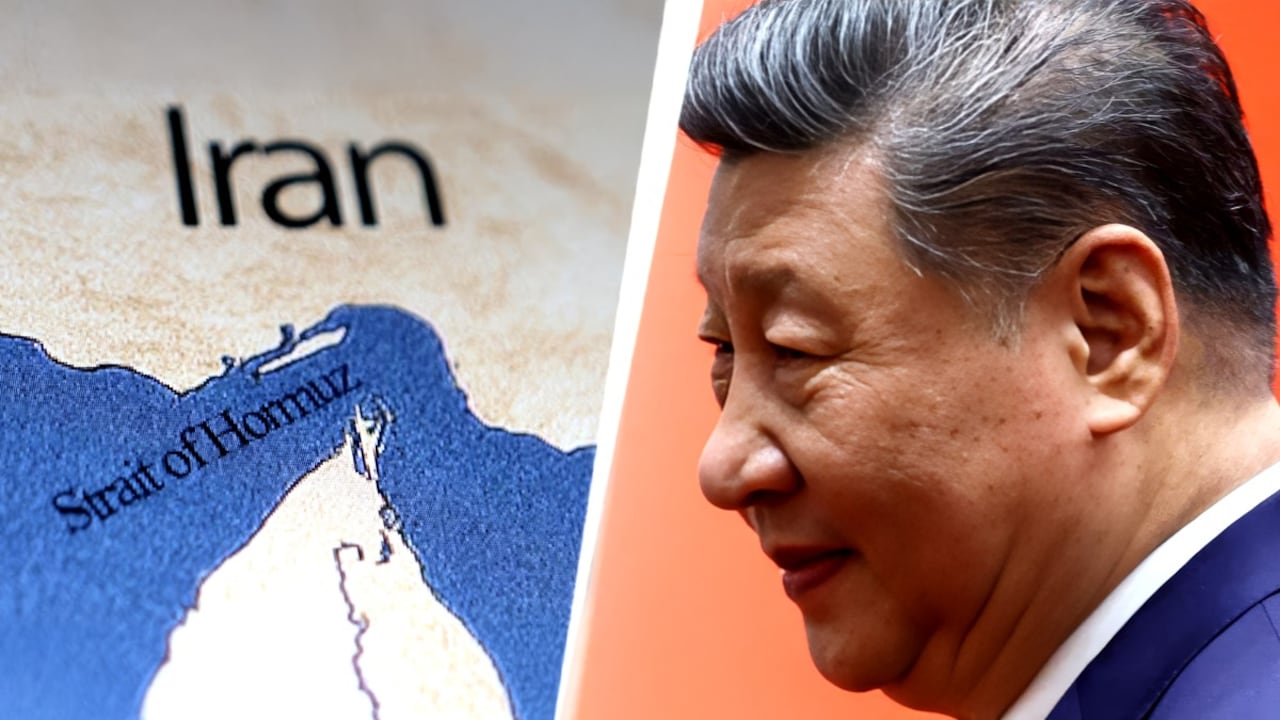
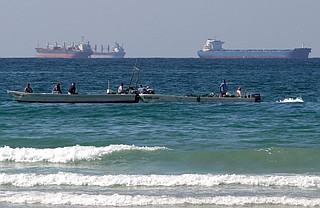
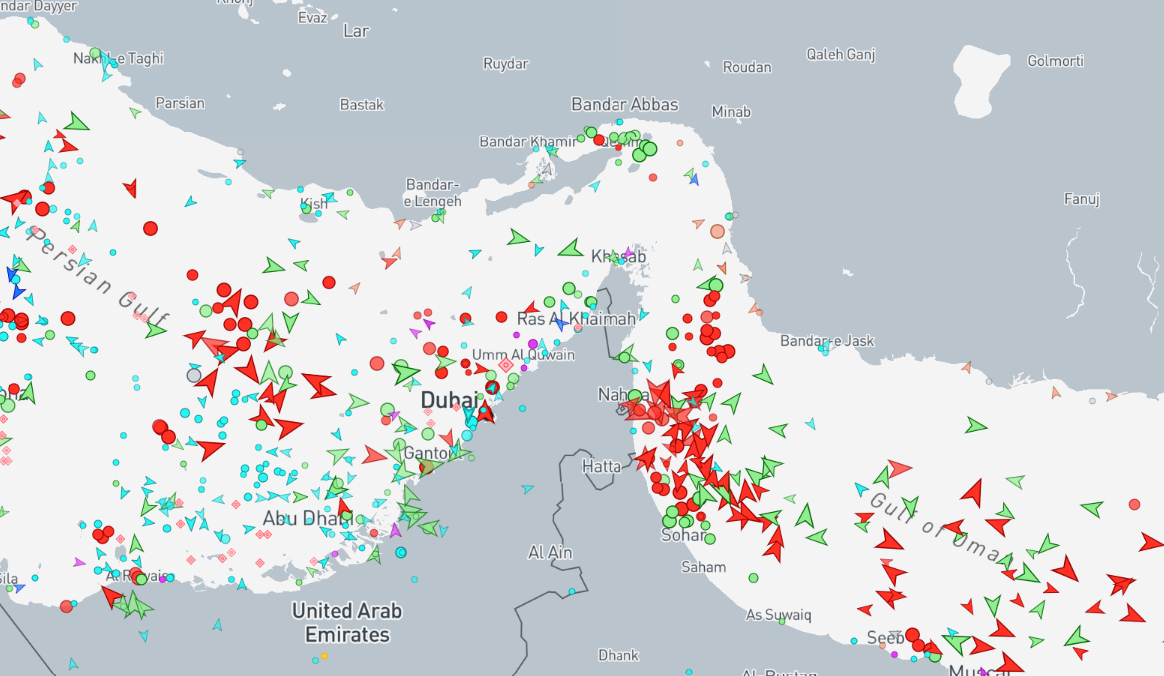
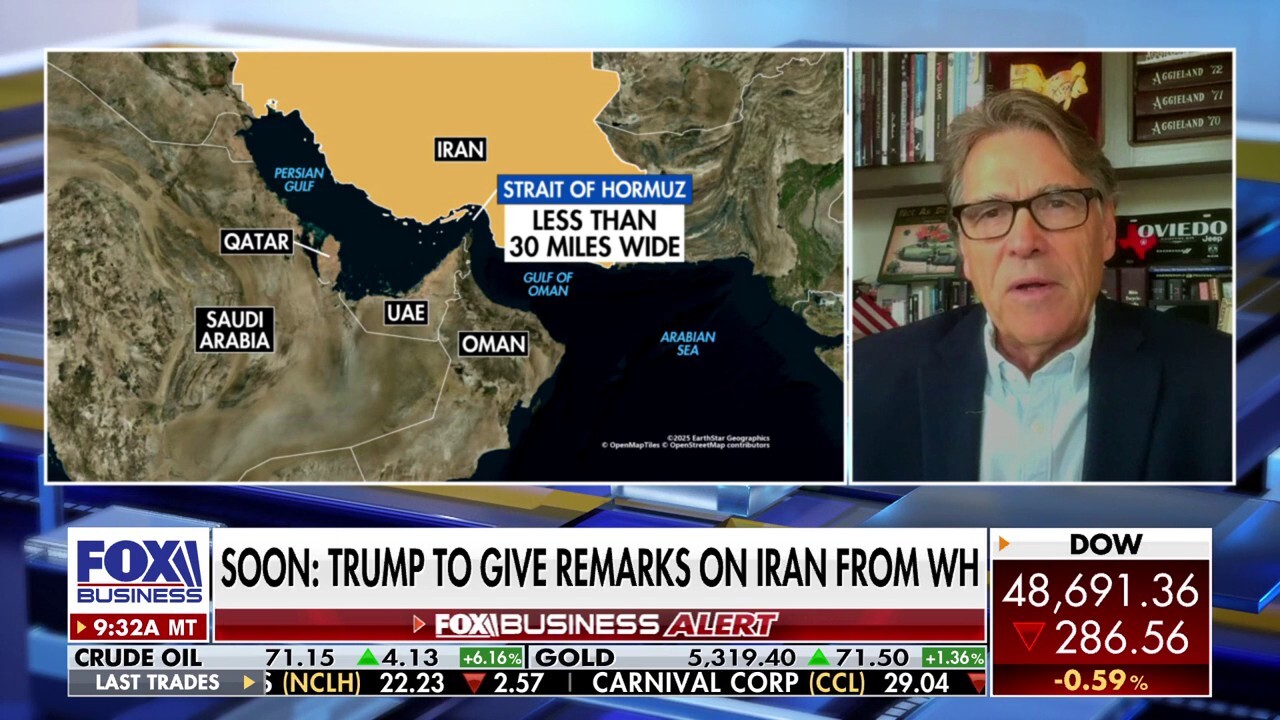
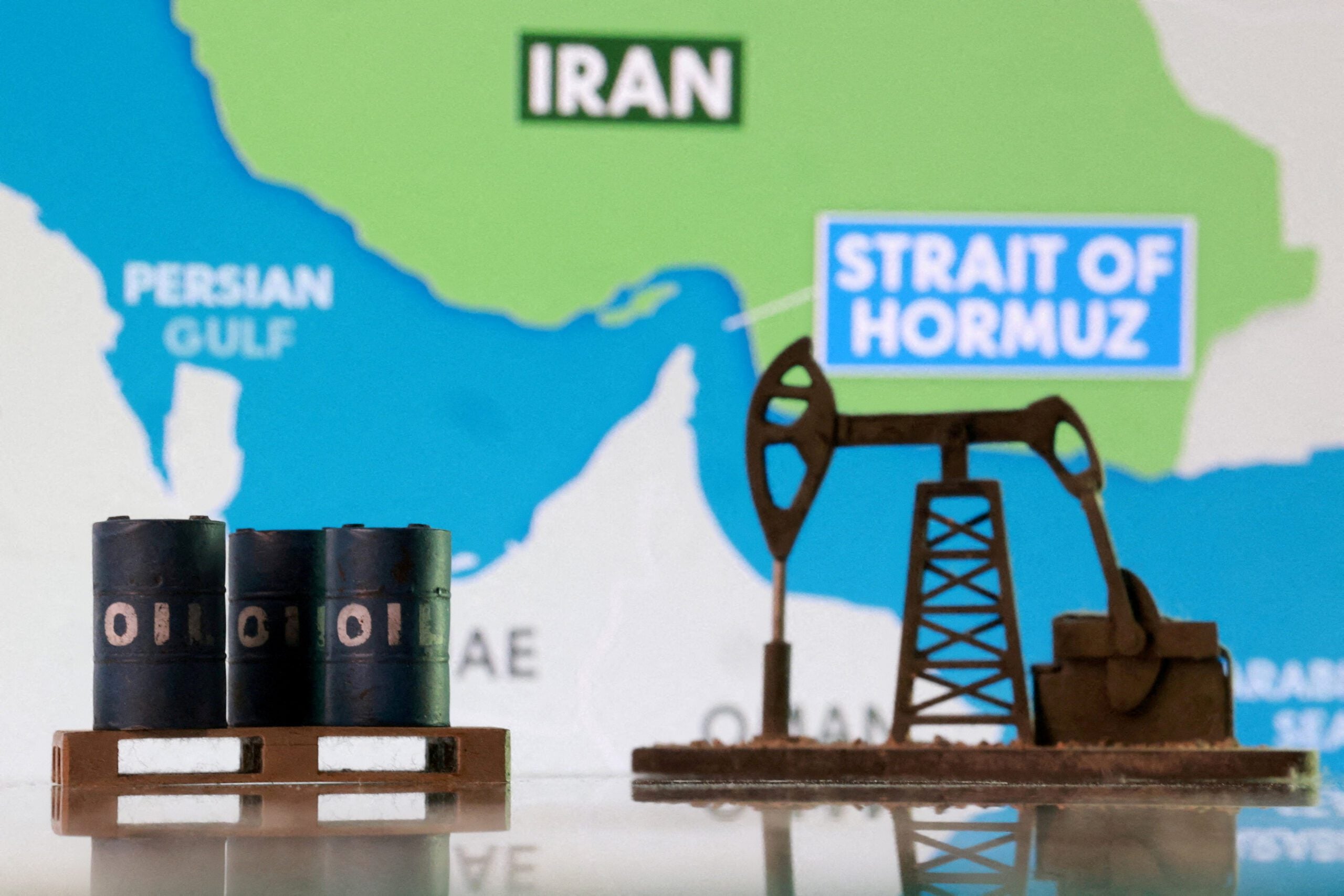
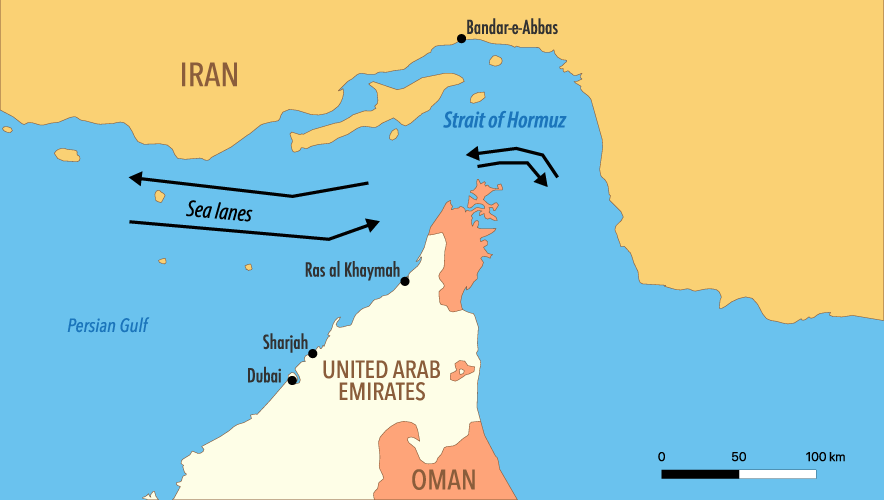
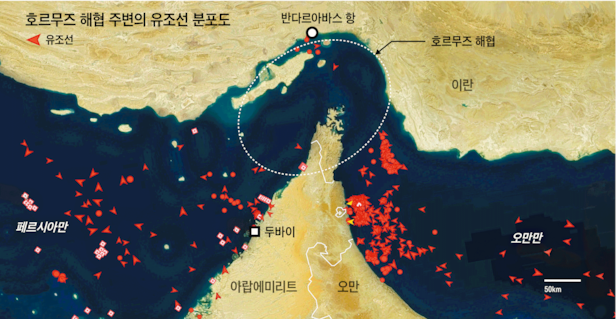
The Strait of Hormuz closure following US-Israel military operations against Iran (March 1-2, 2026) has created an unprecedented logistics crisis for cross-border e-commerce sellers. Vessel traffic collapsed 60% on March 2, 2026, with only 7 ships crossing versus the normal 79-vessel daily average, according to marine intelligence firm Windward. This critical chokepoint handles 20% of global seaborne crude oil, 20% of seaborne gas, and one-third of globally traded fertilizer—directly impacting shipping costs for sellers worldwide.
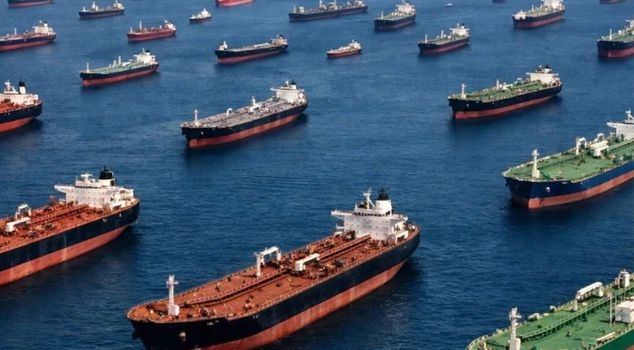
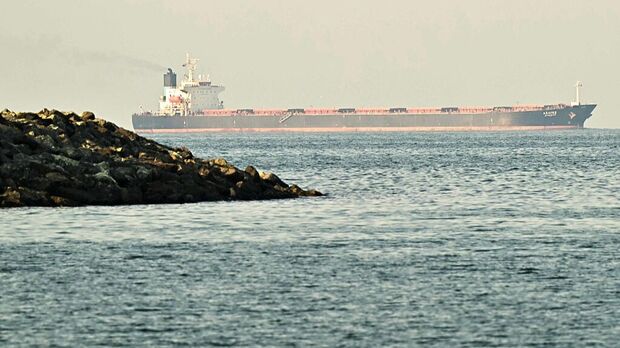
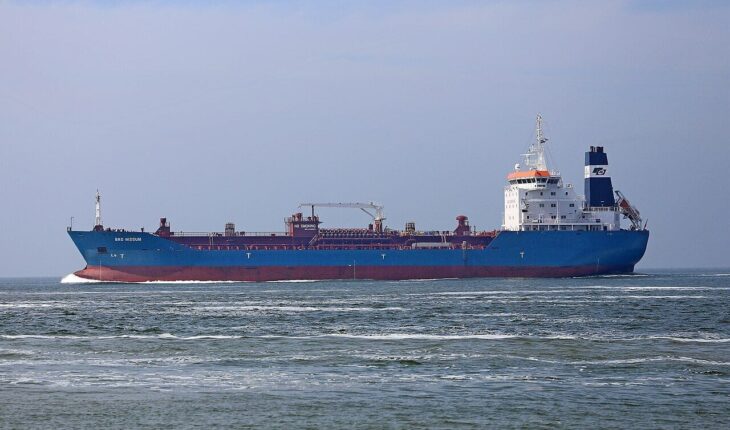
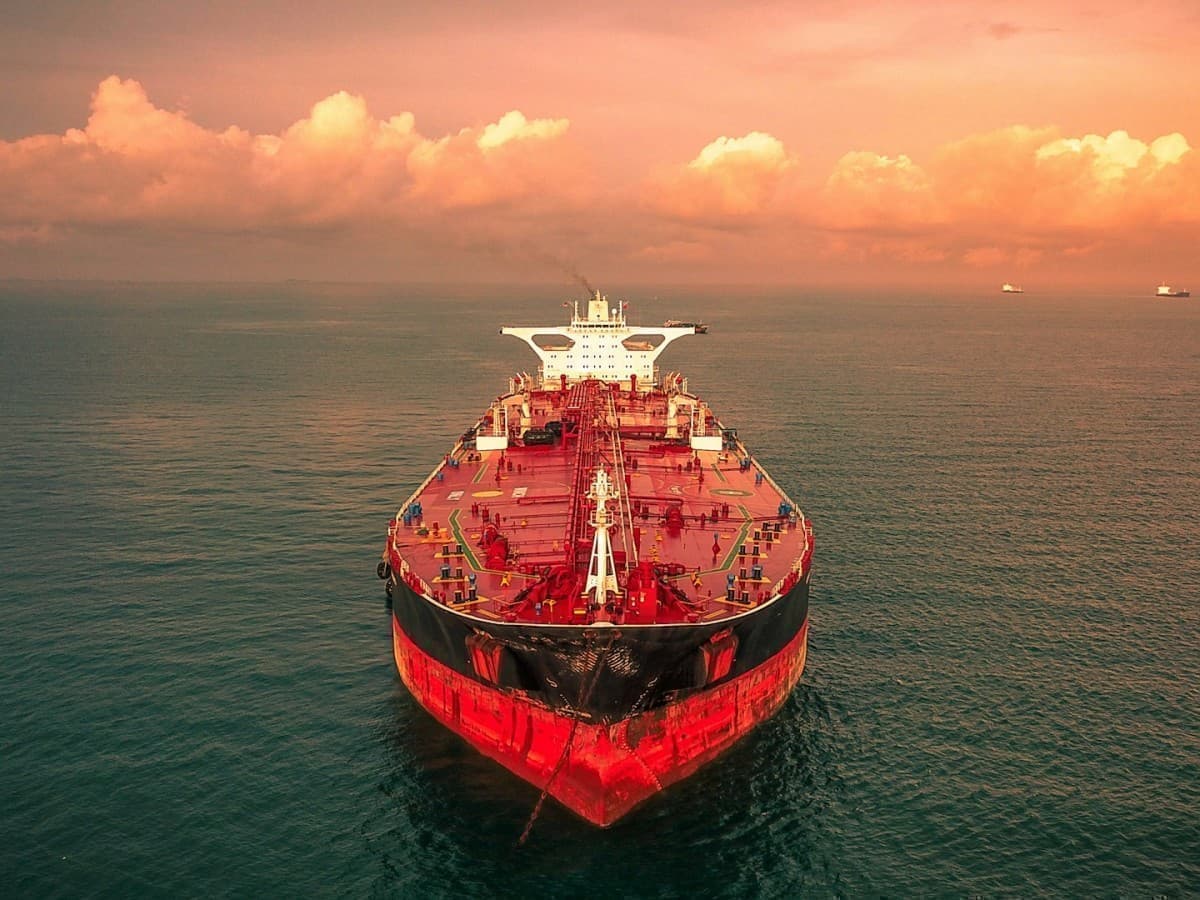
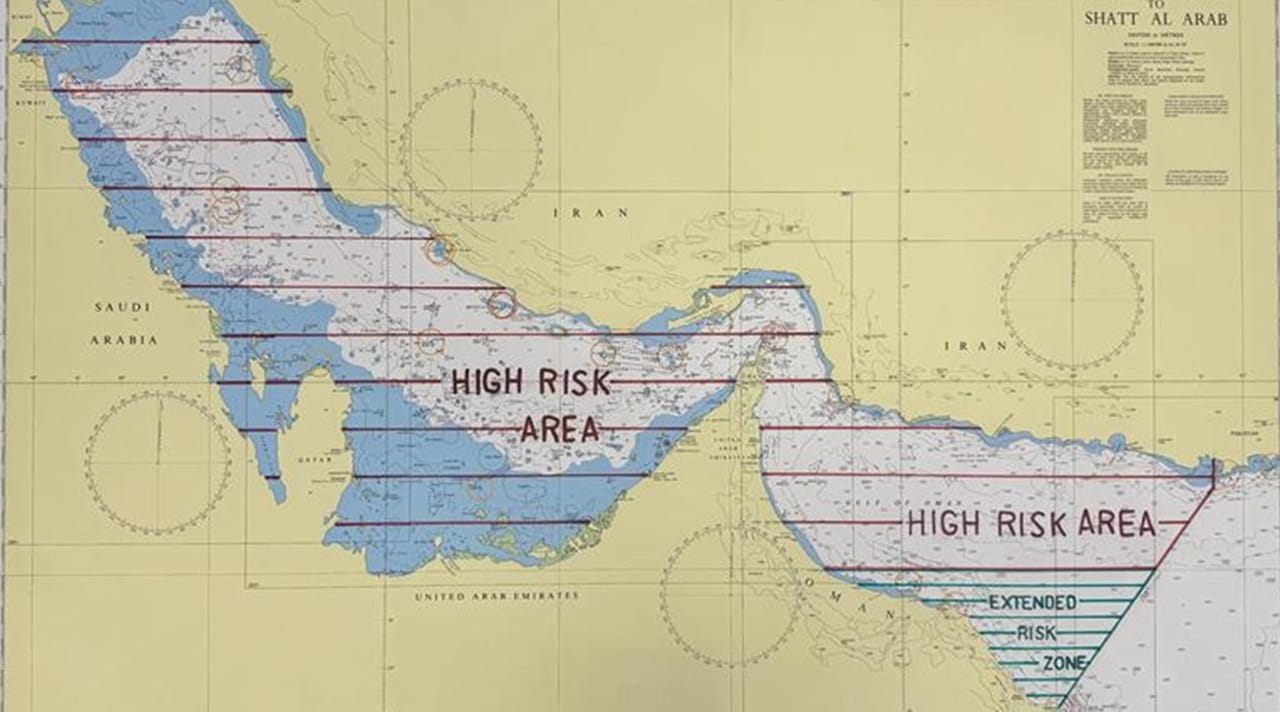
Immediate Cost Impact: Spot rates for very large crude oil carriers (VLCCs) from the Middle East to China have surged to $424,000 daily—a 324% increase from $100,000 rates just weeks prior. Container shipping giants Maersk and Hapag-Lloyd have announced rerouting around Africa's Cape of Good Hope, adding 10-14 days to transit times and increasing operational costs by 15-25% for affected shipments. At least 150 tankers are anchored in the Persian Gulf, representing 4% of the global fleet by tonnage, while maritime insurers have cancelled war risk coverage and expanded high-risk zones to include Bahrain, Djibouti, Kuwait, Oman, and Qatar.
China's Vulnerability: China imports 70% of its oil and gas, with 1.38 million barrels per day sourced from Iran (80% of Iran's oil exports). With only 4-5 months of petroleum reserves and 50% of energy still dependent on petroleum, the disruption threatens manufacturing capacity and logistics infrastructure. Henry Wang, president of the Centre for China Globalization, characterized the situation as a "manmade crisis" with far-reaching consequences for global supply chains.
Seller Segment Impact: Small-to-medium sellers (SMEs) relying on China-based manufacturing and Asian port logistics face the most acute pressure. Fulfillment costs will increase $200-400 monthly for sellers shipping 1,000+ units. Sellers dependent on time-sensitive categories (electronics, apparel, seasonal goods) face 3-4 week delivery delays, directly impacting inventory turnover and customer satisfaction metrics. India, Korea, Thailand, and Philippines-based sellers face particular vulnerability due to energy import dependence affecting local manufacturing costs and port operations.
Strategic Sourcing Opportunity: The crisis accelerates sourcing diversification away from China. Sellers should evaluate Vietnam, Indonesia, and India as alternative manufacturing bases to reduce Hormuz-dependent logistics. This represents a 6-12 month window before competitors establish alternative supply chains, creating first-mover advantages in cost structure optimization.
Questions 8
How much will shipping costs increase for sellers using China-based manufacturing?
Shipping costs are surging dramatically due to the Strait of Hormuz closure. Spot rates for very large crude oil carriers (VLCCs) have jumped from $100,000 to $424,000 daily—a 324% increase. For containerized e-commerce goods, Maersk and Hapag-Lloyd rerouting around Cape of Good Hope adds 10-14 days to transit times and increases operational costs by 15-25%. Sellers shipping 1,000+ units monthly should expect $200-400 additional monthly fulfillment costs. The disruption affects all Asia-to-global routes, with India, Korea, Thailand, and Philippines sellers facing particular vulnerability due to energy import dependence affecting local port operations and manufacturing costs.
What are the tariff and trade policy implications of the Hormuz crisis?
The crisis intersects with escalating US-China tensions over tariffs, Taiwan, and trade relations. Energy disruptions could destabilize global commodity prices, affecting product costs across all categories. If the conflict extends beyond 30 days, expect secondary tariff impacts: (1) US may impose emergency tariffs on energy-dependent imports; (2) China may retaliate with counter-tariffs on US goods; (3) EU may adjust tariff classifications for energy-intensive products. Sellers should monitor Trump administration trade policy announcements closely—the crisis occurs weeks before a planned Trump-China summit. Consider tariff hedging strategies: lock in pricing with suppliers before potential tariff changes, evaluate tariff code classifications for cost optimization, and monitor HS code changes affecting your categories. The situation represents a critical intersection of geopolitical risk and trade policy uncertainty requiring continuous monitoring through Q2 2026.