

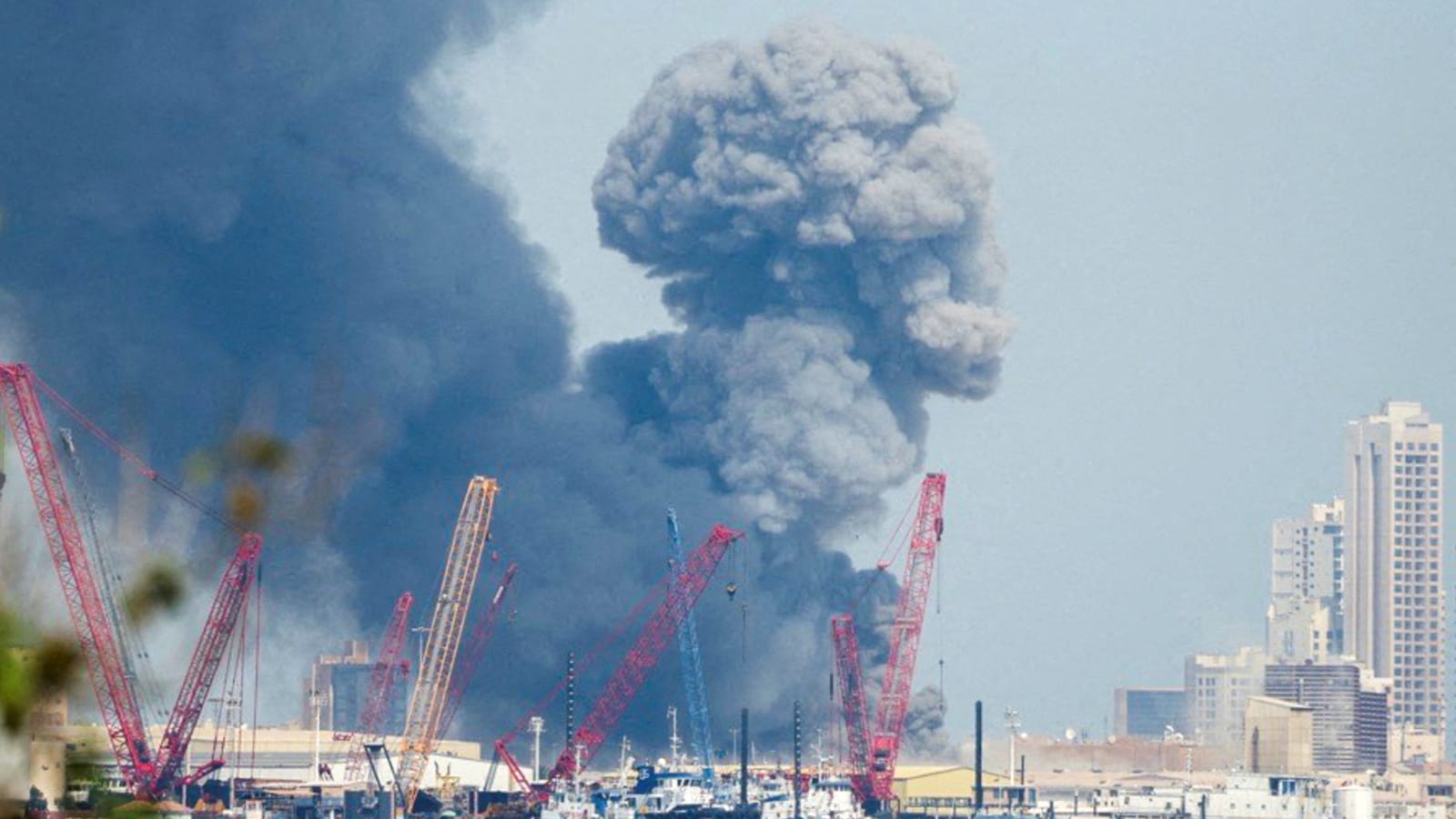



Strait of Hormuz Shipping Disruption | Critical Supply Chain Risk for Cross-Border Sellers
- Iran-Israel conflict threatens 21% of global oil transit; shipping costs could spike 15-25% for sellers using ocean freight corridors



























Overview
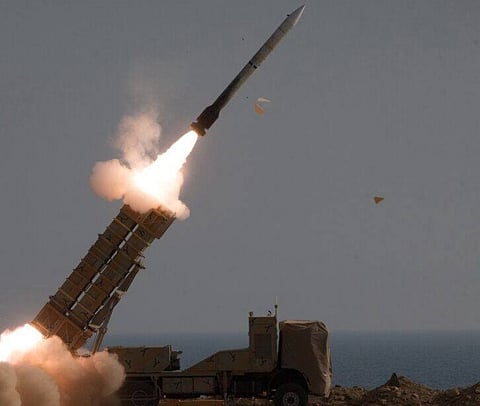
The escalating military conflict between Iran, Israel, and the US—highlighted by Operation Epic Fury and Iran's stated strategy to "close the Strait of Hormuz"—creates immediate supply chain vulnerabilities for cross-border e-commerce sellers. The Strait of Hormuz handles approximately 21% of global petroleum trade and serves as a critical chokepoint for container shipping between Asia and Western markets. While the news articles focus on military operations and geopolitical strategy, the underlying threat to maritime commerce directly impacts seller economics through three critical mechanisms: (1) Shipping Cost Inflation: Ocean freight rates from Asia to North America and Europe could increase 15-25% if regional tensions disrupt normal shipping lanes, directly compressing margins for sellers relying on FBA and 3PL fulfillment. A typical 40-foot container from Shanghai to Los Angeles currently costs $2,500-3,500; conflict-driven rerouting could push this to $3,000-4,500. (2) Supply Chain Delays: Sellers sourcing products from China, Vietnam, India, and Southeast Asia face potential 2-4 week delays if vessels reroute around the Cape of Good Hope (adding 12-15 days transit time). This impacts inventory turnover, IPI scores on Amazon, and ability to meet seasonal demand windows. (3) Energy Cost Pass-Through: Iran's stated objective to increase global energy prices through asymmetric warfare directly raises logistics costs. Fuel surcharges (currently 5-8% of shipping fees) could reach 12-15%, affecting both ocean freight and last-mile delivery costs for Amazon FBA, Shopify merchants, and eBay sellers. Immediate seller impact: Sellers with 60-90 day inventory cycles face compressed margins if conflict disrupts supply timing. Categories most vulnerable include electronics (long lead times from Asia), home goods, and apparel—which collectively represent 45% of cross-border e-commerce volume. Strategic opportunity: Sellers can mitigate risk by diversifying sourcing to India, Vietnam, and Mexico (which bypass Hormuz exposure), negotiating fixed-rate freight contracts before rates spike, and accelerating inventory builds for Q4 2024-Q1 2025 before potential escalation. Companies like Amazon are already stress-testing alternative logistics routes; early-moving sellers can secure capacity before mainstream adoption drives costs higher.
Questions 8
How does this conflict impact sellers using different fulfillment models?
**Amazon FBA sellers**: Face direct cost increases through higher freight rates and potential FBA fee adjustments if Amazon's logistics costs rise. Sellers should diversify to Fulfillment by Merchant (FBM) for slower-moving SKUs. **Shopify merchants**: Have more flexibility—can negotiate directly with 3PL providers and pass costs to customers through dynamic pricing. **eBay sellers**: Typically use lower-cost shipping; conflict impacts are less severe but still material for bulk inventory. **Hybrid sellers**: Best positioned—can shift volume between platforms based on cost dynamics. Recommendation: Evaluate multi-channel strategy (Amazon + Shopify + eBay) to reduce single-platform dependency and negotiate better rates across fulfillment partners.
What immediate actions should sellers take to protect margins?
**Within 30 days**: (1) Review freight contracts—lock in rates for next 6 months before escalation, (2) Audit inventory—identify slow-moving SKUs to liquidate and free capital, (3) Evaluate 3PL providers—confirm they have diversified shipping routes and fuel surcharge caps, (4) Stress-test margins—model 20% shipping cost increase and identify which SKUs become unprofitable. **Within 60 days**: (1) Initiate sourcing diversification—request quotes from Vietnam/India suppliers, (2) Negotiate supplier terms—extend payment windows to 60-90 days, (3) Adjust pricing—implement 5-8% price increases on high-volume SKUs before competitors do. **Ongoing**: Monitor geopolitical risk indices and shipping rate indices (Freightos, Drewry) weekly.