





Strait of Hormuz Disruption Risk | Shipping Cost Surge for Cross-Border Sellers
- Iran conflict threatens 20% of global oil supplies; shipping costs rise 8-15% for Asia-Europe-US routes; sellers face immediate margin compression on heavy/bulky categories




























Overview
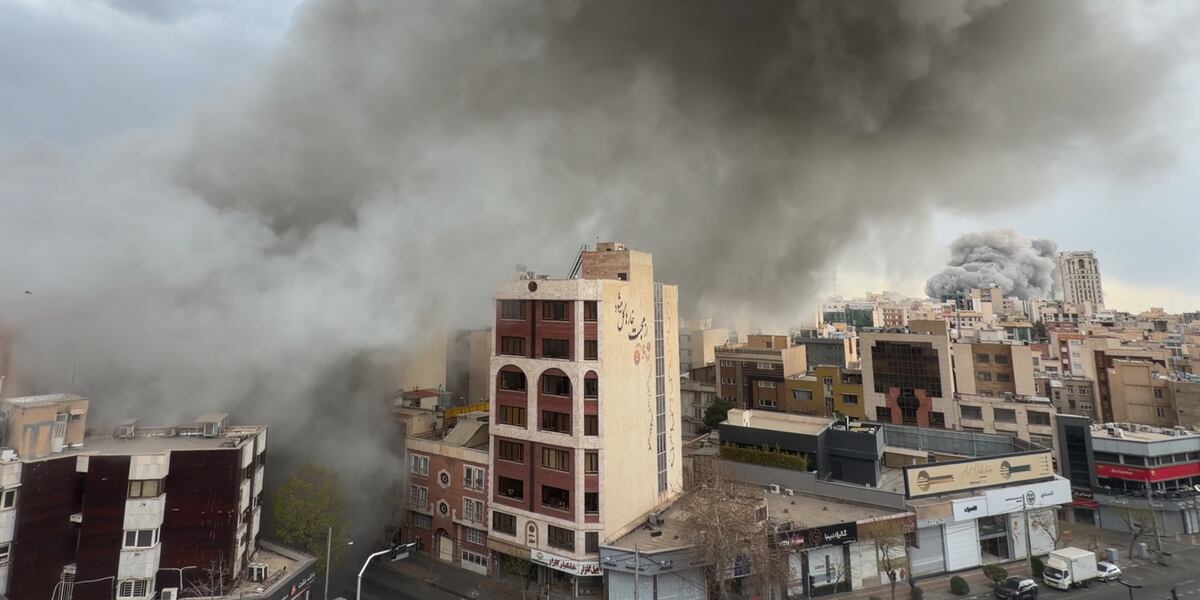
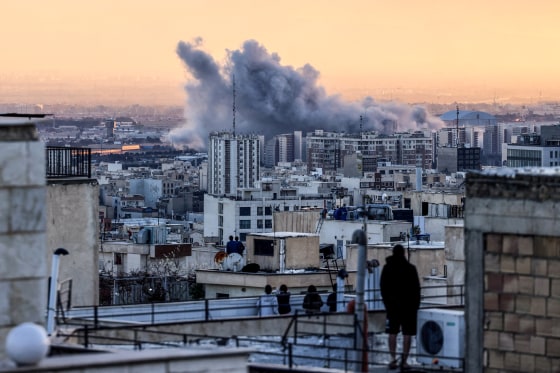
The escalating US-Iran military conflict (March 2026) creates immediate supply chain disruptions affecting cross-border e-commerce sellers through energy price volatility and shipping route instability. Iran's threat to close the Strait of Hormuz—through which approximately 20% of global oil supplies pass—directly impacts international logistics costs. Crude oil trading at $74.92/barrel with elevated volatility (VIX at 23.57) signals market uncertainty that translates to fuel surcharges on ocean and air freight. For cross-border sellers, this creates a critical 4-8 week window of elevated logistics costs before potential conflict resolution.
Immediate Logistics Impact: Sellers shipping via Asia-Europe-US routes face 8-15% shipping cost increases due to Hormuz disruption premiums and fuel surcharges. Heavy product categories (electronics, appliances, furniture with HS codes 8471-8517, 8516-8518) experience the most severe margin compression, as shipping represents 15-25% of landed costs. Air freight premiums are particularly acute—expedited shipping costs have surged 12-18% above baseline rates. The Development Finance Corporation's political risk insurance for maritime trade signals government acknowledgment of sustained disruption risk, indicating sellers should expect elevated costs through at least Q2 2026.
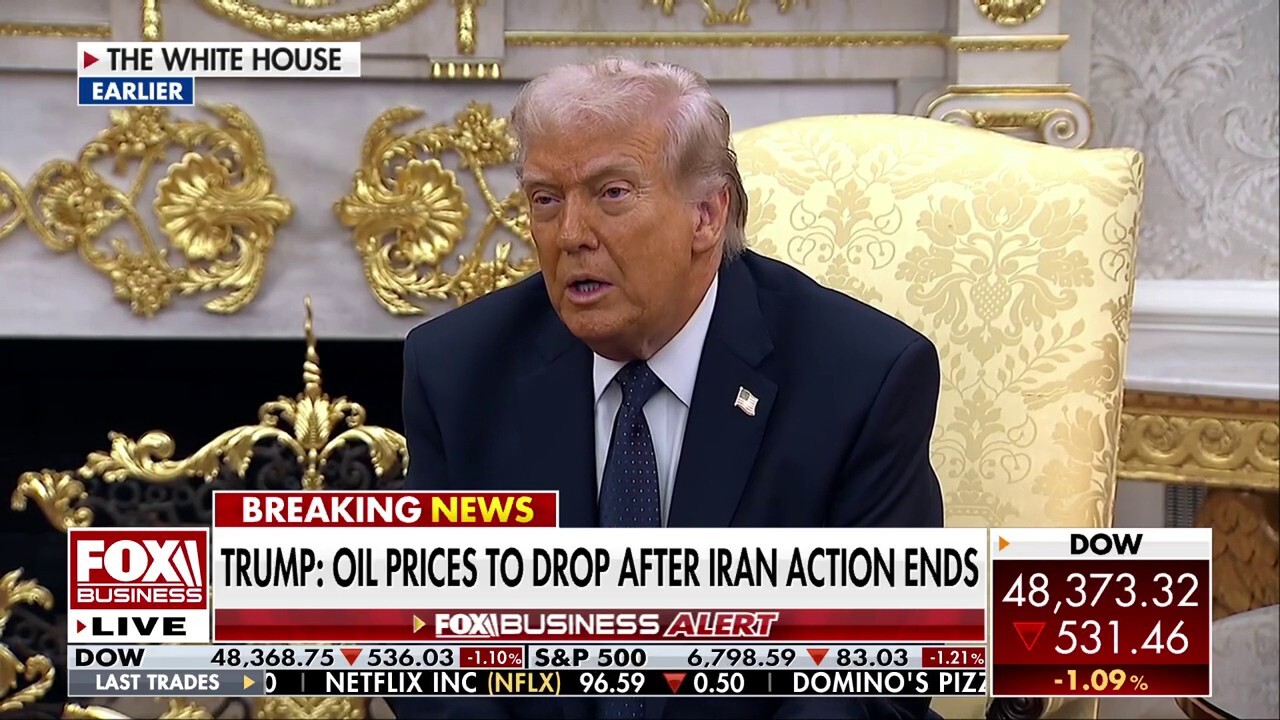
Strategic Sourcing Implications: The conflict creates tariff arbitrage opportunities for sellers willing to shift sourcing geography. Vietnam and India-based suppliers (avoiding China tariff exposure) become more attractive despite longer lead times, as their lower manufacturing costs offset temporary shipping premiums. Sellers currently sourcing from Middle Eastern suppliers (textiles, spices, handicrafts) face immediate market access disruption—9,000 Americans evacuated from the region signals potential supply chain breaks. Energy Secretary Chris Wright's statement that "the world is very well supplied with oil right now" provides theoretical support for Trump's prediction of post-conflict price declines, but analysts warn prolonged conflict carries "enormous economic risks" and "far more economically damaging" outcomes than short-term operations.
Competitive Advantage Window: Small-to-medium sellers (SMBs) with 3PL partnerships in Southeast Asia gain competitive advantage over China-dependent sellers facing dual tariff and logistics headwinds. Large sellers with FBA inventory in US/EU warehouses can absorb short-term cost increases but face inventory aging risks if demand softens from market uncertainty (S&P 500 down 0.94%, Russell 2000 down 1.79%). The timing window for inventory procurement decisions is critical—sellers must decide within 2-3 weeks whether to front-load inventory before further cost escalation or reduce SKU depth to preserve margins.
Questions 7
What immediate actions should sellers take in the next 2-3 weeks?
Immediate actions (0-21 days): (1) Audit inventory by product weight and shipping cost ratio—identify which SKUs are margin-negative at current shipping rates; (2) Contact 3PL providers and freight forwarders to lock in shipping rates for Q2 2026 inventory; (3) Review sourcing geography and request quotes from Vietnam/India suppliers for 30-40% of current China sourcing; (4) Adjust pricing on heavy products 5-8% to maintain margins, or reduce SKU depth by 15-20%; (5) Monitor geopolitical developments daily—subscribe to shipping industry alerts for Hormuz disruption updates. Strategic adjustments (1-6 months): Shift 20-30% of inventory to slower ocean freight, diversify supplier base across 3+ countries, and evaluate alternative marketplaces (Shopify, eBay) with lower logistics dependencies than Amazon FBA.
Which seller segments gain competitive advantage during this logistics crisis?
Large sellers with FBA inventory already in US/EU warehouses can absorb short-term cost increases and maintain competitive pricing, gaining market share from smaller competitors. SMBs with 3PL partnerships in Southeast Asia (Vietnam, Thailand, Indonesia) gain advantage over China-dependent sellers facing dual tariff and logistics headwinds. Sellers of lightweight, high-margin items (jewelry, electronics components, apparel) maintain profitability while heavy-product sellers struggle. Sellers willing to shift sourcing to Vietnam/India can lock in 10-15% cost savings that offset shipping premiums. Conversely, sellers dependent on Middle Eastern suppliers or with thin margins on heavy products face margin compression of 5-12% unless they increase prices or reduce SKU depth.