


Geopolitical Oil Crisis & Fuel Surges | Critical Cost Pressure for Cross-Border E-Commerce Sellers
- Overnight gasoline spikes trigger 24-72 hour carrier surcharges; Iran conflict creates Strait of Hormuz disruption affecting 21% of global oil traffic; small business margin compression 8-15% within 30 days

























Overview
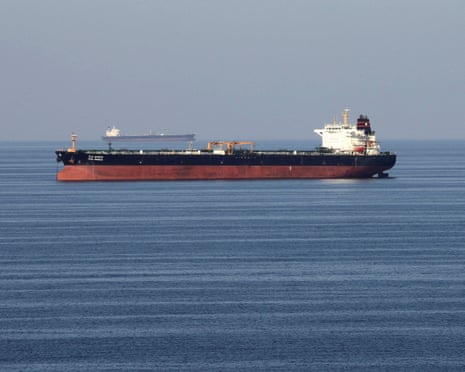
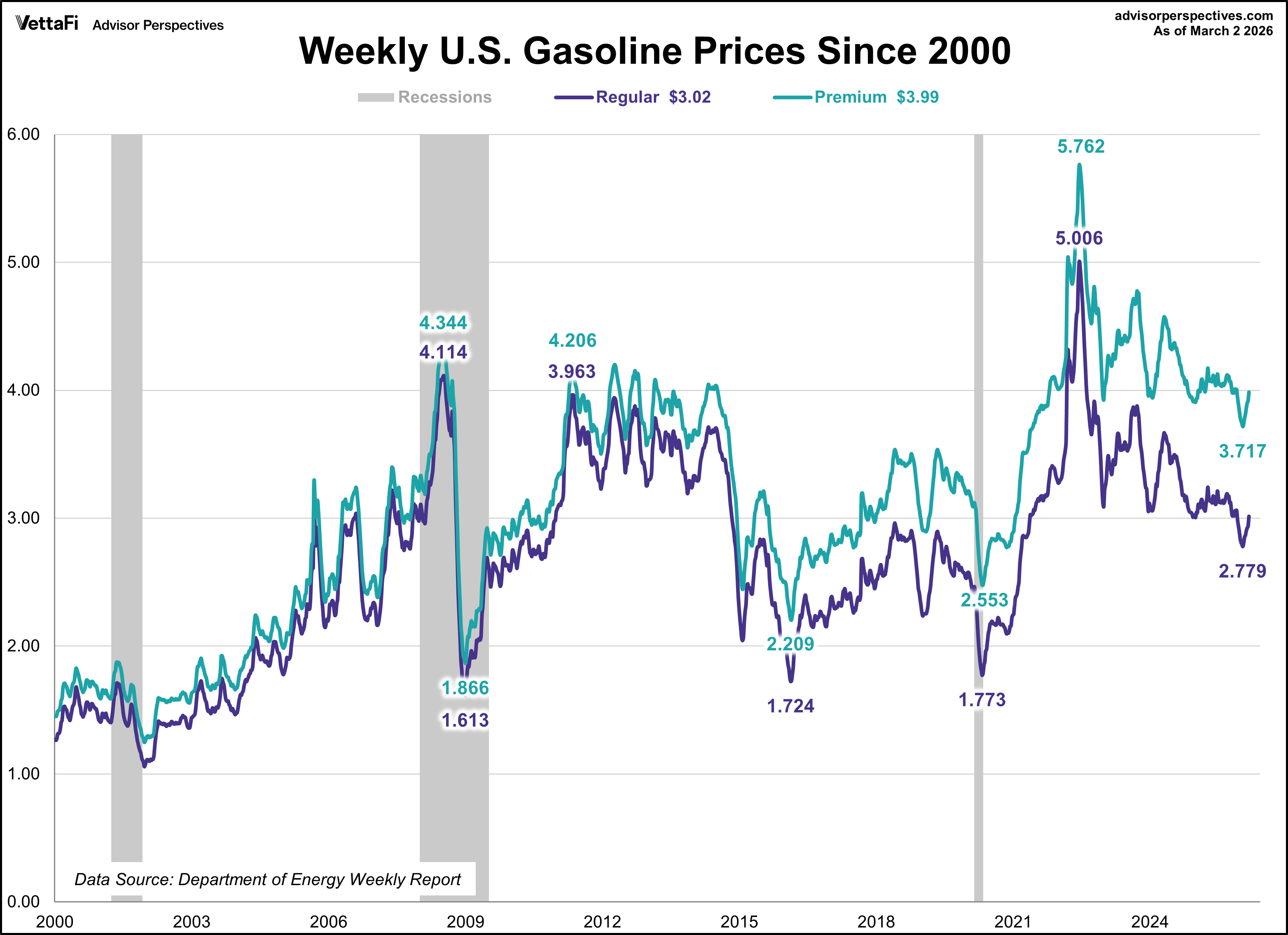
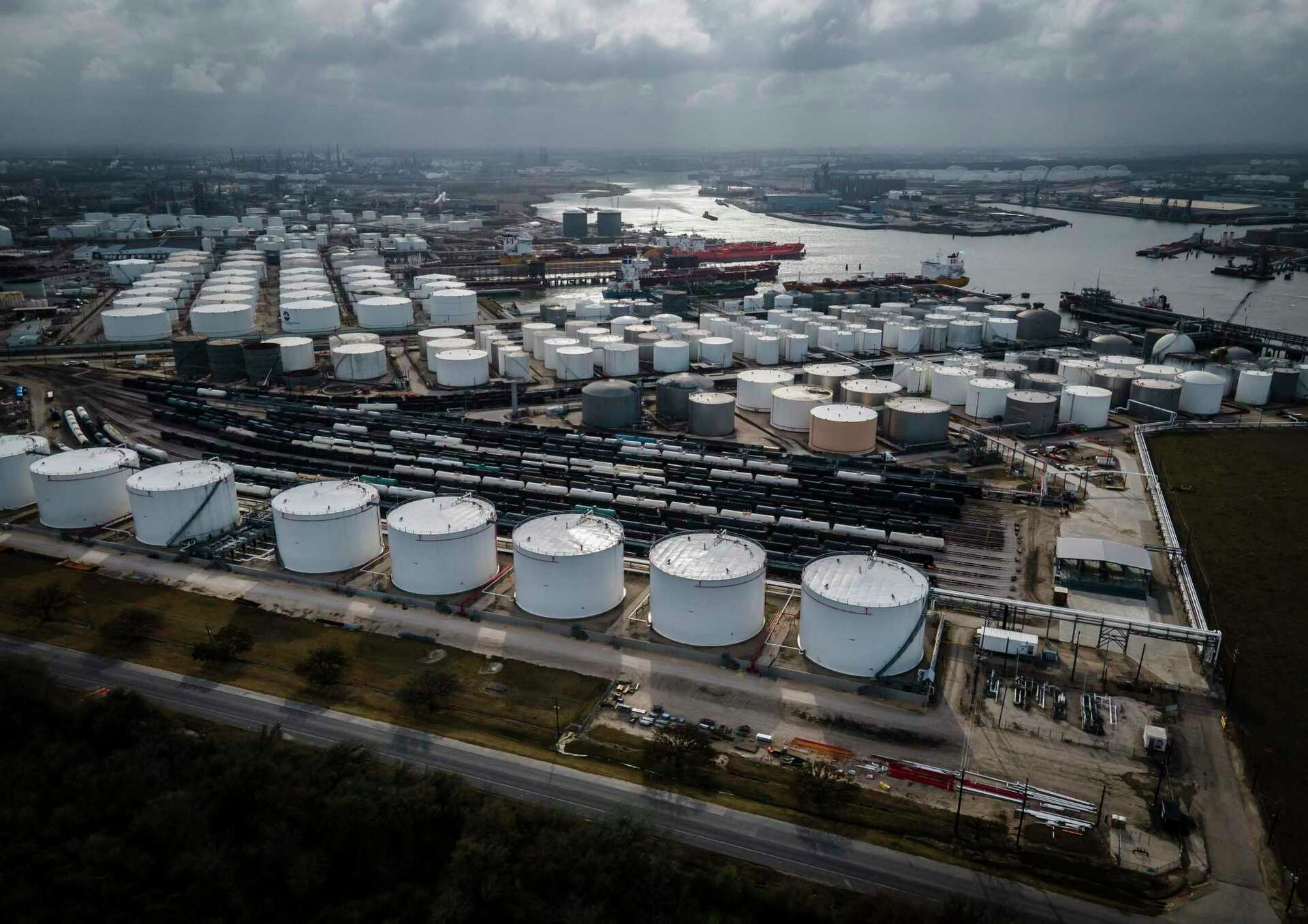
CRITICAL MARKET SHIFT: A dual energy crisis is compressing e-commerce seller margins across North America and globally. News reports document an overnight gasoline price spike in the U.S. (triggering immediate cross-border fuel purchasing behavior) combined with a geopolitical oil surge driven by Iran-related Middle East conflict and Strait of Hormuz disruptions affecting major Saudi Arabian refinery operations (published March 3, 2026). This creates an unprecedented dual cost squeeze: sudden fuel volatility + sustained tariff pressures under Trump administration policies.
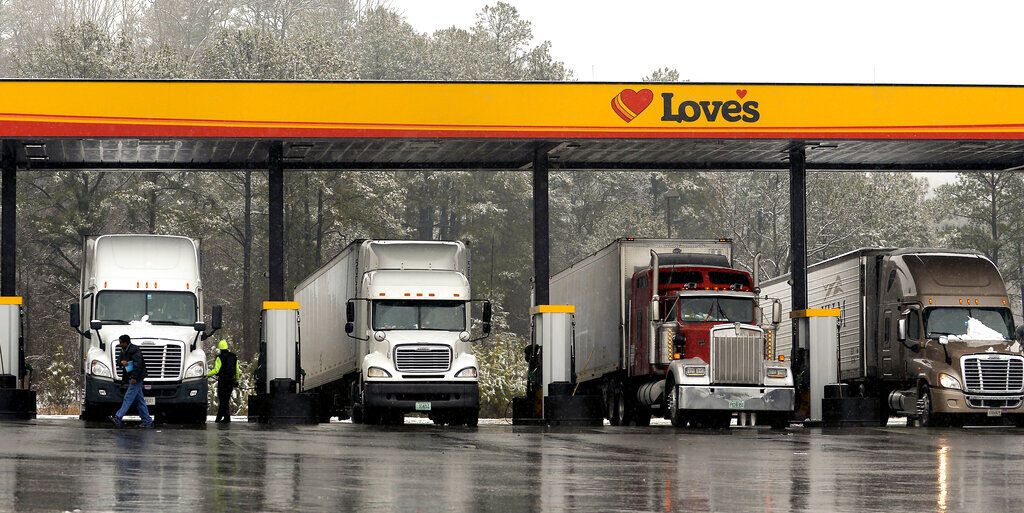
IMMEDIATE LOGISTICS IMPACT: Fuel price volatility triggers carrier surcharge adjustments within 24-72 hours from FedEx, UPS, and DHL. Sellers relying on ground transportation, last-mile delivery, and international shipping face immediate margin compression of 8-15% depending on shipping volume and route. The Strait of Hormuz disruption is particularly acute—this waterway handles approximately 21% of global oil traffic, making supply chain vulnerabilities acute for fuel-dependent operations. Federal Reserve data confirms rising costs for goods, services, and wages represent the most common financial challenge reported by U.S. small businesses, with many already forced to choose between cost absorption or price increases to customers.
SELLER SEGMENT DIFFERENTIATION: The impact varies dramatically by seller profile. Small sellers (under 1,000 units/month) absorbing fuel surcharges face 5-8% margin compression; medium sellers (1,000-5,000 units) see 8-12% pressure; high-volume sellers (5,000+ units) can negotiate carrier contracts but face 10-15% cost increases on expedited/air freight. Sellers managing last-mile delivery and international logistics face the most acute pressure. Regional price differentials create competitive advantages for sellers optimizing warehouse locations—understanding fuel cost variations across North American markets becomes strategically critical. The timing coincides with broader market volatility (Fear & Greed Index at 32), indicating fear-driven conditions affecting business confidence and investment decisions.
STRATEGIC SOURCING IMPLICATIONS: The combined tariff + fuel cost environment creates incentives for sourcing country shifts. Vietnam and India-based suppliers may gain competitive advantage over China-based sourcing if fuel costs for air freight from China exceed tariff savings. Sellers should evaluate 3PL provider contracts immediately—many carriers will implement fuel surcharges within 30 days. The cross-border purchasing behavior mentioned in news reports (drivers filling tanks across borders) signals regional price arbitrage opportunities, but also indicates supply chain stress that could extend to inventory transportation costs.
Questions 8
How should I adjust my warehouse location strategy given regional fuel price variations?
Regional fuel price differentials create competitive advantages for sellers optimizing warehouse locations. The news reports cross-border fuel purchasing behavior, indicating significant price variations between U.S. regions and neighboring markets. Sellers should evaluate warehouse locations based on fuel costs to major shipping hubs: Texas (lower fuel costs, proximity to Mexico), California (higher fuel costs but large market), and Midwest (moderate costs, central distribution). For sellers using 3PL providers, negotiate rates based on warehouse location fuel cost indices. Consider shifting 20-30% of inventory to lower-cost fuel regions if demand distribution allows. Recalculate warehouse location economics quarterly as fuel prices fluctuate. This becomes increasingly important as fuel surcharges compound over time.
What is the cost difference between absorbing fuel surcharges versus passing them to customers?
Absorption reduces profit margins 8-15% depending on shipping volume and category. A seller with 30% gross margins shipping 2,000 units monthly faces $300-600 monthly margin compression if absorbing surcharges. Passing costs to customers via 5-8% price increases typically reduces conversion rates 2-5% but maintains margins. The optimal strategy depends on category elasticity: luxury goods (low elasticity) support price increases; commodity items (high elasticity) require absorption. Test price increases on 20% of inventory to measure customer response. Federal Reserve data shows small businesses already raising prices, suggesting market acceptance. For sellers with Buy Box exposure on Amazon, price increases may reduce competitiveness—consider selective increases on non-Buy Box SKUs first.