
Federal Reserve's High-Stakes Rate Cut Dilemma Reveals Economic Uncertainty
- Powell Navigates Complex Economic Landscape with Cautious Monetary Policy Approach

































Overview
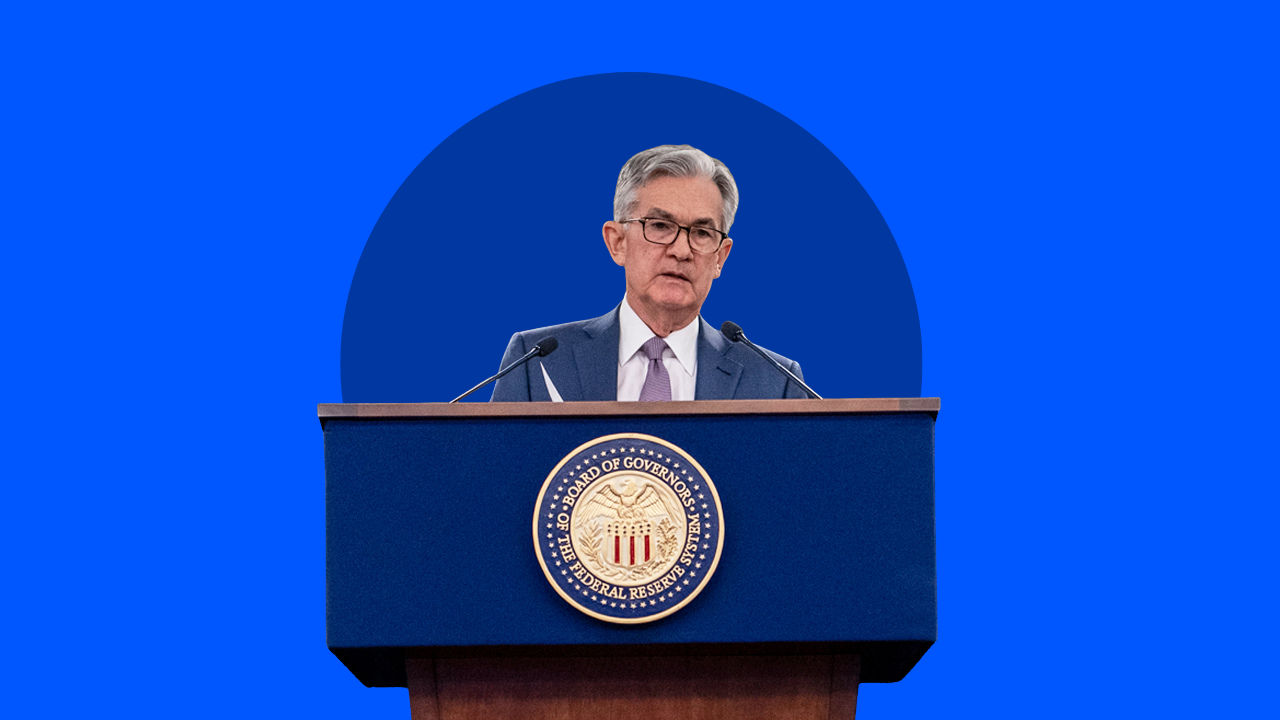
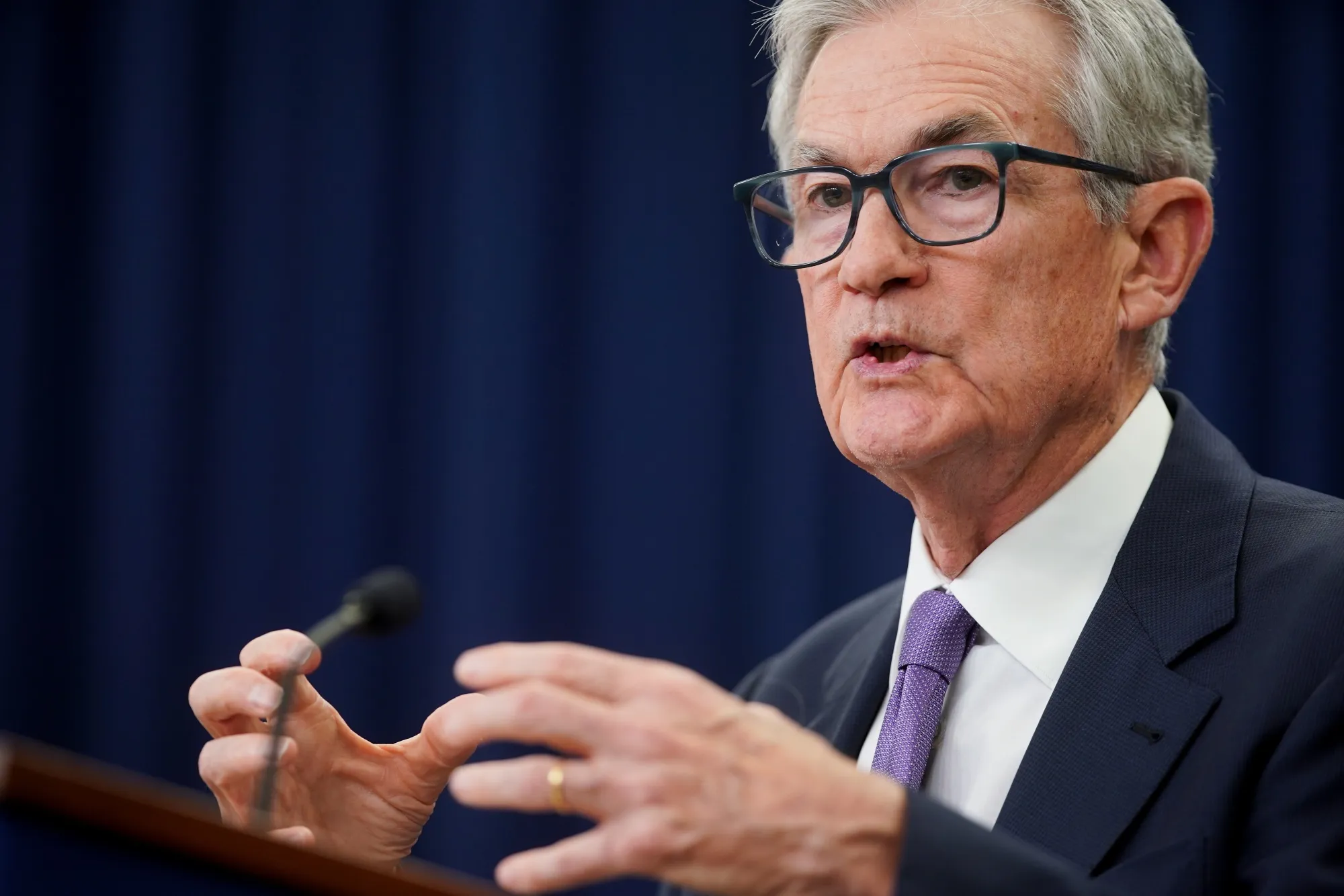
The Federal Reserve stands at a critical economic crossroads, with its final rate decision of the year reflecting unprecedented complexity and internal division. Jerome Powell faces a multifaceted challenge that goes far beyond simple interest rate adjustments, representing a delicate balancing act between managing inflation, supporting economic growth, and maintaining market confidence.
Market volatility emerges as a key backdrop to these deliberations. Current rates hovering between 3.75-4% represent more than just numerical figures—they symbolize the Fed's nuanced approach to an economy experiencing mixed signals. Powell's metaphorical description of decision-making as "driving in fog" perfectly captures the uncertainty surrounding monetary policy. The committee's internal splits highlight the profound complexity of current economic conditions, with resurgent price pressures and stalling job growth creating a challenging landscape.
The potential rate cut carries significant strategic implications. Unlike previous economic cycles, this decision is not a straightforward stimulus measure but a carefully calibrated response to multifaceted economic indicators. Investors and market participants are closely watching not just the rate cut itself, but the underlying reasoning and future guidance. The Fed's cautious stance suggests a recognition that traditional monetary tools may have diminishing effectiveness in the current global economic environment.
Critically, this moment represents more than a technical monetary adjustment—it's a pivotal test of the Federal Reserve's credibility and adaptive capacity. Powell must navigate external political pressures, internal committee divisions, and complex macroeconomic trends while maintaining market stability. The potential for this to be the last rate cut in the current cycle adds additional weight to the decision, signaling a potentially transformative moment in U.S. monetary policy.
For financial strategists and investors, the key takeaway is clear: flexibility and nuanced interpretation will be crucial. The Fed's approach demonstrates that economic management now requires unprecedented levels of contextual understanding and adaptive strategy.
Questions 3
Why is the Federal Reserve considering a rate cut in the current economic environment?
The Fed is responding to complex economic signals including stalling job growth and potential inflationary pressures. The rate cut represents a nuanced approach to maintaining economic stability, balancing the need for stimulus with careful monetary management.
What makes this potential rate cut different from previous economic cycles?
Unlike traditional rate cuts, this decision reflects unprecedented economic uncertainty. The Fed is not just adjusting rates, but carefully calibrating its response to mixed economic indicators, external political pressures, and global economic trends.