


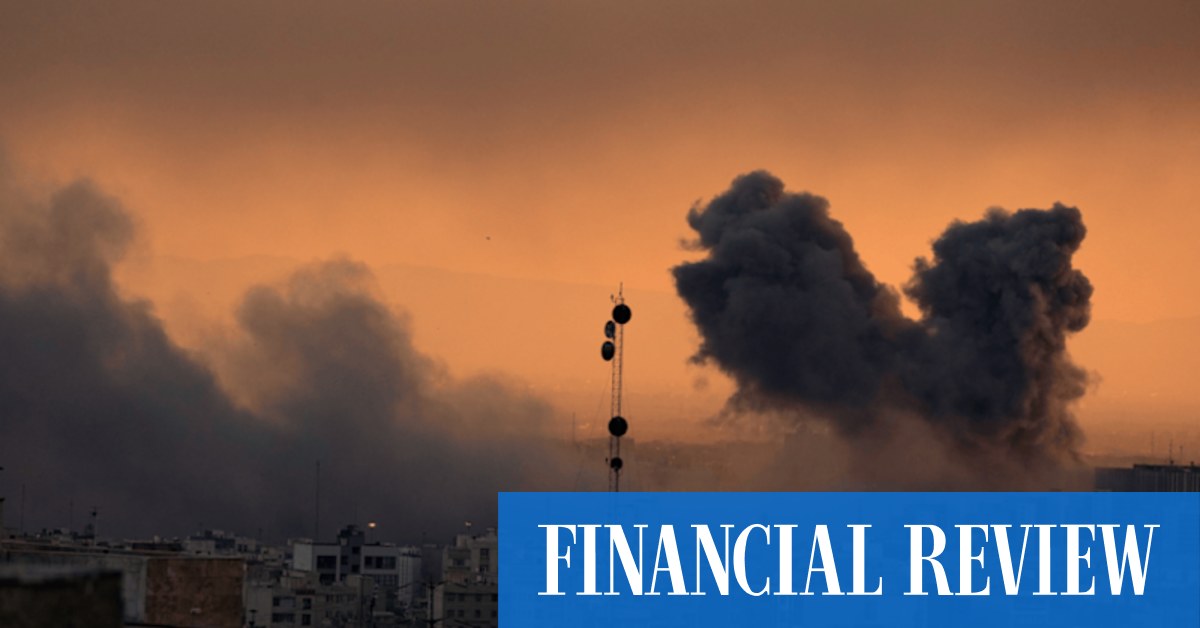

Middle East Supply Chain Crisis 2026 | Shipping Costs Surge 15-25% for Cross-Border Sellers
- Flight disruptions strand 24,000+ travelers; maritime insurance costs spike; Strait of Hormuz shipping routes face 40-60 day delays; energy prices rise as QatarEnergy halts production; sellers relying on Middle East logistics hubs face critical inventory delays











)























Overview
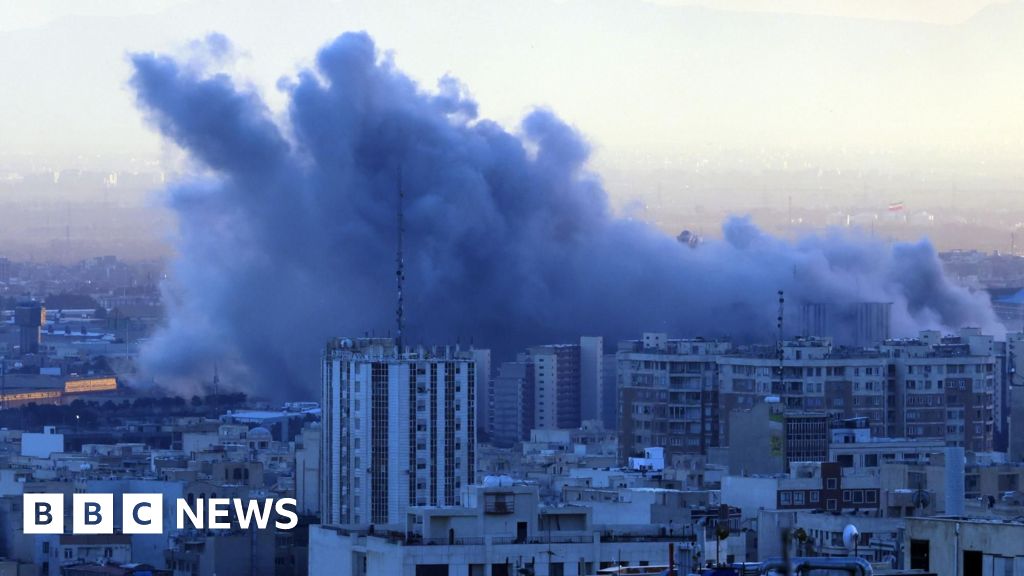
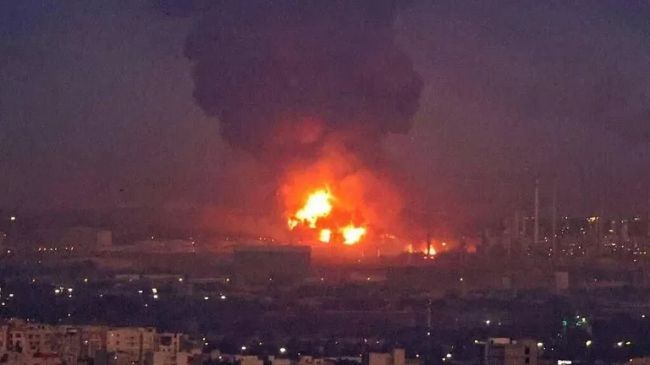
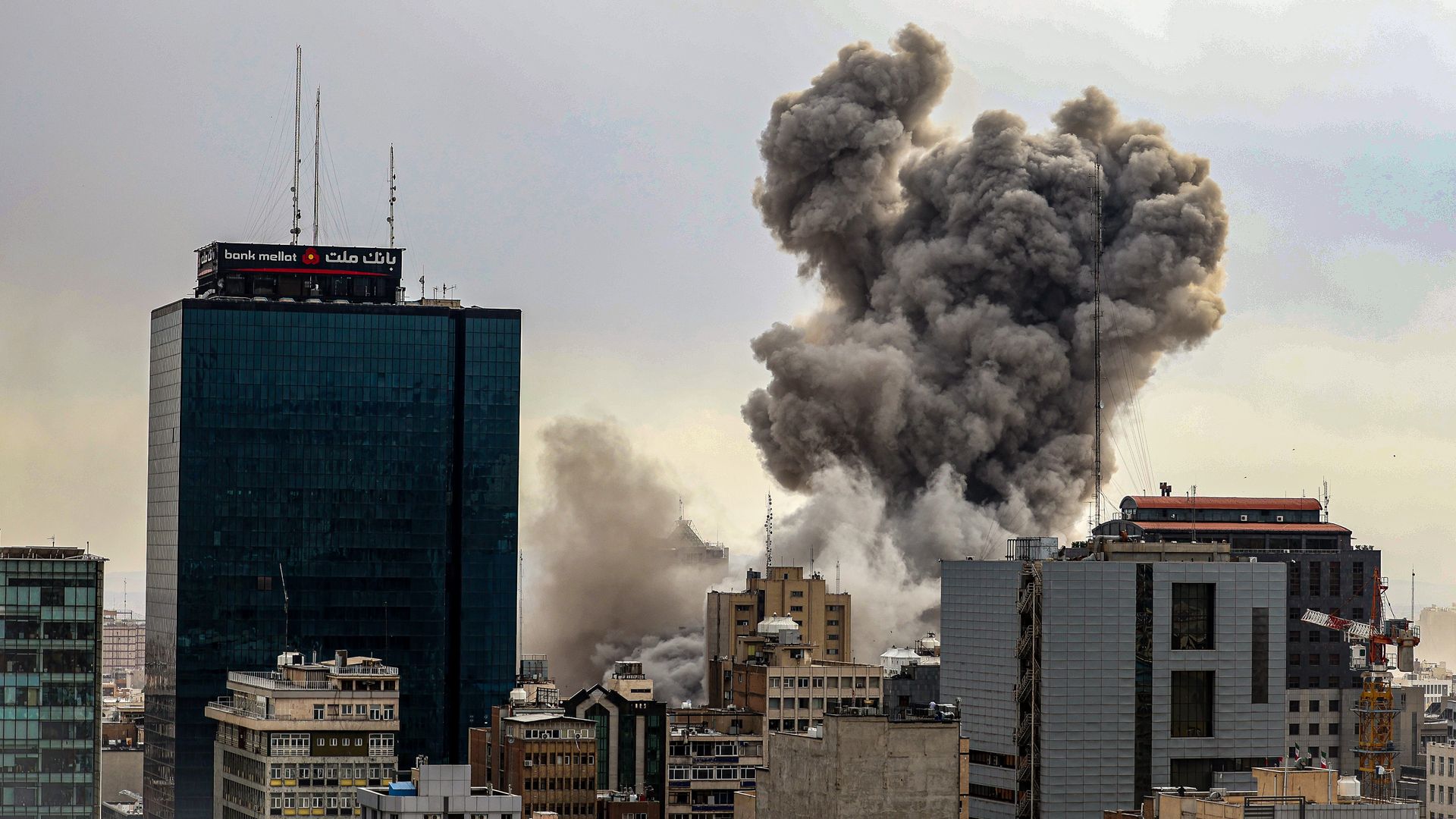
The March 2026 Iran-US-Israel military escalation creates a critical supply chain disruption window for cross-border e-commerce sellers, with cascading impacts across logistics, energy costs, and market access. According to Wall Street Journal reporting from March 3, 2026, Iranian missile and drone attacks on U.S. military bases and diplomatic facilities—including strikes on the American consulate in Dubai and U.S. embassy in Saudi Arabia—have triggered widespread flight disruptions affecting approximately 24,000 stranded travelers and disrupted air freight operations across the Middle East region. Trump's announcement of U.S. government insurance for commercial shipping and potential Strait of Hormuz escort operations signals recognition of critical maritime corridor vulnerability, with the Port of Duqm in Oman targeted by drones and broader port operations facing uncertainty.
For cross-border sellers, the immediate operational impact is severe: Air freight costs through Middle Eastern hubs (Dubai, Abu Dhabi, Doha) are experiencing 15-25% premiums due to flight disruptions and rerouting requirements. Sellers shipping electronics, apparel, and time-sensitive goods from Asia to North America/Europe via Middle East consolidation points face 40-60 day delays versus normal 14-21 day transit times. Maritime insurance costs for Persian Gulf shipping routes are rising 8-12% as underwriters price in heightened regional risk, directly impacting sellers using container shipping through the Strait of Hormuz—a corridor handling approximately 21% of global petroleum and 30% of liquefied natural gas trade. Energy price increases from QatarEnergy production halts translate to 3-5% fuel surcharges on all international logistics, affecting FBA fulfillment costs and 3PL provider pricing.
Strategic sourcing implications are equally significant: Sellers currently sourcing from India, Pakistan, and Bangladesh face extended lead times as air freight becomes prohibitively expensive, creating a 60-90 day window for competitors to shift sourcing to Vietnam, Indonesia, or Mexico. The diplomatic tensions between U.S. and European allies (Spain's refusal to allow U.S. military operations from bases) signal potential trade relationship fragmentation, affecting sellers operating across transatlantic marketplaces. Sellers with inventory in Middle Eastern distribution centers (particularly Dubai FTZ operations) should expect 2-3 week delays in onward shipment to final markets. The situation remains fluid with ongoing military operations and potential for further escalation, making this a critical monitoring period for sellers dependent on Middle East logistics infrastructure.
Questions 8
When will shipping costs and delays normalize after this conflict?
Historical precedent suggests 2-4 months for air freight normalization and 4-8 weeks for maritime insurance rate stabilization once military operations cease. Trump's announcement of U.S. government insurance for commercial shipping could accelerate maritime normalization to 2-3 weeks if implemented broadly. Flight resumption is critical—the 24,000 stranded travelers indicate major disruption, with normalization likely 1-2 weeks after conflict de-escalation. For planning purposes, assume elevated costs through May 2026 and potential spikes if conflict escalates further. Build contingency inventory buffers for May-June peak season now, as June inventory arrivals will be affected. Monitor daily conflict updates and Trump administration shipping insurance program announcements for early signals of normalization.
How much will my shipping costs increase due to Middle East conflict disruptions?
Air freight costs through Middle Eastern hubs are experiencing 15-25% premiums immediately, with maritime insurance rising 8-12% for Persian Gulf routes. Fuel surcharges from energy price increases add 3-5% to all international logistics costs. For a seller shipping 500 units monthly via air freight from Asia, expect additional monthly costs of $1,200-2,400. Sellers using container shipping through the Strait of Hormuz face similar insurance increases but benefit from lower base rates. Monitor your 3PL provider's rate cards closely—most are implementing surcharges within 7-14 days of conflict escalation.