



Geopolitical Fuel Crisis Drives 8-12% Shipping Cost Surge for E-Commerce Sellers Through Q3 2026
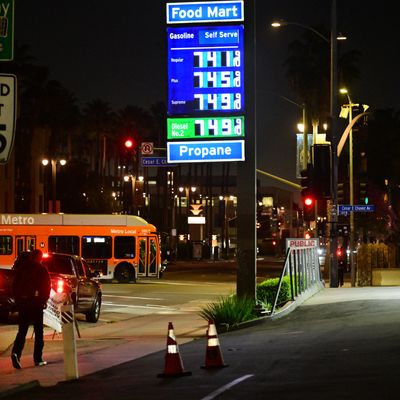
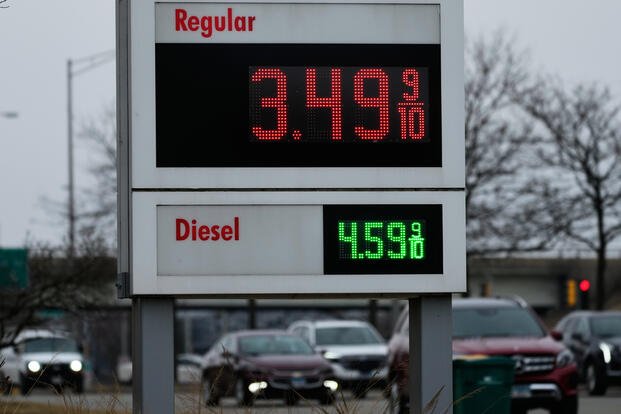
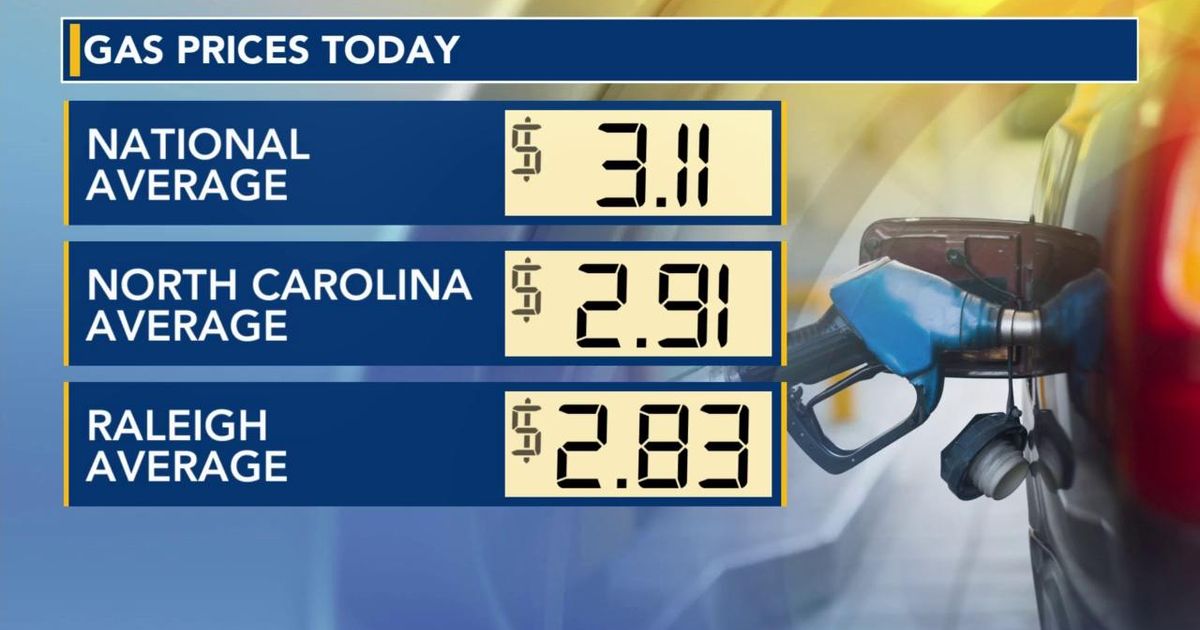
- Gas prices spike to $3.109/gallon amid Iran conflict, compressing margins for 50K+ cross-border sellers managing international logistics through September 2026


















Overview
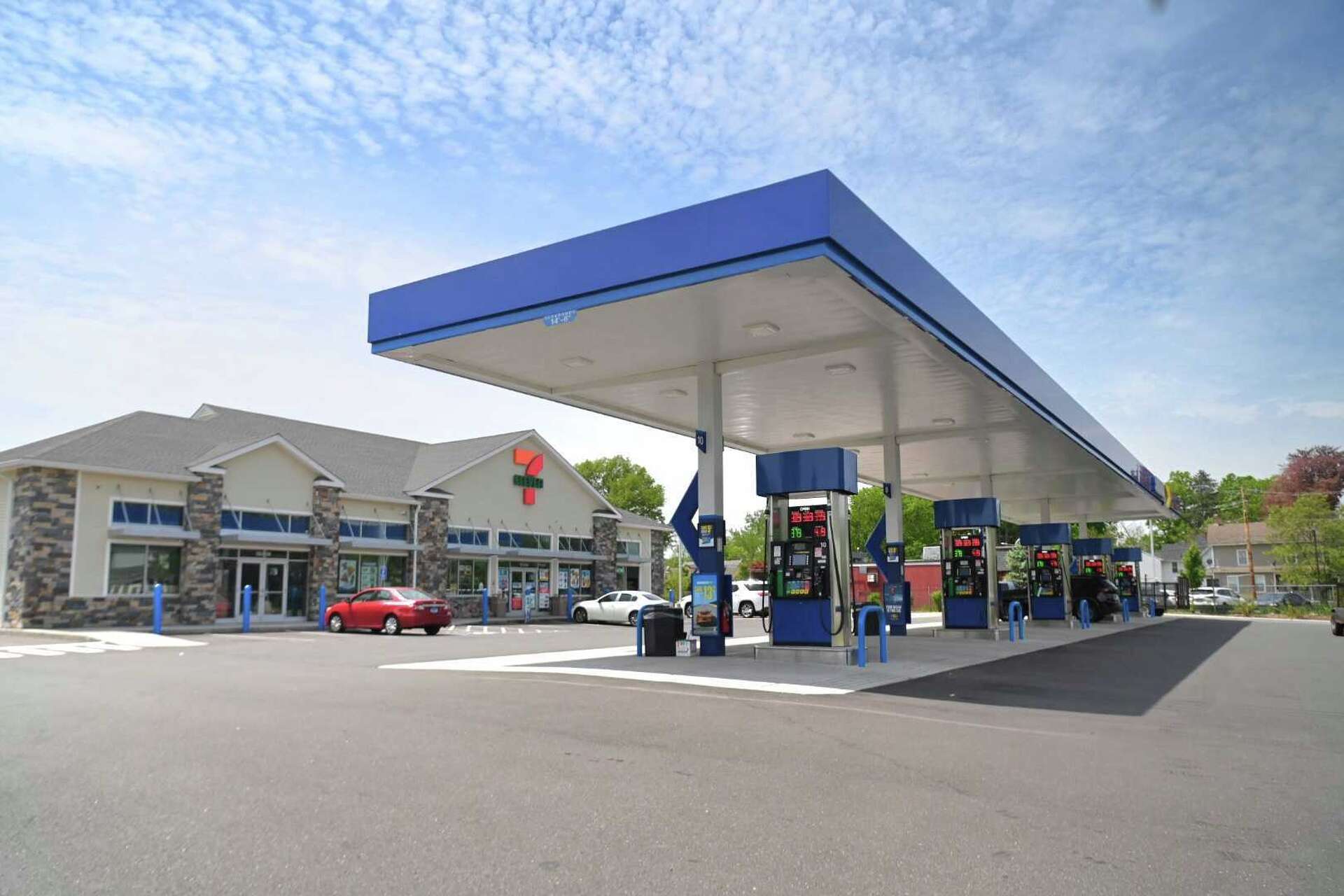
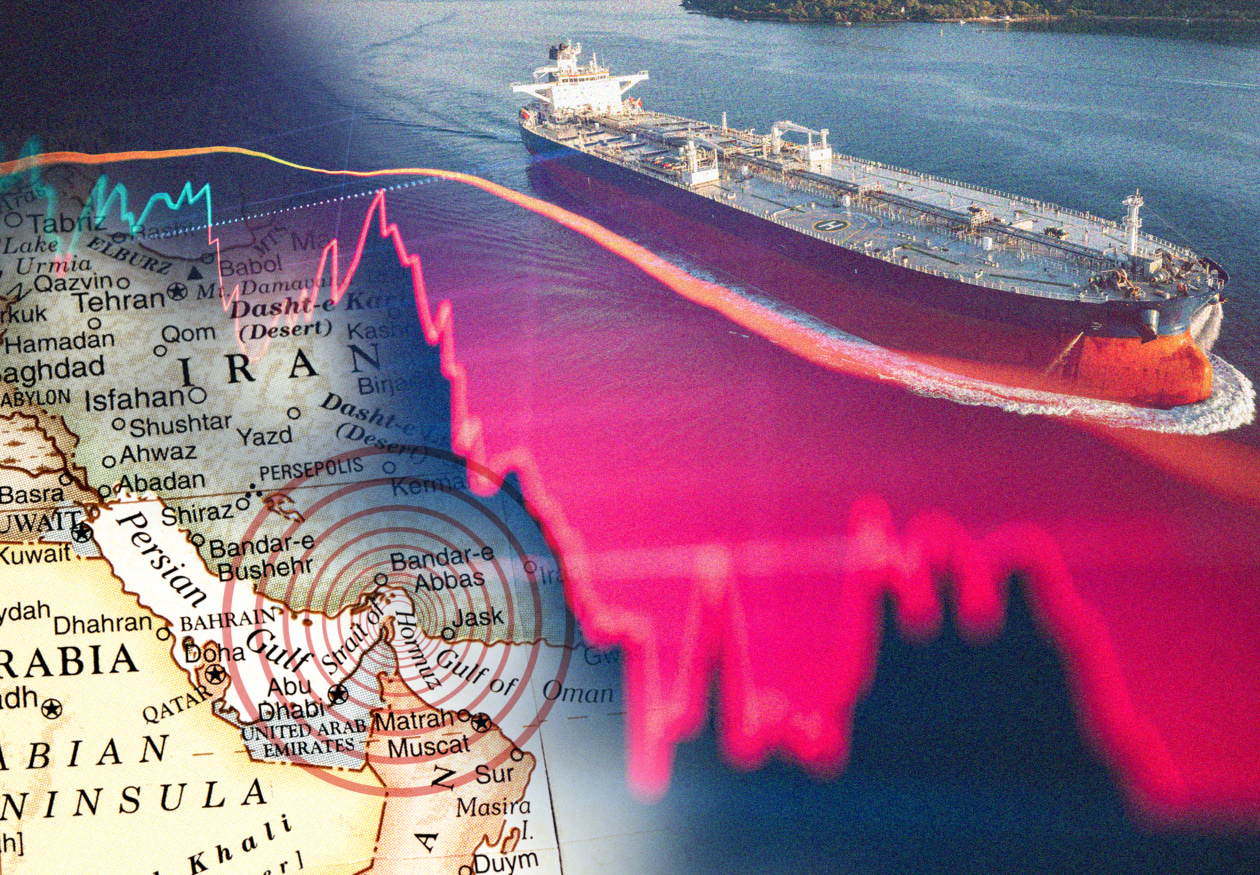
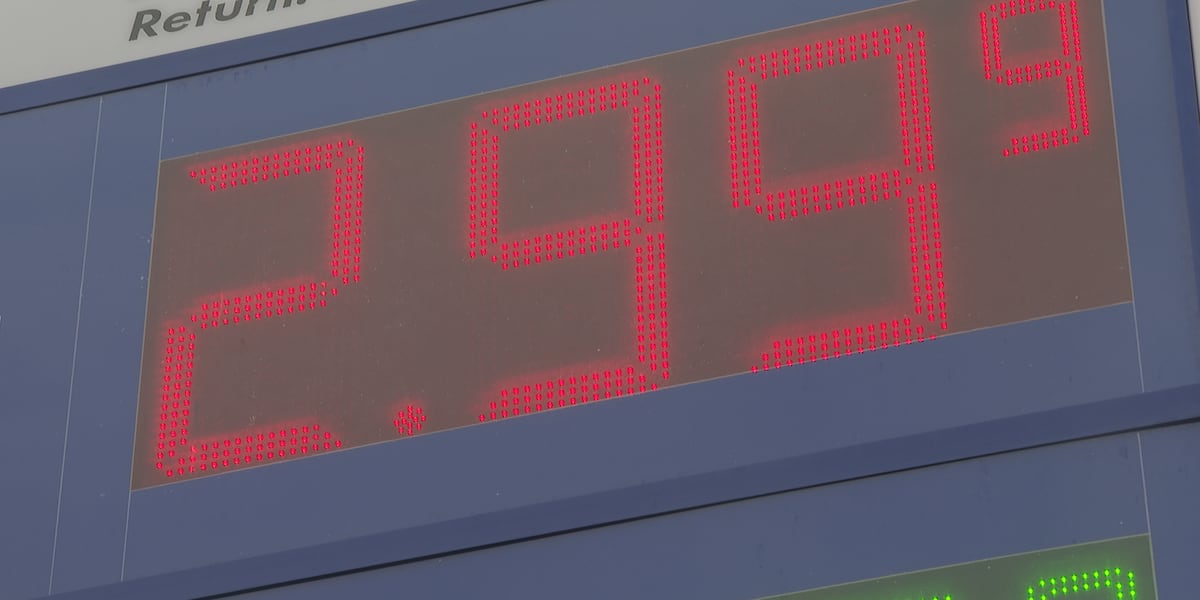
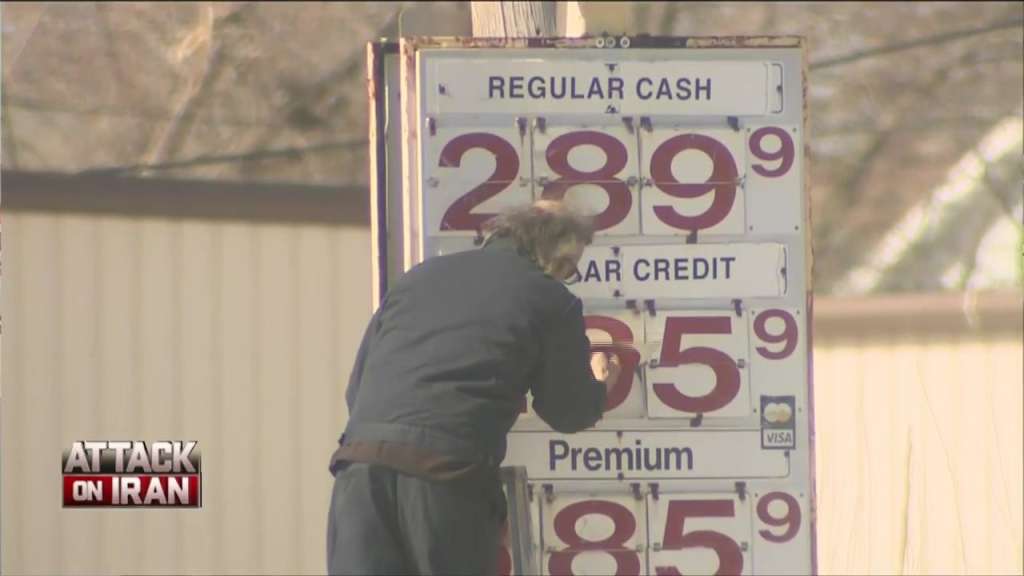
The Israeli-U.S. conflict with Iran has triggered a critical logistics cost crisis for cross-border e-commerce sellers, with U.S. gasoline prices surging to $3.109 per gallon on March 3, 2026—erasing all price savings achieved since January 2025. This 15-cent jump within days of conflict escalation signals sustained elevated fuel costs through September 2026, directly impacting transportation expenses that represent 8-12% of fulfillment costs for sellers managing 1,000+ monthly units. The broader market volatility—S&P 500 down 1.5%, S&P 400 midsize index down 3.5%, 10-year Treasury yields jumping to 4.07%—creates compounding operational challenges for e-commerce businesses dependent on fuel-intensive logistics networks.
For Amazon FBA sellers, elevated fuel costs translate to increased Last-Mile Delivery (LMD) fees and 3PL provider surcharges. Sellers shipping internationally face margin compression of 5-8% on cross-border orders, particularly affecting high-volume categories like electronics, apparel, and home goods where shipping represents 15-20% of product cost. Mid-market sellers (those shipping 1,000-5,000 units monthly) face the steepest impact, as they lack the negotiating power of enterprise sellers to lock in fuel-hedged shipping rates.
Strategic sourcing dynamics shift significantly. Sellers currently relying on U.S.-based 3PL providers face cost increases of $200-400 monthly per fulfillment center. This creates arbitrage opportunities for sellers who can shift inventory to regional fulfillment networks or negotiate multi-year contracts before fuel surcharges compound. The sustained price elevation through summer months (peak selling season for seasonal categories) forces inventory positioning decisions by April 2026—sellers must choose between absorbing margin compression or raising prices ahead of Q2/Q3 demand peaks.
Warehouse financing becomes critical. The article notes 30-year mortgage rates rising above 6%, directly impacting expansion decisions for sellers planning new fulfillment infrastructure. This creates a 6-12 month window where existing warehouse capacity becomes premium-priced, favoring sellers with established 3PL relationships over those planning new facilities.
Policy reversal risk adds volatility. The analysis indicates potential policy changes based on electoral considerations, creating uncertainty in logistics planning through 2026. Sellers should model scenarios with fuel prices at $2.80-3.50/gallon through Q3, adjusting pricing strategies and inventory allocation accordingly. The geopolitical uncertainty particularly impacts sellers managing supply chains dependent on fuel-intensive transportation corridors—air freight, ground shipping, and last-mile delivery all face cost pressures simultaneously.
Questions 7
Which product categories face the highest margin compression from fuel cost increases?
High-volume, lower-margin categories face the steepest impact: electronics (15-20% shipping cost ratio), apparel (12-18%), and home goods (10-15%). Luxury goods and collectibles with higher price points absorb fuel costs more easily. The sustained fuel elevation through summer months particularly impacts seasonal categories—garden supplies, outdoor furniture, and summer apparel typically see peak demand in May-July when fuel costs are highest. Sellers in these categories should implement 3-5% price increases by April 2026 to maintain margins. Conversely, sellers in premium categories (jewelry, watches, designer goods) can maintain pricing power and absorb fuel costs without demand impact.
What's the timeline for locking in fuel-hedged shipping contracts before surcharges increase?
The optimal window is immediate through April 15, 2026. The news reports sustained elevated gas prices through September 2026, meaning 3PL providers will implement fuel surcharges in waves: initial surcharges (March-April), secondary adjustments (May-June), and potential Q3 increases if geopolitical tensions persist. Sellers who lock multi-year contracts by April 15 can avoid 2-3 additional surcharge rounds. Negotiate fuel-hedged rates that cap increases at 2-3% annually regardless of spot prices. For sellers with 5+ fulfillment centers, this represents $5K-15K annual savings. Delay beyond April 30 and you'll face surcharges on 60-70% of your Q2-Q3 shipments.