

Chicago Quantum Computing Hub Creates $9B Regional Tech Opportunity | Seller Supply Chain Impact 2026
- 128-acre IQMP development backed by $720M in state/county funding drives tech talent concentration, logistics infrastructure upgrades, and emerging market opportunities for B2B sellers in specialized equipment and services




Overview
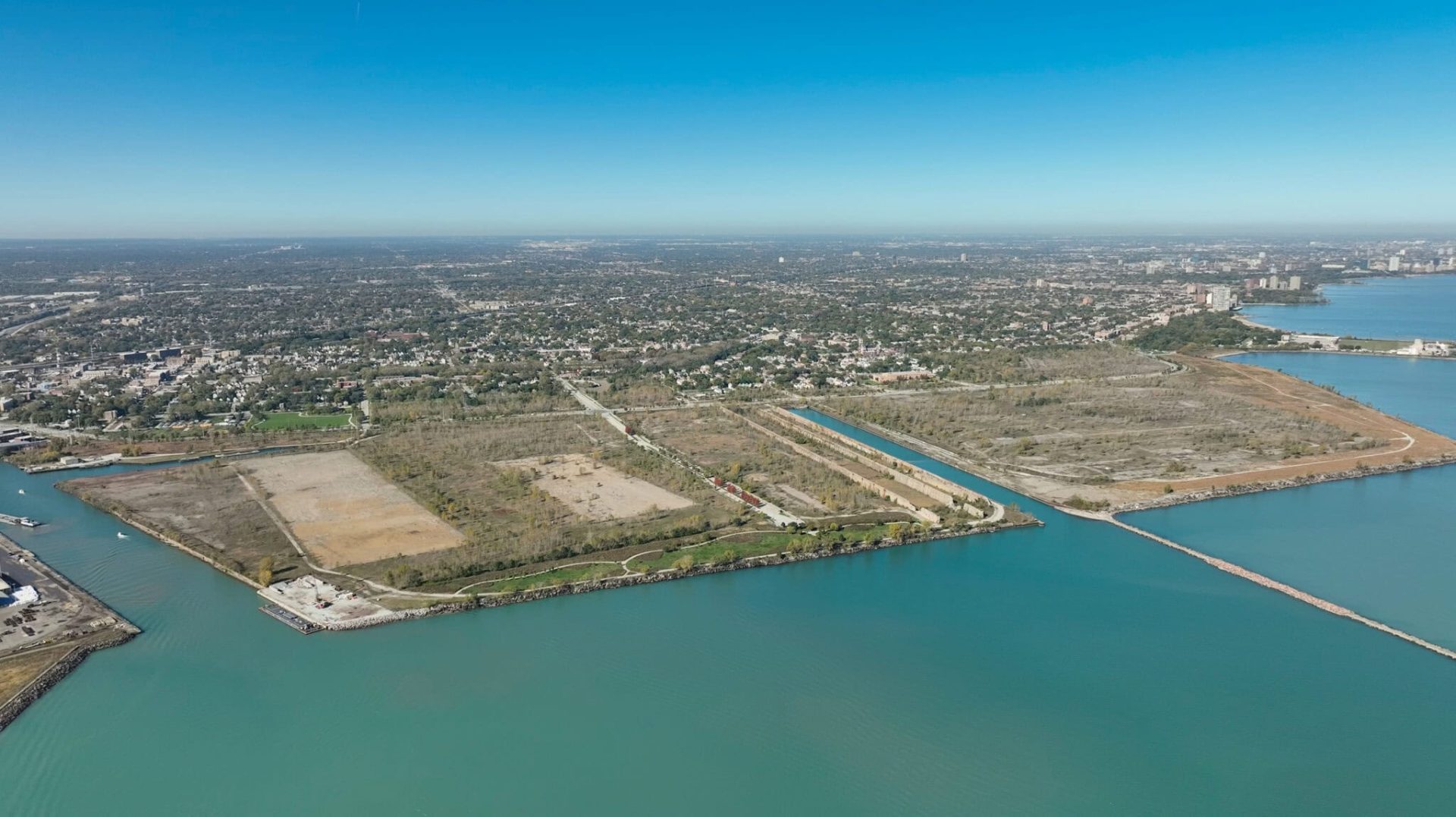
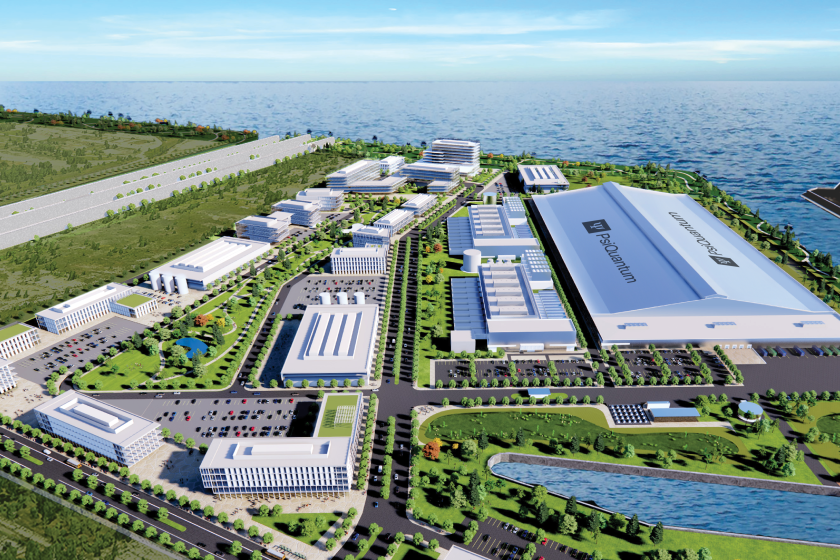
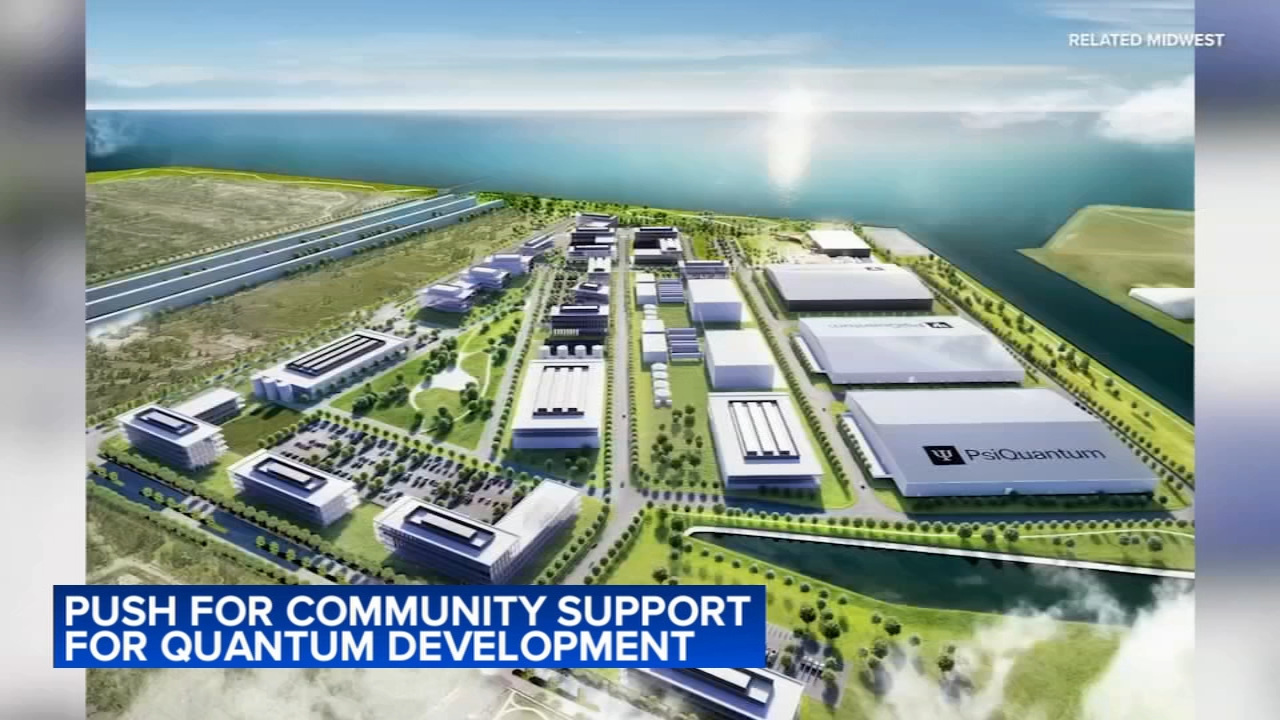
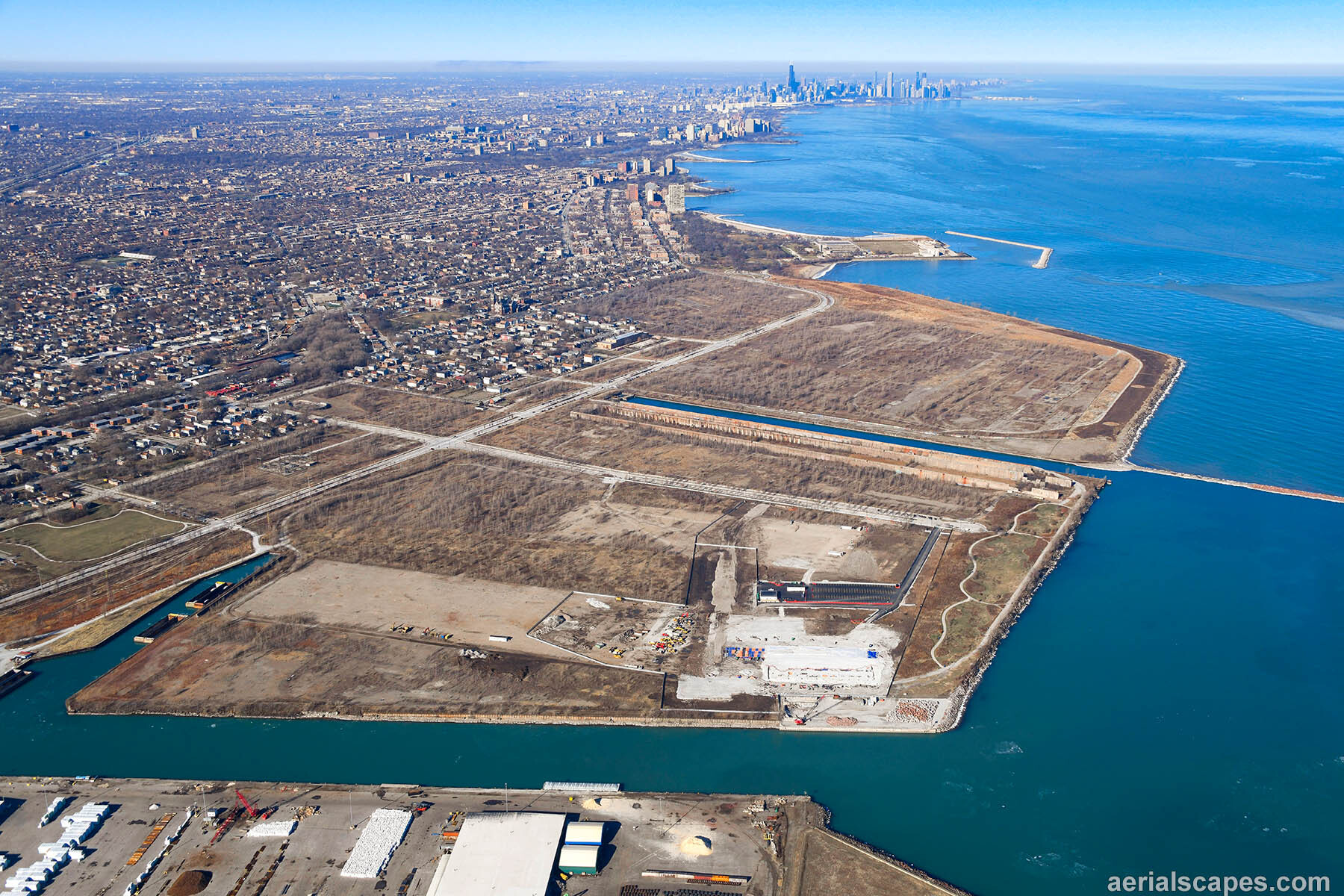
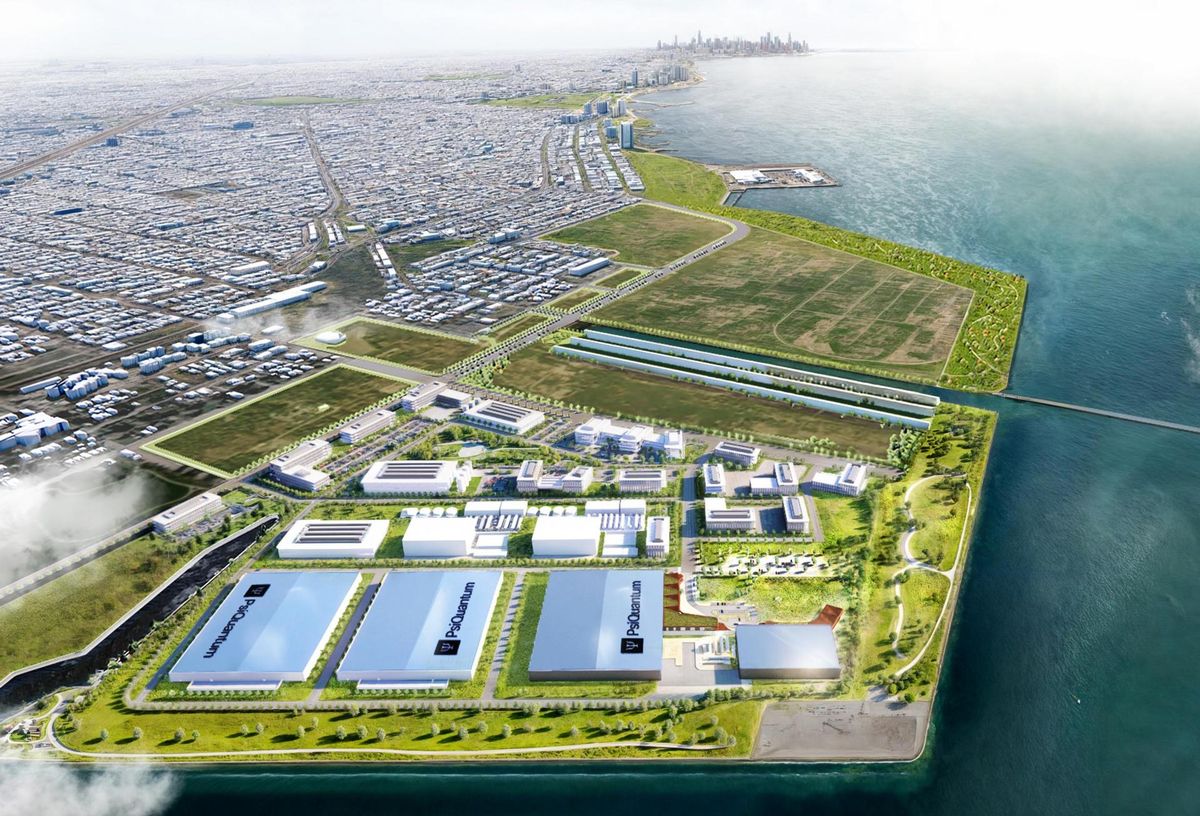
The Illinois Quantum and Microelectronics Park (IQMP) represents a transformational $9 billion infrastructure investment reshaping Chicago's economic landscape and creating cascading opportunities for cross-border sellers. Announced with $700 million in state funding and $20 million from Cook County, the 128-acre development at the former U.S. Steel South Works site broke ground in Fall 2025 and is anchored by PsiQuantum's utility-scale quantum computer facility—the country's first of its kind. This infrastructure megaproject signals a fundamental shift in how regional technology ecosystems develop, with direct implications for sellers in specialized equipment, logistics services, and emerging technology categories.
Market Concentration and Talent Migration: The project is already catalyzing a geographic clustering effect. As of March 3, 2026, quantum computing firms including IBM, Pasqal, Diraq, and Quantum Machines are establishing operations across Chicago neighborhoods rather than waiting for the main facility's completion. The UChicago Science Incubator at Hyde Park Labs has been designated as an "On-Ramp" facility, providing move-in-ready laboratory space with optical suites, cryostat capacity, and direct access to a 124-mile fiber optic quantum loop. This accelerated deployment pattern indicates sustained capital investment and high-quality job creation—estimated in the thousands—which will drive demand for specialized real estate, technical talent recruitment, and supporting professional services. For sellers, this concentration represents an emerging market segment: B2B suppliers of cryogenic cooling systems, laboratory equipment, fiber optic infrastructure, and specialized electronics.
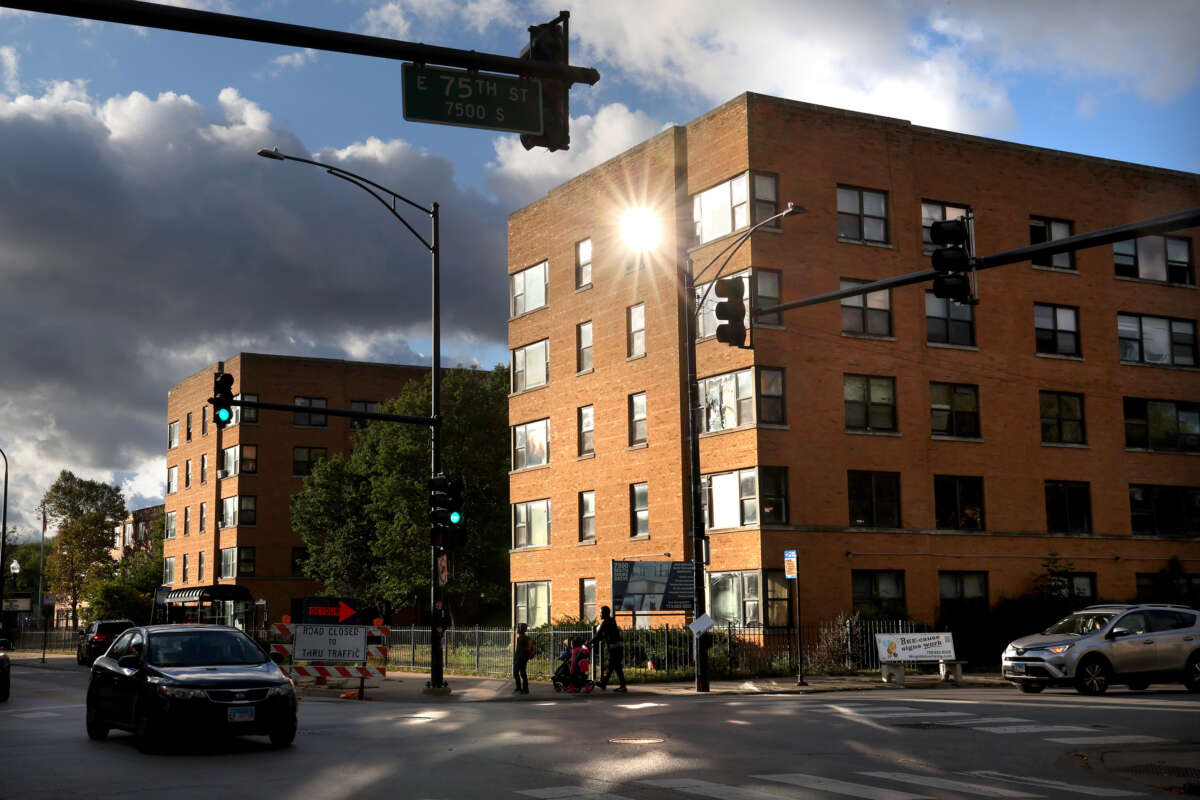
Community Support and Economic Transition: The formation of "Southeast Neighbors For Quantum" coalition on March 3, 2026, comprising approximately 20 members including fourth-generation residents and small business owners like Jorge Perez (Chicos Oven), demonstrates grassroots recognition of the project as a "once-in-a-lifetime economic opportunity" for South Chicago. This community backing is significant because it reflects broader consumer and business sentiment about technology sector opportunities in traditionally industrial neighborhoods. The 400-acre Quantum Shore development also includes a 52-bed Advocate Health Care hospital facility, indicating diversified economic activity beyond quantum computing. For sellers, this signals emerging demand in healthcare services, facility management, and hospitality categories as the region attracts technical talent and supporting infrastructure.
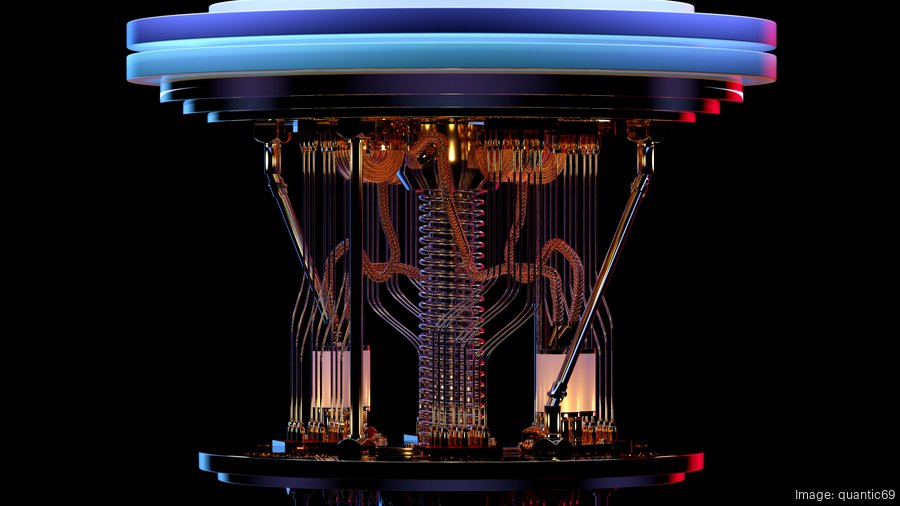
Supply Chain and Logistics Infrastructure Implications: The quantum sector's expansion will drive demand for specialized infrastructure: cryogenic cooling systems (Bluefors opened its second Chicago lab at the Incubator), optical fiber networks, power management systems, and precision measurement equipment. Illinois's nuclear power infrastructure provides cleaner energy than coal or natural gas alternatives, addressing sustainability concerns while supporting energy-intensive quantum operations. The project's scale indicates significant upgrades to regional logistics networks, transportation infrastructure, and last-mile delivery capabilities. For cross-border sellers, this creates opportunities in specialized equipment export, technical consulting services, and supply chain optimization tools that quantum firms will require during their scaling phase.
Risk Factors and Timeline Considerations: The project faces community opposition regarding environmental remediation (soil toxicity from arsenic and petroleum hydrocarbons), displacement risks, and infrastructure impacts. Developer Related Midwest has committed to full site remediation and 100 acres of parkland, but significant decisions remain unmade despite ground-breaking. The construction phase is expected to conclude in coming years, creating a multi-year window for sellers to position themselves as suppliers to the quantum ecosystem. The precedent of the 2021 General Iron defeat suggests community organizing can influence project outcomes, making stakeholder engagement and transparent communication critical for vendors and service providers.
Questions 8
How are quantum computing companies positioning themselves ahead of the IQMP opening?
Rather than waiting for the main facility's completion, quantum firms are establishing satellite offices and operations across Chicago neighborhoods as of March 2026. The UChicago Science Incubator at Hyde Park Labs serves as an 'On-Ramp' facility providing move-in-ready laboratory space with optical suites, cryostat capacity, and access to a 124-mile fiber optic quantum loop. Companies like Bluefors (cryogenic cooling systems) have already opened second Chicago facilities. This early deployment pattern indicates sustained investment momentum and creates immediate opportunities for sellers of laboratory equipment, infrastructure services, and specialized electronics.
What community support exists for the IQMP project and what does it signal for local economic growth?
The 'Southeast Neighbors For Quantum' coalition, formed March 3, 2026, comprises approximately 20 members including fourth-generation residents, small business owners, and school officials who view the project as a 'once-in-a-lifetime economic opportunity.' This grassroots support contrasts with opposition from other Chicago neighborhoods and signals strong local recognition of technology sector benefits. The 400-acre Quantum Shore development also includes a 52-bed Advocate Health Care hospital facility, indicating diversified economic activity. For sellers, this community backing suggests sustained demand for healthcare services, facility management, hospitality, and professional services as the region attracts technical talent.