



Target's $6B Store Refresh Plan Signals Omnichannel Opportunity for Sellers
- Major retailer investing $2B in store tech and experience; creates pop-up, partnership, and O2O opportunities for cross-border sellers in modernized retail environment












Overview
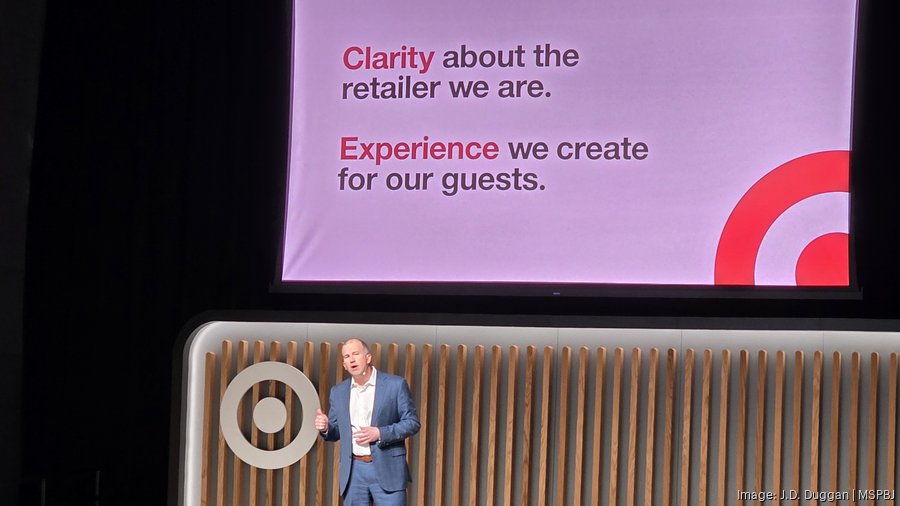
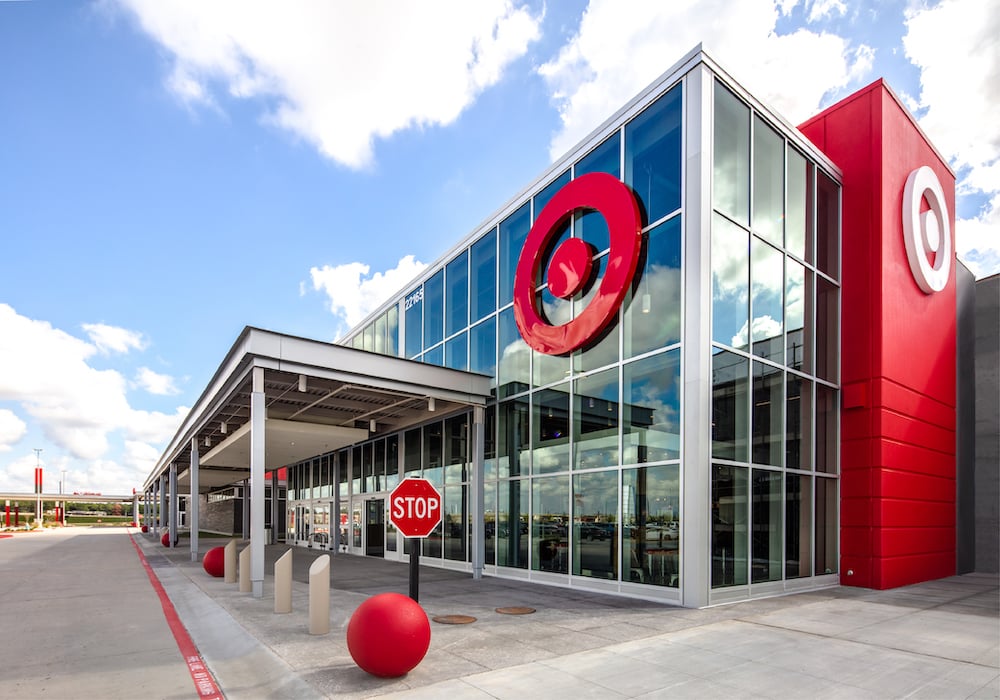
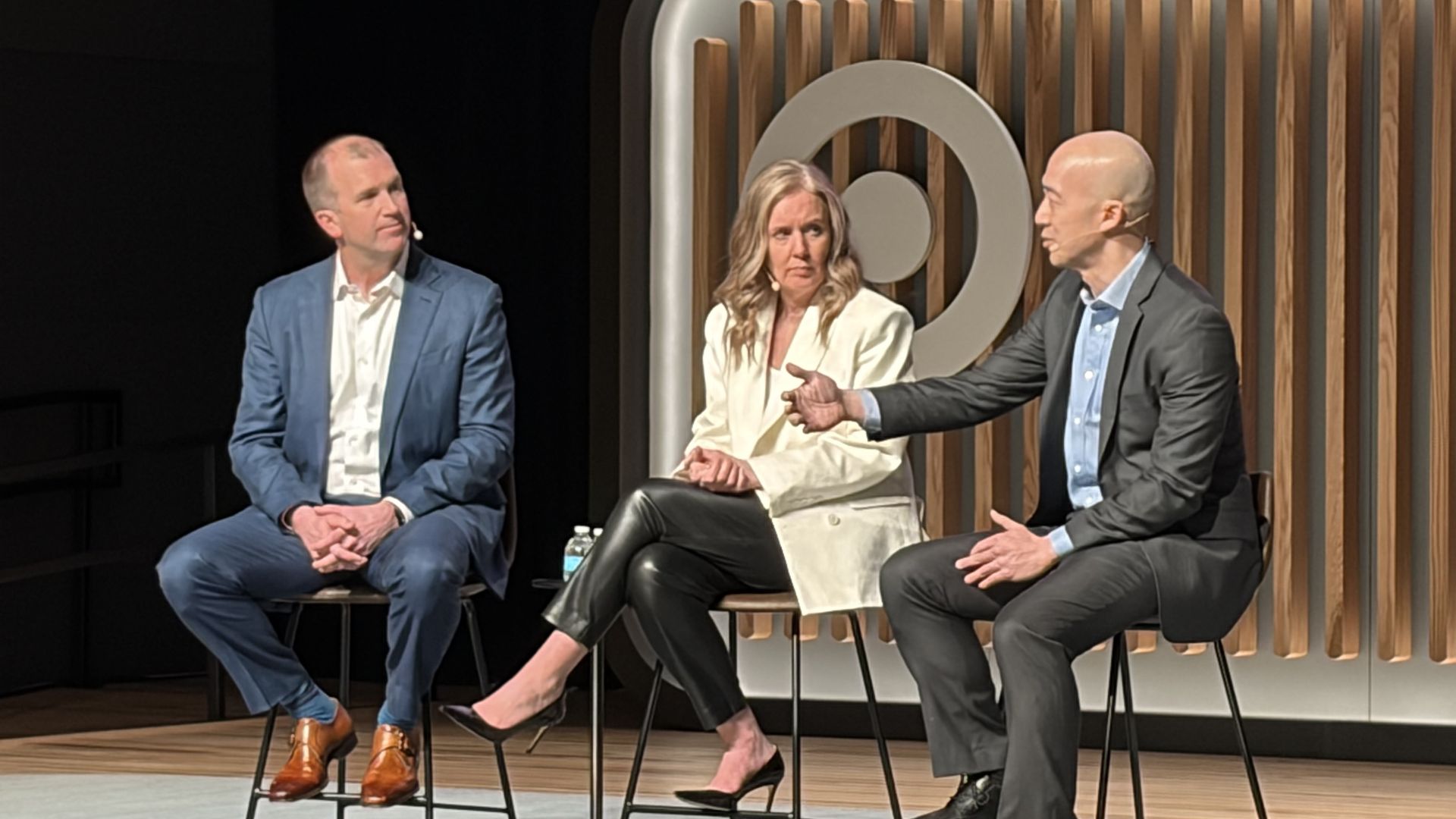
Target's announcement of a $6 billion turnaround plan—with $2 billion specifically allocated to store renovations and technology upgrades—represents a critical inflection point for cross-border e-commerce sellers. After 13 consecutive quarters of declining sales, CEO Michael Fiddelke's candid acknowledgment that the company "lost its way" signals a fundamental strategic shift: physical retail remains non-negotiable in modern commerce, and omnichannel integration is now the competitive battleground.
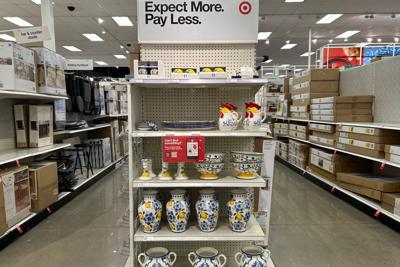
For retail operations experts focused on O2O strategies, this news reveals three immediate opportunities. First, Target's store modernization creates partnership pathways for sellers. As Target invests in improved merchandising systems and customer experience infrastructure, the retailer will actively seek product categories that enhance store appeal and drive foot traffic. Sellers in home décor, wellness, seasonal goods, and value-oriented categories should prioritize Target's buyer outreach during this 18-24 month refresh cycle. Target operates 1,950+ stores across the US—each undergoing upgrades represents a potential wholesale or consignment opportunity. Second, the technology investment signals demand for inventory management solutions. Target's focus on "digital capabilities, inventory management, and omnichannel integration" indicates the retailer is upgrading its systems to compete with Amazon. This creates opportunities for sellers to integrate with Target's marketplace and supply chain platforms, positioning products for both online and in-store visibility. Third, the broader retail sector's omnichannel pivot validates pop-up and showroom strategies. Target's $6 billion commitment demonstrates that traditional retailers view physical presence as essential—not optional. This validates the ROI of pop-up stores, kiosks, and experiential retail for online-first sellers seeking to build brand trust and convert digital audiences into offline customers.
The market response—Target's stock surging toward one-year highs—indicates investor confidence in this strategy. This confidence extends to the entire retail sector's ability to compete through experience and integration rather than price alone. For cross-border sellers, this means the competitive landscape is shifting away from pure e-commerce price wars toward omnichannel differentiation. Sellers who can offer products that enhance in-store experiences, integrate with retail technology platforms, or support experiential retail concepts will capture disproportionate value. The timing is critical: Target's 18-24 month refresh cycle creates a window for sellers to position products, negotiate partnerships, and establish offline presence before competitors saturate the opportunity. Additionally, Target's struggles—13 quarters of decline—indicate that consumer shopping patterns have fundamentally shifted. Shoppers now expect seamless online-offline experiences, curated in-store environments, and value-driven merchandising. Sellers must align product positioning, packaging, and marketing to support this expectation across both channels.
Questions 8
How does Target's $6 billion store refresh create opportunities for cross-border sellers?
Target's $2 billion store renovation and technology upgrade cycle creates three direct opportunities: (1) wholesale partnerships as Target seeks products to enhance refreshed store environments, (2) marketplace integration as the retailer upgrades inventory management systems, and (3) experiential retail collaboration for in-store activations. The 1,950+ Target stores undergoing modernization represent potential distribution channels for sellers in home décor, wellness, seasonal, and value categories. Sellers should contact Target's supplier relations team during the 18-24 month refresh window to position products for store placement and omnichannel visibility.
Which US cities offer highest ROI for pop-up stores aligned with Target's refresh strategy?
High-ROI pop-up locations align with Target's store density and foot traffic patterns. Top metropolitan areas include: Dallas-Fort Worth (highest Target concentration), Los Angeles, Chicago, Atlanta, and Houston. Secondary opportunities exist in Denver, Phoenix, and Austin—markets where Target is expanding and modernizing. Pop-up store ROI typically ranges from 150-300% in high-traffic retail zones during 6-12 month engagements. Sellers should prioritize locations near Target stores undergoing renovation, as foot traffic increases during modernization periods. Placer.ai and similar foot traffic analytics platforms provide real-time data on Target location performance by city.