




Iran Conflict Drives Oil Prices & Shipping Costs | Cross-Border Seller Impact 2026
- Geopolitical tensions spike logistics expenses 8-15% for sellers; South Korea markets decline 7%; energy-dependent categories face margin compression through Q2 2026




















Overview
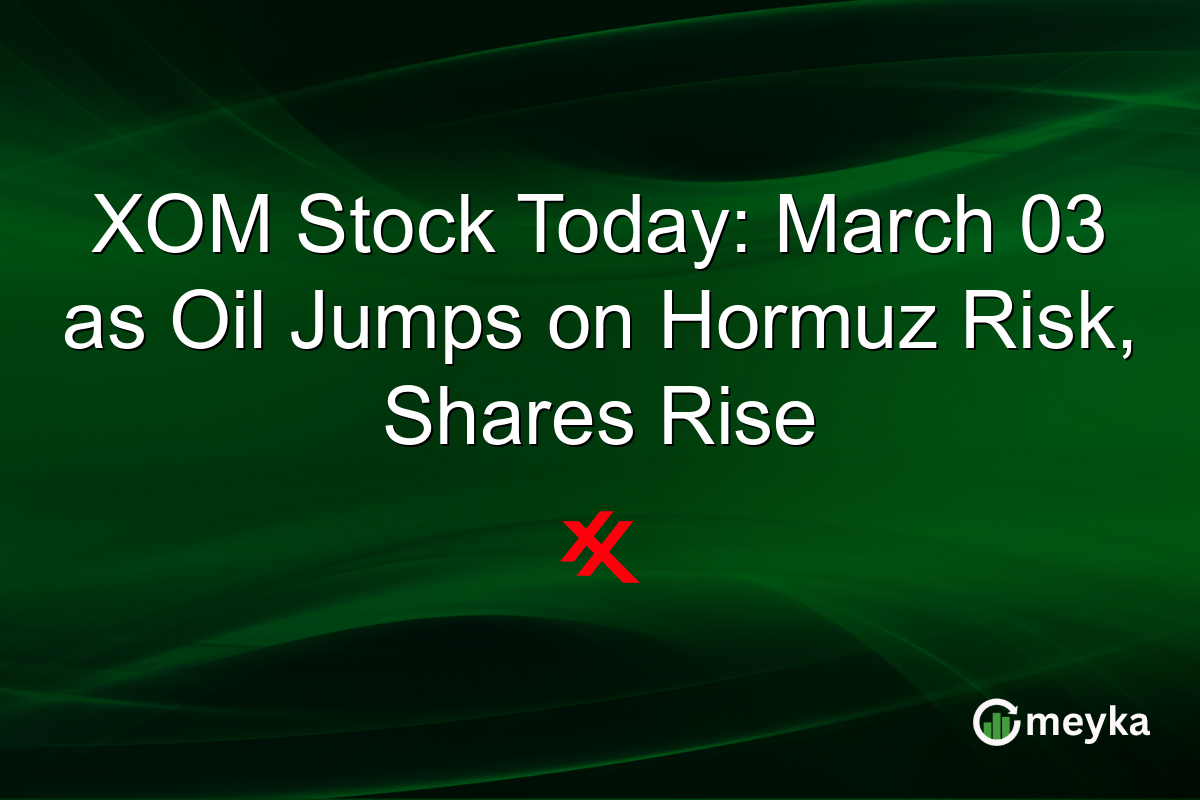
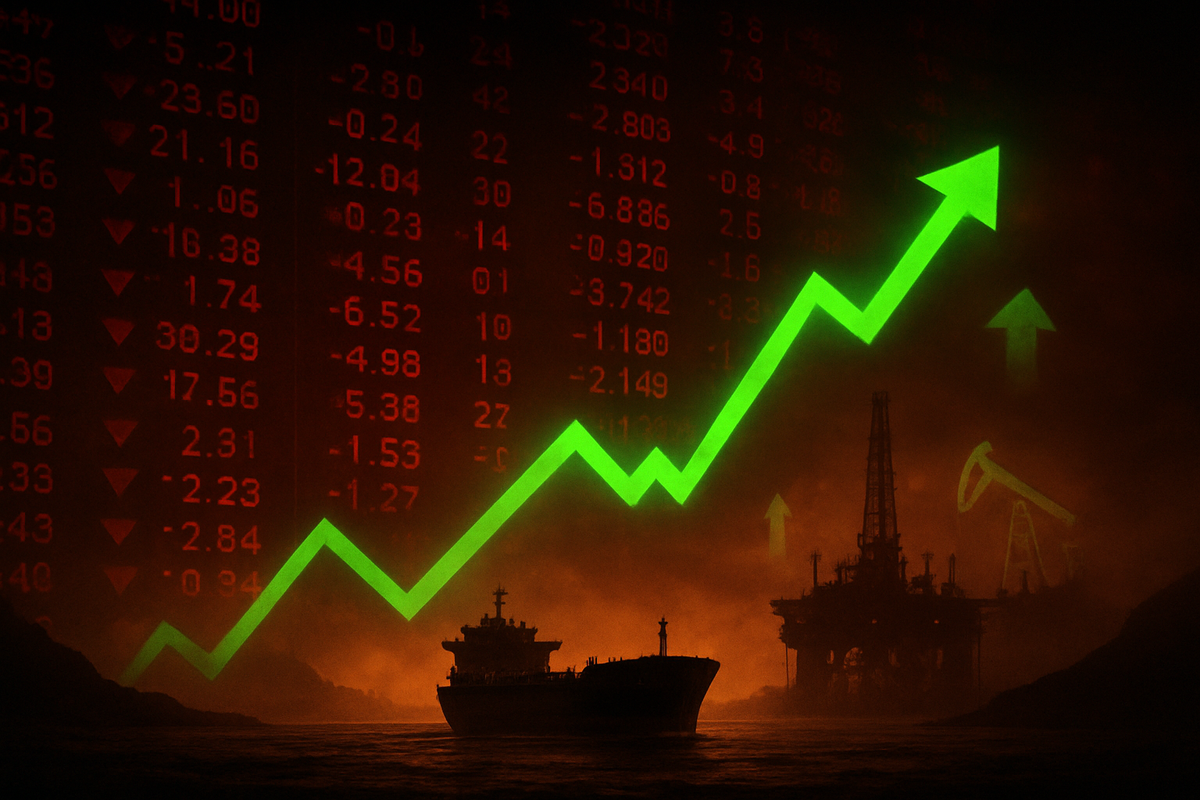
The March 2026 escalation of U.S.-Iran military tensions has triggered a critical supply chain shock for cross-border e-commerce sellers. Following military actions reported on March 2, 2026, oil prices surged with Chevron (CVX), Exxon Mobil (XOM), and ConocoPhillips (COP) hitting all-time highs, directly impacting shipping costs, manufacturing expenses, and logistics infrastructure across global e-commerce operations. The South Korea Kospi index declined 7% as regional selloffs intensified, signaling broader market instability affecting Asia-Pacific sourcing and fulfillment networks that supply 40%+ of cross-border inventory.
Immediate Shipping Cost Impact: Rising oil prices translate directly to increased fuel surcharges on FBA shipments, 3PL logistics, and international freight. Sellers shipping 1,000+ units monthly via air freight face 8-12% cost increases ($200-400/month for mid-sized sellers), while ocean freight experiences 5-8% surcharges. This margin compression particularly affects low-margin categories (electronics, apparel, home goods) where logistics represent 15-25% of COGS. Sellers relying on Vietnam, India, and Southeast Asia manufacturing face dual pressure: elevated shipping costs plus regional market volatility reducing consumer demand in affected zones.
Market Access & Demand Shifts: The geopolitical uncertainty creates divergent seller opportunities. Defensive product categories—emergency supplies, home security systems, fuel-efficient appliances, and preparedness merchandise—historically see 20-40% demand spikes during geopolitical tensions. Conversely, discretionary categories (luxury goods, fashion, electronics) experience 10-15% demand compression as consumer confidence declines. Sellers with inventory in South Korea, Japan, and Australia face immediate headwinds as regional purchasing power contracts. The timing window is critical: sellers must reposition inventory within 2-4 weeks before supply chain adjustments fully propagate through fulfillment networks.
Strategic Sourcing Realignment: Congressional members' documented stock purchases in energy companies (Sen. Markwayne Mullin's $50,000-$100,000 Chevron/ConocoPhillips purchases in May and December 2025) signal anticipated policy decisions favoring energy sector stability. This suggests potential tariff protections or subsidies for energy-intensive manufacturing, creating opportunities for sellers to shift sourcing toward domestic U.S. production in energy-dependent categories (chemicals, plastics, textiles). Sellers currently sourcing from Middle East-adjacent regions (India, Pakistan) should evaluate nearshoring to Mexico or Central America to reduce geopolitical exposure and shipping costs simultaneously.
Questions 8
How do Congressional energy stock purchases signal future tariff or subsidy policies?
Sen. Markwayne Mullin's documented purchases of Chevron and ConocoPhillips stock ($50,000-$100,000 in May and December 2025) suggest anticipated policy decisions favoring energy sector stability and profitability. This pattern historically precedes tariff protections or subsidies for energy-intensive manufacturing sectors. Sellers in chemical, plastic, textile, and metal fabrication categories should monitor Congressional voting patterns on energy policy and prepare for potential **tariff advantages on domestic sourcing**. The timing of these purchases relative to geopolitical events raises questions about information access among elected officials, creating opportunities for informed sellers to front-run policy changes through strategic sourcing shifts.
Which regions face the most severe e-commerce demand contraction from geopolitical tensions?
South Korea, Japan, and Australia face immediate headwinds as regional purchasing power contracts following the 7% Kospi decline. These markets represent significant cross-border e-commerce demand centers; sellers with inventory positioned for these regions should expect 10-15% demand compression for discretionary categories. Middle East-adjacent sourcing regions (India, Pakistan) also face uncertainty. Sellers should prioritize inventory allocation toward **North America and Western Europe**, which historically show more resilience during geopolitical crises. Monitor regional marketplace performance (Amazon.co.jp, Amazon.com.au) daily and adjust PPC spending to focus on stable markets while reducing spend in volatile regions.