

AI-Powered Mobile Experience Revolution Samsung's Strategic UI Transformation
- Signals a new era of intelligent mobile interface design and user personalization
























Overview
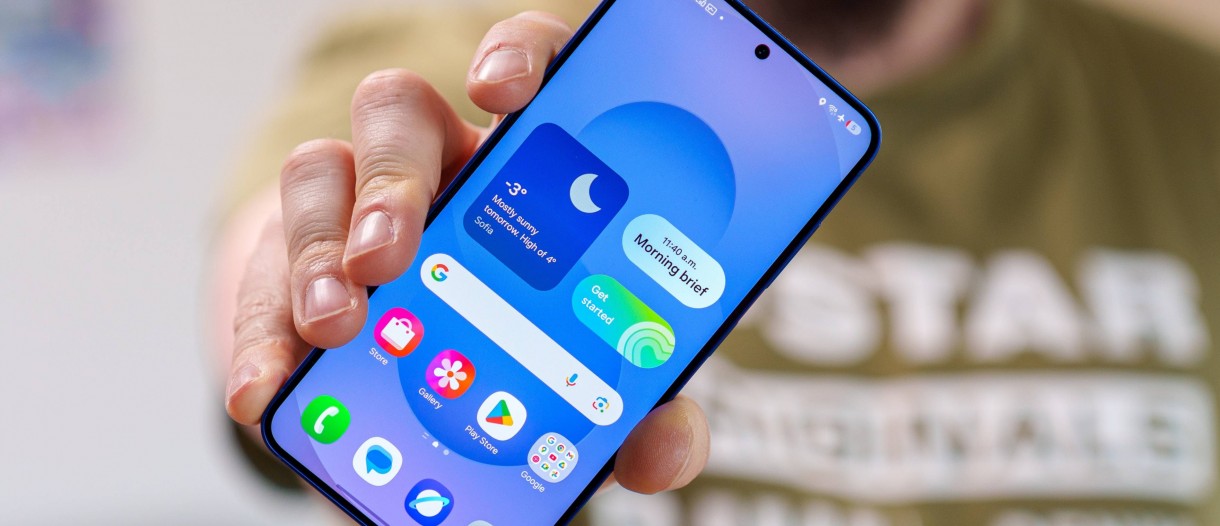
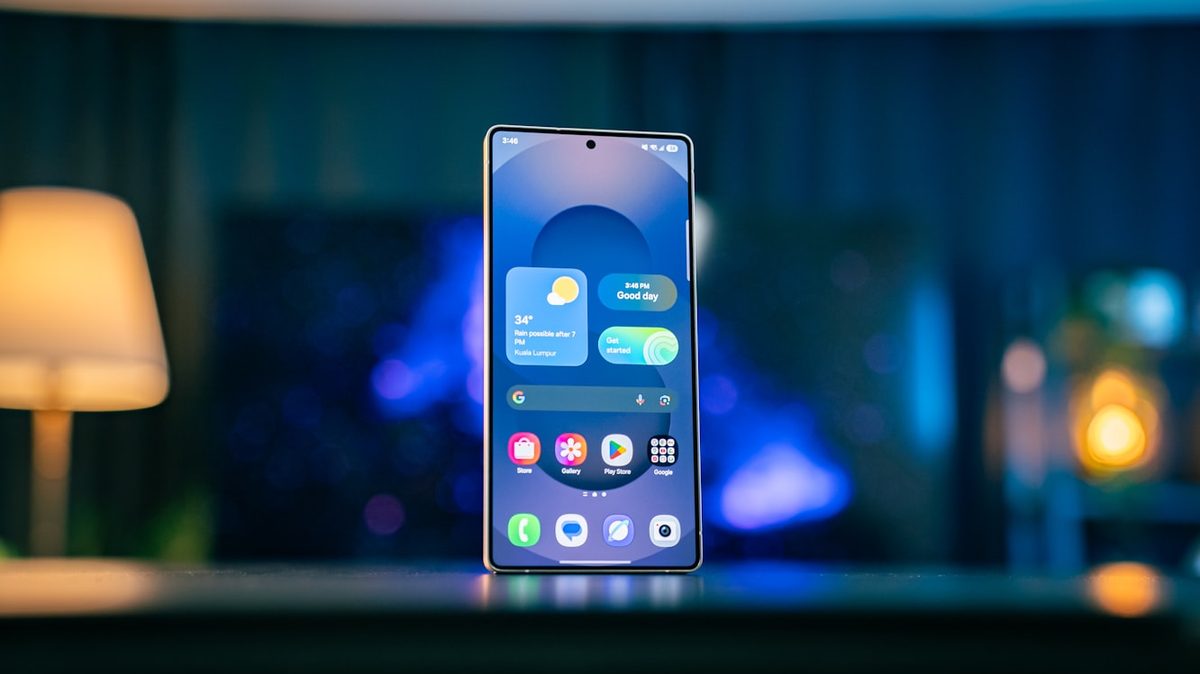
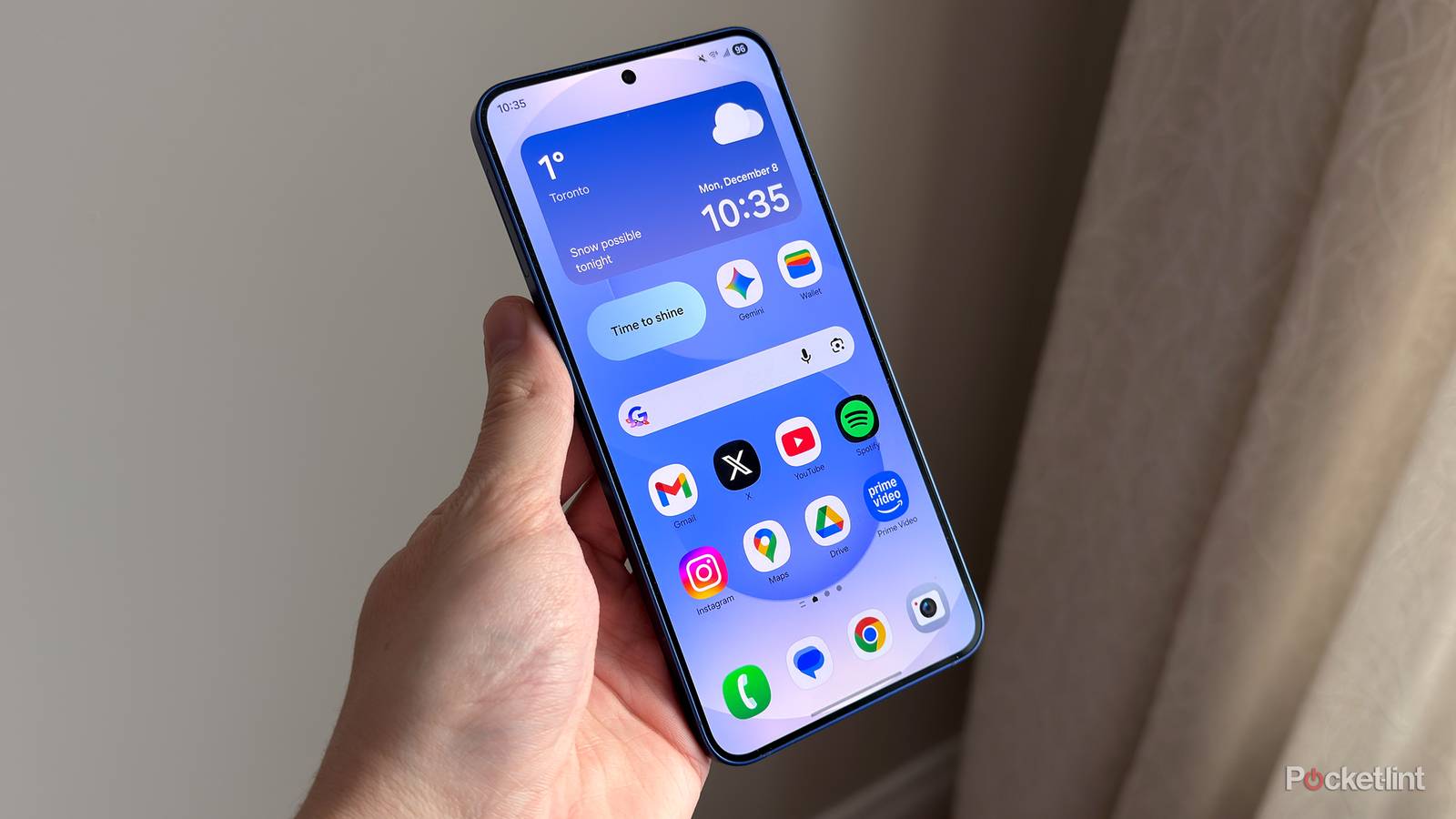
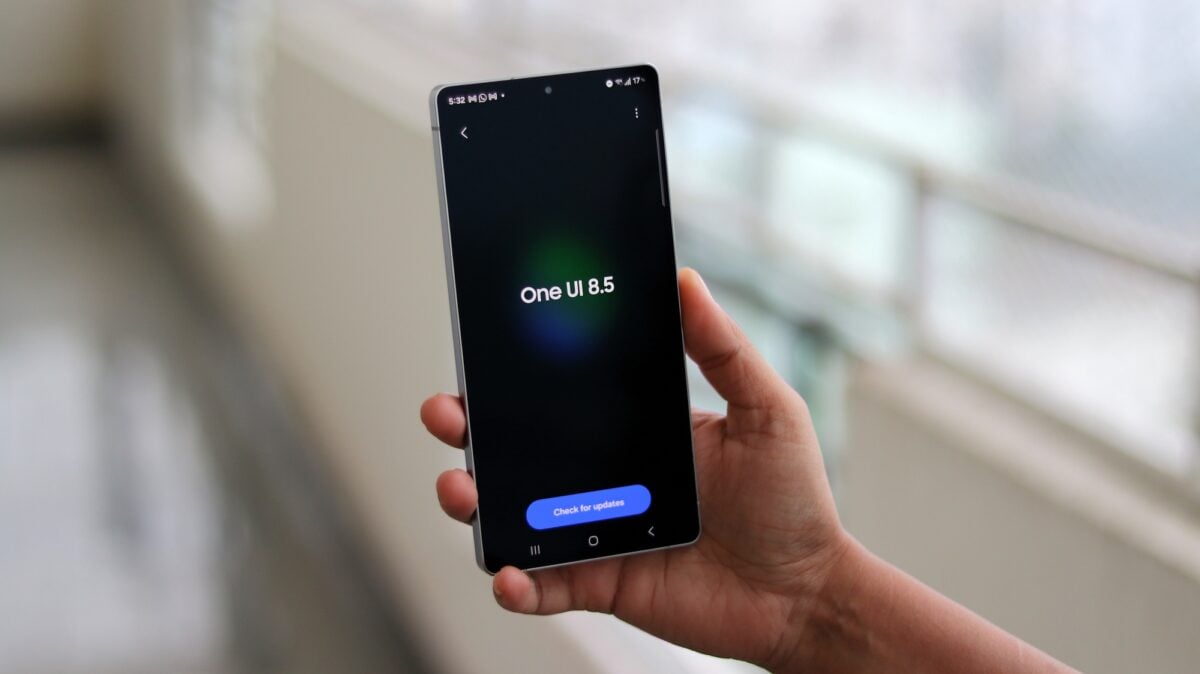
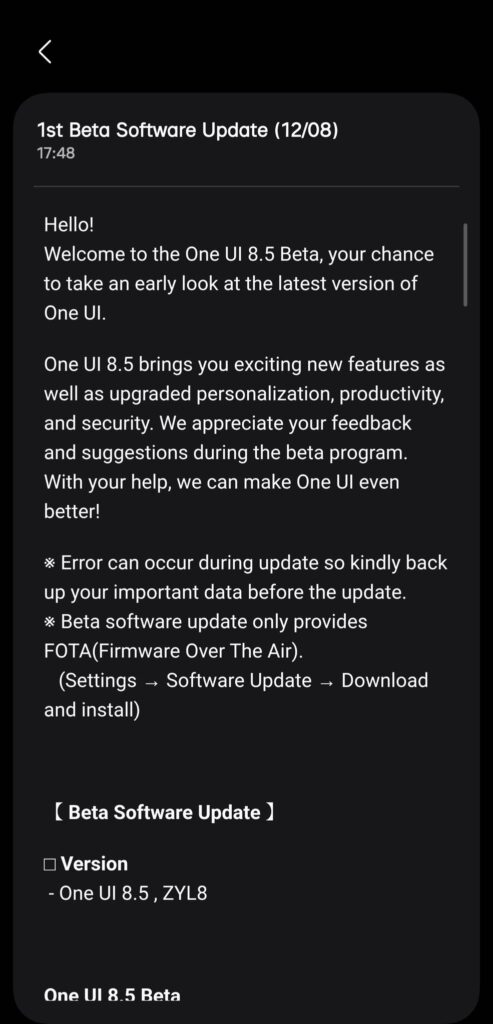
Samsung's One UI 8.5 update represents a pivotal moment in mobile software evolution, strategically positioning the company at the intersection of artificial intelligence, user experience design, and personalized technology. The update goes far beyond traditional software refinements, embedding AI-driven intelligence directly into the user interface and system functionality.
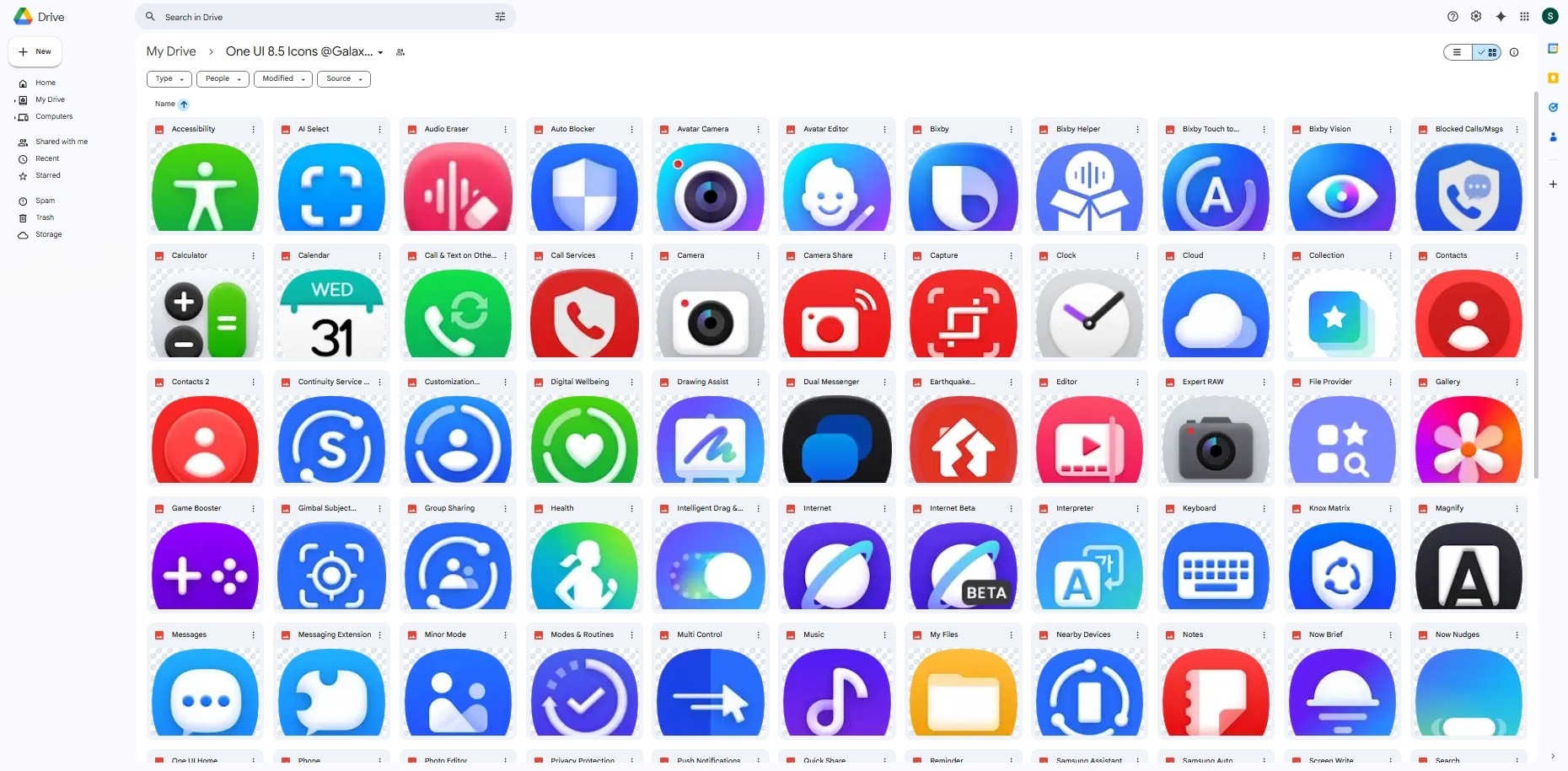
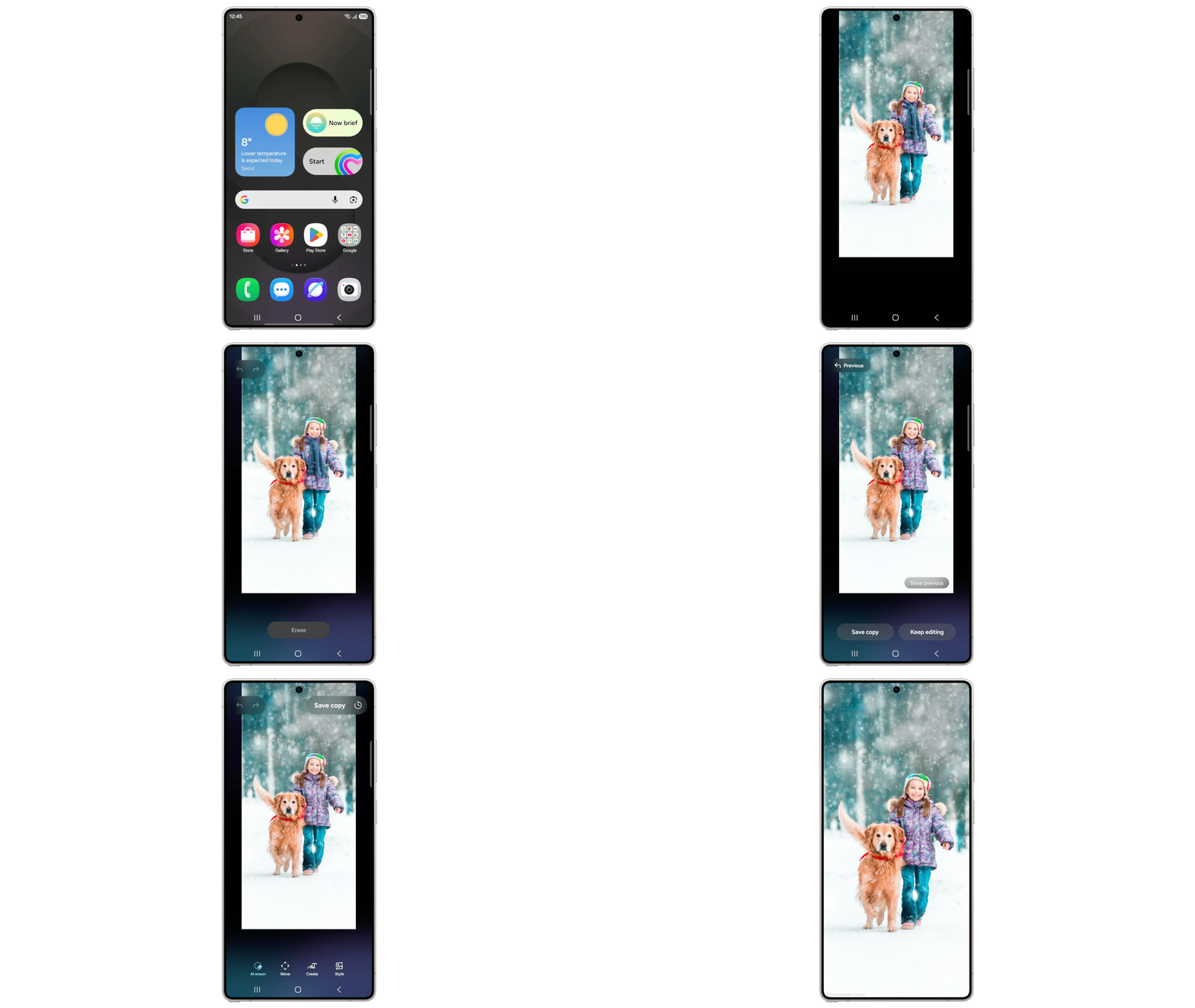
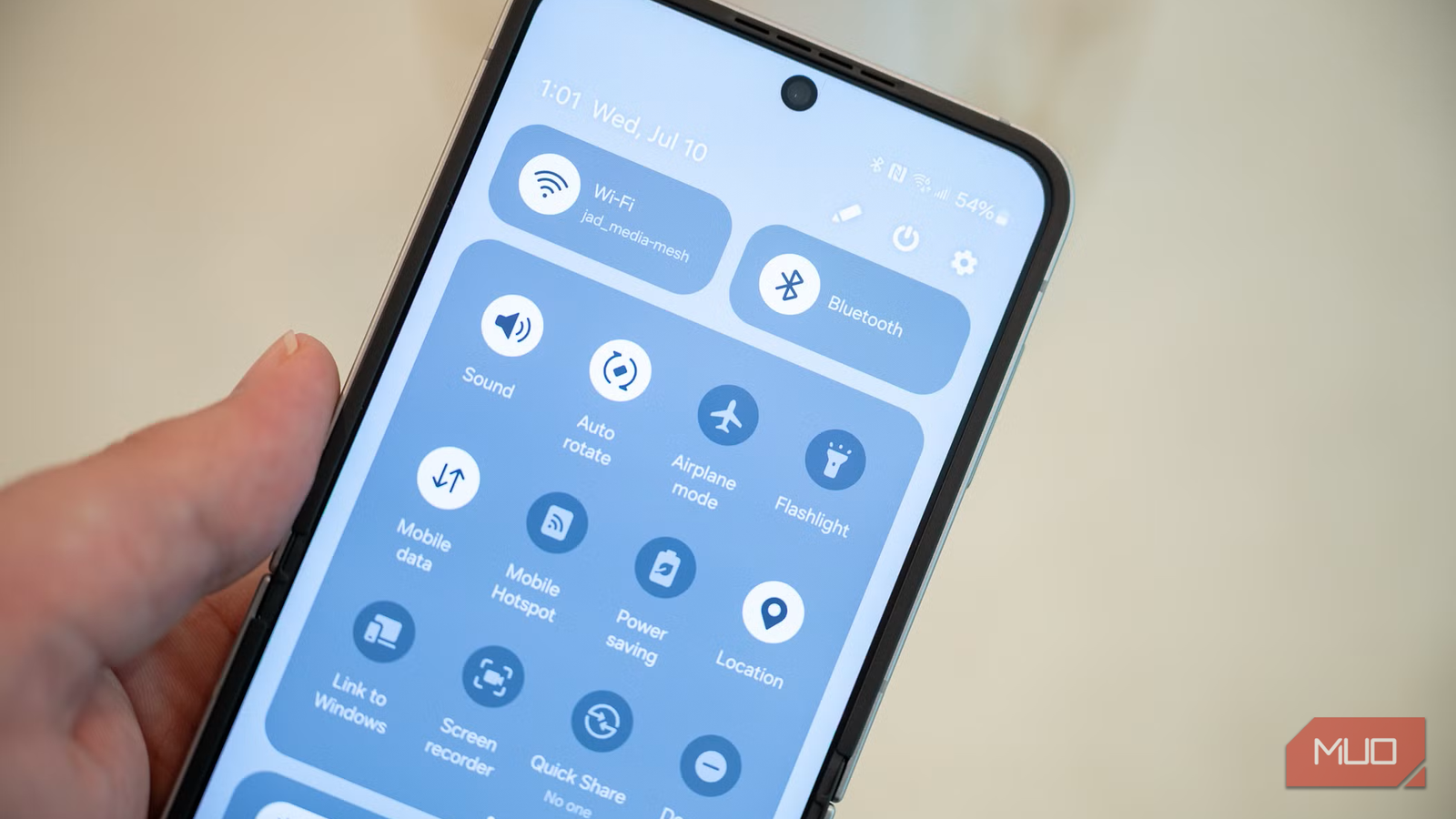
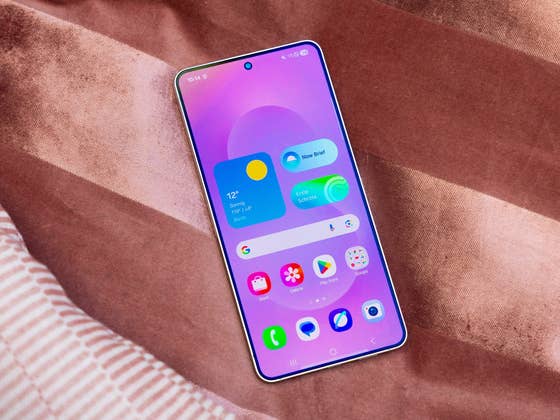
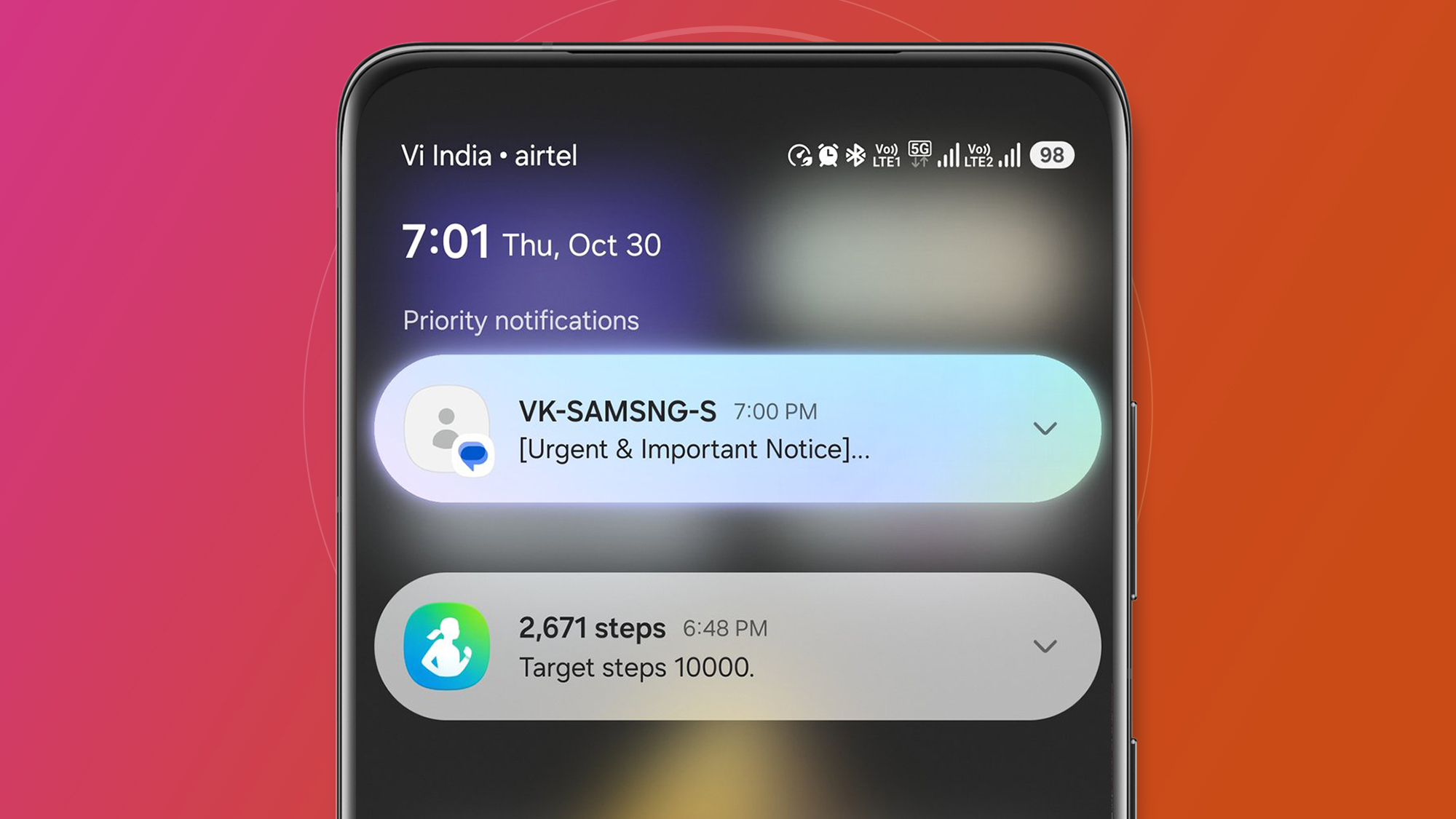
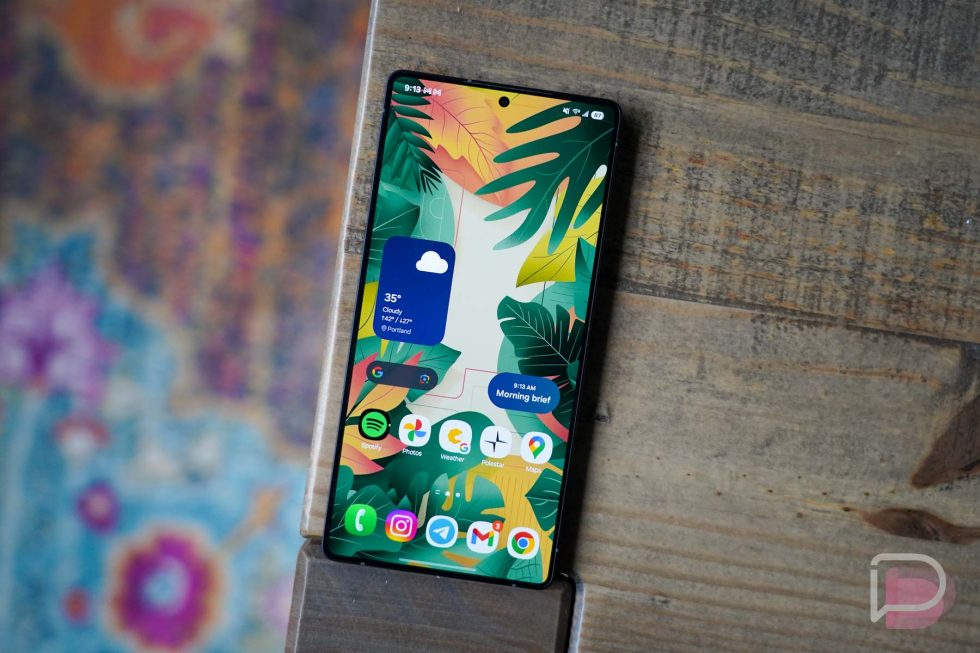
Intelligent Customization as a Competitive Differentiator emerges as the core narrative of this update. By introducing a fully customizable Quick Panel and redesigning first-party app interfaces with advanced 3D effects, Samsung is signaling a profound shift towards adaptive, context-aware mobile experiences. The Galaxy AI improvements for image generation particularly highlight how machine learning is being integrated not just as a feature, but as a fundamental design philosophy.
Automation and Connectivity Take Center Stage through innovations like weather-integrated alarm backgrounds and enhanced Storage Share functionality. These features demonstrate a sophisticated approach to solving user pain points by leveraging AI and intelligent system integration. The expanded accessibility features further underscore Samsung's commitment to creating more inclusive, adaptable technology that can dynamically adjust to individual user needs.
From an AI product strategy perspective, this update reveals critical insights. Samsung is positioning itself not just as a hardware manufacturer, but as an intelligent platform creator. The emphasis on AI-powered customization, connectivity, and user experience suggests a future where mobile interfaces become increasingly predictive, personalized, and proactively helpful. For developers and tech strategists, this represents a clear signal: the next generation of mobile software will be defined by its ability to learn, adapt, and anticipate user requirements.
Questions 3
What competitive advantages does this update provide Samsung?
By prioritizing AI-driven design and intelligent customization, Samsung positions itself as a technology leader that goes beyond hardware. The update creates a more sophisticated, learning mobile platform that can differentiate itself through superior user experience and predictive capabilities.
What makes Samsung's One UI 8.5 update significant for mobile technology?
The update represents a strategic integration of AI into mobile interfaces, focusing on intelligent customization, predictive features, and enhanced user experience. By embedding AI capabilities directly into system design, Samsung is transforming mobile software from static interfaces to dynamic, learning platforms.