





Middle East Supply Chain Crisis | Sellers Face 15-25% Shipping Cost Surge
- Strait of Hormuz disruptions, airport closures in UAE/Saudi Arabia, and oil price volatility create urgent logistics challenges for cross-border sellers relying on Gulf region distribution hubs










Overview
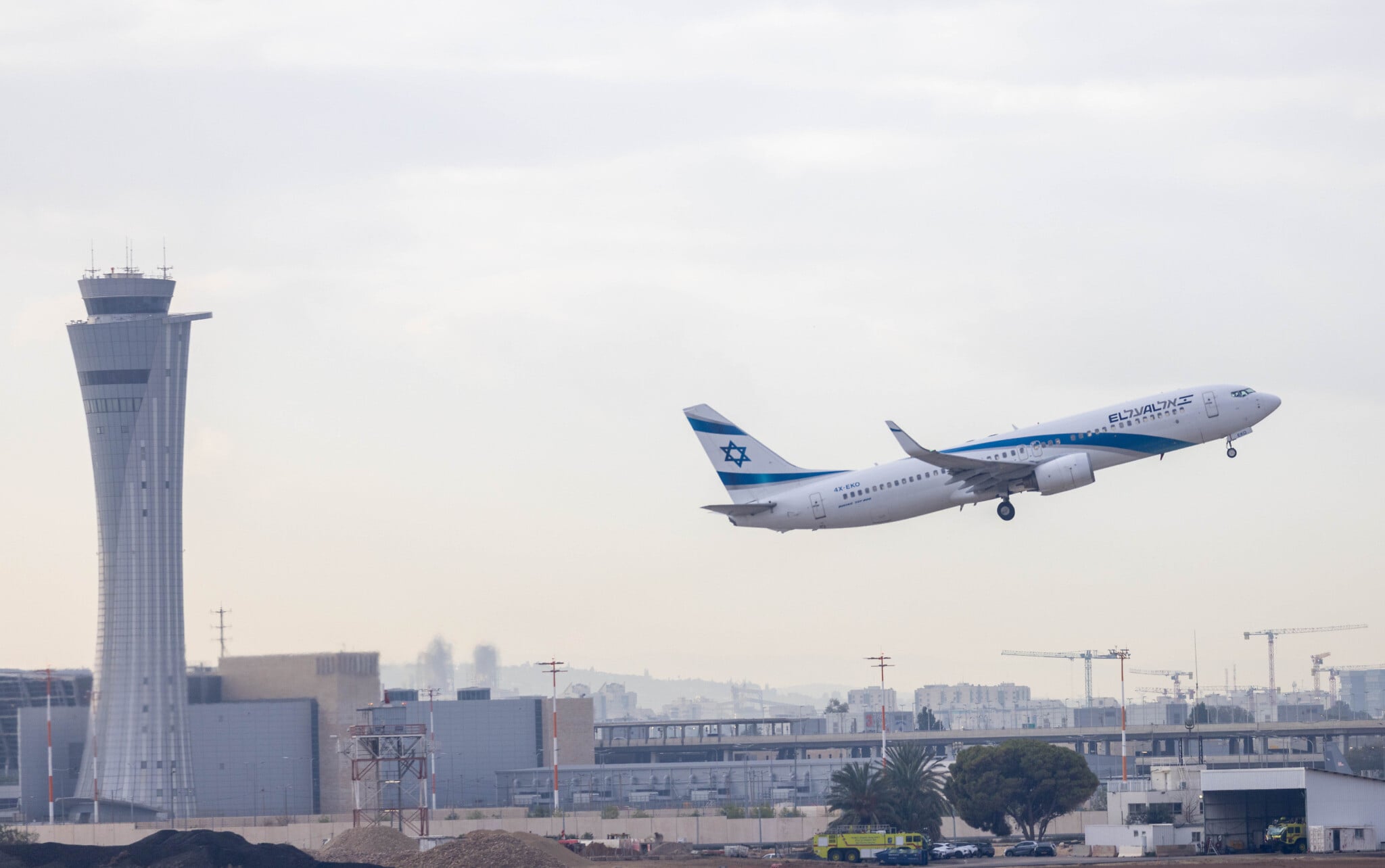
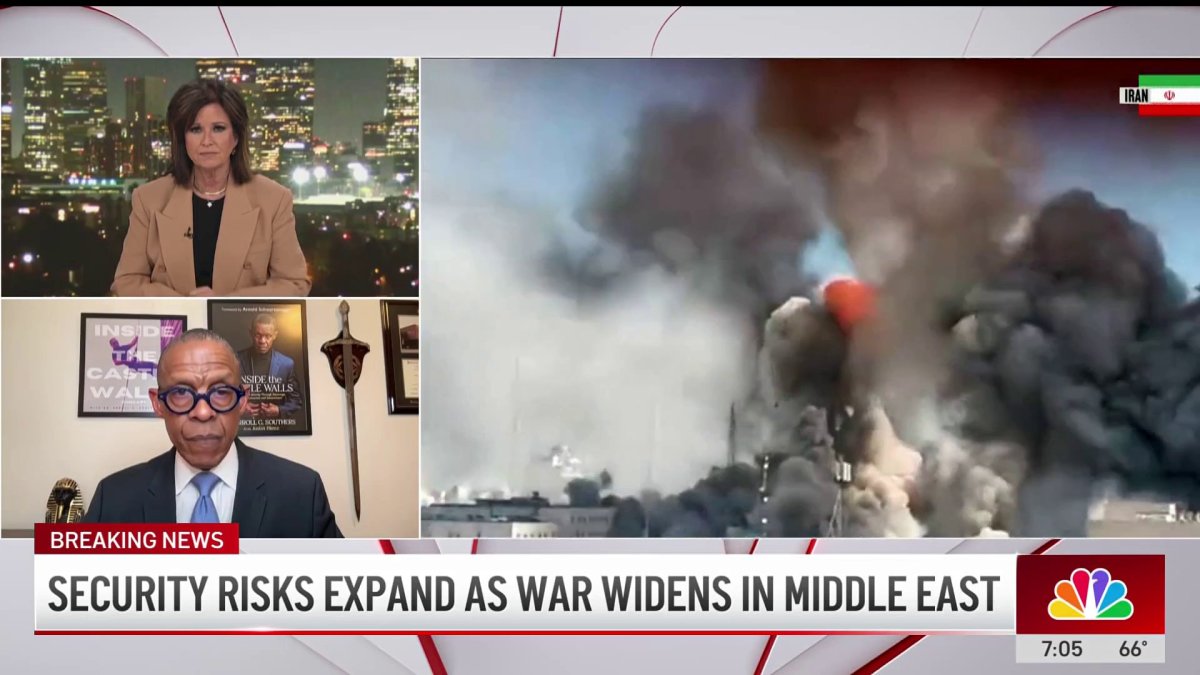
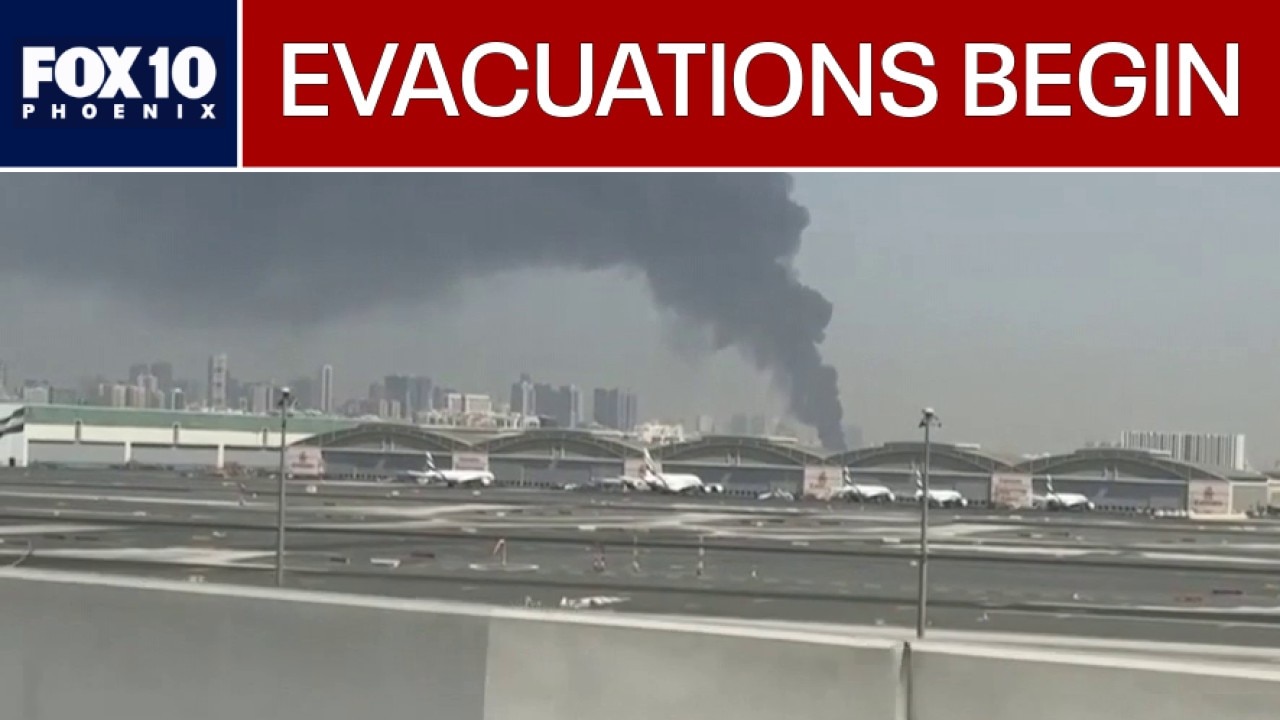
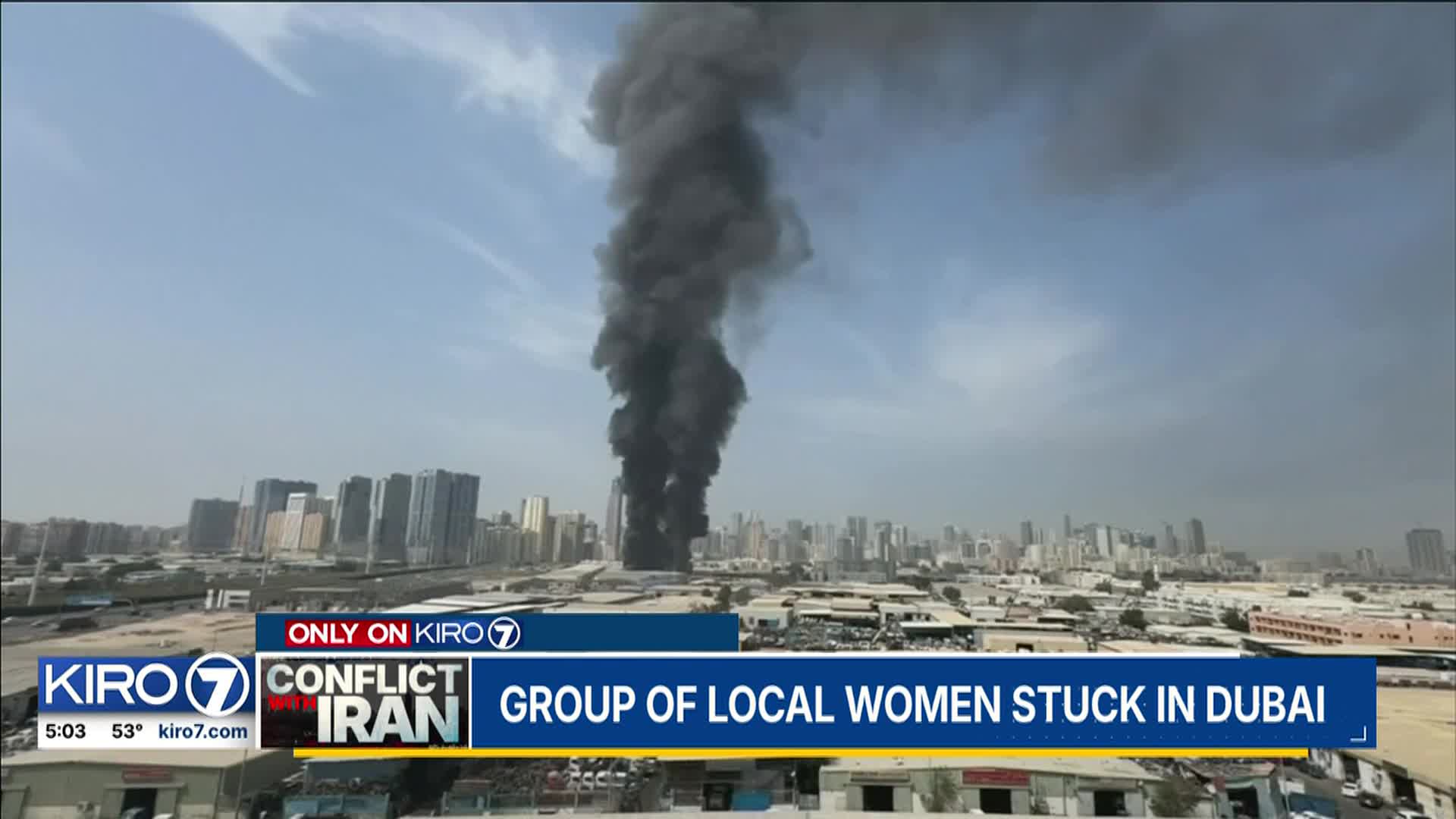
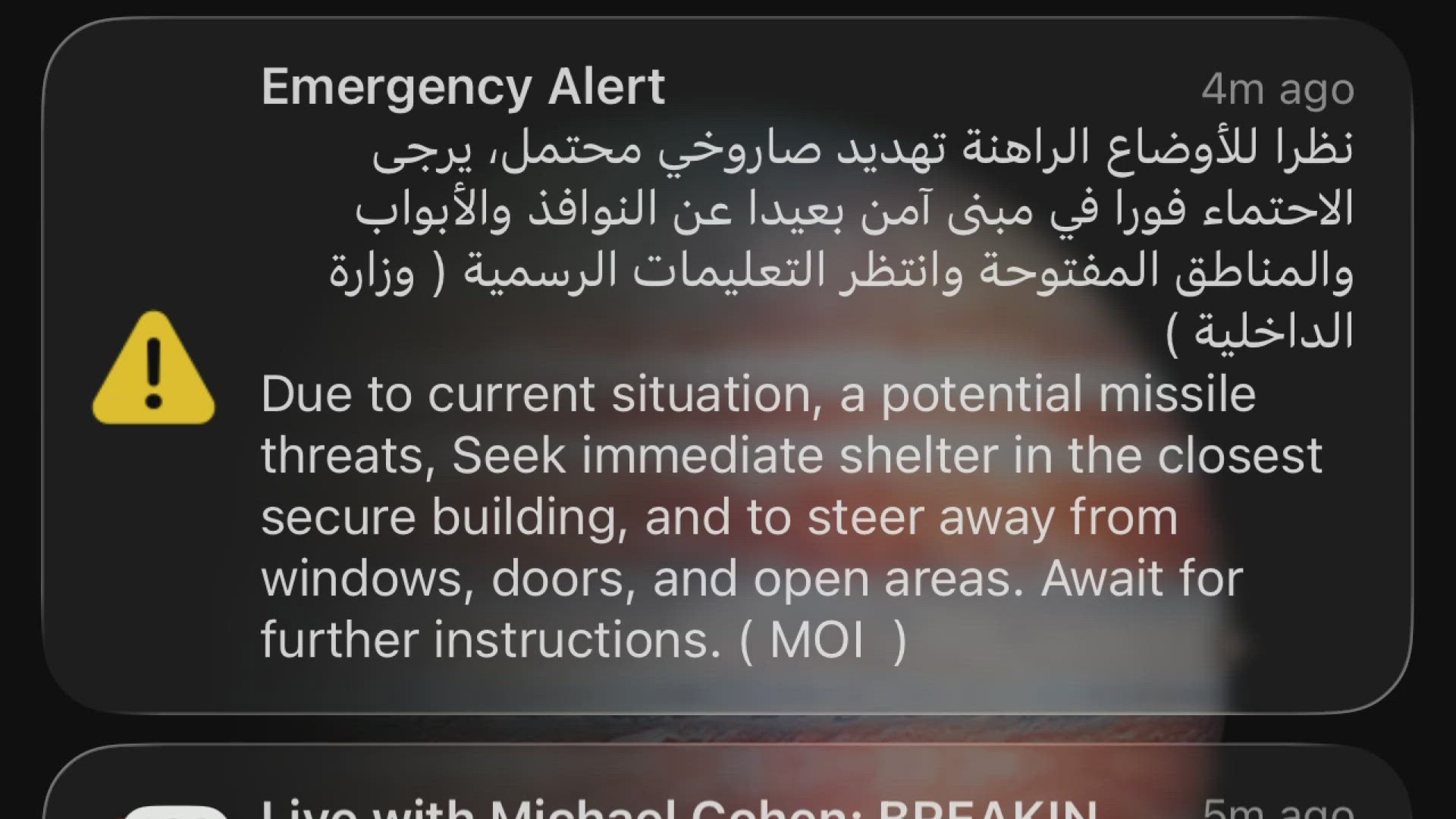
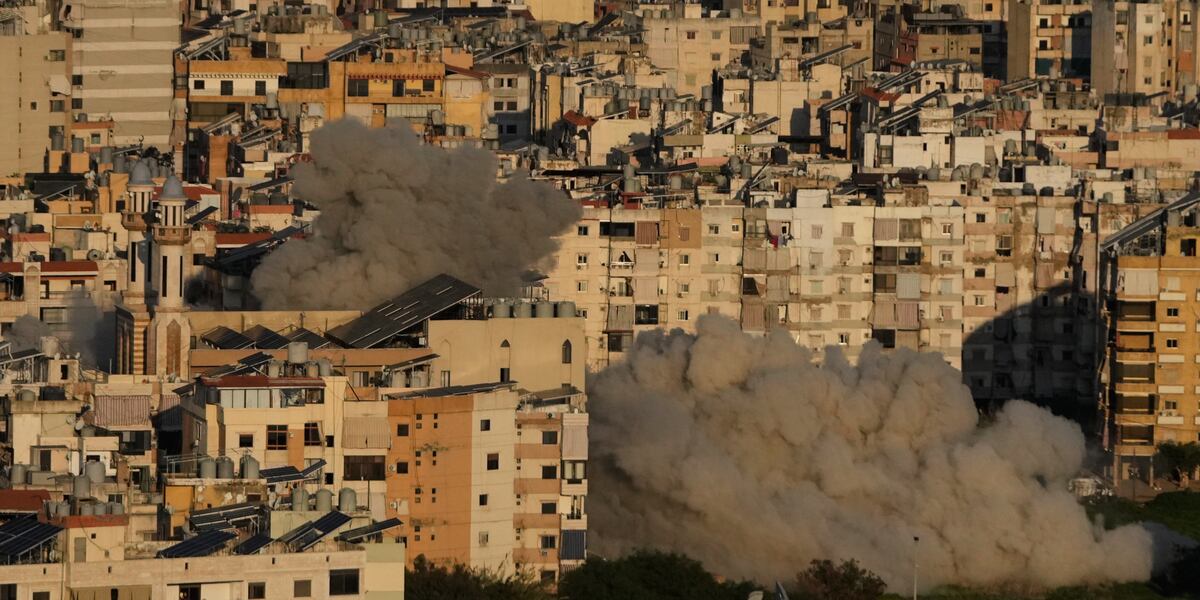
The escalating Middle East military conflict (March 3-4, 2026) represents a critical supply chain disruption event for cross-border e-commerce sellers, with immediate operational and financial consequences. The U.S. State Department elevated travel warnings to Level 3 for Jordan, Oman, Saudi Arabia, and the UAE on March 3, 2026, while military operations destroyed nearly 2,000 Iranian targets and 17 ships by March 4. The conflict has triggered airport closures across the region, evacuation of hundreds of thousands of Western nationals, and direct threats to critical logistics infrastructure including a CIA station in Saudi Arabia, U.S. consulate in Dubai, and military base in Qatar. Most significantly, the disruption threatens the Strait of Hormuz—the world's most critical oil shipping corridor—with President Trump ordering U.S. Navy escort operations for tanker traffic.
For cross-border sellers, this creates three immediate cost pressures: First, shipping cost inflation of 15-25% is already materializing as oil prices spike amid supply concerns and insurance premiums increase for Gulf region routes. Sellers shipping inventory to or through UAE fulfillment centers (the region's primary e-commerce logistics hub) face capacity constraints and route diversions adding 5-10 days to transit times. Second, market demand contraction in affected countries—particularly the UAE, Saudi Arabia, and Jordan—will reduce consumer purchasing power as hundreds of thousands of Western expatriates evacuate and local economic activity declines. Third, operational uncertainty affects sellers with personnel, inventory, or fulfillment partnerships in the region; companies must immediately audit their supply chain exposure and activate contingency plans.
Specific seller segments face differentiated impacts: Sellers using 3PL providers with UAE distribution centers (common for Asia-to-Middle East-to-Europe routing) face immediate capacity reallocation costs. Electronics, luxury goods, and fast-moving consumer goods sellers targeting Gulf markets should expect 30-40% demand reduction over the next 2-3 months as consumer confidence deteriorates. Sellers with inventory in affected warehouses face potential evacuation-related losses and insurance claim complications. Conversely, sellers diversified across multiple fulfillment regions (Southeast Asia, India, Egypt) will experience competitive advantages as they maintain service levels while competitors struggle with disrupted Gulf logistics. The policy window for strategic repositioning is narrow—sellers should execute supply chain rebalancing within 7-14 days before alternative routes become congested and costs spike further.
Strategic opportunities exist for prepared sellers: Companies that rapidly shift inventory from UAE to Egypt (Level 2 advisory, more stable) or Southeast Asian hubs can capture market share from competitors facing logistics paralysis. Sellers offering expedited shipping alternatives or accepting longer delivery windows can maintain customer relationships while competitors lose sales. The crisis also creates arbitrage opportunities in product categories where demand shifts—emergency supplies, communication devices, and security products may see temporary demand spikes in affected regions despite overall market contraction. However, the geopolitical situation remains fluid with ongoing military operations, creating sustained uncertainty through at least Q2 2026.
Questions 8
How should sellers manage insurance and liability during this geopolitical crisis?
Sellers should immediately review marine insurance policies and notify providers of inventory in affected regions. Standard policies may have exclusions for war, civil unrest, or acts of terrorism—verify coverage explicitly. Document all inventory locations, values, and condition before potential disruptions. Consider force majeure clauses in supplier and customer contracts; many jurisdictions recognize geopolitical crises as qualifying events. Sellers with personnel in affected regions should verify evacuation insurance and emergency protocols. Expect insurance premiums to increase 20-30% for Gulf region coverage through at least Q3 2026. Consult with legal counsel regarding liability for delayed shipments caused by geopolitical factors. Transparent customer communication about force majeure events can mitigate reputation damage and reduce chargeback/return rates.
Which product categories should sellers prioritize or avoid during this crisis?
Sellers should prioritize essential categories with inelastic demand: pharmaceuticals, medical supplies, food/beverages, and communication devices. These categories maintain demand even during economic uncertainty and may see temporary spikes as consumers stockpile. Avoid discretionary categories: luxury goods, fashion, electronics, and home furnishings will see 40-50% demand reduction in affected markets. High-value, low-volume products are ideal for reallocation as they minimize logistics costs; bulky, low-margin items should be held in place or liquidated. Sellers should also consider temporary product mix shifts toward emergency supplies and security products, which may see 20-30% demand increases. Category-specific demand forecasting should be updated weekly as the situation evolves.