




Middle East Crisis Disrupts Global Shipping | Sellers Face 15-25% Logistics Cost Surge
- Strait of Hormuz instability threatens 21% of global petroleum trade; shipping delays and insurance premiums spike for cross-border sellers; US government insurance program creates new compliance requirements






Overview
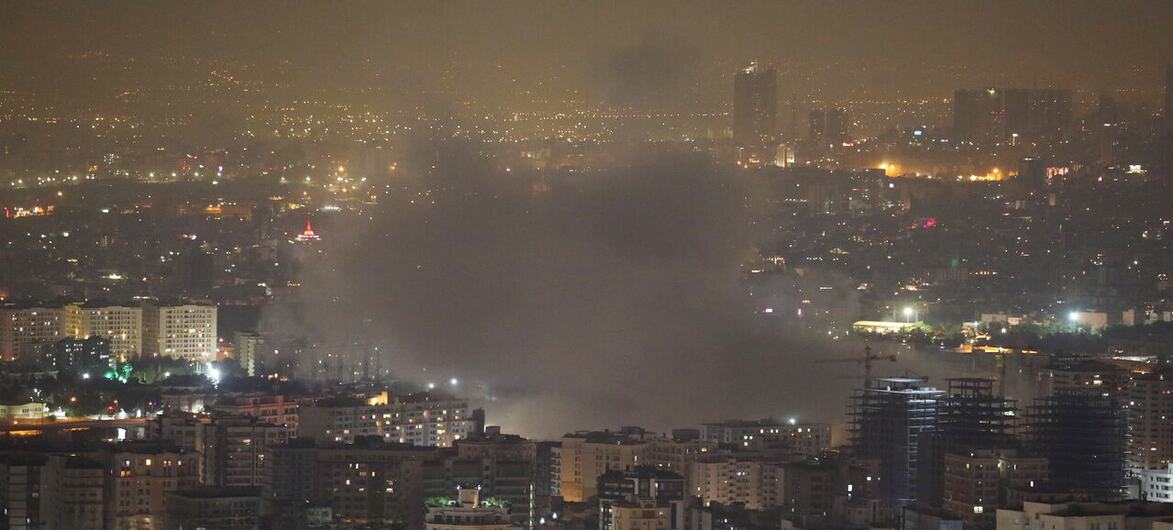
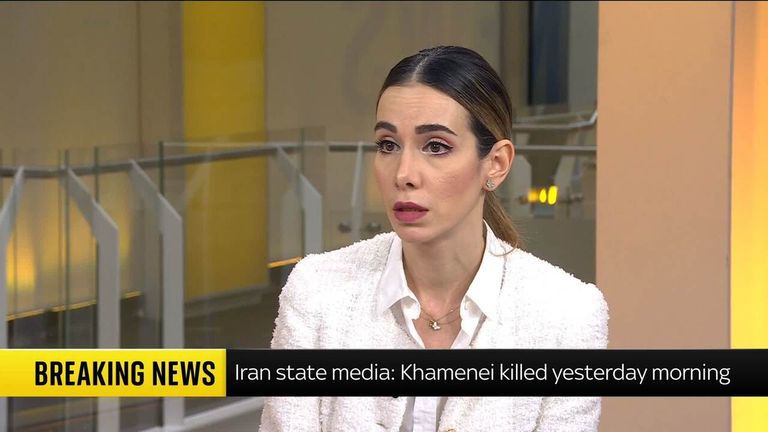
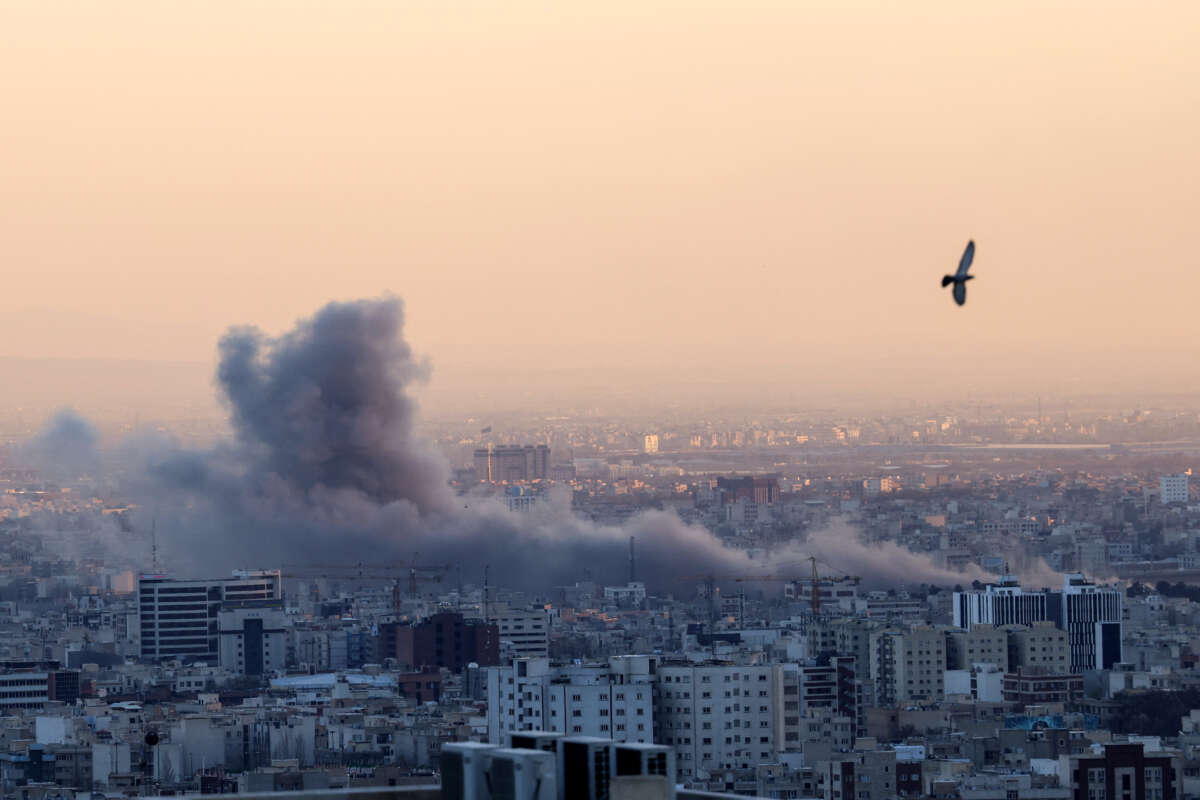
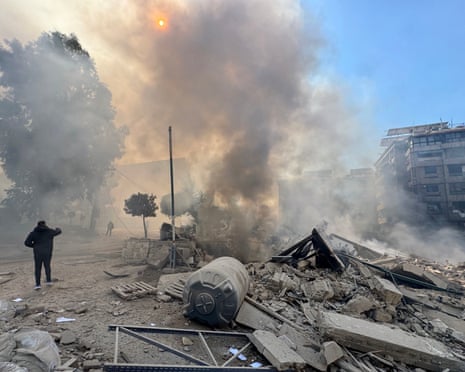
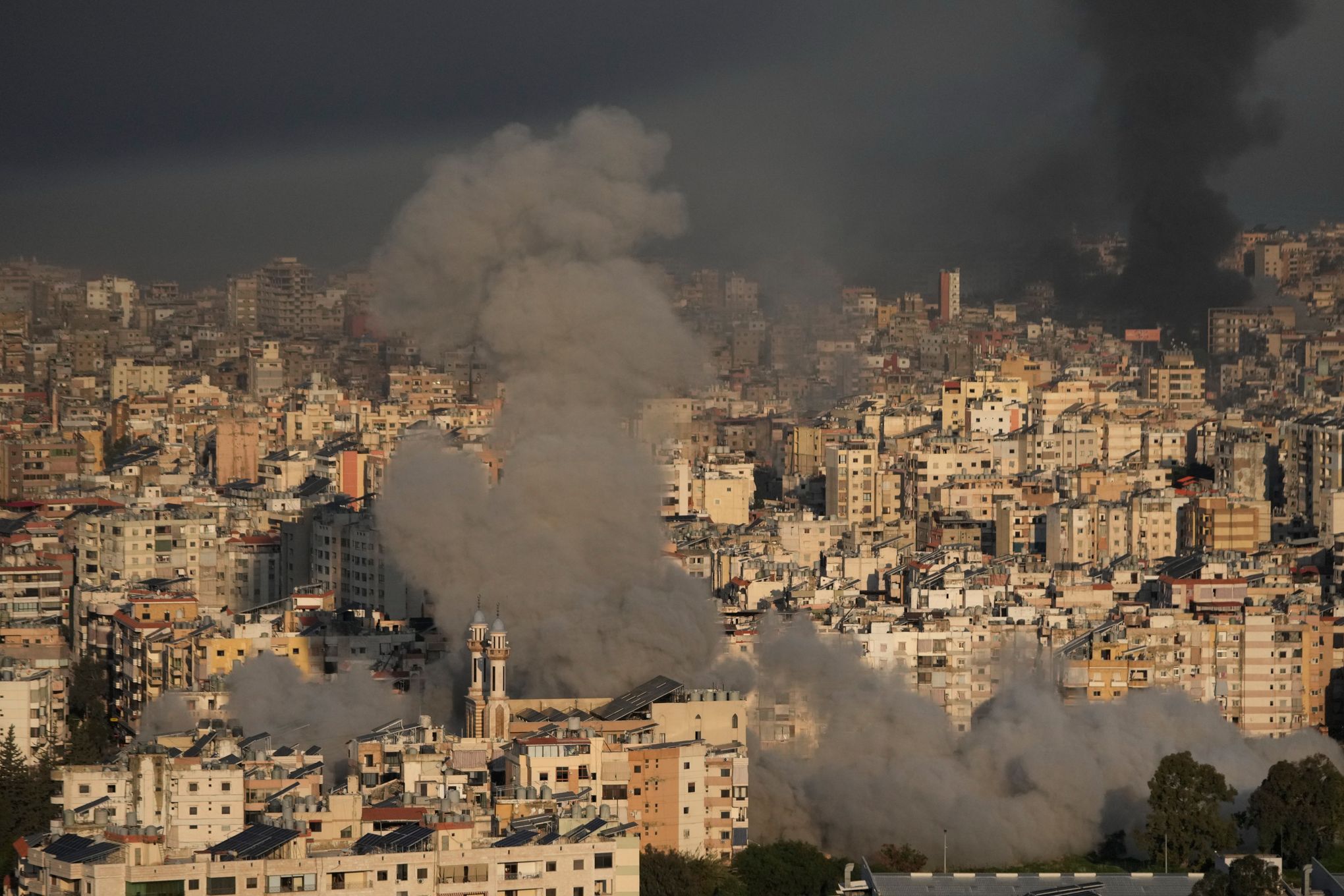
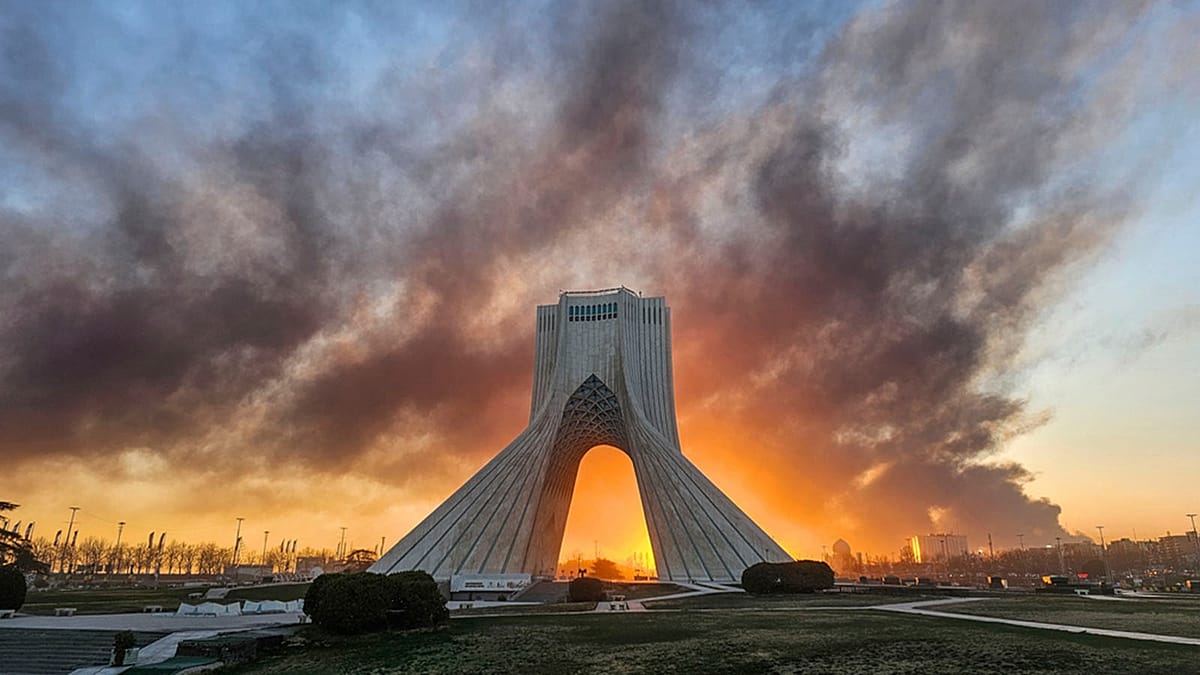
The escalating Iran-Israel military conflict represents a critical supply chain disruption event for cross-border e-commerce sellers, with direct operational and financial consequences. According to Al Jazeera reporting, the conflict has resulted in 800+ deaths, strikes on critical infrastructure including ports in Fujairah (UAE) and military installations in Qatar, and ongoing ballistic missile exchanges. Most critically, the Strait of Hormuz—which handles approximately 21% of global petroleum trade—faces unprecedented shipping route instability. This geopolitical crisis creates immediate cost pressures and operational challenges for sellers across multiple dimensions.
Shipping Route Disruption and Logistics Cost Escalation: The conflict directly impacts the primary maritime corridor for Asia-to-Europe and Asia-to-Middle East trade. Sellers relying on ocean freight through the Strait of Hormuz face 15-25% cost increases due to: (1) insurance premium surges for maritime shipping in high-risk zones, (2) route diversification forcing longer transit times (adding 2-4 weeks via alternative routes around Africa), and (3) port congestion as carriers reroute cargo. Trump administration announcements regarding US government-backed shipping insurance create new compliance requirements—sellers must verify carrier participation in government programs and may face documentation delays. Small and medium-sized sellers (those shipping 500-5,000 units monthly) are most vulnerable, as they lack negotiating power with 3PL providers and cannot absorb cost increases through volume discounts.
Energy Price Volatility and Product Category Impacts: Qatar's production reductions and European gas price surges signal broader energy cost inflation affecting manufacturing and logistics. This particularly impacts sellers in energy-intensive categories: electronics (manufacturing cost increases 3-8%), plastics/polymers (raw material costs up 5-12%), and temperature-controlled logistics (refrigerated shipping premiums increase 20-30%). Sellers sourcing from Asia face compounding pressures—manufacturing costs rise due to energy inputs, while shipping costs increase due to route disruptions. The conflict's projected 4-5+ week duration (per political analysts) suggests these cost pressures will persist through Q1-Q2 2026.
Market Access and Payment Processing Risks: The conflict creates secondary risks for sellers operating in or shipping to Middle Eastern markets (UAE, Qatar, Lebanon, Iran). Payment processing complications emerge as financial institutions implement heightened compliance screening, potentially delaying settlements by 5-10 business days. Sellers with inventory in Dubai or other UAE distribution hubs face operational uncertainty—24,000+ stranded Australians indicate broader flight disruptions affecting air freight capacity. Port of Duqm (Oman) targeting by drones signals that even secondary ports face risk, forcing sellers to consolidate shipments and accept longer lead times.
Questions 8
Which seller segments are most vulnerable to this crisis?
Small-to-medium sellers (500-5,000 units monthly) are most vulnerable due to: (1) limited negotiating power with 3PL providers, (2) inability to absorb 15-25% cost increases through volume discounts, and (3) insufficient working capital to cover extended payment cycles and route diversification costs. Sellers heavily dependent on Middle Eastern markets or Asian manufacturing face compounding pressures. Large sellers (10,000+ units monthly) can negotiate better rates and diversify routes more efficiently. Sellers in energy-intensive categories (electronics, plastics) face additional manufacturing cost pressures beyond logistics. Immediate action to diversify suppliers and routes is critical for smaller sellers to maintain margin competitiveness.
How long will these supply chain disruptions persist?
Political analysts quoted in the news reports indicate the conflict could extend beyond initial 4-5 week projections, suggesting supply chain impacts will persist through at least Q1-Q2 2026. The news emphasizes that air strikes alone cannot permanently disable Iran's nuclear capabilities, and ground operations would face significant logistical challenges, indicating prolonged instability. Sellers should plan for sustained cost increases rather than temporary disruptions. This timeline affects inventory planning, pricing strategies, and supplier negotiations—sellers should lock in favorable rates now before further escalation drives costs higher.