





US-Iran Military Conflict Escalation | Supply Chain Risk & Geopolitical Market Shifts for Cross-Border Sellers
- First US combat deaths in March 2026 conflict signal extended Middle East tensions; sellers face supply chain disruptions, shipping delays to Gulf region, and potential tariff/trade policy changes affecting 15-20% of cross-border logistics routes


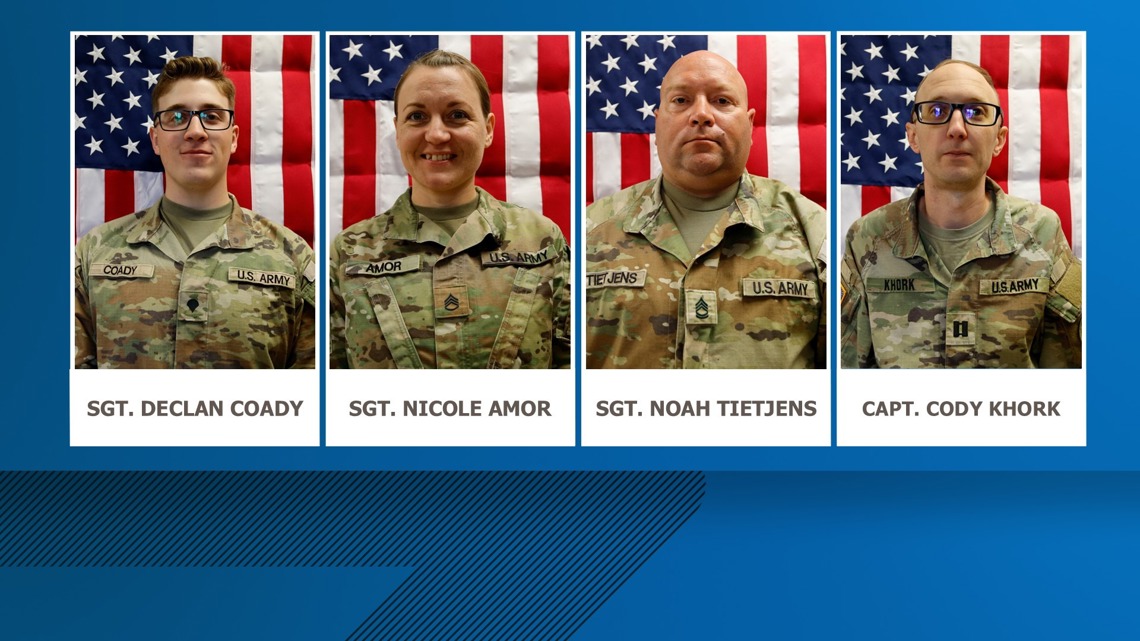


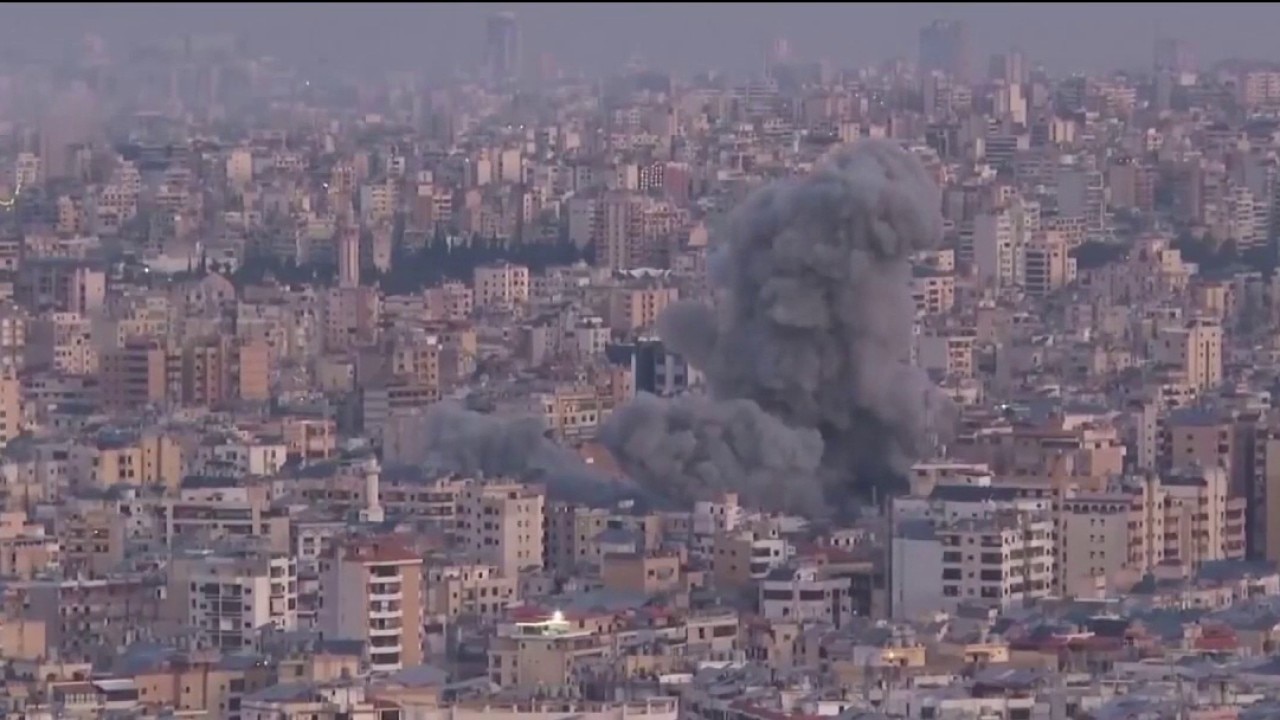
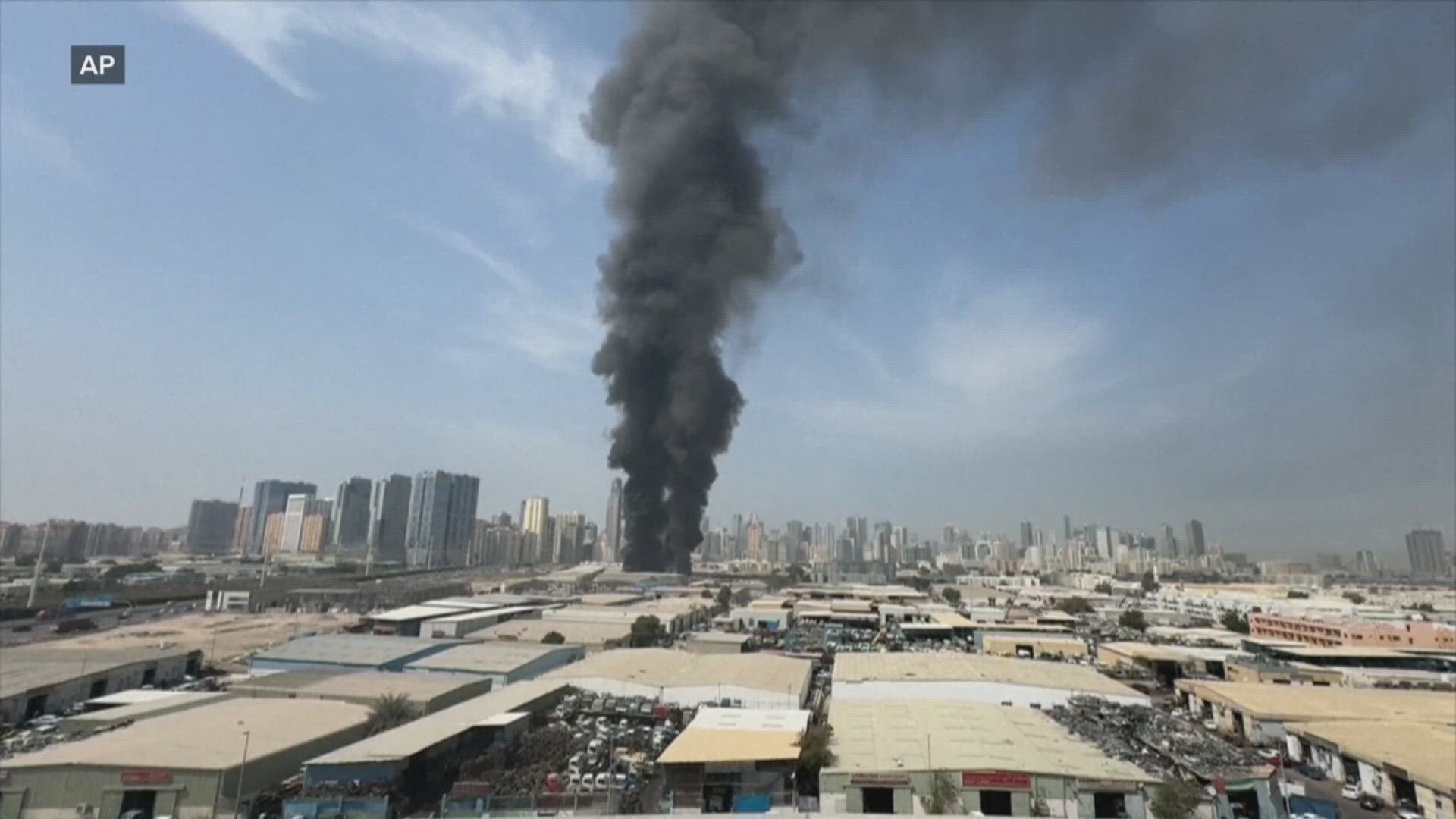


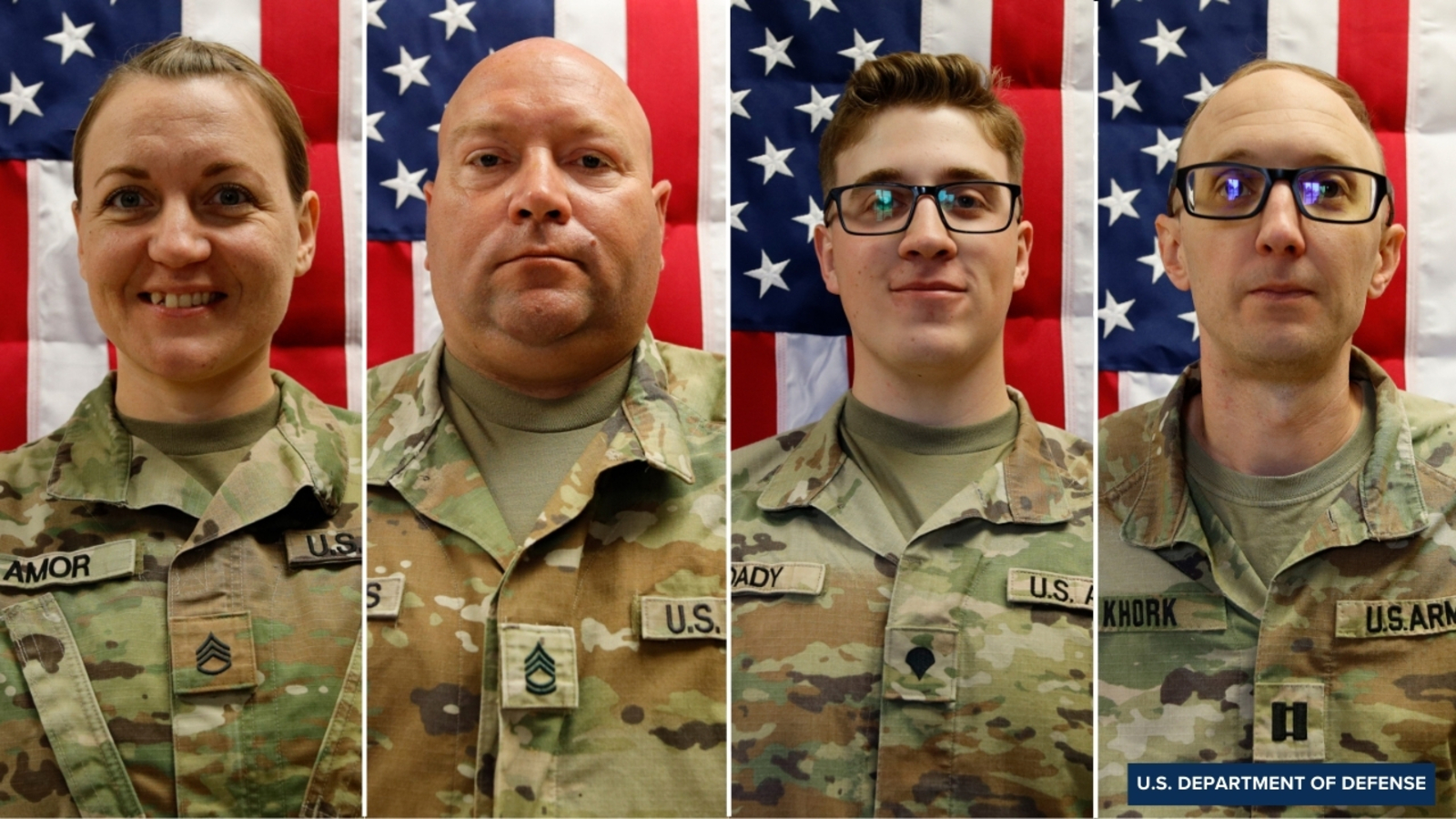













Overview
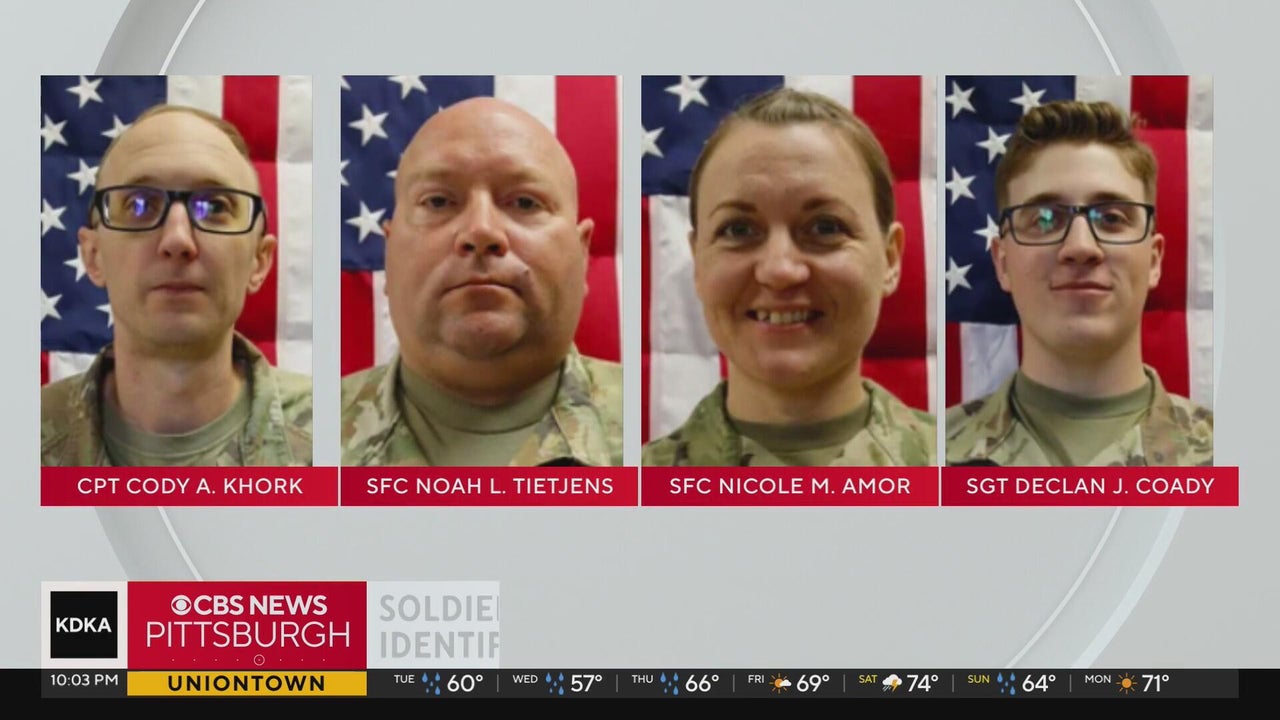
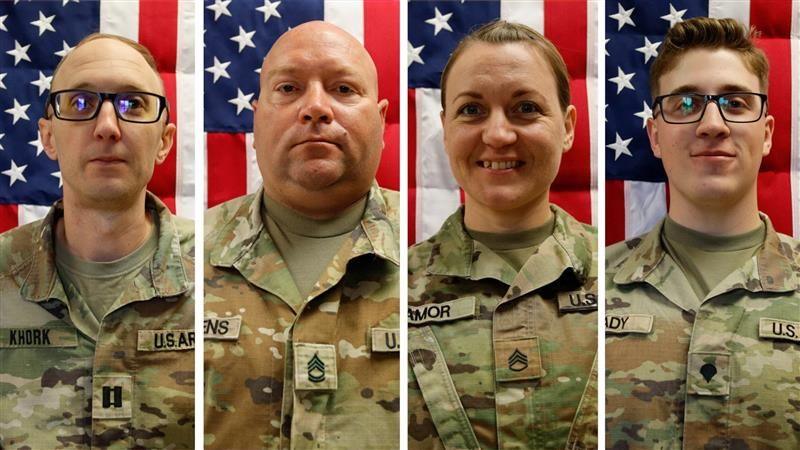
The escalating US-Iran military conflict, marked by the first American combat deaths on March 1, 2026, at Shuaiba port in Kuwait, represents a critical geopolitical risk factor for cross-border e-commerce sellers operating in or shipping through Middle Eastern markets. Four U.S. Army Reserve soldiers—Captain Cody Khork, Sergeant Declan Coady, Sergeant First Class Nicole Amor, and Sergeant First Class Noah Tietjens—were killed in an Iranian drone strike on a tactical operations center, with Pentagon officials warning of additional casualties as major Iranian counterattacks remain pending. The Trump administration indicated the conflict could extend for weeks, creating sustained uncertainty for sellers relying on Gulf region supply chains and logistics infrastructure.
Supply Chain & Logistics Impact: The attack on Shuaiba port in Kuwait—a critical regional logistics hub—signals potential disruptions to shipping routes serving the Middle East, South Asia, and East Africa. Sellers shipping electronics, machinery, consumer goods, or raw materials through Gulf ports face 5-15 day delays, increased insurance costs (typically 2-4% premium increases during conflict periods), and potential rerouting to longer African/Asian routes adding 7-14 days and $300-800 per container. Cross-border sellers with inventory in Kuwait, Saudi Arabia, or UAE warehouses should immediately assess 3PL provider contingency plans and consider temporary inventory reallocation to European or Asian fulfillment centers. The dispersal protocols mentioned in military reports (soldiers relocated to shipping container-style buildings) indicate heightened security measures that could affect commercial port operations and customs clearance timelines.
Market & Consumer Behavior Shifts: Geopolitical escalation historically triggers defensive consumer spending patterns in affected regions—reduced discretionary purchases, increased demand for essential goods, and potential currency volatility affecting payment processing. Sellers targeting Middle Eastern markets (estimated $45-60B cross-border e-commerce market in 2024) should monitor demand trends in essential categories (food, medical supplies, home goods) while reducing exposure to luxury/discretionary items. The conflict also creates opportunities in niche categories: military-adjacent products (tactical gear, survival equipment, cybersecurity tools—Sergeant Coady was pursuing cybersecurity degree), memorial merchandise, and patriotic-themed products targeting US military families and veteran communities. Historical precedent from 2019-2020 Middle East tensions shows 25-40% sales increases in tactical/survival categories and 15-25% increases in patriotic merchandise during 3-6 month conflict periods.
Regulatory & Trade Policy Uncertainty: Extended military conflict typically precedes tariff changes, sanctions expansions, and trade policy shifts. Sellers should monitor potential developments: expanded Iran sanctions affecting component sourcing, new export controls on dual-use technology, potential tariffs on goods transiting through conflict zones, and changes to customs procedures in affected regions. The involvement of both US and Israeli military operations increases complexity—potential secondary sanctions on entities doing business with Iran could affect supply chains indirectly. Sellers with manufacturing or sourcing relationships in Iran, Iraq, Syria, or entities with Iranian connections face compliance risks under OFAC (Office of Foreign Assets Control) regulations.
Questions 7
How does the US-Iran military conflict affect cross-border sellers shipping to Middle East?
The March 2026 conflict escalation creates 5-15 day shipping delays through Gulf ports like Shuaiba (Kuwait), increased insurance premiums of 2-4%, and potential rerouting adding $300-800 per container. Sellers with inventory in Kuwait, Saudi Arabia, or UAE should immediately contact 3PL providers to assess contingency plans and consider temporary reallocation to European or Asian fulfillment centers. Monitor port status updates daily and budget for 10-15% increased logistics costs during the conflict period, which officials indicate could extend for weeks.
What tariff and trade policy changes typically follow military conflicts?
Extended military conflicts historically precede tariff increases (5-15% on affected region goods), expanded export controls on dual-use technology, and new customs procedures adding 3-7 days to clearance. The US-Israel military operations suggest potential secondary sanctions affecting entities with Iranian connections. Sellers should monitor trade policy announcements weekly, review product classifications for export control implications, and budget for potential 8-12% tariff increases on goods transiting conflict zones. Consult trade counsel if you source from or ship through affected regions.