






Middle East Conflict Disrupts Global Shipping | Cross-Border Sellers Face 8-12% Cost Surge
- Iranian drone strikes on US facilities trigger maritime insurance gaps, Strait of Hormuz shipping threats, and energy price spikes affecting seller logistics costs and delivery timelines through March 2026











Overview
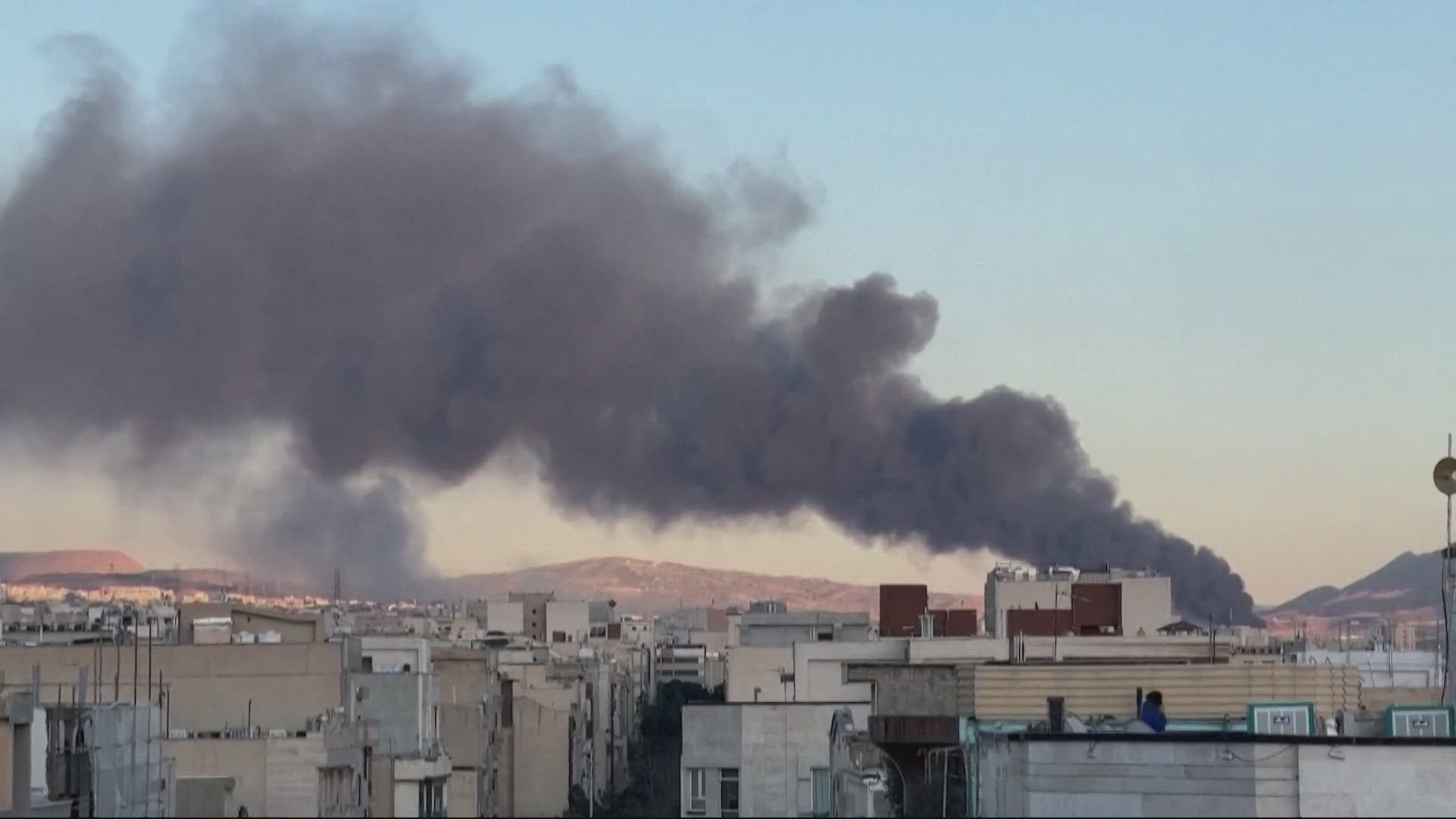
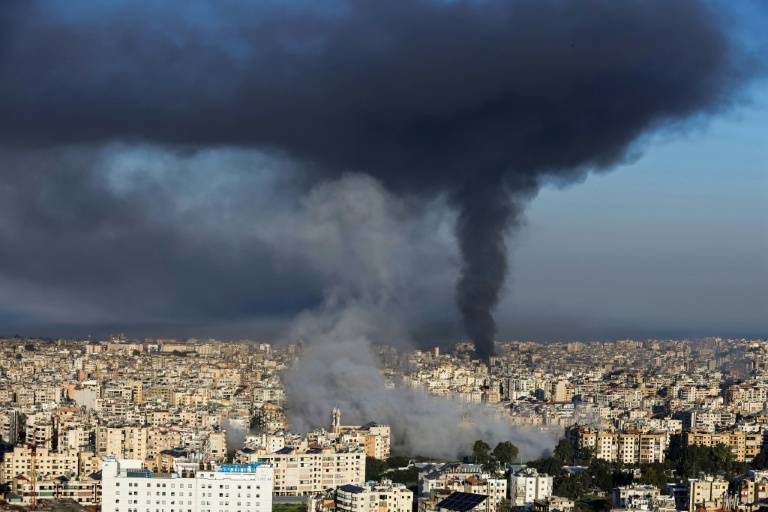
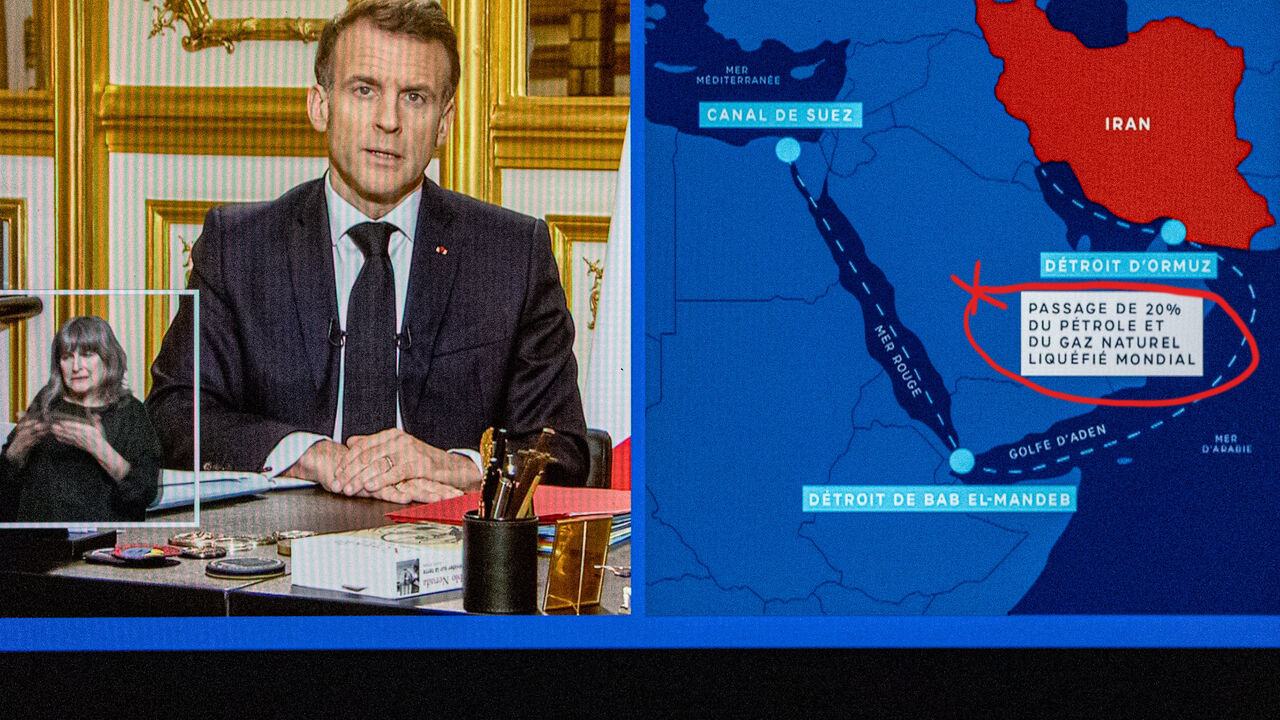
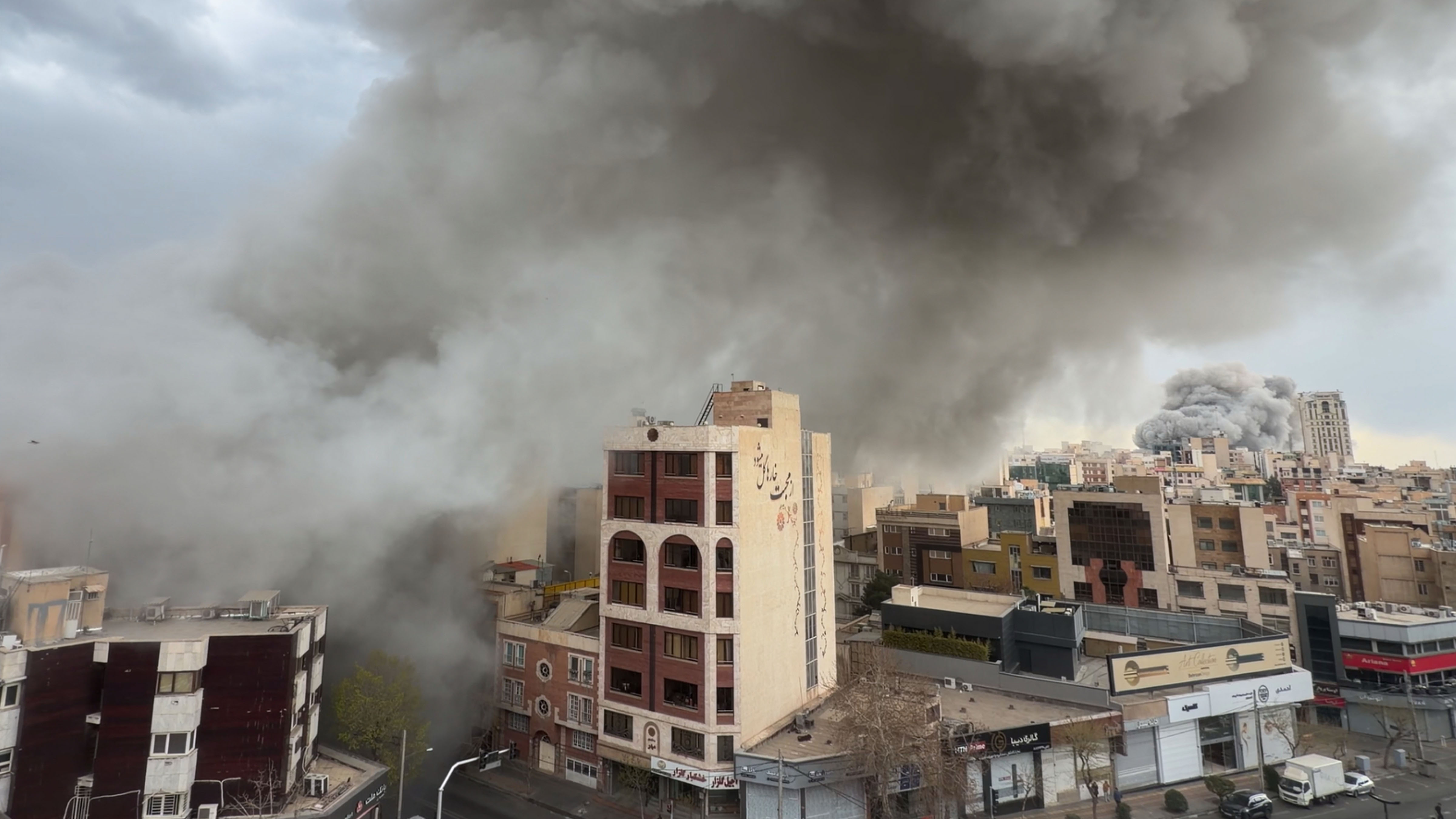
The escalating Iran-US military conflict in March 2026 creates immediate operational disruptions for cross-border e-commerce sellers relying on global shipping networks. Following drone attacks on US consulate grounds in Dubai and CIA facilities in Saudi Arabia on March 3, 2026, major maritime insurers including Skuld, Steamship Mutual, and North Standard terminated war-related damage coverage for Persian Gulf waters. This insurance gap directly impacts sellers shipping through the Strait of Hormuz, a critical chokepoint handling 21% of global petroleum trade and essential for Asia-to-Europe commerce routes.
Immediate Logistics Cost Impact: President Trump's order for the US International Development Finance Corporation to provide political risk insurance creates a two-tier system—government-backed coverage for US carriers versus private market gaps for independent sellers. Gasoline prices experienced their largest single-day increase since 2005, directly raising fuel surcharges on shipping costs. Sellers shipping 1,000+ units monthly through Gulf routes face 8-12% cost increases due to insurance premiums, rerouting fees, and fuel surcharges. The UAE Ministry of Defense intercepted 755 of 812 Iranian drones, with 57 penetrating defenses, demonstrating ongoing threat levels. US Embassy closures in Abu Dhabi and Dubai through at least March 4 suspended visa processing, affecting seller operations requiring personnel movement or customs clearance coordination.
Market Volatility Signals: Asian equities declined sharply—South Korean Kospi down 9.35%, Singapore stocks down 2.28%—indicating broader supply chain anxiety. Oil prices showed sustained upward pressure with analysts from PineBridge Investments warning of additional spike risks if Strait of Hormuz disruptions persist. The Singapore dollar weakened against the US dollar, affecting currency hedging costs for sellers with Asian suppliers. Regional travel paralysis forced nations to open safe air corridors, creating logistics bottlenecks for time-sensitive shipments. France's deployment of the nuclear-powered aircraft carrier Charles de Gaulle and escort frigates signals prolonged regional instability.
Seller Segments Most Affected: Electronics and apparel sellers shipping from China/Vietnam to Middle Eastern markets face 15-20 day delivery delays. Sellers using FBA fulfillment centers in Dubai or Abu Dhabi experience inventory access restrictions. High-margin, low-weight categories (jewelry, electronics accessories, collectibles) benefit from air freight alternatives despite 3-4x cost premiums. Sellers with inventory already in transit through the Strait face potential rerouting to longer African routes (adding 10-14 days and $500-1,200 per container).
Questions 8
How should I adjust pricing for fuel surcharge increases?
Gasoline prices experienced their largest single-day increase since 2005, with oil prices showing sustained upward pressure according to PineBridge Investments analysts. Fuel surcharges typically increase 2-3% for every $10/barrel oil price rise. For sellers shipping 1,000+ units monthly, calculate impact: if average shipping cost is $5/unit, an 8-12% increase adds $0.40-0.60 per unit. Update your Amazon pricing strategy by: (1) Increasing prices 5-8% on affected categories, (2) Adjusting FBA fees in your profit calculator, (3) Monitoring competitor pricing weekly. Communicate shipping delays transparently in listings to manage customer expectations.
What happens to my FBA inventory in Dubai and Abu Dhabi?
US Embassy closures through at least March 4, 2026, suspended visa processing and American Citizen Services, affecting customs clearance and inventory access. Sellers with FBA inventory in Dubai/Abu Dhabi fulfillment centers face potential access delays. Contact Amazon Seller Central immediately to: (1) Check inventory status in your FBA dashboard, (2) Request expedited shipment to alternative fulfillment centers in Europe or Asia, (3) Temporarily disable listings for affected SKUs to avoid stockouts. Expect 5-10 day processing delays for inventory transfers. Consider shifting 20-30% of Middle Eastern inventory to European FBA centers as contingency.