



Strait of Hormuz Blockade Triggers Asian Shipping Crisis | Sellers Face 15-25% Logistics Cost Surge
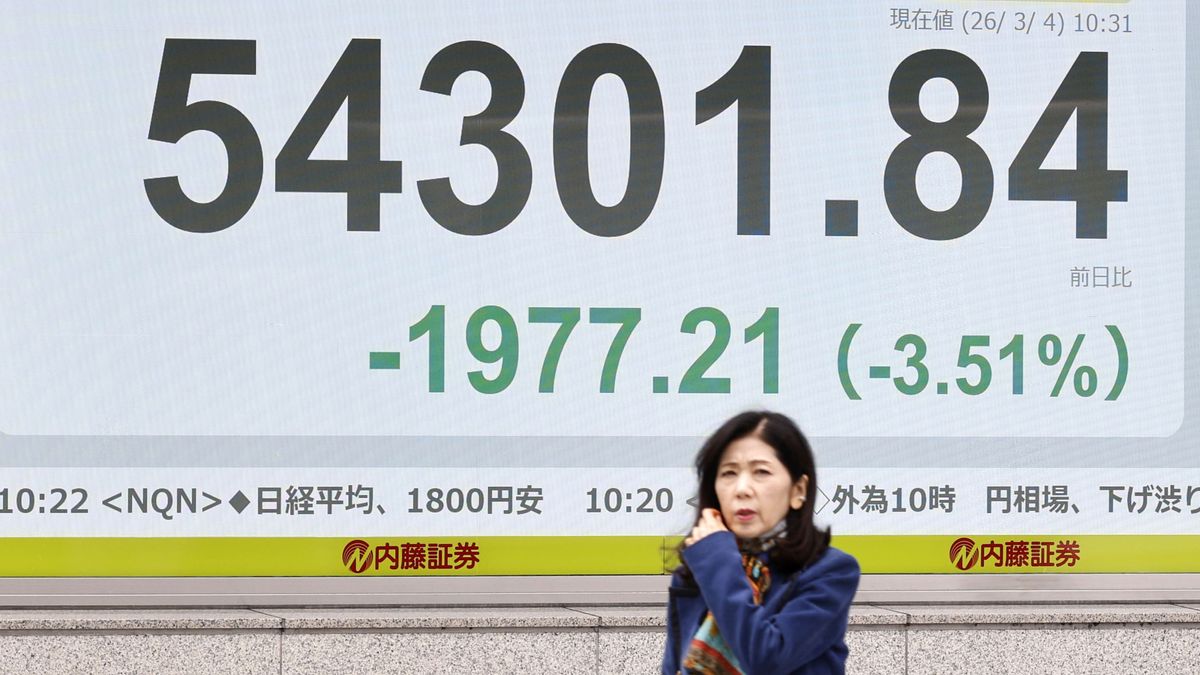
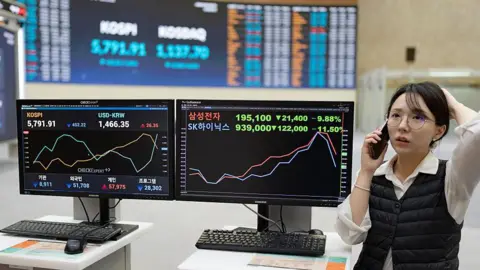
- South Korea Kospi plunges 12%, Japan/Taiwan oil imports disrupted, energy costs spike 8-15% for Asia-Pacific e-commerce sellers shipping via Persian Gulf routes









Overview
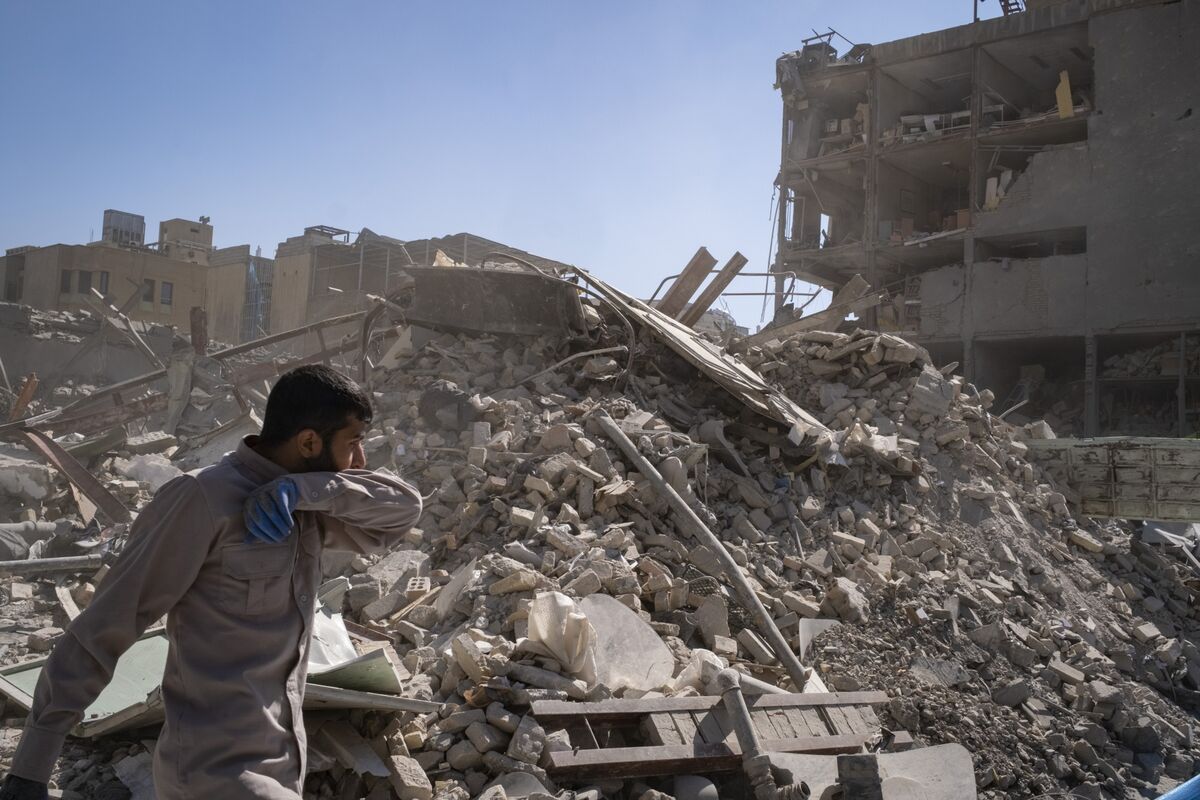
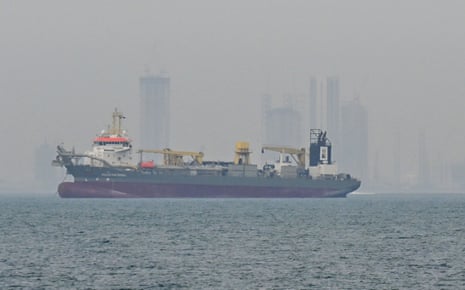
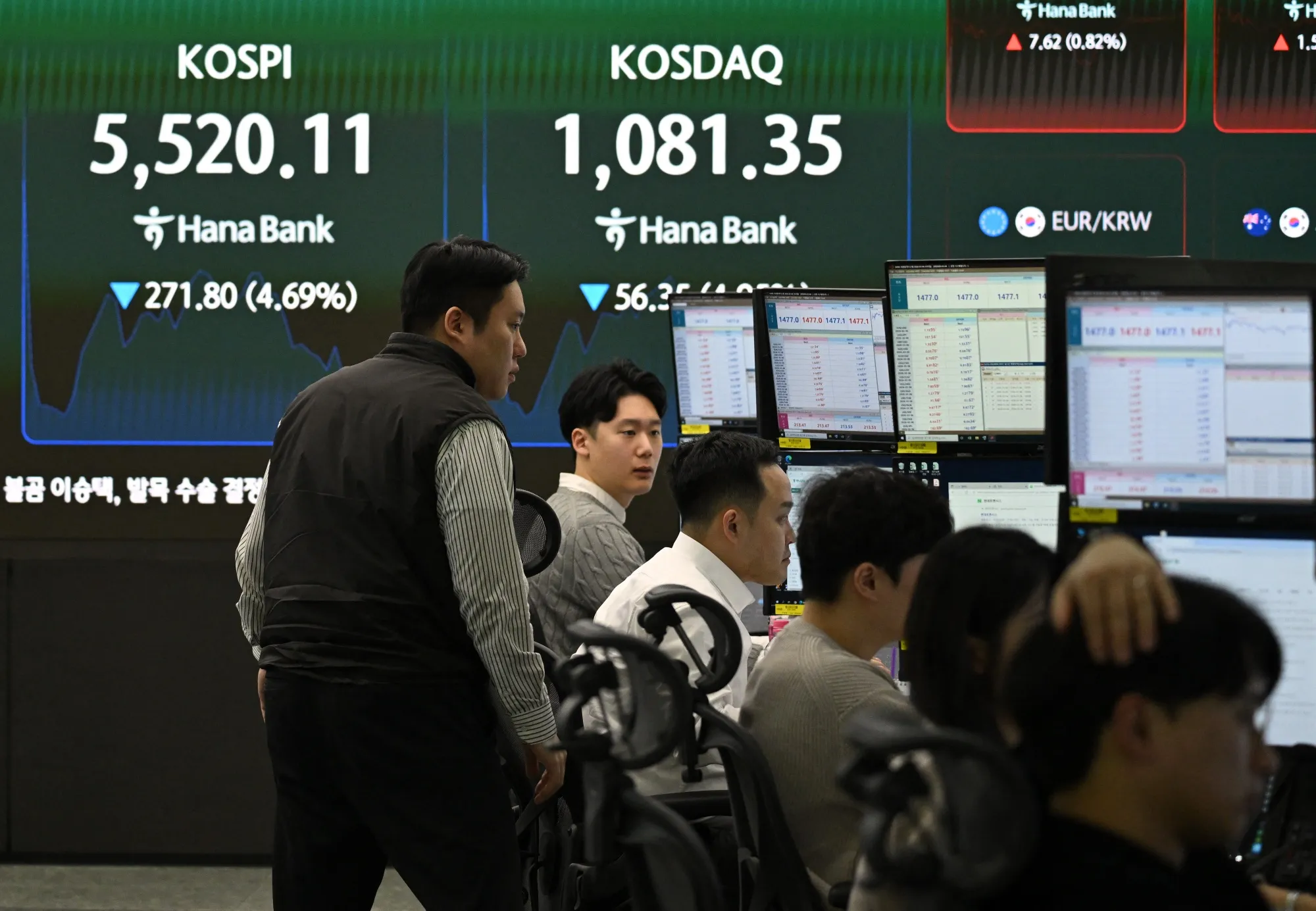
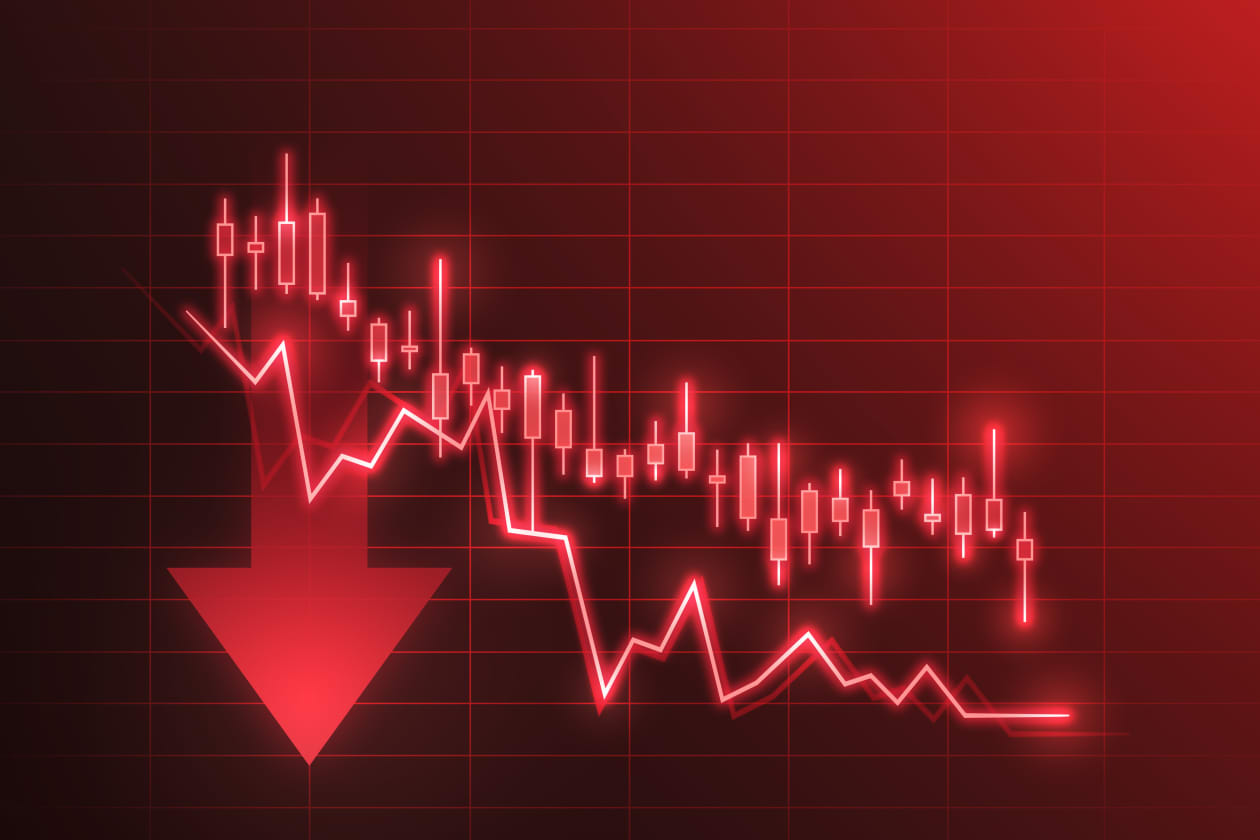
The Iran-Israel military conflict escalating on March 4, 2026, has created a critical supply chain crisis for cross-border e-commerce sellers, particularly those operating in Asia-Pacific regions or sourcing from manufacturing hubs dependent on Middle Eastern energy. Iran's effective blockade of the Strait of Hormuz—through which 21% of global petroleum and 8% of liquefied natural gas transits—has triggered immediate market volatility: South Korea's Kospi index plummeted 12% (largest two-day drop since 2008), Japan's Nikkei fell 3%, Taiwan's index declined 4.35%, and Hong Kong's Hang Seng dropped nearly 3%. This geopolitical shock directly translates to operational cost increases for e-commerce sellers.
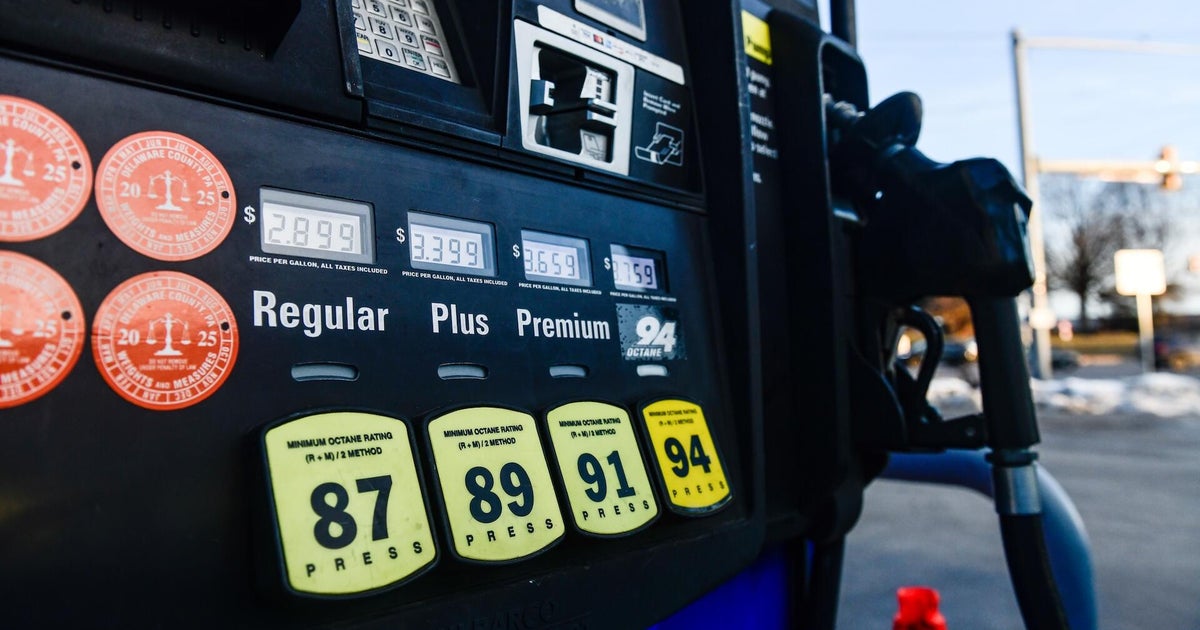
Immediate Logistics Impact: Rising energy costs directly compress profit margins across multiple seller segments. Shipping costs via traditional Persian Gulf routes face 15-25% premiums due to insurance increases, fuel surcharges, and route diversification. For sellers with thin margins on lower-priced goods (electronics, home goods, apparel under $50 retail), this represents margin compression of 8-12 percentage points. A seller shipping 1,000 units monthly via FBA with $3-5 per-unit logistics costs now faces additional $450-1,250 monthly expenses. Warehousing costs in affected Asian regions (Japan, South Korea, Taiwan) are rising 5-8% as energy-dependent facilities pass through increased operational expenses.
Market Demand Contraction: Beyond logistics, the stock market volatility signals reduced consumer spending in affected regions. When Asian equity markets experience 12% single-day drops, consumer confidence typically contracts 3-6 months later, reducing demand for imported discretionary goods. This creates dual pressure: higher shipping costs coinciding with lower order volumes. Sellers relying on Japanese, South Korean, or Taiwanese consumer markets should expect 10-15% demand reduction through Q2 2026. Additionally, the Indian rupee depreciation (mentioned in News 1) affects sellers sourcing from India or operating in Indian marketplaces, with currency headwinds adding 3-5% to sourcing costs.
Strategic Sourcing Implications: The crisis creates a 60-90 day window for sellers to evaluate supply chain diversification. Sellers currently dependent on Asian manufacturing (electronics, textiles, home goods) should consider: (1) Shifting 20-30% of sourcing to non-energy-dependent regions (Mexico, Eastern Europe, Southeast Asia alternatives like Vietnam/Indonesia with alternative energy infrastructure), (2) Negotiating fixed-price contracts with suppliers before energy costs fully propagate through supply chains, (3) Implementing inventory optimization to reduce working capital exposure during volatile periods. Trump's announcement of U.S. Navy escort services and tanker insurance for Persian Gulf traffic provides a potential stabilization mechanism, but this creates 30-45 day uncertainty before implementation clarity.
Questions 7
Should sellers shift sourcing away from Asia due to energy costs?
A strategic 20-30% sourcing shift to non-energy-dependent regions (Mexico, Eastern Europe, Vietnam/Indonesia alternatives) is prudent within the next 60-90 days. However, complete abandonment of Asian manufacturing is not recommended due to established supply chains and cost advantages. Instead, sellers should: (1) Negotiate fixed-price contracts with current suppliers before energy costs fully propagate (typically 30-45 days), (2) Identify alternative suppliers in Mexico (nearshoring to US), Eastern Europe (for EU markets), and Southeast Asia (Vietnam, Indonesia with alternative energy infrastructure), (3) Implement inventory optimization to reduce working capital exposure. The optimal strategy is portfolio diversification rather than wholesale relocation.
Which Asian markets will see the biggest demand reduction from this crisis?
South Korea, Japan, and Taiwan face the most severe demand contraction due to direct energy dependency: Japan imports 90% of oil via Strait of Hormuz, South Korea 70%, and Taiwan 60%. Historical patterns show 12% equity market drops correlate with 10-15% consumer spending reductions 3-6 months later. Sellers targeting these markets should expect demand reduction through Q2 2026, particularly in discretionary categories (electronics, home goods, apparel). However, essential goods and emergency supplies may see temporary demand spikes. The Indian market also faces headwinds from rupee depreciation, affecting both sourcing costs and consumer purchasing power for imported goods.