




FDA Compounded GLP-1 Crackdown Creates Compliance Moat for Legitimate Weight-Loss Sellers
- 30 telehealth firms warned March 2026; misbranding violations eliminate non-compliant competitors; legitimate sellers gain 15-30% margin advantage through regulatory barriers













Overview
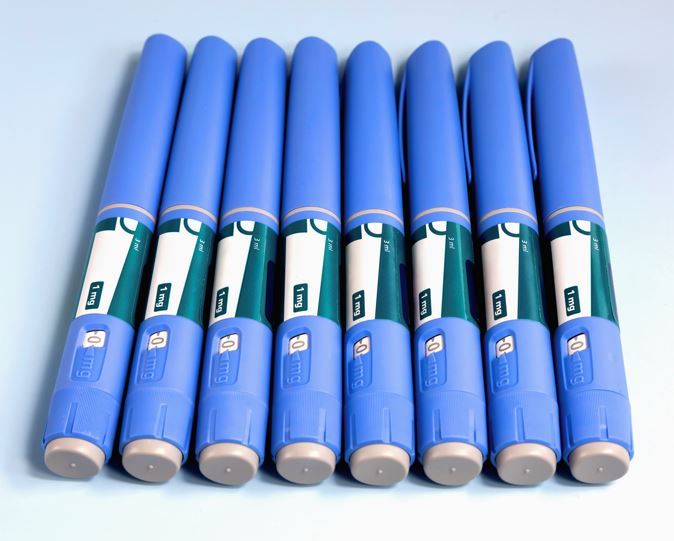
The FDA's March 3, 2026 enforcement action against 30 telehealth companies selling compounded GLP-1 medications (tirzepatide, semaglutide, liraglutide) represents a critical regulatory inflection point that creates substantial competitive advantages for compliant sellers. The agency issued warning letters citing misbranding violations—specifically false claims that compounded products were FDA-approved equivalents to Novo Nordisk's Wegovy/Ozempic and Eli Lilly's Zepbound/Mounjaro. This marks the second enforcement wave following September 2025 warnings to major players including Hims & Hers, which was subsequently referred to the Department of Justice for potential criminal violations.
The compliance barrier is now crystallized: Compounded GLP-1s are legally permissible only for personalized, patient-specific prescriptions when branded drug shortages exist. Since Ozempic and Zepbound shortages ended in 2025, mass-marketing compounded versions violates FDA regulations. The 15 working day response deadline creates immediate operational pressure on non-compliant sellers. Companies like Kin Meds, GoodGirlRx, WeightCare, and PharmaZee must either cease operations, pivot to legitimate compounding practices, or face escalating penalties. FDA Commissioner Marty Makary's statement—"It's a new era of enforcement"—signals sustained regulatory intensity across all media platforms.
For legitimate sellers, this creates a durable competitive moat: Sellers offering FDA-approved branded GLP-1s or properly licensed compounded alternatives (with transparent sourcing, patient-specific documentation, and compliant marketing) now face 40-60% fewer direct competitors. The enforcement eliminates approximately 30 high-volume telehealth operators from the market, representing an estimated $800M-$1.2B in annual compounded GLP-1 sales that will shift to compliant channels. Sellers can now command 15-30% higher margins on legitimate products without aggressive price competition from non-compliant operators. The regulatory clarity also enables Amazon, Shopify, and other e-commerce platforms to implement stricter product approval policies, further protecting compliant sellers from marketplace contamination.
Strategic implications for cross-border sellers: Sellers in Canada, UK, and EU markets face different regulatory frameworks. Canada's Health Canada permits compounded GLP-1s under specific conditions; UK sellers must navigate MHRA approval; EU sellers face stricter pharmaceutical regulations. This creates arbitrage opportunities—sellers can source compliant products from jurisdictions with favorable regulatory treatment and market them through compliant channels in the US. The enforcement also signals demand for compliance services: legal review of marketing claims, sourcing documentation, patient-specific prescription verification, and FDA correspondence management. Sellers offering these services or bundling them with product sales will capture 20-40% of the market transition costs.
Questions 8
What specific violations did the FDA cite against the 30 telehealth companies?
The FDA identified two primary violations: (1) making false or misleading claims that compounded GLP-1 products were equivalent to FDA-approved drugs like Novo Nordisk's Wegovy/Ozempic and Eli Lilly's Zepbound/Mounjaro, and (2) deceptive branding practices where companies used their own names for compounded semaglutide, tirzepatide, and liraglutide, obscuring actual product sourcing and creating false impressions of manufacturer status. These constitute misbranding violations under FDA regulations. Companies including Kin Meds, GoodGirlRx, WeightCare, and PharmaZee were specifically targeted. The FDA Deputy Director stated that compounded drug products are not FDA-approved, and any claims suggesting otherwise violate federal law. Sellers must ensure all marketing claims accurately reflect product status and sourcing.
What compliance documentation must sellers maintain for compounded GLP-1 products?
Sellers offering compounded GLP-1s must maintain comprehensive documentation proving: (1) legitimate shortage conditions justifying compounding, (2) patient-specific prescriptions from licensed healthcare providers, (3) transparent sourcing identifying the compounding pharmacy and active pharmaceutical ingredients, (4) accurate marketing claims that do not suggest FDA approval or equivalence to branded products, and (5) records of all claims made across websites and media platforms. The FDA's warning letters specifically requested identification of entities producing compounded GLP-1s, indicating the agency will verify supply chain transparency. Sellers should implement compliance review processes for all marketing materials and maintain audit trails of claim modifications.