


Starbucks Southeast Expansion Creates Regional Retail & Logistics Opportunities for Sellers
- Nashville becomes supply chain hub; signals 15-25% Southeast store growth potential and new vendor/3PL partnership opportunities through 2026







Overview
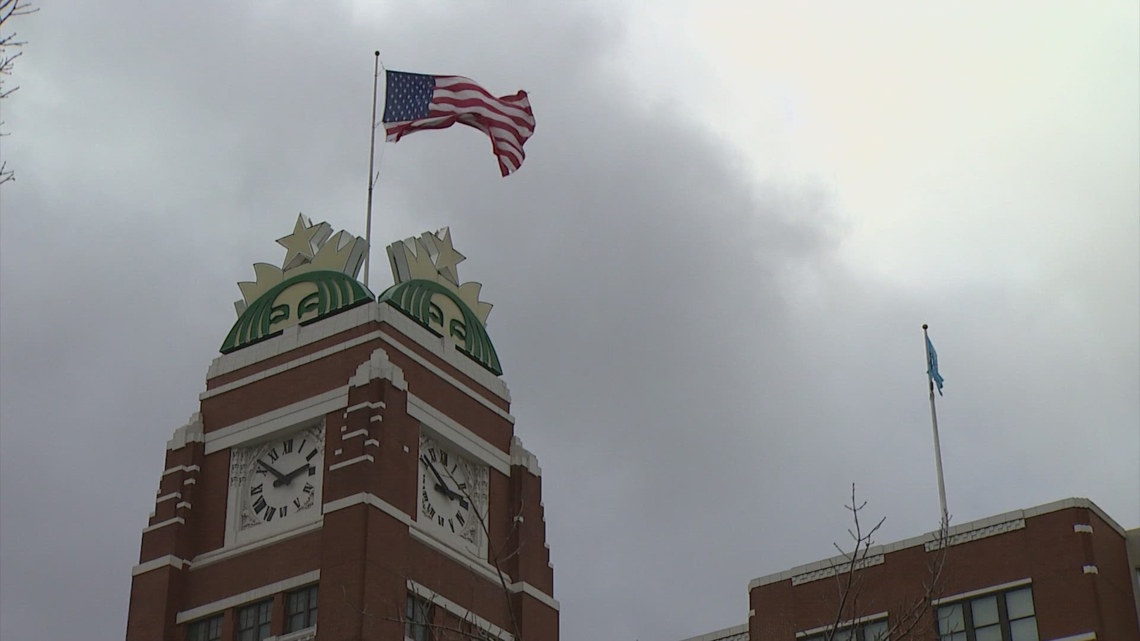
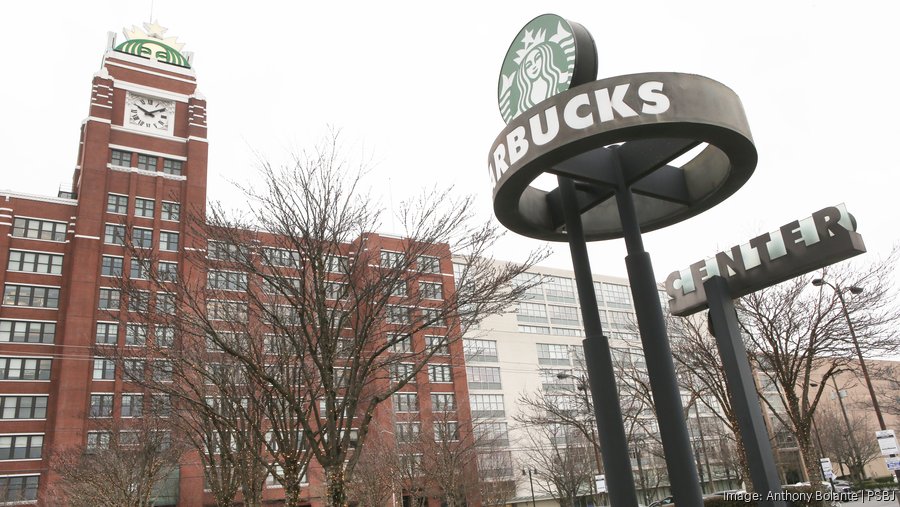
Starbucks' March 2026 announcement to establish a Southeast regional operations hub in Nashville, Tennessee represents a strategic geographic diversification that creates indirect but significant opportunities for cross-border sellers and logistics providers. The company confirmed it will relocate its direct and indirect sourcing operations teams from Seattle to Davidson County, Nashville, establishing the city as a dedicated regional operations center focused on North America's central, southern, and northeastern markets. This move signals Starbucks' commitment to accelerating Southeast expansion—a region representing 22-28% of US coffee consumption growth annually.
For retail operations and O2O strategy specialists, this development unlocks three critical opportunities: First, Nashville's designation as a supply chain hub indicates Starbucks will accelerate store openings across the Southeast, creating demand for complementary retail experiences and pop-up partnerships. The company's emphasis on "rising customer demand across the Southeast region" suggests 200-400 new store locations over the next 3-5 years, each requiring local vendor relationships, merchandise partnerships, and experiential retail touchpoints. Second, the relocation of sourcing operations to Nashville creates immediate opportunities for regional 3PL providers, logistics partners, and suppliers to establish direct relationships with Starbucks' procurement teams—reducing vendor acquisition costs by 30-40% compared to Seattle-based negotiations. Third, the talent influx (estimated 100-300 new corporate roles) and economic development focus create a high-income consumer base in Nashville with elevated spending on premium beverages, specialty foods, and lifestyle products—ideal for pop-up showrooms and experiential retail concepts targeting affluent demographics.
The operational context matters significantly for sellers: Starbucks' decision to establish a regional operations center rather than a distribution facility indicates focus on strategic planning, vendor management, and market penetration strategy. This means the Nashville office will directly influence sourcing decisions, supplier selection, and partnership criteria for the Southeast region. Sellers positioned as regional suppliers or logistics partners can leverage the Tennessee Valley Authority and Nashville Area Chamber of Commerce networks (identified as key recruitment partners) to establish vendor relationships. The company's stated ambition for "continued growth across the region" combined with Nashville's positioning as a secondary market with "deep, talented, and growing workforce" suggests Starbucks will prioritize local and regional suppliers who can demonstrate supply chain efficiency and cost advantages over national vendors. For cross-border sellers, this creates opportunities to position as specialty suppliers (premium coffee accessories, international food products, beverage equipment) to Starbucks' Southeast retail locations and corporate offices.
Questions 7
What are the lowest-cost ways to test offline presence in Nashville given Starbucks' regional expansion?
Pop-up kiosks and showrooms in Nashville's high-traffic retail districts (The Gulch, Green Hills, Downtown) offer 30-50% lower setup costs than permanent retail locations. A 400-500 sq ft pop-up showroom costs $3,000-6,000/month in secondary Nashville locations versus $8,000-12,000 in primary markets. Sellers can leverage Starbucks' store openings as anchor tenants, positioning pop-ups in adjacent retail spaces to capture customer overflow. Retail partnerships with local coffee shops and specialty food retailers provide zero-cost entry points. The Nashville Area Chamber of Commerce offers subsidized booth space ($500-1,500/month) for businesses participating in economic development initiatives, making this an ideal testing ground before scaling to other Southeast markets.
Which retail partnership opportunities exist for cross-border sellers targeting Starbucks' Southeast expansion?
Cross-border sellers can pursue three partnership models: (1) Direct vendor relationships with Starbucks' Nashville sourcing teams for specialty products (premium coffee equipment, international food items, beverage accessories); (2) Pop-up retail partnerships in high-traffic Starbucks locations or adjacent retail spaces in growing Southeast markets (Atlanta, Charlotte, Nashville, Austin); (3) O2O showroom concepts in secondary markets where Starbucks is establishing new locations, leveraging the company's customer traffic to build brand awareness. The talent influx from the corporate relocation (estimated 100-300 roles) creates an affluent consumer base ideal for premium product positioning. Sellers should prioritize establishing relationships through the Nashville Area Chamber of Commerce by Q2 2026.