

Korean Tech Supply Chain Disruption | Rising Component Costs Impact Cross-Border Sellers
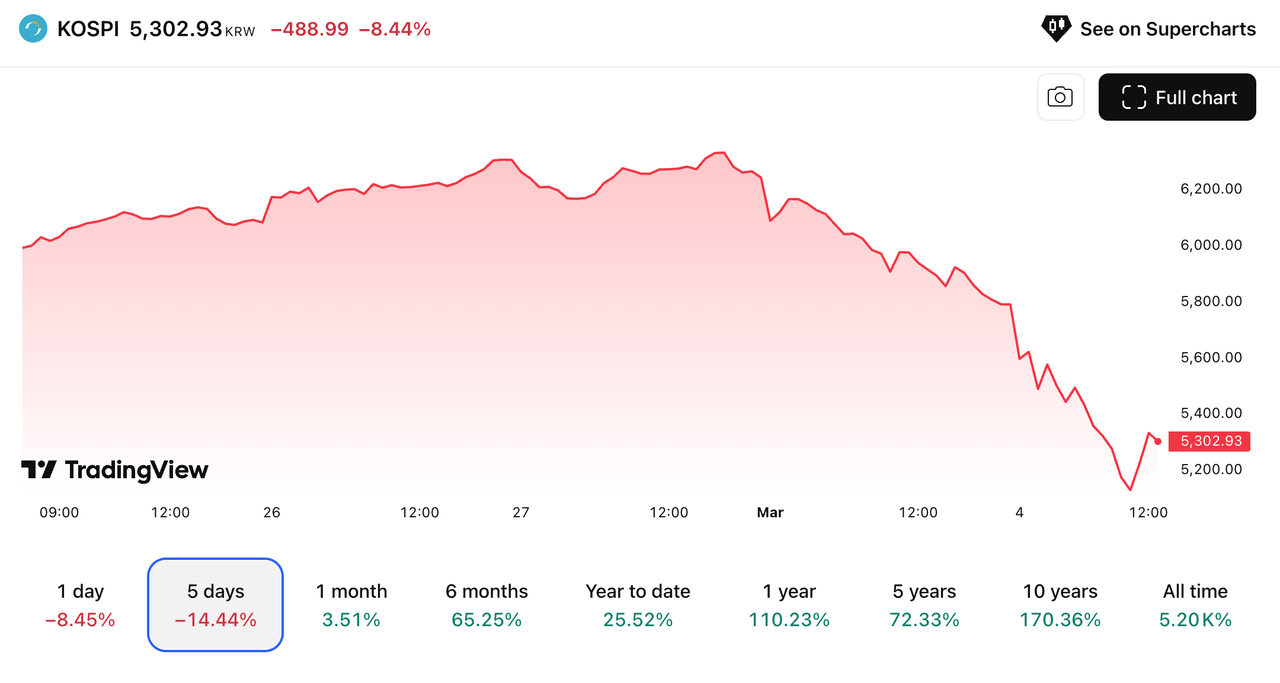
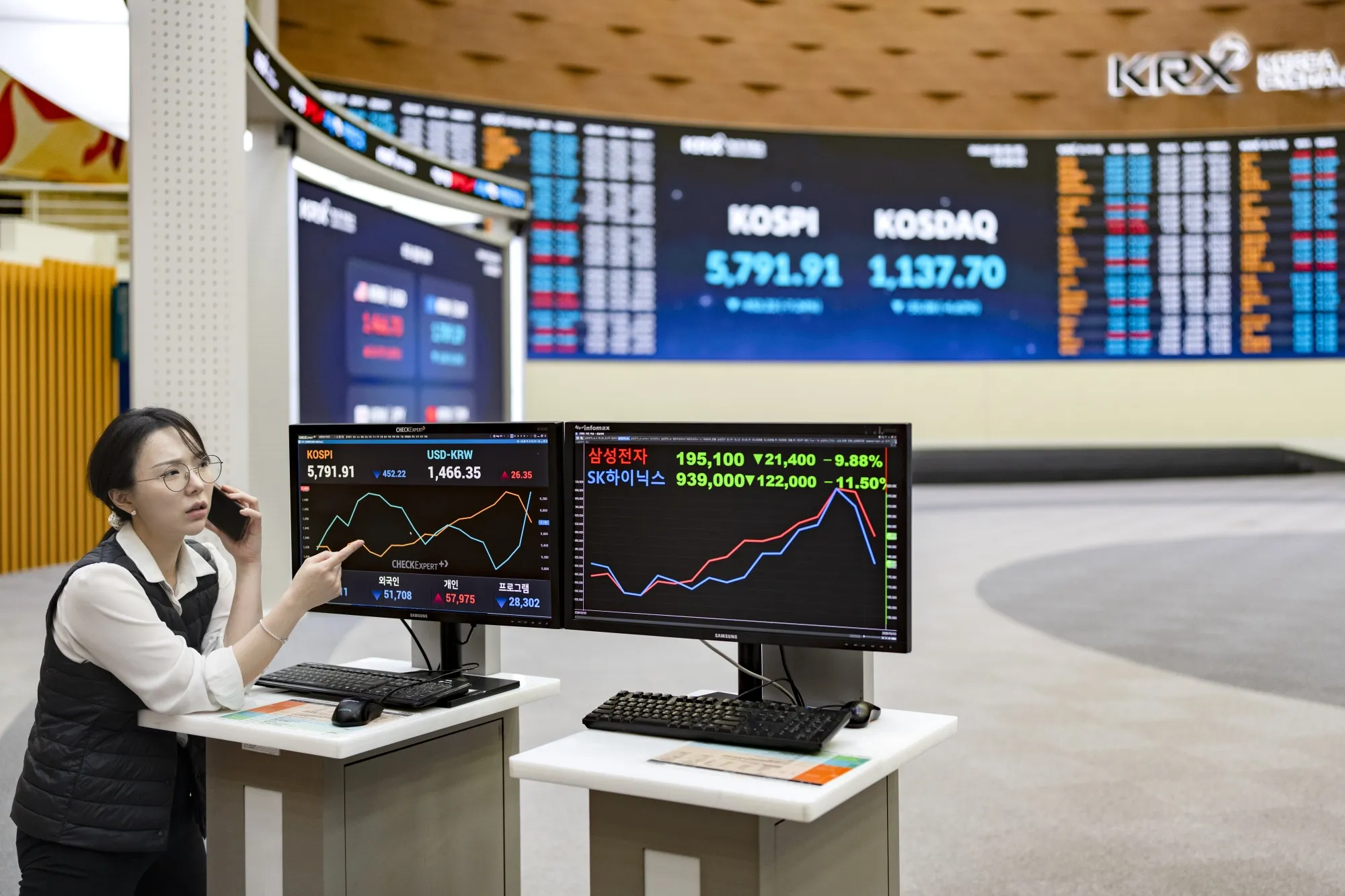
- KOSPI worst trading day on record signals 8-15% potential cost increases for electronics sellers sourcing from Samsung, SK Hynix; currency volatility threatens 5-12% margin compression for Korea-dependent importers

































Overview
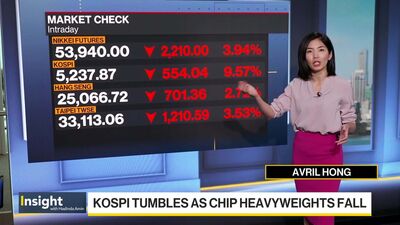
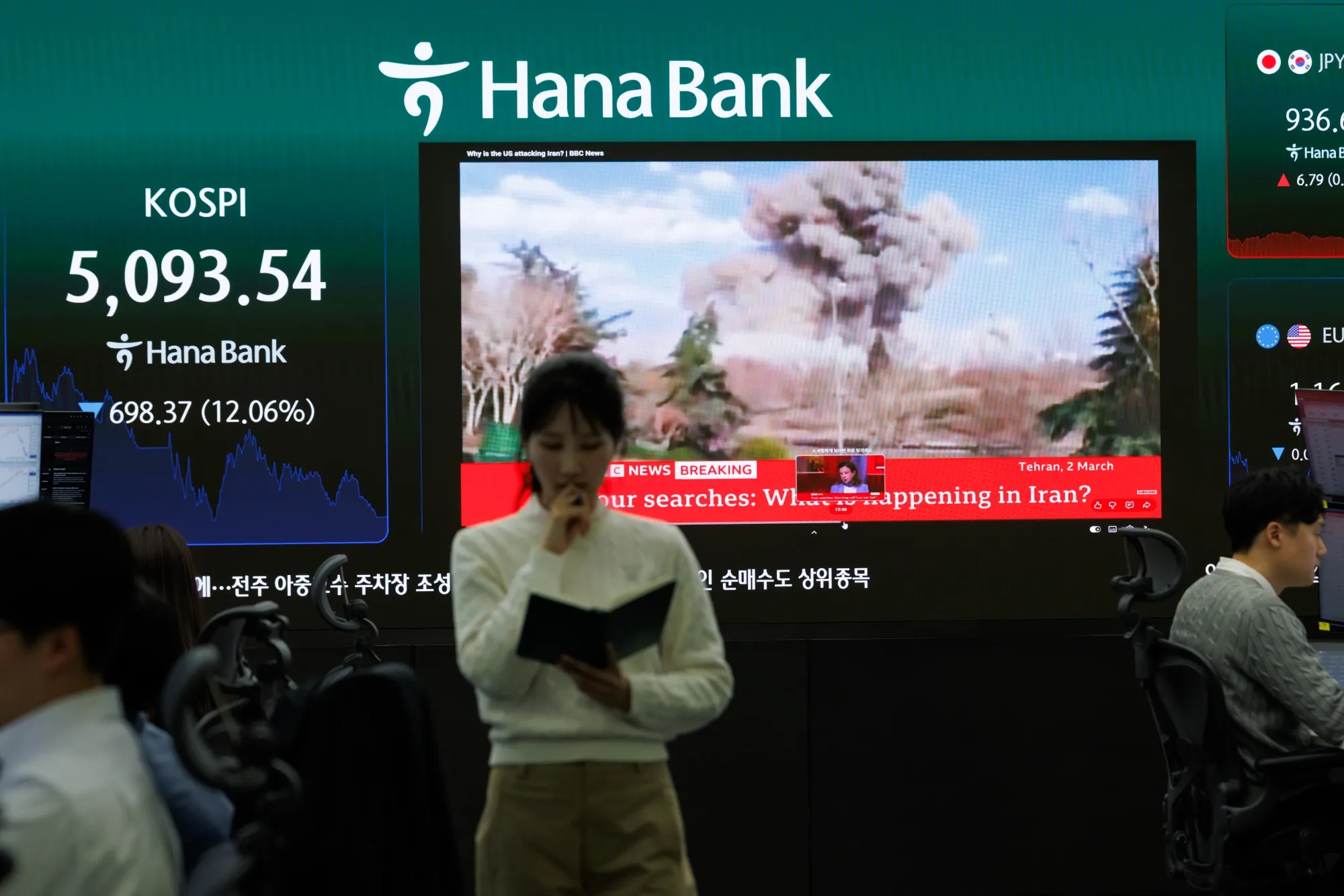
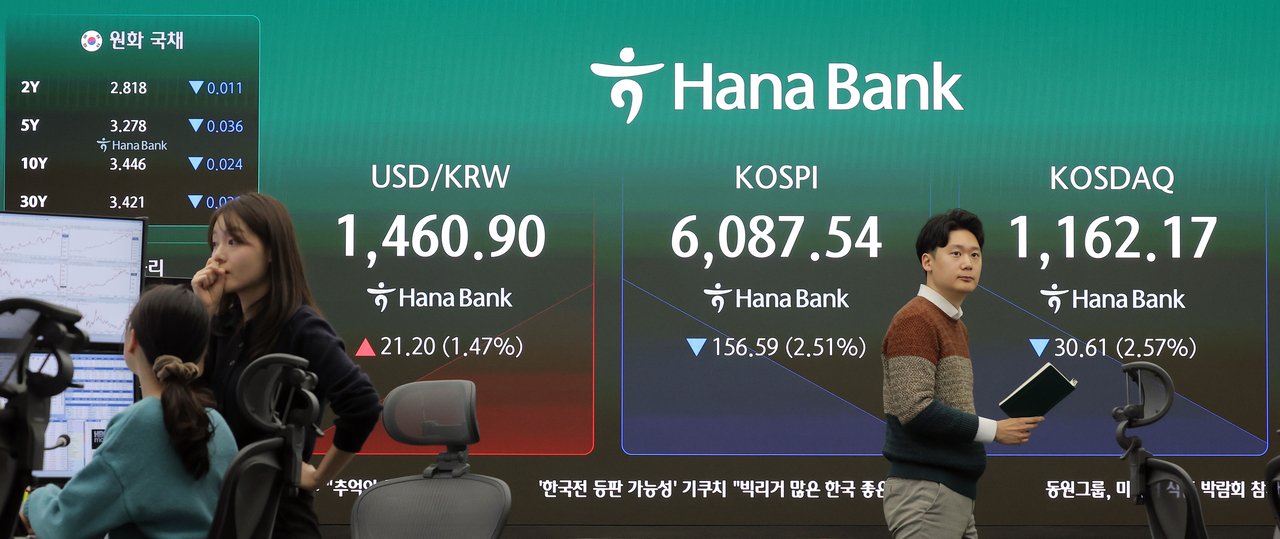
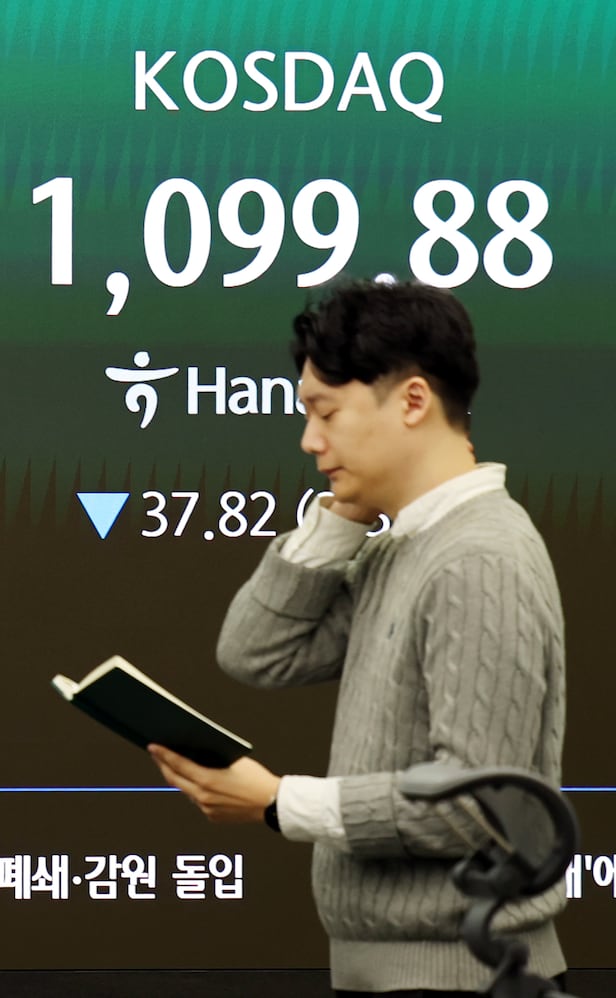
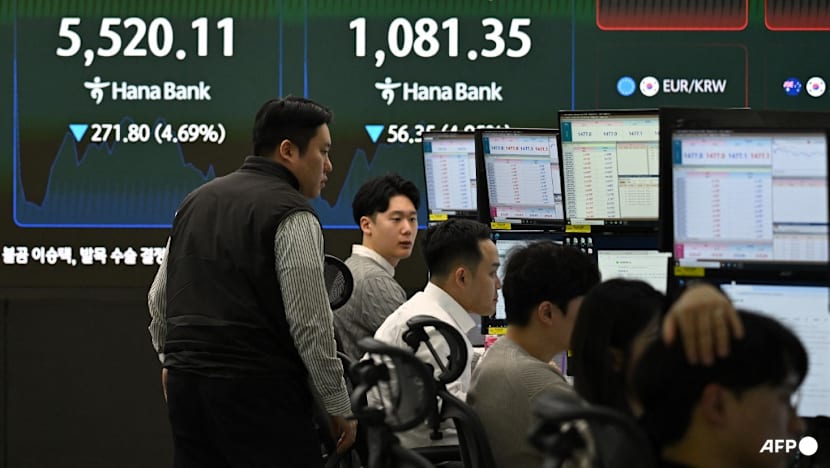
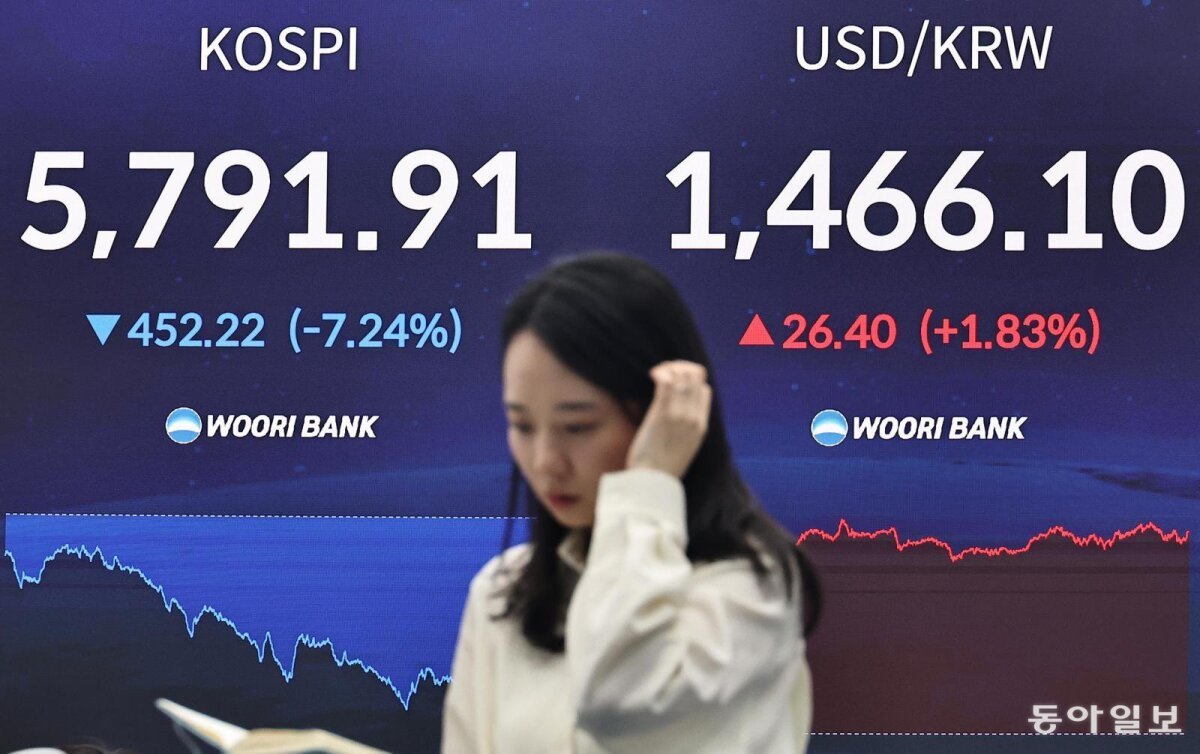
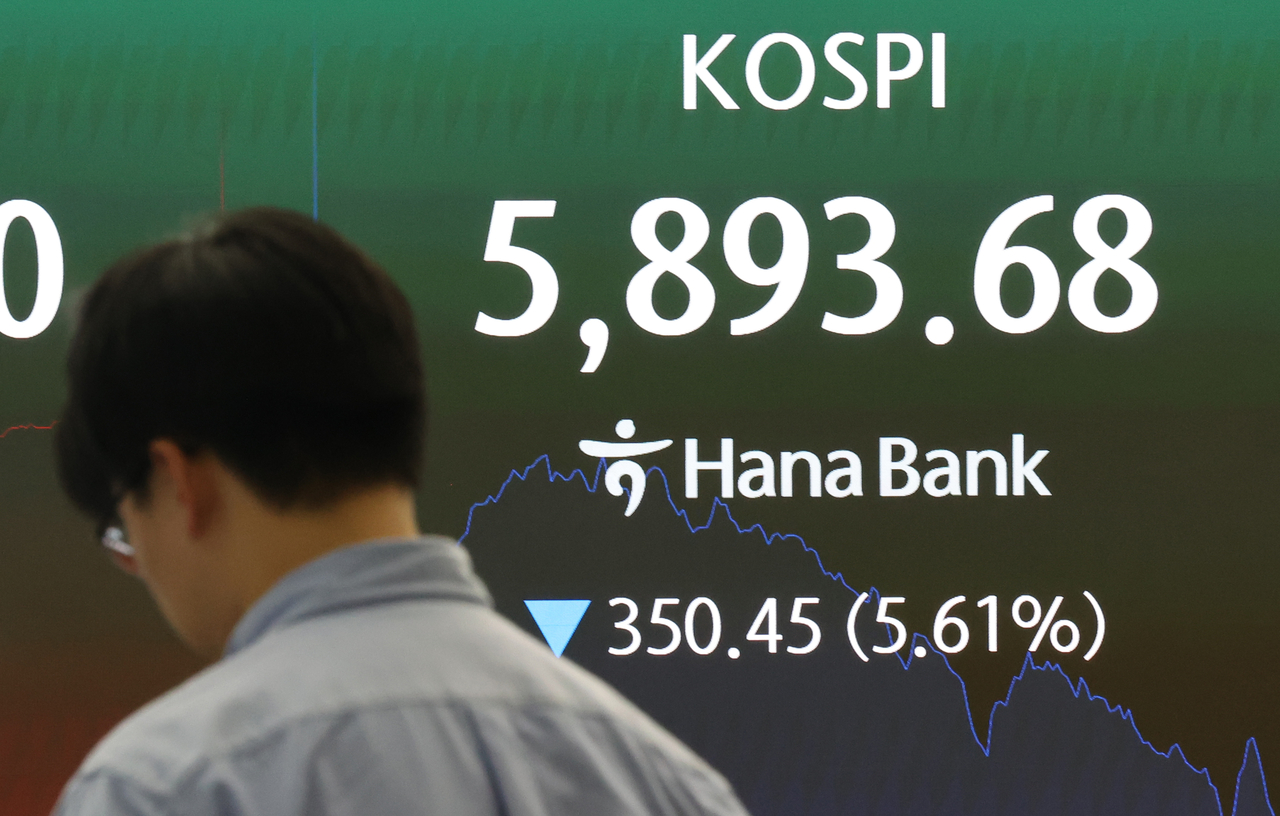
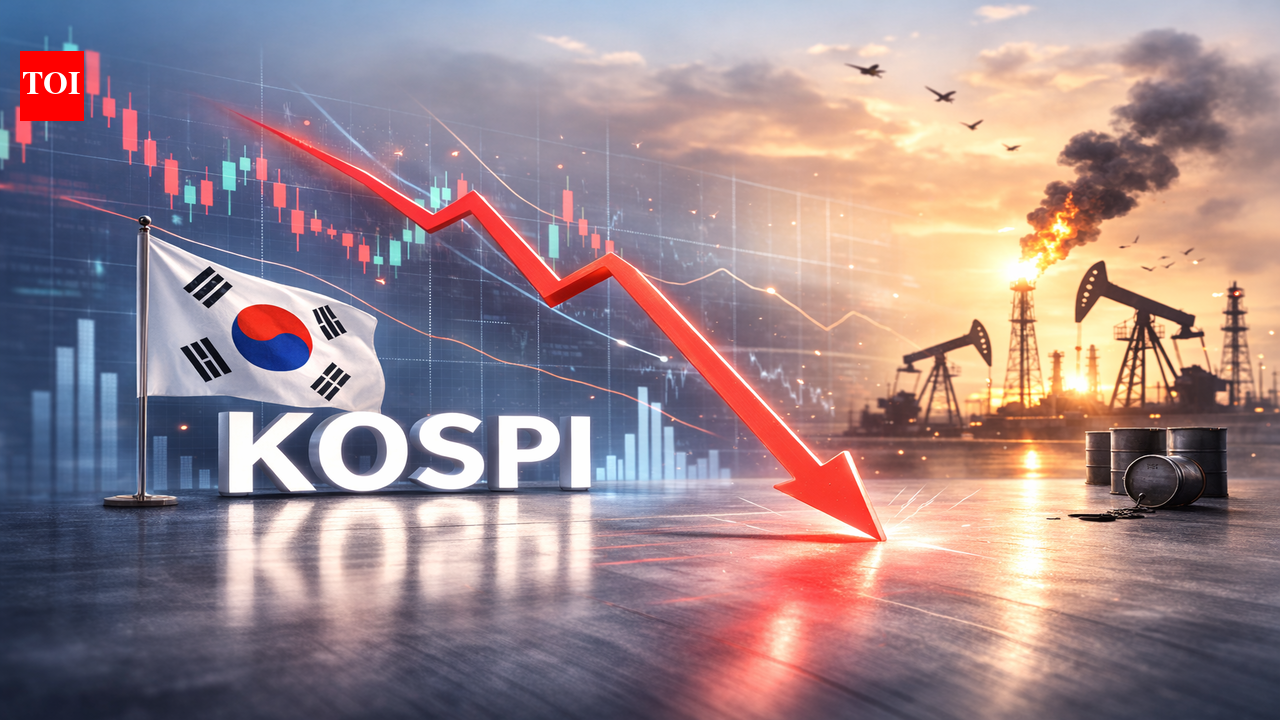
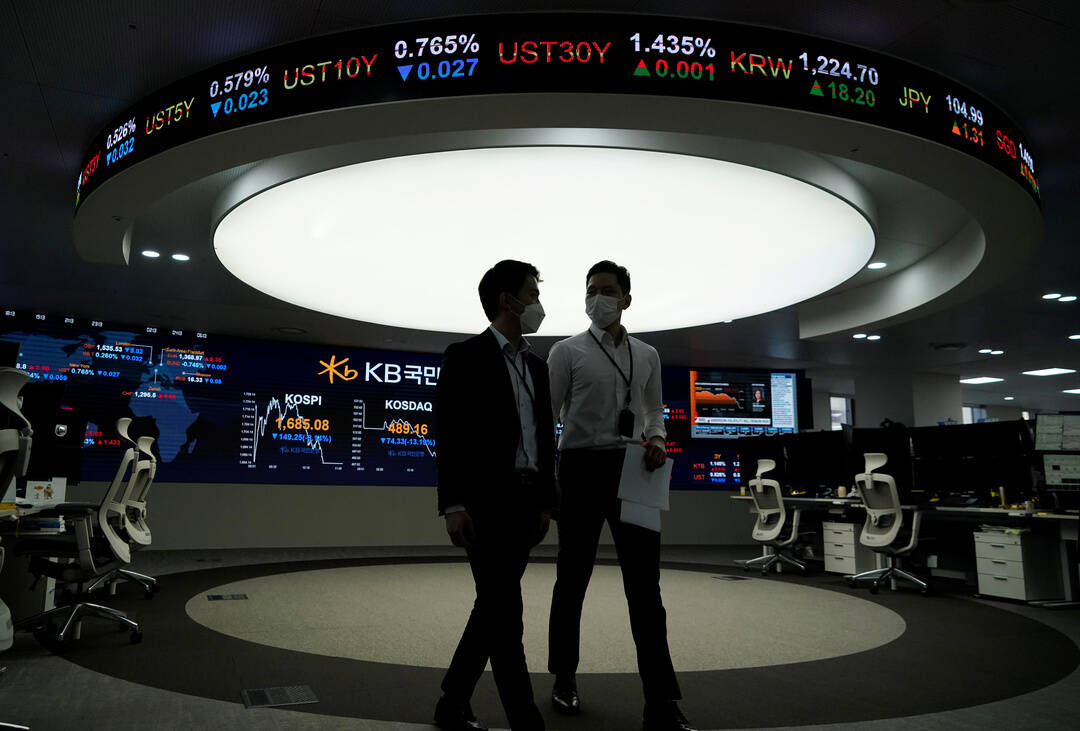
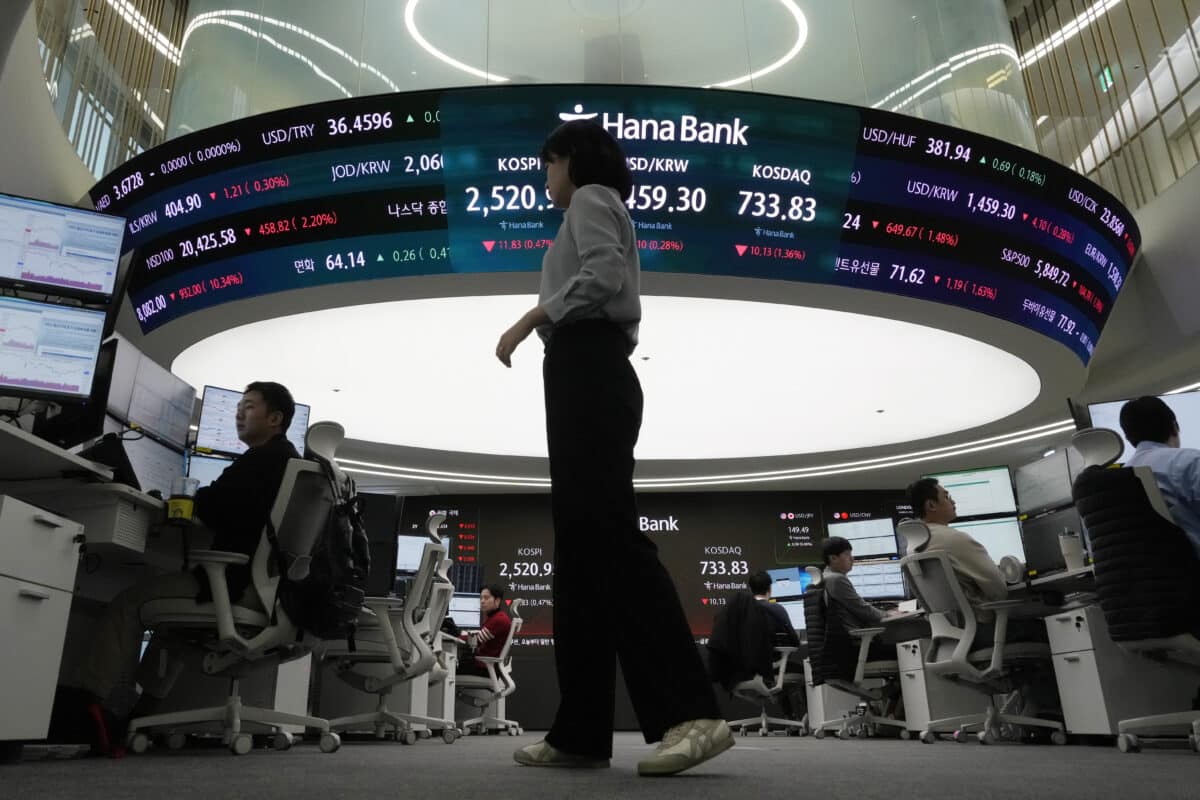
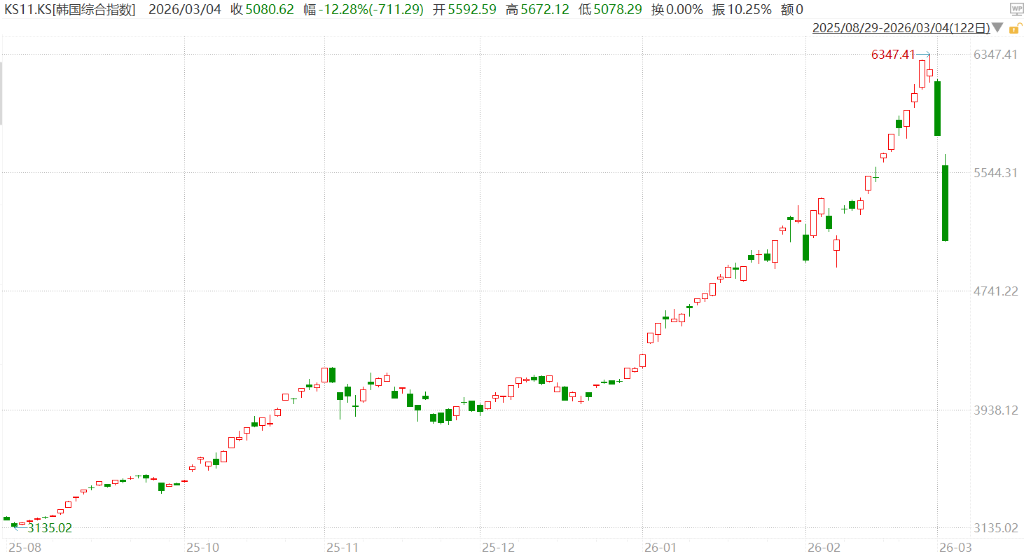
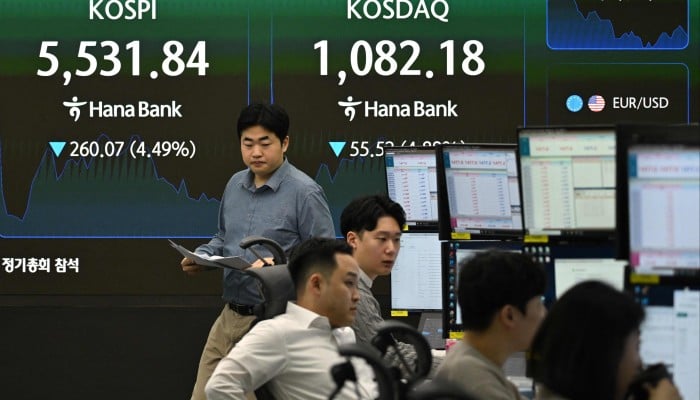
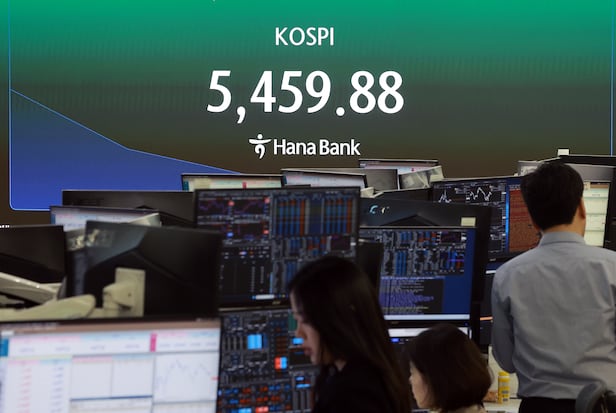
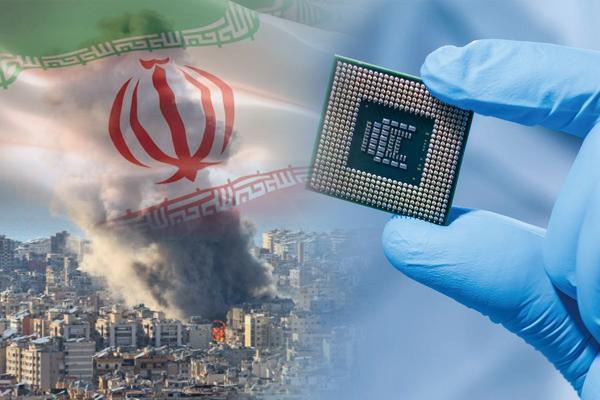
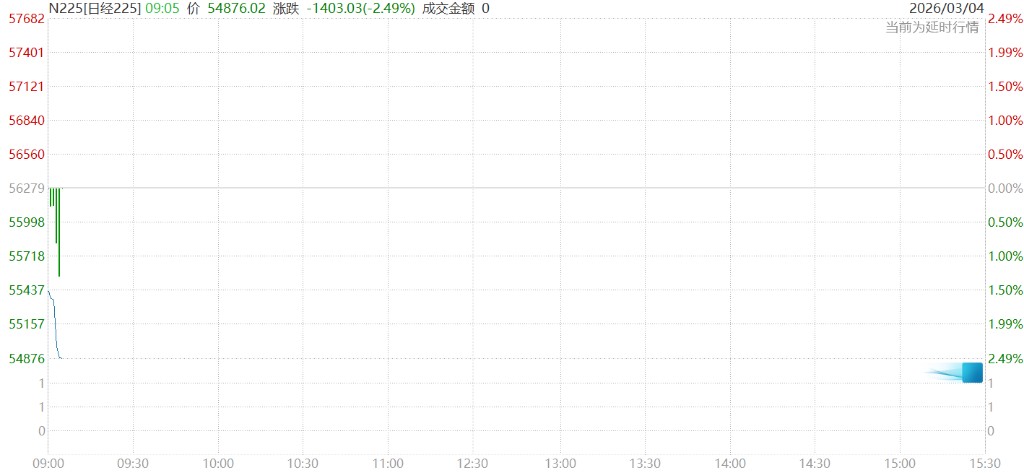
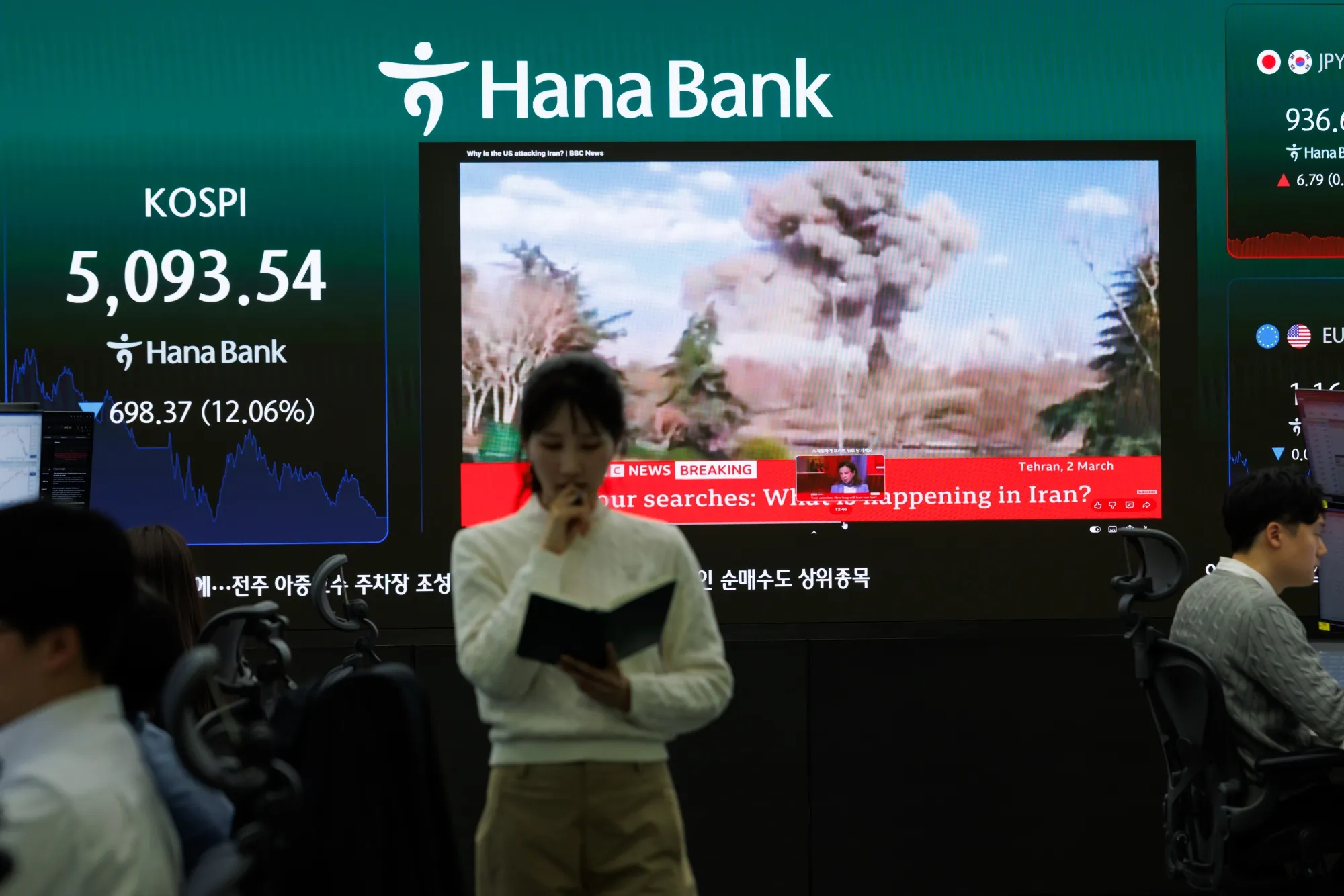
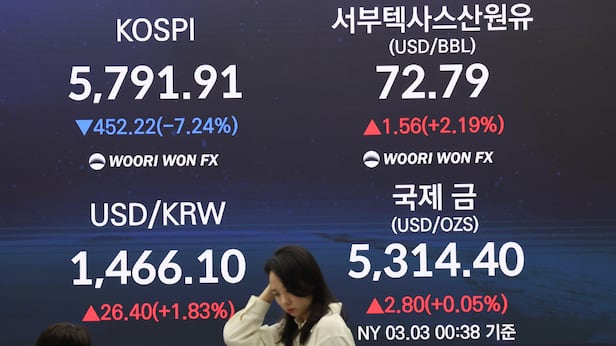
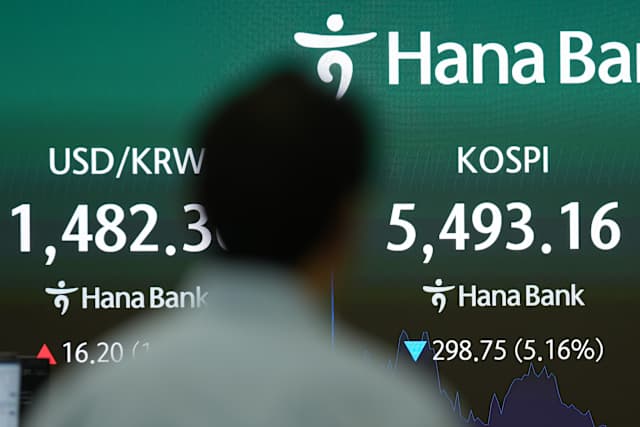
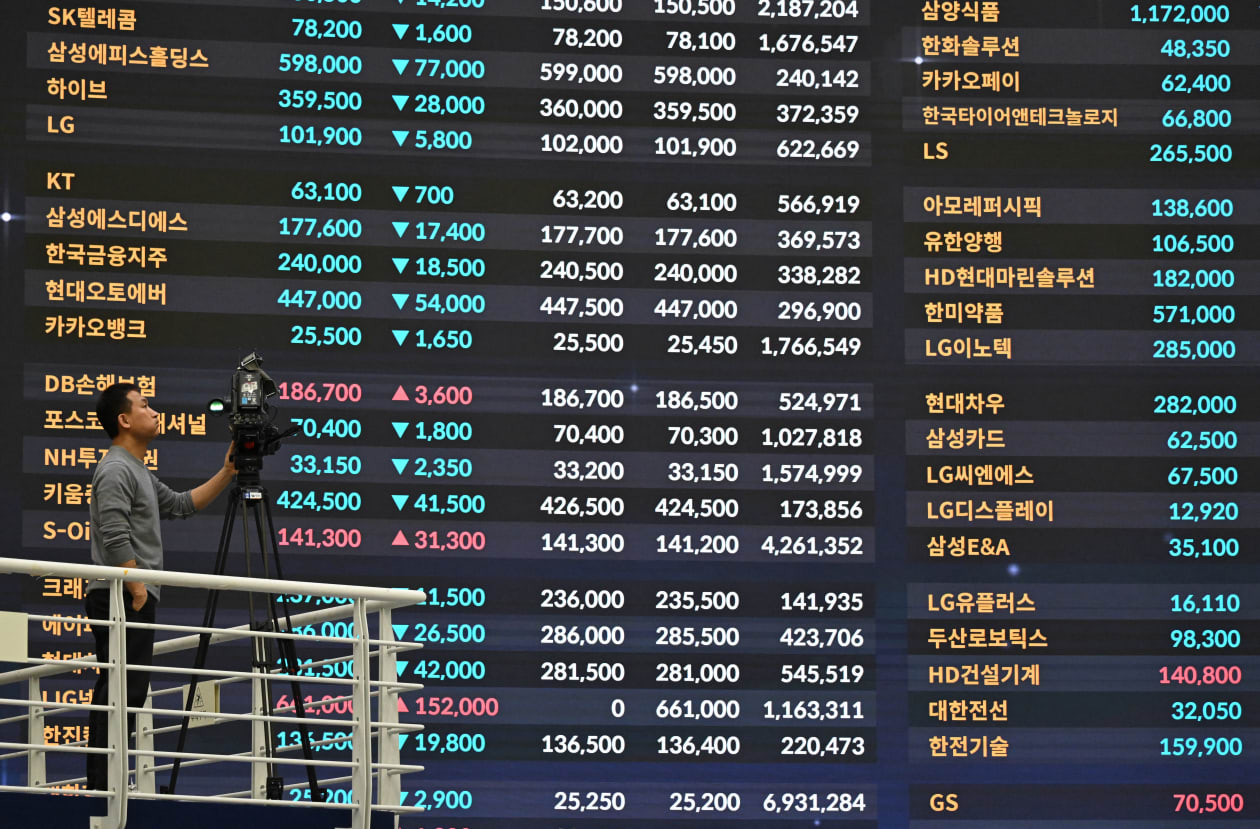
South Korea's KOSPI index experienced its worst trading day on record, driven by surging energy prices and geopolitical tensions with Iran, creating immediate supply chain implications for cross-border e-commerce sellers. The market decline reflects fundamental vulnerabilities in Korea's semiconductor manufacturing sector—SK Hynix and Samsung Electronics, which dominate South Korea's market capitalization and represent critical supply chain inputs for global e-commerce, face mounting production cost pressures from electricity-intensive chip fabrication operations.
The direct seller impact is substantial and immediate: Rising energy costs in South Korea will trigger price increases for Korean-manufactured electronics components, semiconductors, and technology products that feed into e-commerce supply chains. Sellers importing memory chips, smartphone components, display panels, and consumer electronics from Korean manufacturers should expect 8-15% cost increases within 2-3 quarters as manufacturers pass through energy surcharges. This affects multiple high-margin e-commerce categories: smartphone accessories (HS 8517.62), computer components (HS 8471), and consumer electronics (HS 8528-8529).
Currency volatility compounds the problem: Market turbulence in major Asian economies directly impacts KRW/USD exchange rates, which have historically fluctuated 5-12% during periods of Korean market stress. For sellers with Korea-denominated supplier contracts, unfavorable currency movements could add another 3-8% to landed costs. Additionally, the geopolitical context regarding Iran tensions creates potential Strait of Hormuz shipping route disruptions, which could increase logistics costs by 10-20% for goods transiting through Middle Eastern waters—a critical corridor for Asia-to-Europe and Asia-to-Americas shipments.
Strategic sourcing implications are critical: Sellers currently dependent on Korean suppliers for high-tech components face a narrowing window to lock in pricing before manufacturers implement surcharges. The market volatility also signals potential capital constraints for Korean manufacturers, potentially limiting their ability to invest in new production capacity or maintain competitive pricing. This creates opportunities for sellers to diversify sourcing to Vietnam, Taiwan, and India for alternative component suppliers, though this requires 4-6 weeks of qualification and testing. The timing window is urgent—manufacturers typically implement price increases 60-90 days after cost pressures emerge, meaning sellers have approximately 4-8 weeks to renegotiate contracts or secure alternative suppliers before margin compression becomes unavoidable.
Questions 7
How does Korean market volatility impact currency exchange rates for importers?
**KRW/USD exchange rate volatility typically ranges 5-12% during periods of Korean market stress**, directly affecting landed costs for sellers with Korea-denominated supplier contracts. The KOSPI's worst trading day on record signals potential currency weakness as investors reduce Korean asset exposure. For a seller importing $100,000 monthly in Korean components, a 10% KRW depreciation adds approximately **$10,000 to monthly costs** when converting supplier invoices. Currency impact compounds component price increases, creating dual margin pressure. Mitigation strategies: Use forward contracts to lock in exchange rates for 3-6 month supplier commitments, negotiate USD-denominated pricing with Korean suppliers to shift currency risk, or diversify sourcing to reduce Korea exposure from 60-70% to 30-40% of total component purchases.
What is the timeline for Korean supplier price increases?
Based on historical patterns in semiconductor manufacturing, **price increases typically emerge 60-90 days after cost pressures become apparent**. The KOSPI market decline signals immediate energy cost concerns, meaning sellers should expect formal price increase notifications from Korean suppliers by **late April to early June 2025**. Manufacturers usually implement increases in phases: first on new orders (immediate), then on existing contracts with adjustment clauses (30-60 days), and finally on long-term agreements (90+ days). Sellers with contracts expiring in Q2-Q3 2025 face the highest risk. Strategic action: Identify all Korean supplier contracts expiring before September 2025 and initiate renegotiations immediately to secure fixed pricing before formal increases take effect.