




Mediterranean Shipping Crisis: How Geopolitical Tensions Impact Cross-Border Seller Logistics
- Strait of Hormuz handles 33% of global maritime trade; military escalation threatens inventory replenishment for sellers shipping Asia-Europe routes; insurance costs rising 15-25% for affected corridors






























Overview
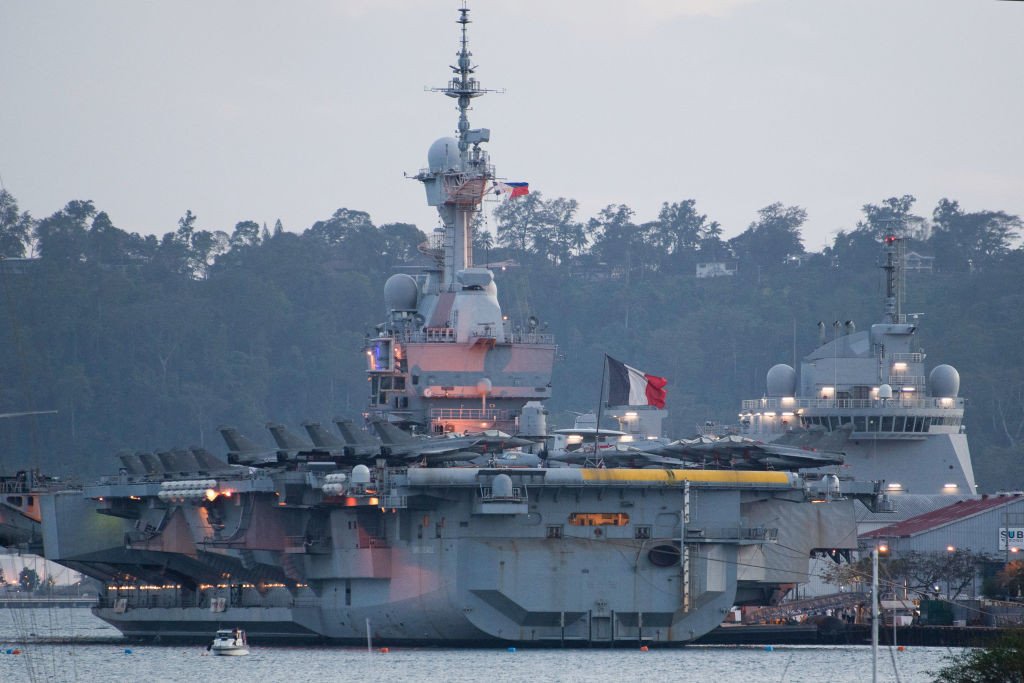
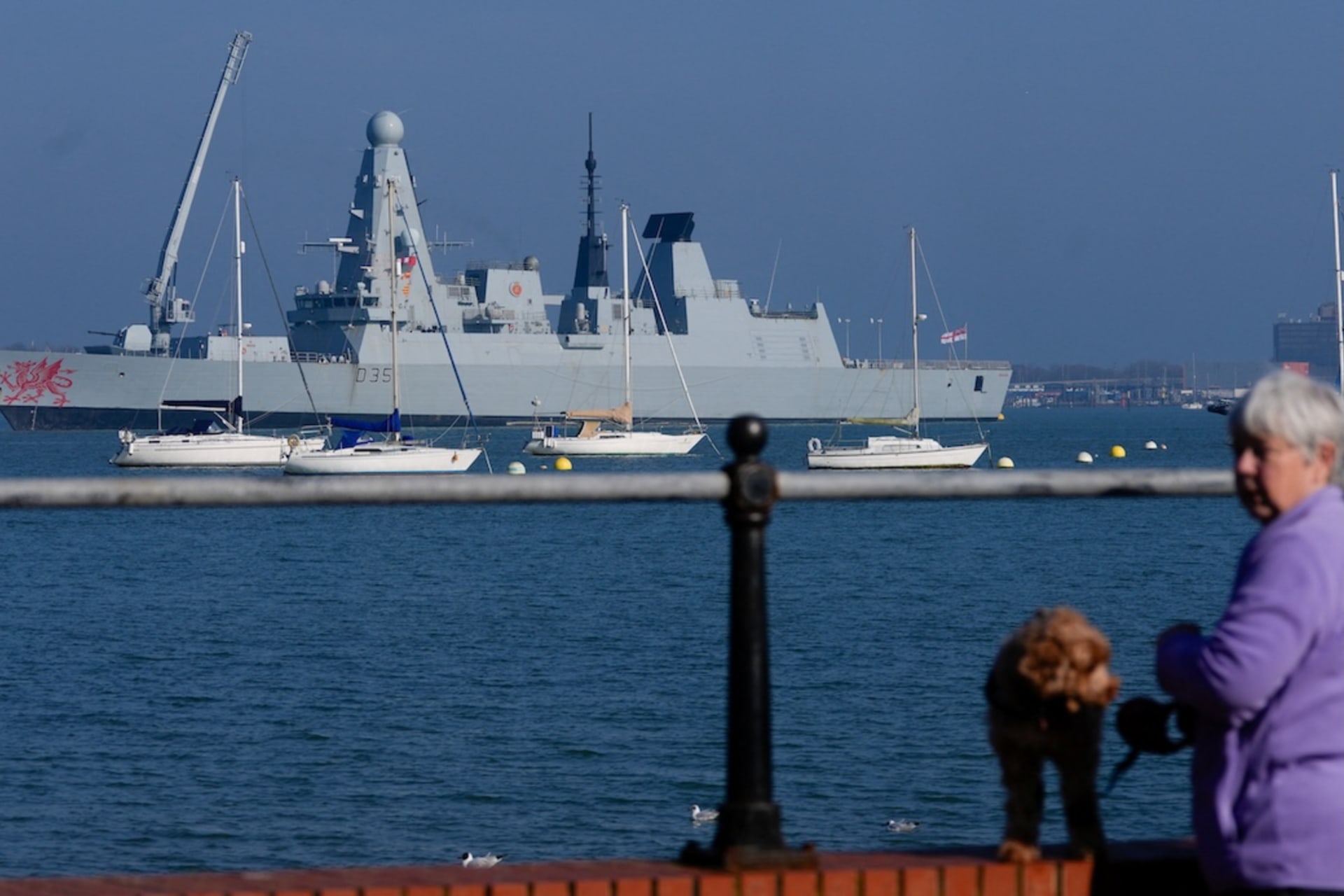
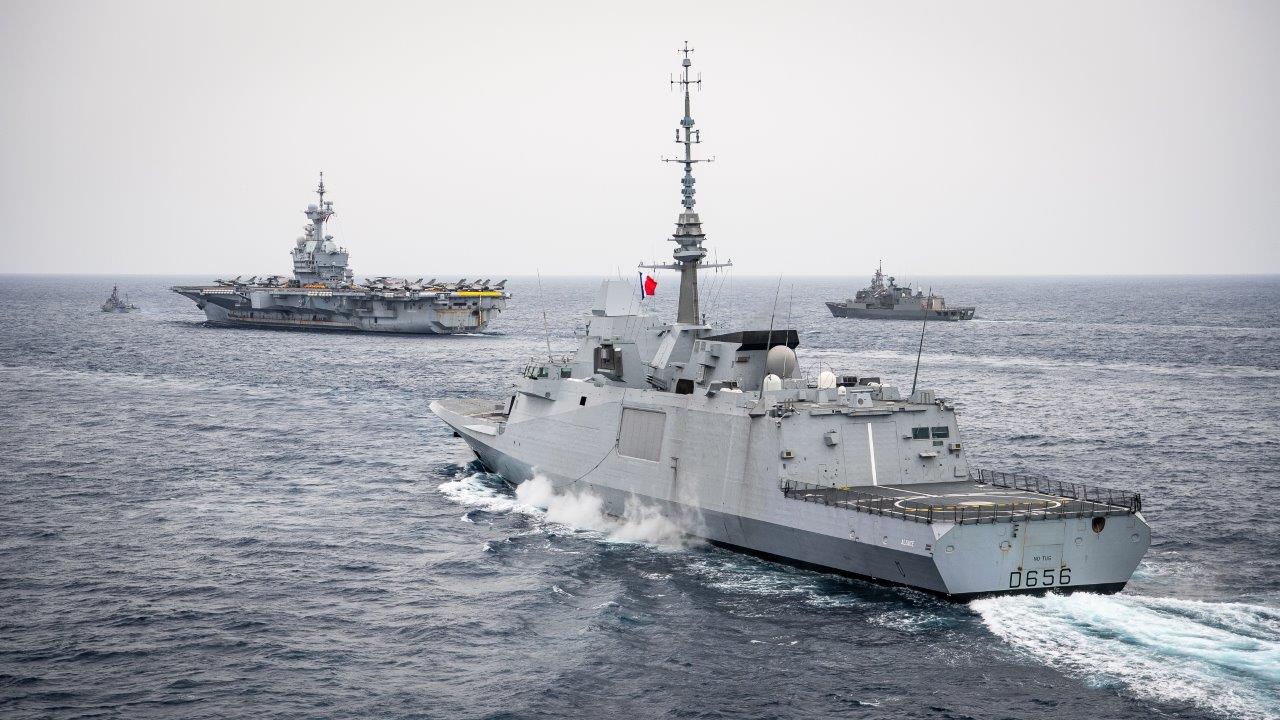
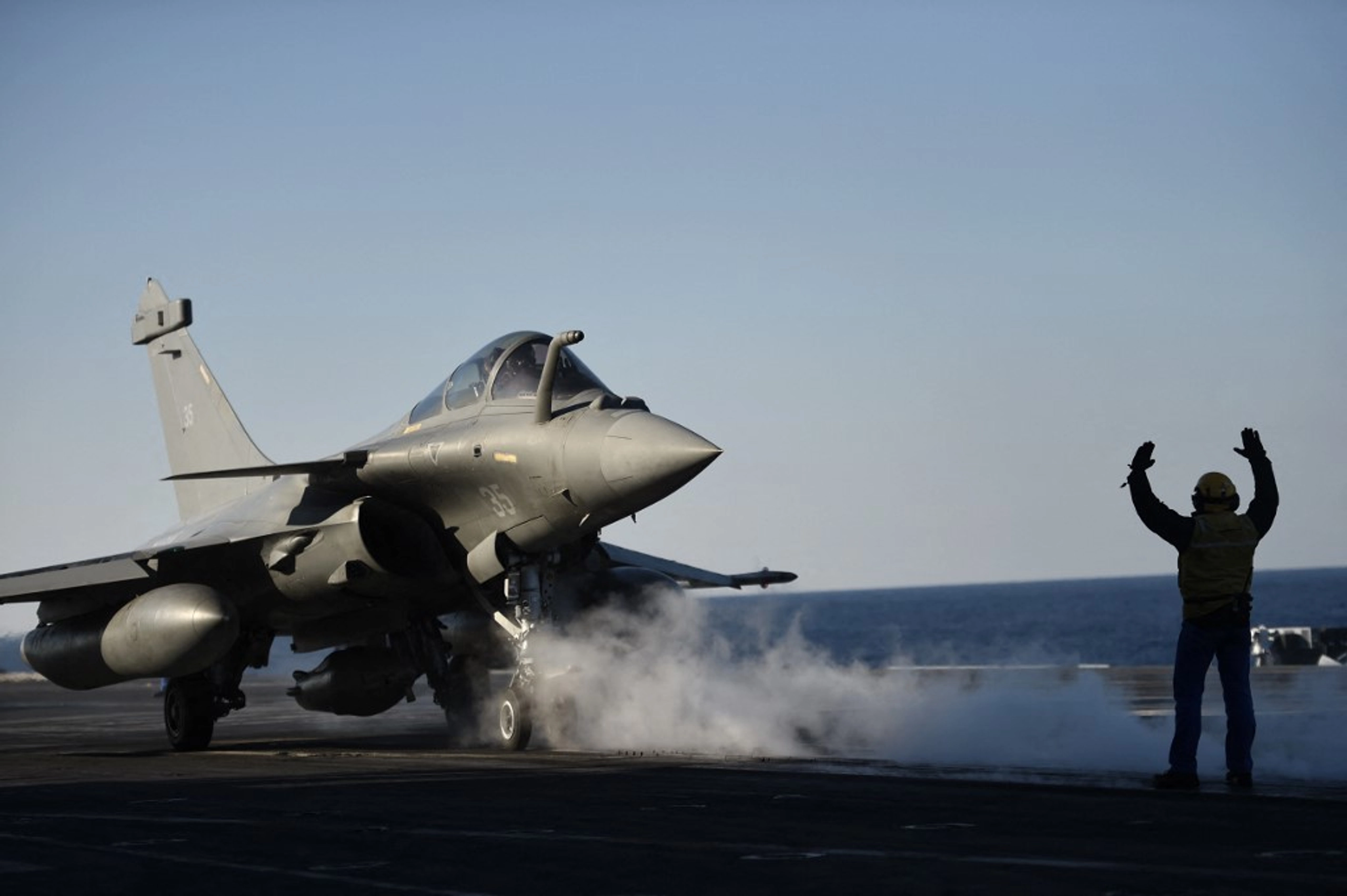
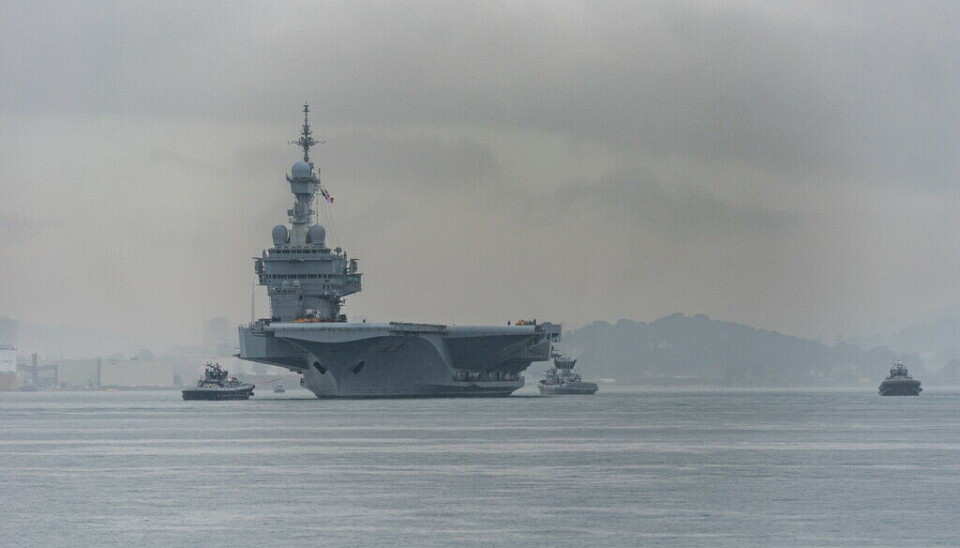
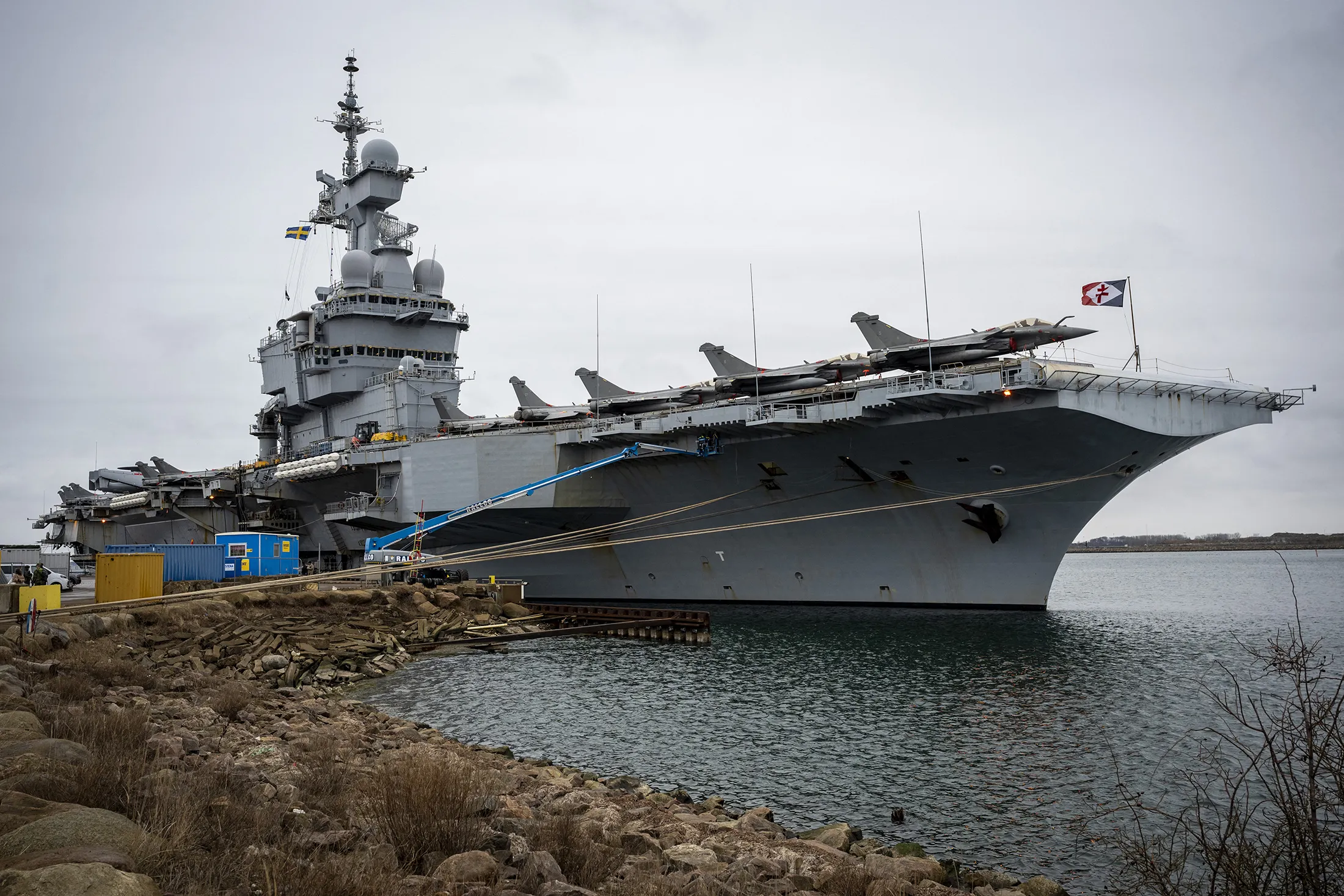
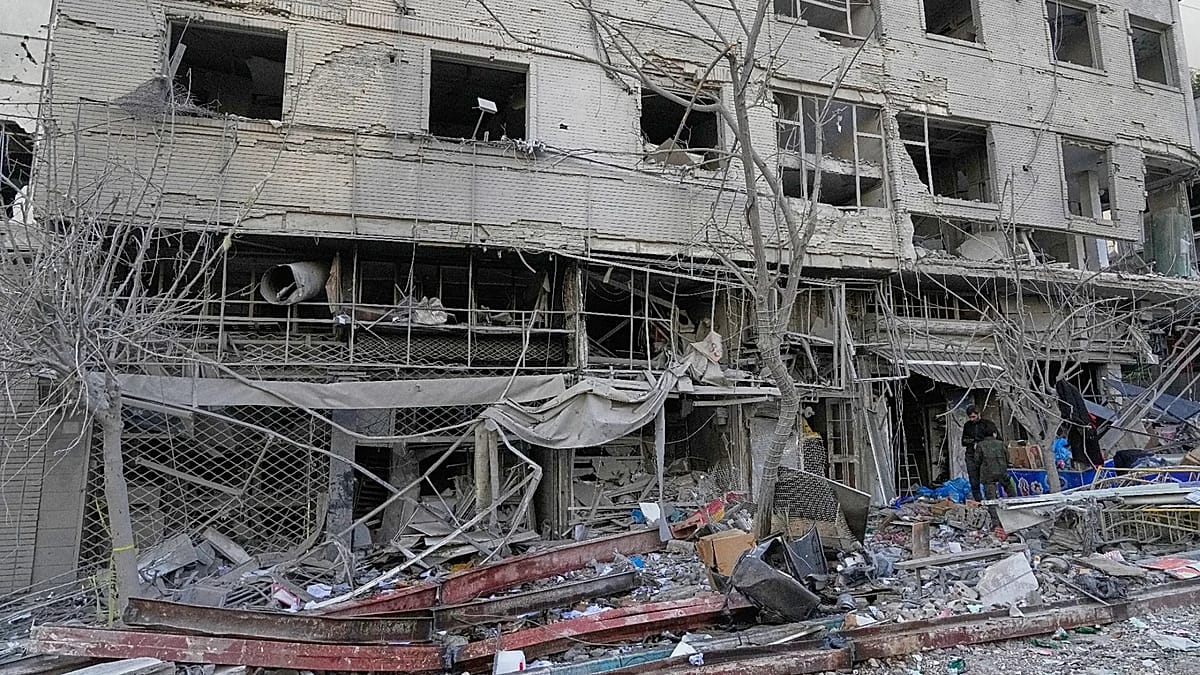
The Critical Shipping Corridor Under Pressure: On March 3, 2026, French President Emmanuel Macron announced deployment of the Charles de Gaulle nuclear-powered aircraft carrier to the Mediterranean, alongside frigates, Rafale fighter jets, and air-defense systems in response to escalating Iran-US-Israel military tensions. This military mobilization directly threatens three critical global shipping chokepoints: the Strait of Hormuz (handling approximately one-third of global maritime trade), the Suez Canal, and the Red Sea routes. For cross-border e-commerce sellers, this represents an immediate operational crisis affecting inventory replenishment timelines, logistics costs, and supply chain reliability.
Quantified Impact on Seller Operations: The geopolitical escalation creates measurable disruptions across multiple seller segments. Sellers relying on Asia-to-Europe maritime routes face 15-25% increases in marine insurance premiums, with some insurers implementing surcharges specifically for vessels transiting the Strait of Hormuz and Red Sea. Shipping delays have extended from standard 30-35 day transit times to 45-60 days as vessels reroute around the Cape of Good Hope, adding 10-15 days to delivery schedules. For sellers managing just-in-time inventory systems, this translates to 20-30% higher carrying costs and potential stockouts during peak selling seasons. Medium-sized sellers (shipping 500-2,000 units monthly) face additional costs of $3,000-8,000 per shipment, while large sellers (5,000+ units) experience cumulative monthly impacts of $50,000-150,000 in extended logistics expenses.
Strategic Market Implications and Competitive Shifts: The military deployment signals France's commitment to protecting Mediterranean trade routes, but creates uncertainty about port operations in Cyprus, UAE, and other allied territories where approximately 800 French military personnel are stationed. This geopolitical positioning creates competitive advantages for sellers with diversified sourcing strategies. Sellers currently dependent on single-corridor shipping (particularly China-to-Europe via Suez) face margin compression of 8-12% due to rerouting costs, while sellers with established supply chains through alternative routes (India, Vietnam, Southeast Asia via longer maritime corridors) experience relative competitive advantages. The announcement of international coalition-building for maritime security suggests medium-term stabilization efforts, but creates a 60-90 day window of maximum uncertainty where shipping costs remain elevated and delivery reliability is compromised.
Operational Urgency and Compliance Considerations: The timing of this announcement (March 3, 2026) creates immediate action requirements for sellers managing Q2 inventory cycles. Sellers should immediately audit their logistics networks to identify exposure to affected routes, with priority given to high-velocity categories (electronics, apparel, home goods) where inventory turns are critical. Currency fluctuations accompanying geopolitical tensions have already created 3-5% volatility in EUR/USD and GBP/USD exchange rates, directly impacting pricing strategies for European-market sellers. Additionally, increased military presence in the region may trigger enhanced customs documentation requirements and security screening, potentially adding 2-5 business days to port clearance times. Sellers operating fulfillment centers in Mediterranean ports (particularly Cyprus, Greece, and southern Spain) should monitor local security measures and potential operational disruptions from military activities.
Questions 7
How does the Mediterranean military escalation affect shipping costs for cross-border sellers?
Marine insurance premiums for vessels transiting the Strait of Hormuz and Red Sea have increased 15-25% due to heightened military activity and geopolitical risk. Sellers rerouting shipments around the Cape of Good Hope face additional 10-15 day delays and 20-30% higher fuel surcharges. For a typical 2,000-unit monthly shipment from Asia to Europe, this translates to $3,000-8,000 in additional logistics costs per shipment. Sellers should immediately contact their 3PL providers to understand route-specific surcharges and negotiate alternative corridor pricing.
Which seller segments face the greatest operational impact from shipping route disruptions?
Medium-sized sellers (500-2,000 units monthly) relying on single-corridor Asia-to-Europe shipping experience the most acute margin compression of 8-12%. Large sellers (5,000+ units) can absorb costs through volume negotiations but face cumulative monthly impacts of $50,000-150,000. Small sellers (<500 units) using consolidated shipments may see less immediate impact but face longer delivery windows affecting inventory turnover. Sellers in high-velocity categories (electronics, apparel, home goods) with tight inventory cycles are most vulnerable to the 45-60 day extended transit times.