


Bulgaria's Democratic Uprising: When Eurozone Integration Meets Grassroots Rebellion
- A Pivotal Moment of Civic Transformation Reshaping National Governance and Economic Strategy







Overview
In a remarkable display of democratic awakening, Bulgaria has entered a critical inflection point where monetary integration collides with deep-seated political transformation. The country's Eurozone accession in 2025 has become more than a financial milestone—it represents a profound societal recalibration challenging decades of political inertia.
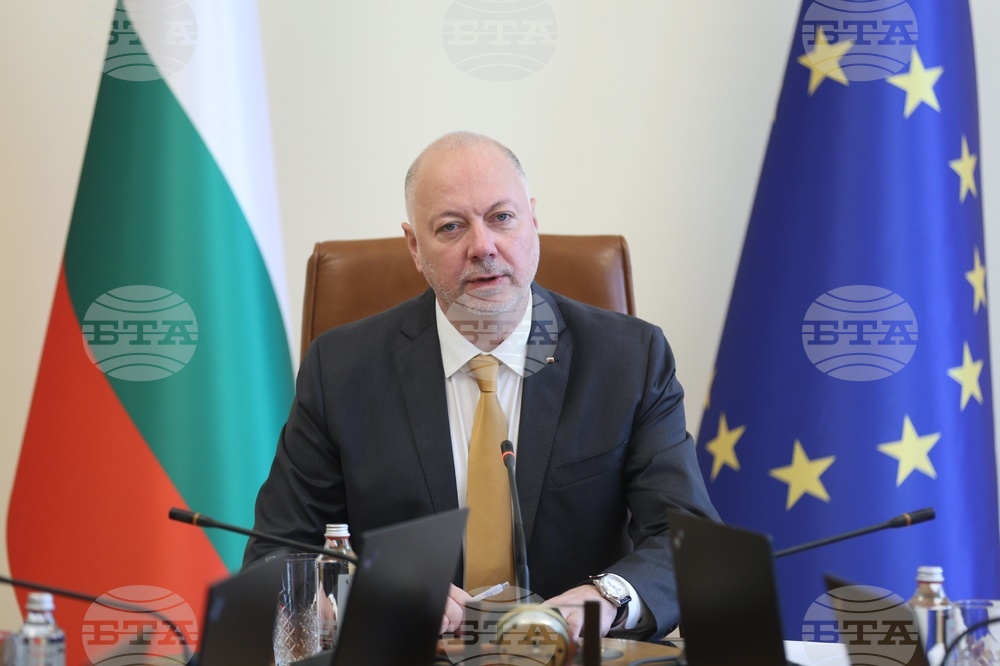
Civic engagement has emerged as the defining narrative, with an unprecedented 100,000 citizens protesting in Sofia, signaling a radical departure from historical political passivity. This mass movement transcends traditional socio-economic divides, revealing a sophisticated public demanding institutional accountability. The resignation of Prime Minister Rosen Zhelyazkov's government on December 11th symbolizes a systemic reset triggered by grassroots pressure.
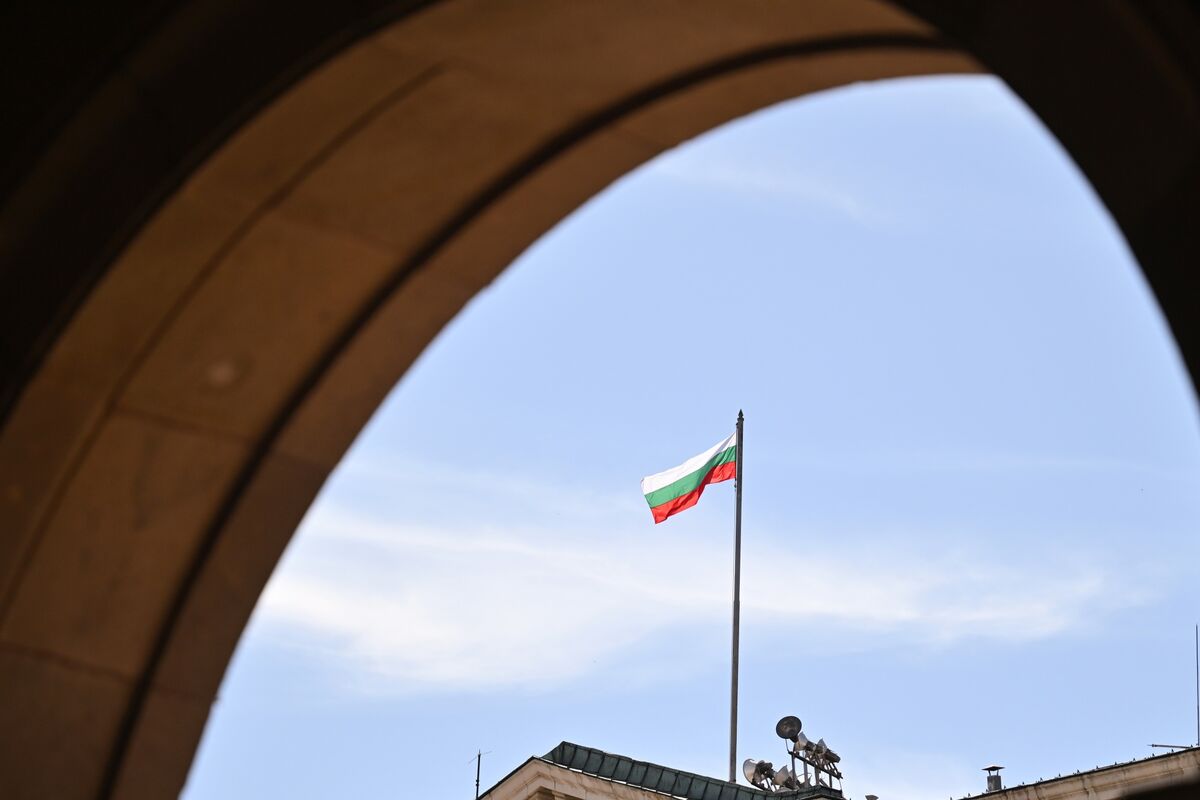
The political landscape is characterized by complex, multilayered tensions. While Bulgaria officially joined the Eurozone on January 1st—a long-anticipated economic integration—this achievement is simultaneously overshadowed by internal political turbulence. The country finds itself at a critical crossroads, balancing European aspirations with deep-rooted governance challenges inherited from its communist past.
Key strategic indicators suggest a transformative period ahead. The combination of monetary modernization and active citizenship creates a unique environment of potential institutional reform. Political figures like Denitsa Sacheva and Krum Zarkov have articulated a clear message: national progress requires deliberate, proactive engagement rather than passive acceptance.
For international observers, Bulgaria represents a fascinating case study of democratic evolution. The interplay between technological readiness, economic integration, and political activism offers insights into emerging market dynamics. The country is not just transitioning economically but is fundamentally reimagining its social contract.
Critically, these developments signal more than a singular political moment. They represent a broader societal awakening where citizens are actively constructing their national trajectory, challenging long-standing governance models, and demanding transparency. The 2026 electoral landscape promises continued complexity but also unprecedented potential for meaningful institutional transformation.
Questions 3
How does Eurozone membership impact Bulgaria's political dynamics?
Eurozone integration serves as a catalyst for broader institutional transformation. While providing financial stability, it has also heightened expectations for governance quality, creating pressure for more transparent, accountable political structures and accelerating the country's democratic evolution.
What are the key challenges facing Bulgaria in 2026?
Bulgaria faces complex challenges of balancing European integration, addressing systemic corruption, managing internal political tensions, and navigating the transition from its communist past. The upcoming elections will be crucial in determining the country's trajectory towards institutional reform and democratic consolidation.