






Apple's Invisible Tech Revolution: Under-Display Face ID Transforms iPhone Design
- Breakthrough micro-transparent technology signals radical smartphone interface transformation









































Overview
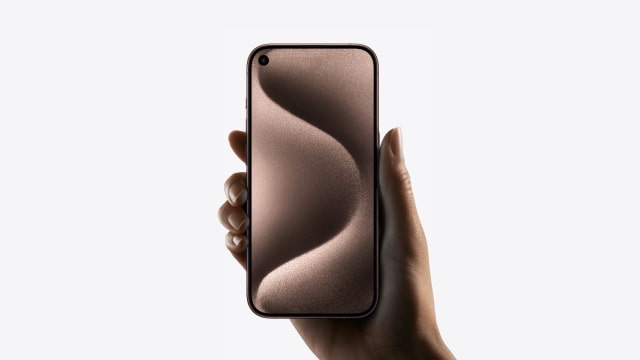
Apple is engineering a profound visual and technological transformation in smartphone design through its ambitious under-display Face ID initiative for the iPhone 18 series. The emerging technology represents more than a cosmetic upgrade—it's a strategic reimagining of device interaction that could redefine user experience and technological expectations.
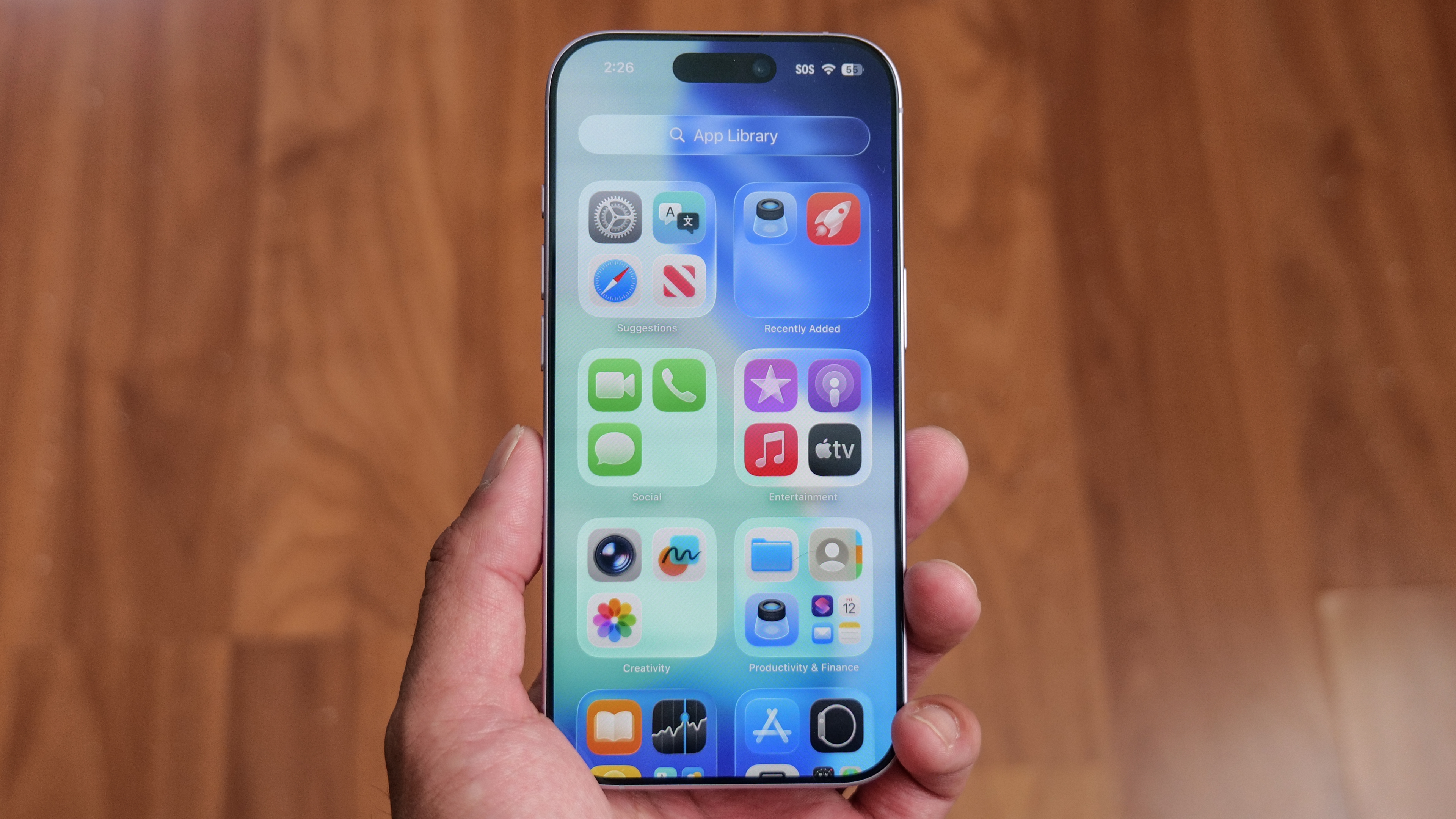
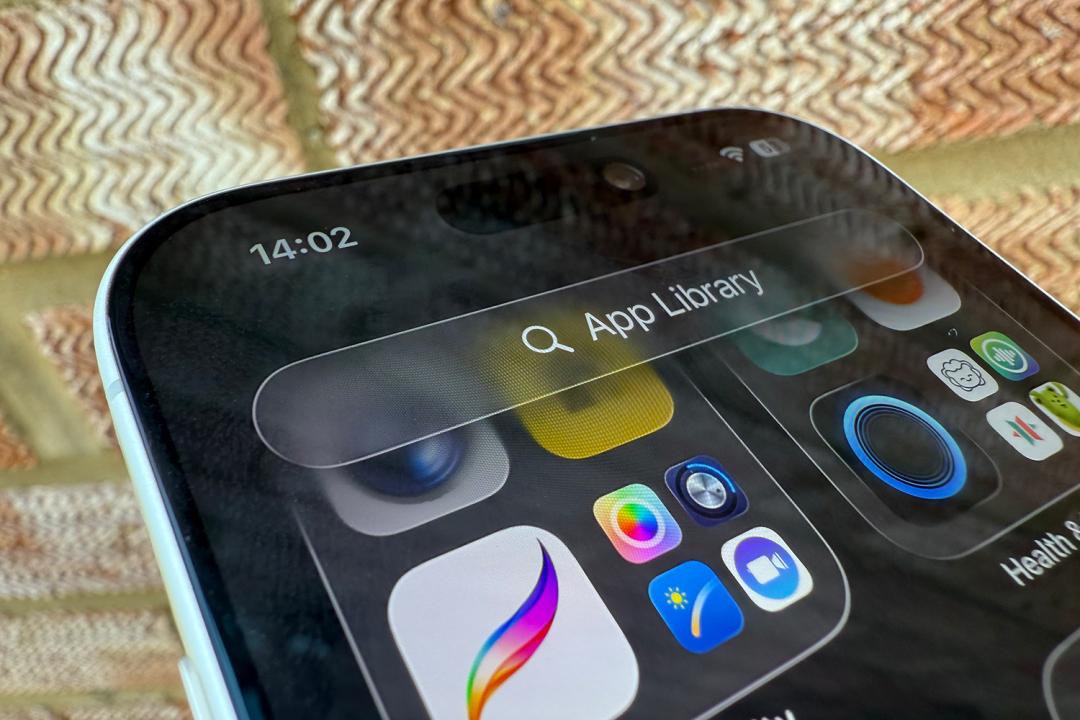
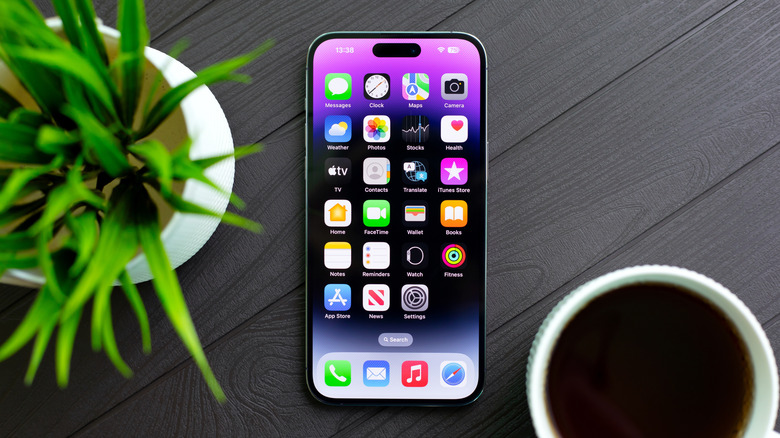
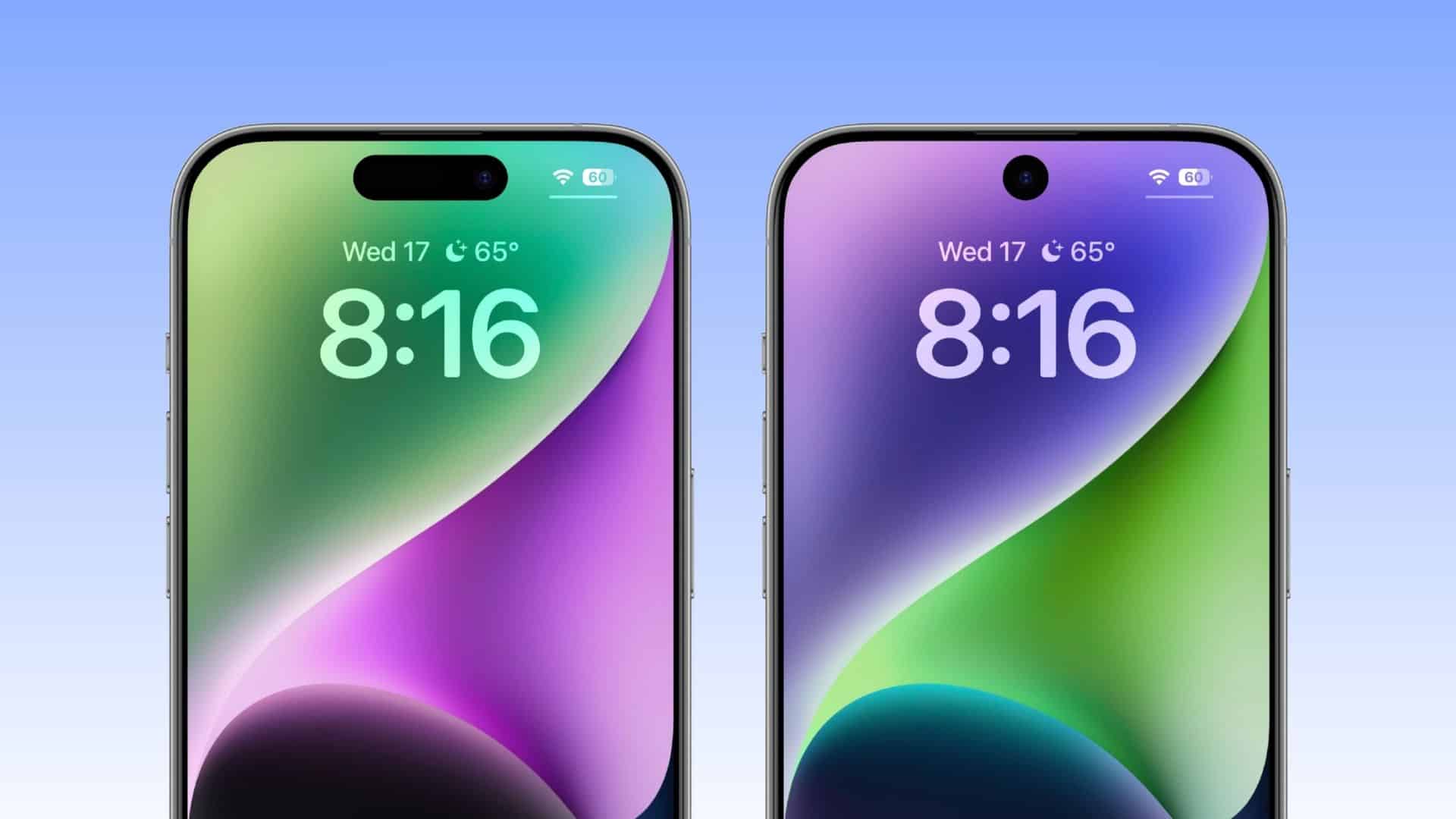
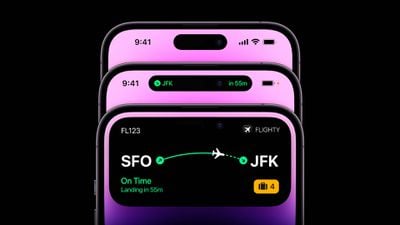
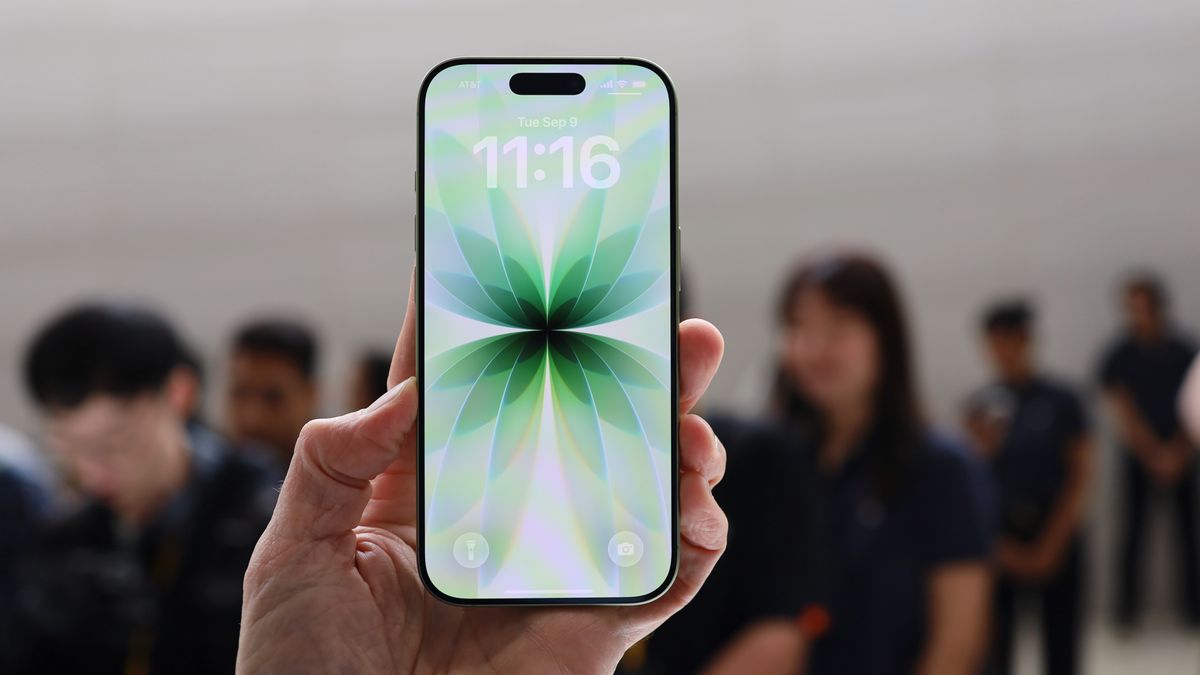
Micro-transparent glass technology emerges as the critical breakthrough, enabling Face ID sensors to pass through display panels with unprecedented precision. Multiple industry sources, including Chinese technology leaks and analyst predictions, suggest Apple is meticulously testing a "spliced micro-transparent glass" technique that could dramatically reduce or potentially eliminate the current Dynamic Island design. The potential implementation suggests a multi-year roadmap: initial deployment in iPhone 18 Pro and Pro Max models by 2026, with potential expansion to base models and a rumored foldable device by early 2027.
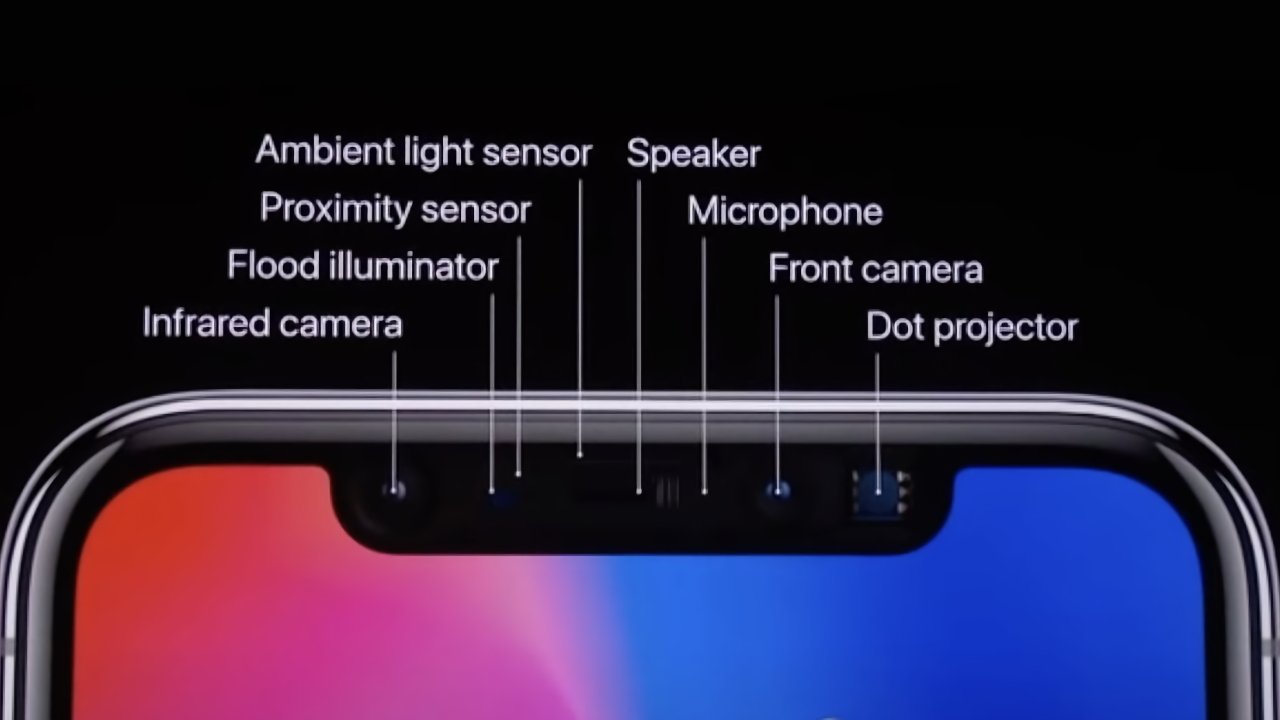
The technological challenge is substantial. Embedding facial recognition sensors beneath display panels requires solving complex optical and recognition accuracy problems. Apple's approach—using specialized glass that allows sensor penetration while maintaining image quality—represents a significant engineering feat. This isn't merely about aesthetic minimalism; it's about creating a truly seamless, uninterrupted visual interface where technology becomes invisible.
Strategically, this development signals Apple's long-term vision of a "completely cutout-free" smartphone experience. The potential iPhone 20 (planned for 2027) could represent the culmination of this design philosophy—a device where hardware boundaries dissolve, and interaction becomes more intuitive and immersive. For competitors and technology manufacturers, this represents both a benchmark and a significant technological challenge to match.
The implications extend beyond design. By pioneering under-display technologies, Apple is not just changing how devices look, but fundamentally reimagining how users interact with technology. Each incremental improvement in sensor transparency and recognition accuracy brings us closer to a future where digital interfaces feel increasingly natural and frictionless.
Questions 3
How will under-display Face ID change smartphone design?
Under-display Face ID will eliminate visible sensor areas, creating a completely seamless screen experience. By embedding sensors beneath micro-transparent glass, Apple aims to remove visual interruptions like the current Dynamic Island, transforming how users perceive and interact with smartphone interfaces.
When can consumers expect this technology?
Initial deployment is expected in the iPhone 18 Pro and Pro Max models around 2026, with potential expansion to base models by early 2027. The full vision of a completely cutout-free design might be realized with the iPhone 20 in 2027.