



Undersea Cable Sabotage: The Emerging Hybrid Warfare Battleground in the Baltic
- Geopolitical Tensions Escalate as Critical Infrastructure Becomes Strategic Vulnerability

























Overview
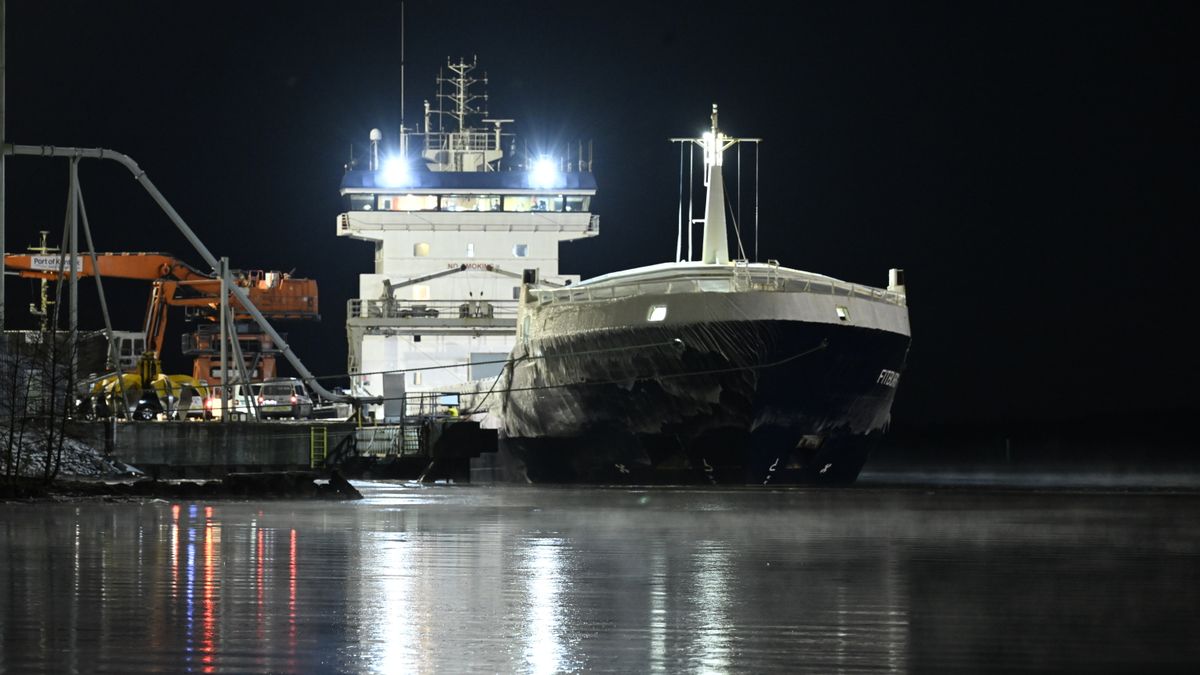
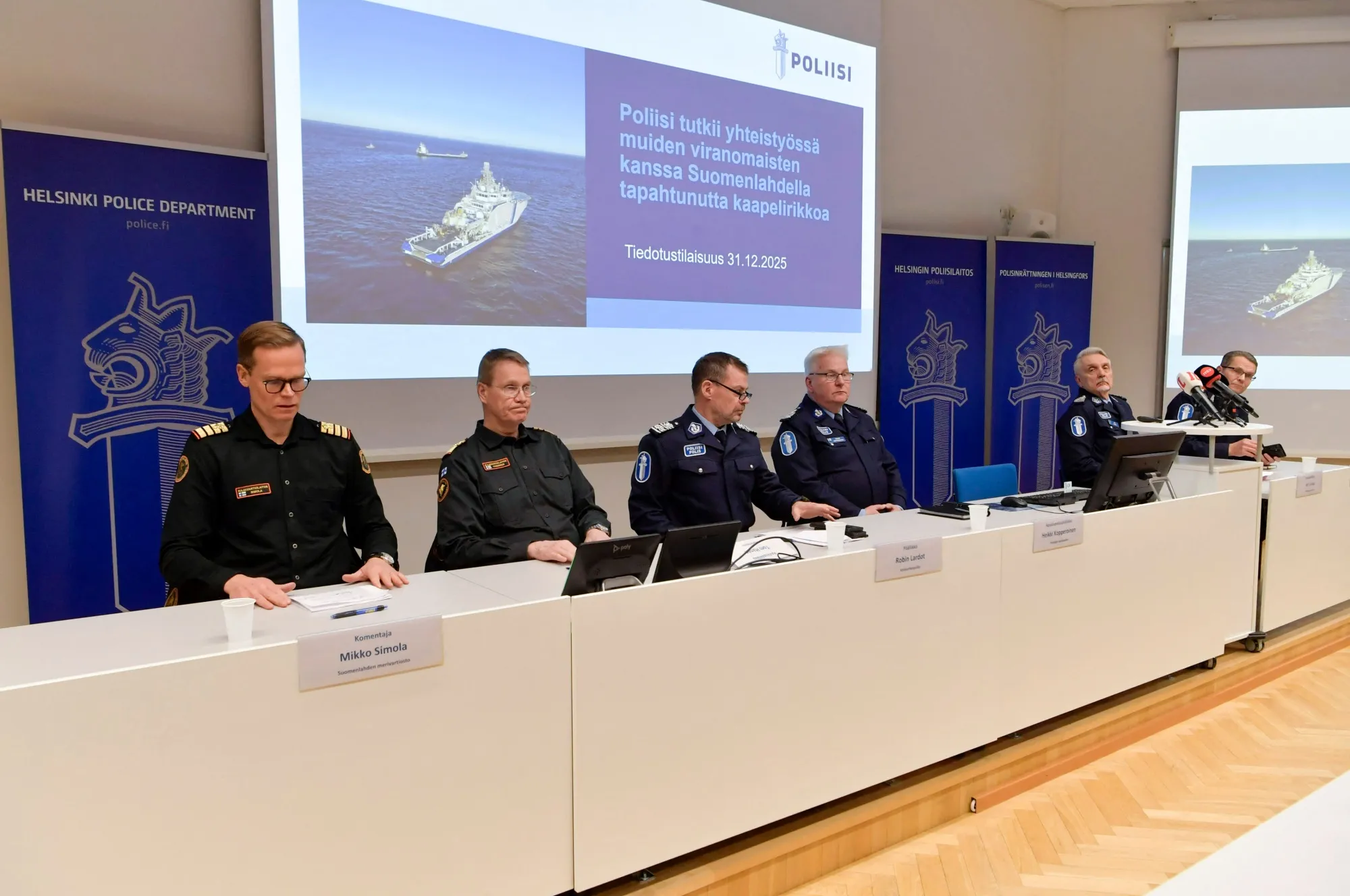
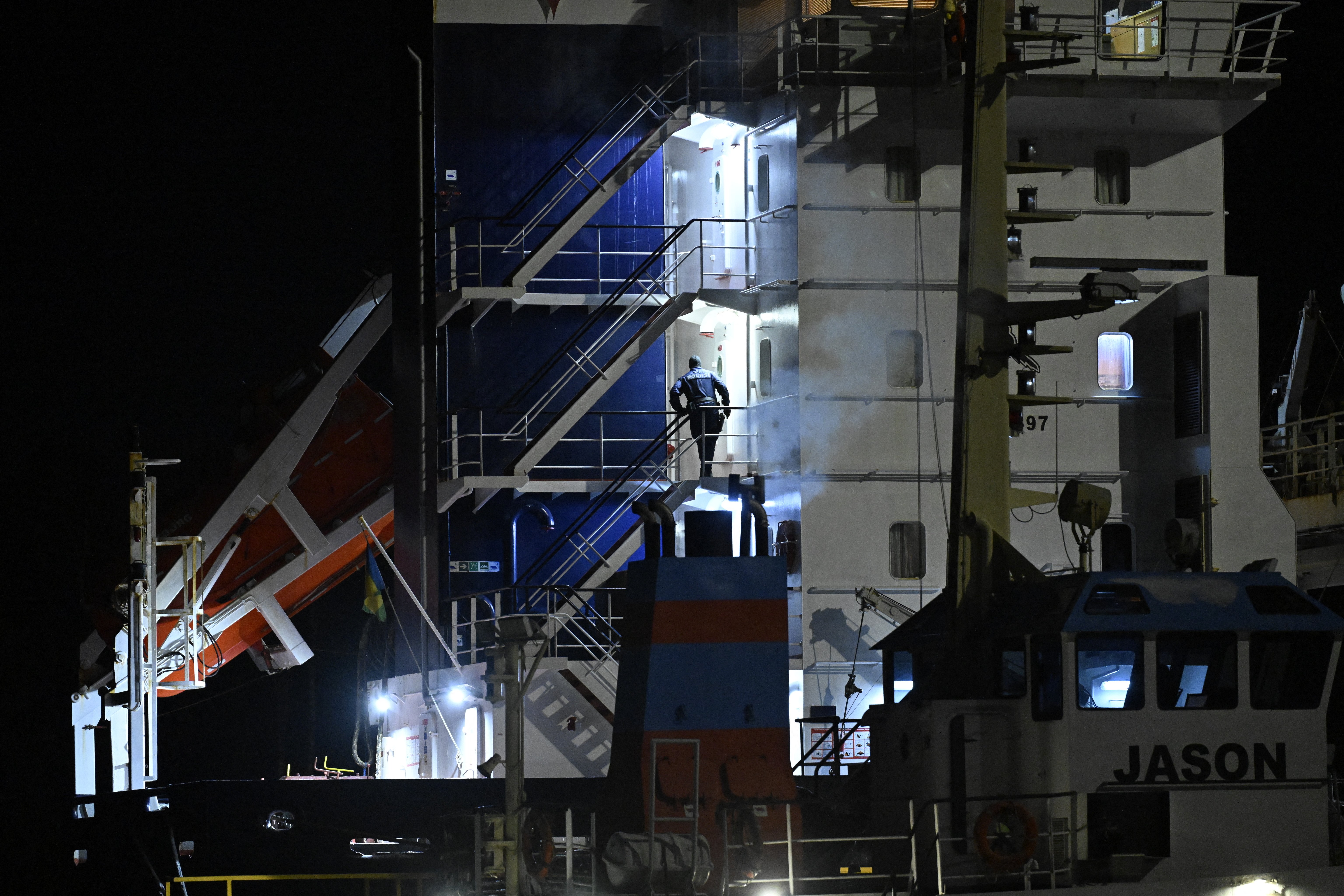
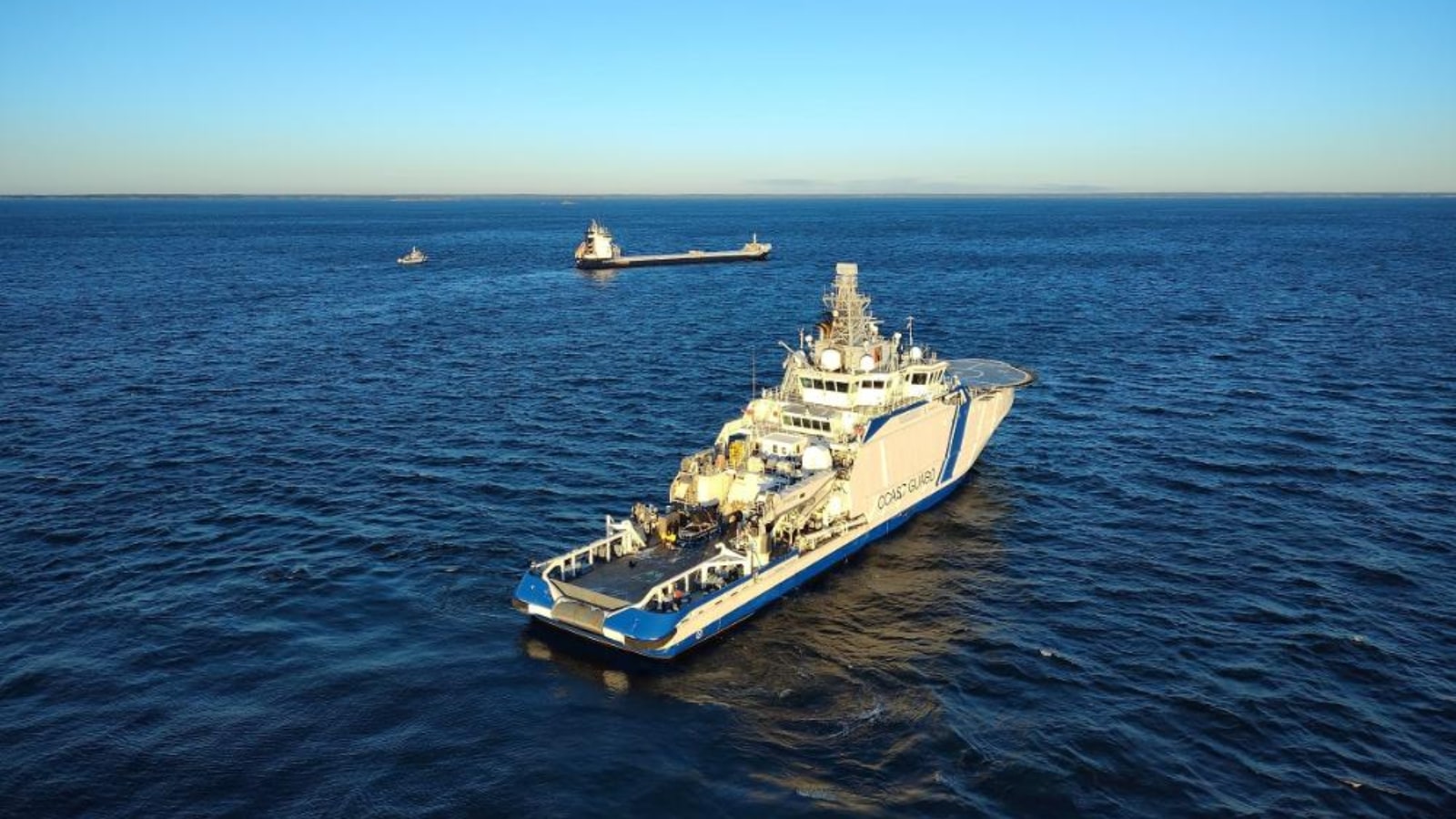
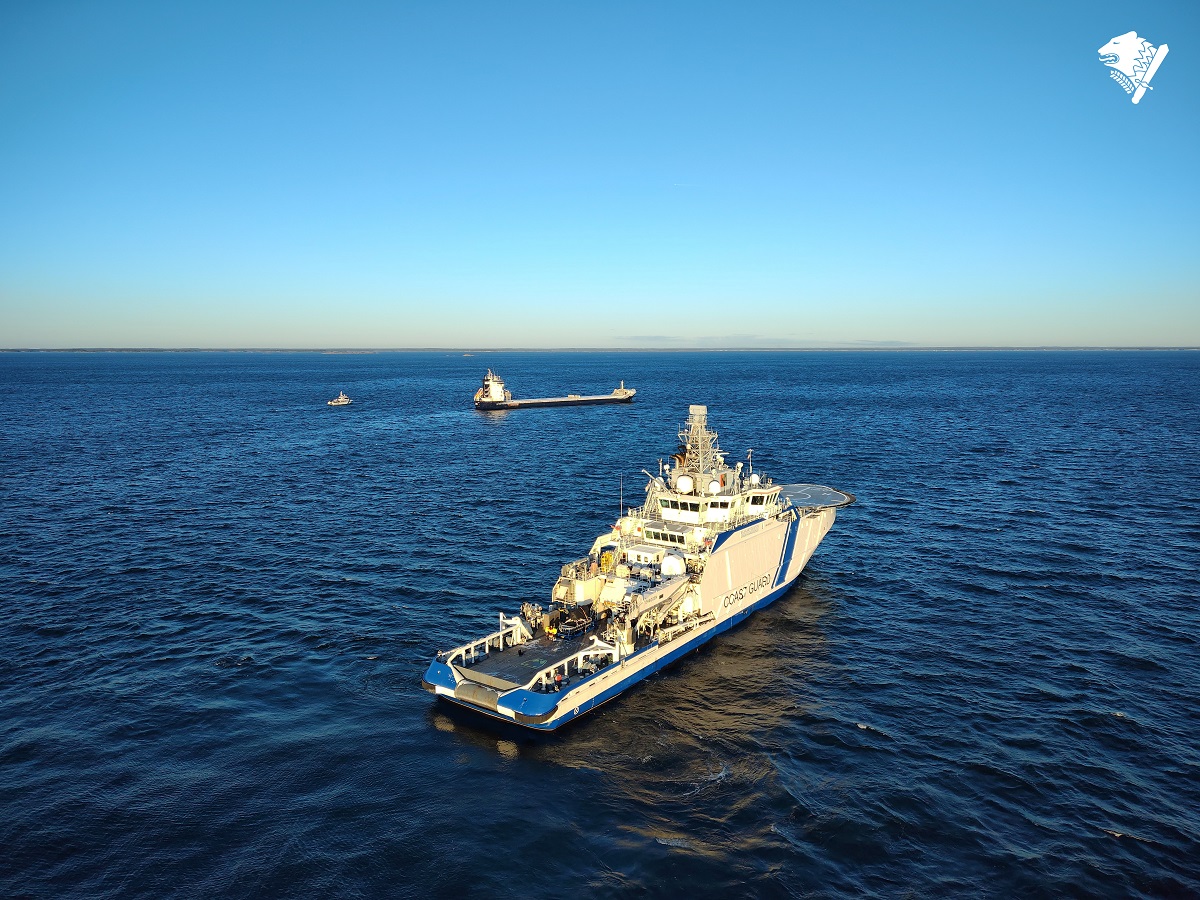
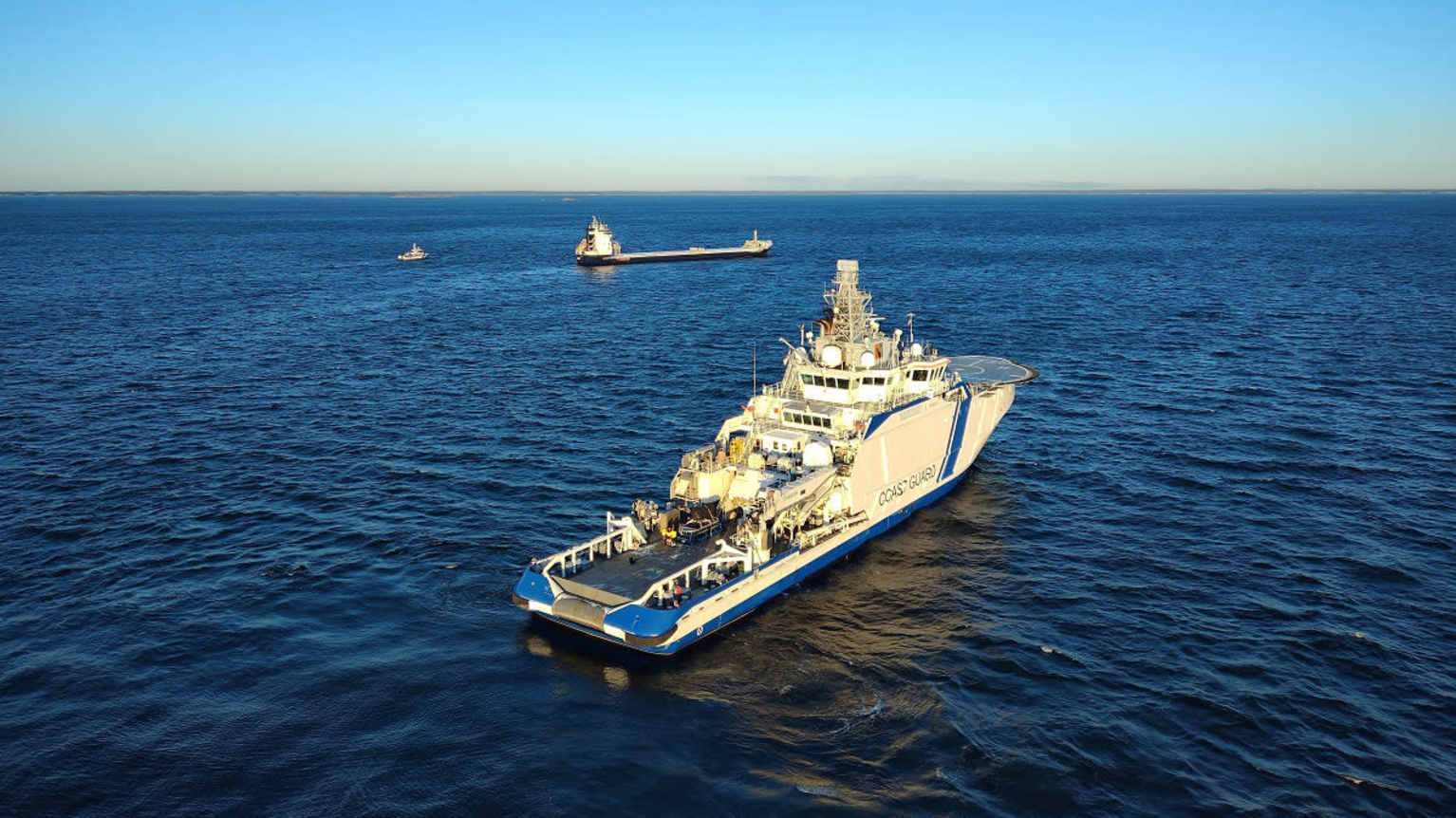
Hybrid warfare has found a new frontier in the strategic maritime communication networks of the Baltic Sea, with a sophisticated maritime incident revealing the fragility of global digital infrastructure. On December 31, 2025, Finnish authorities seized the cargo vessel Fitburg, exposing a complex geopolitical chess match that extends far beyond traditional military confrontations.
The maritime interdiction represents a critical inflection point in regional security dynamics. The vessel, sailing under a St. Vincent and the Grenadines flag with a multinational crew from Russia, Georgia, Kazakhstan, and Azerbaijan, was caught deliberately damaging underwater telecommunications cables connecting Finland and Estonia. This isn't an isolated incident, but part of a broader pattern: at least 10 cable disruptions have been reported in the Baltic Sea since 2023, suggesting a systematic approach to infrastructure vulnerability.
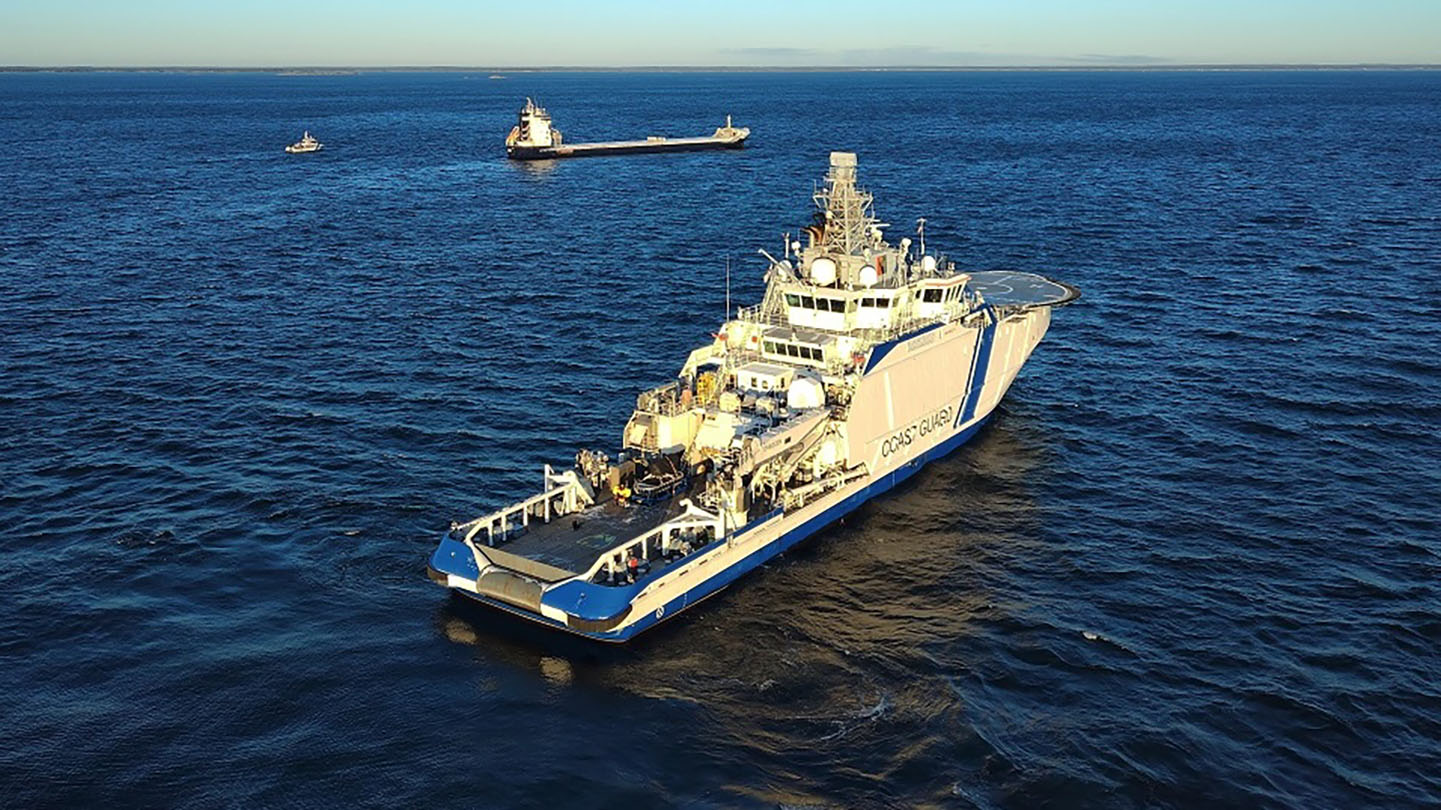
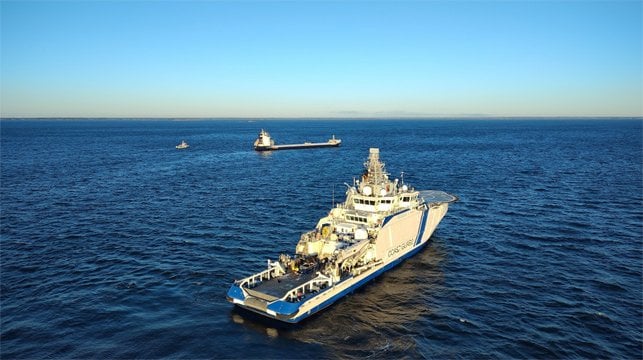
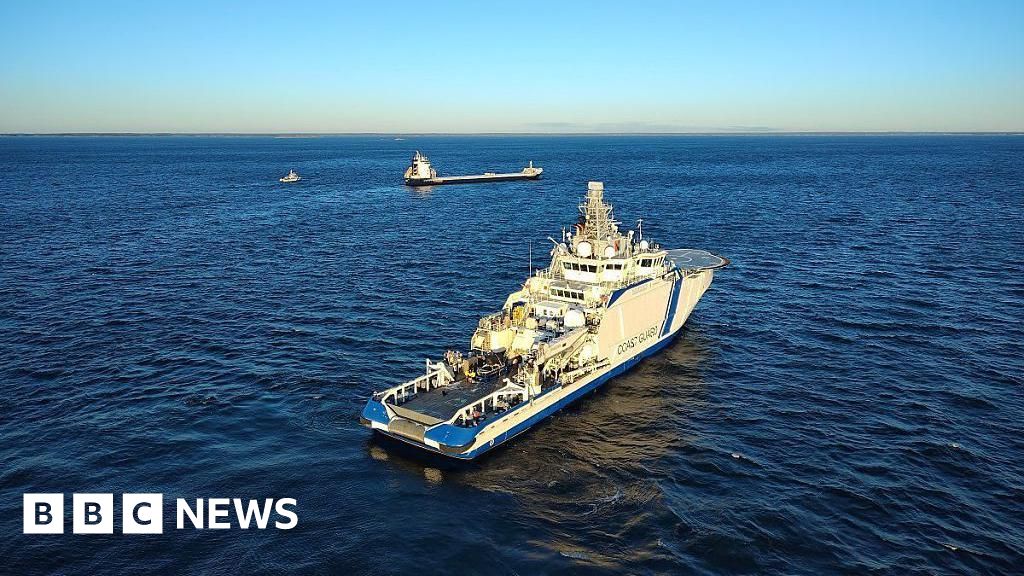
NATO and EU countries are rapidly recognizing undersea communication networks as the new geopolitical frontline. The incident coincides with increased maritime security operations, including NATO's deployment of frigates, aircraft, and naval drones to monitor potential threats. The strategic implications are profound: these cables aren't just communication infrastructure, but critical arteries of global digital connectivity that can be weaponized through precise, deniable interventions.
The hybrid warfare tactics revealed here are particularly nuanced. By using a multinational crew and a flagged vessel from a third-party jurisdiction, potential state actors can maintain plausible deniability while systematically probing and potentially compromising critical infrastructure. The timing—coinciding with ongoing tensions surrounding Russia's actions in Ukraine—further underscores the calculated nature of these disruptions.
For international businesses and governments, this incident demands a fundamental reassessment of digital resilience. The era of assuming communication infrastructure is sacrosanct is definitively over. Organizations must develop robust, redundant communication strategies that anticipate potential regional disruptions and have immediate failover mechanisms.
The Baltic Sea has transformed from a traditional maritime zone into a complex battleground where digital infrastructure, geopolitical tension, and strategic positioning converge in unprecedented ways.
Questions 3
How are countries like Finland responding to these infrastructure threats?
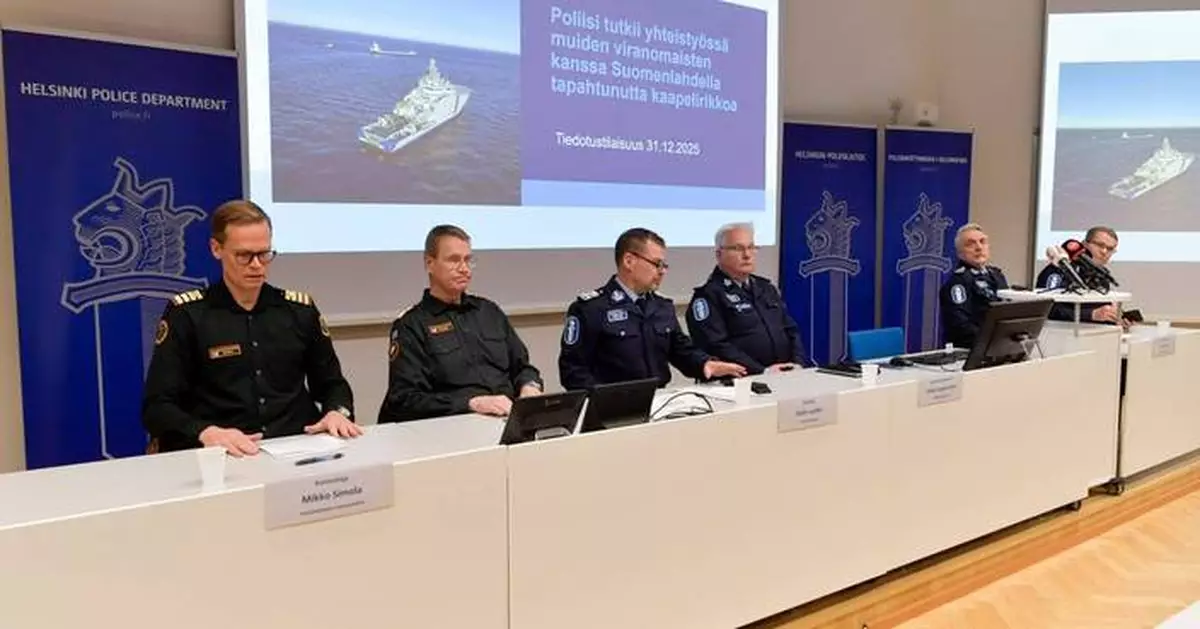
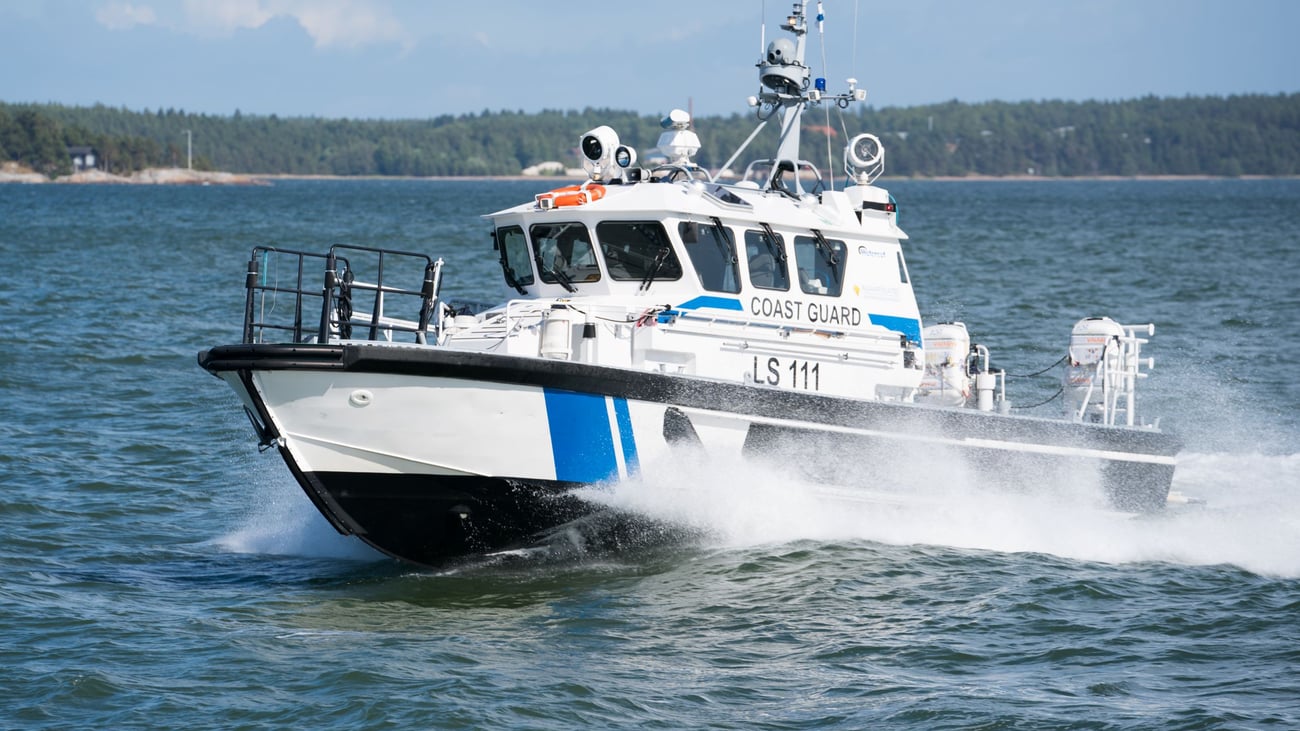
Finland is demonstrating a multi-layered response: increased maritime surveillance, immediate interdiction of suspicious vessels, robust legal investigation, and close coordination with NATO and EU partners. The country is treating these incidents as serious national security challenges requiring proactive and comprehensive strategies.
What are the potential long-term implications of these cable disruption tactics?
These tactics could accelerate investments in communication infrastructure redundancy, drive more stringent maritime security protocols, and potentially reshape international maritime law. Organizations will likely develop more complex, distributed communication networks to mitigate single-point vulnerabilities.