


Strait of Hormuz Closure Triggers 15-25% Shipping Cost Surge for Cross-Border Sellers
- Disrupts 30% of global maritime trade; 14 Middle East countries under evacuation; 3-8 week conflict timeline threatens FBA logistics and energy-dependent fulfillment costs


























Overview
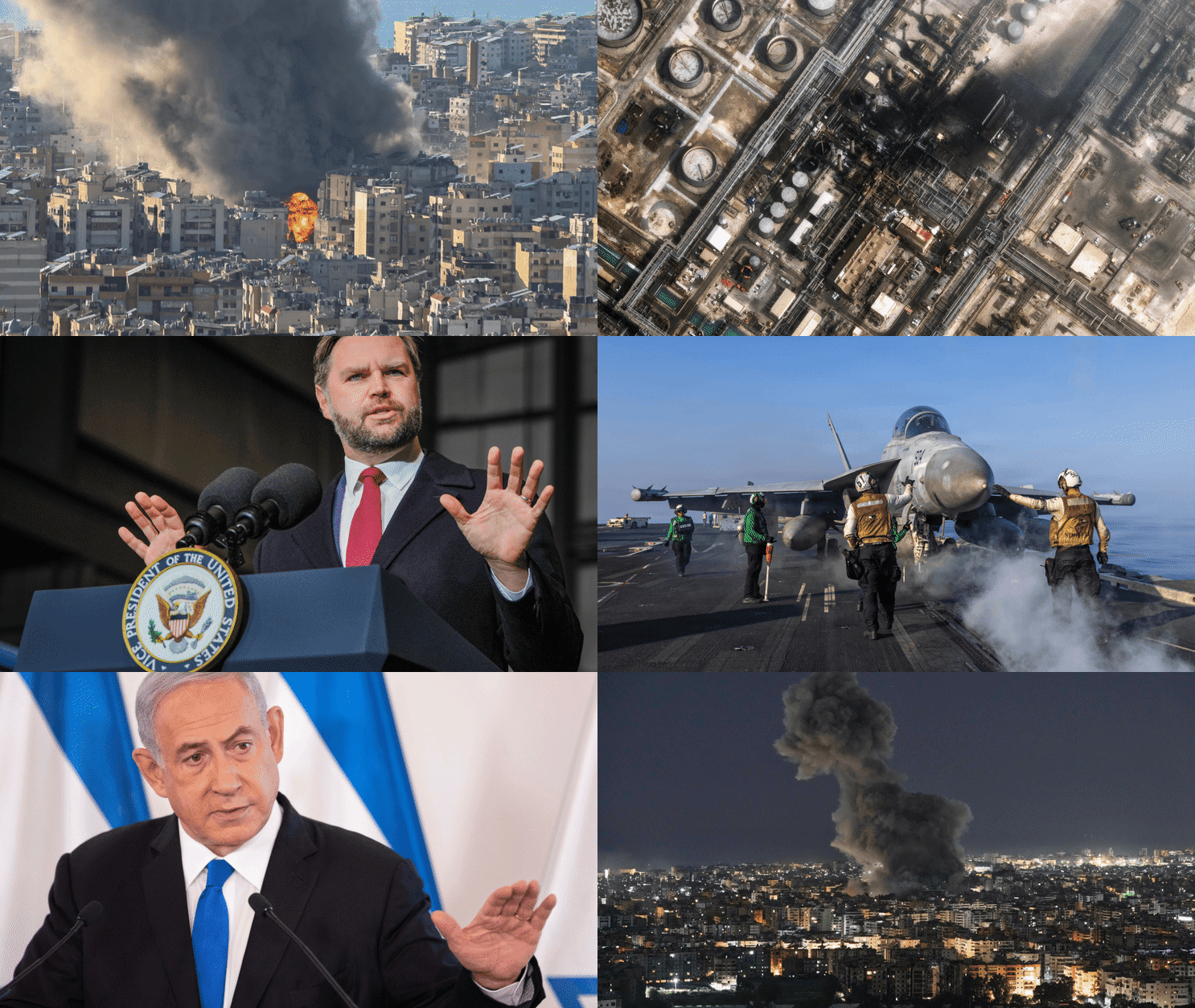
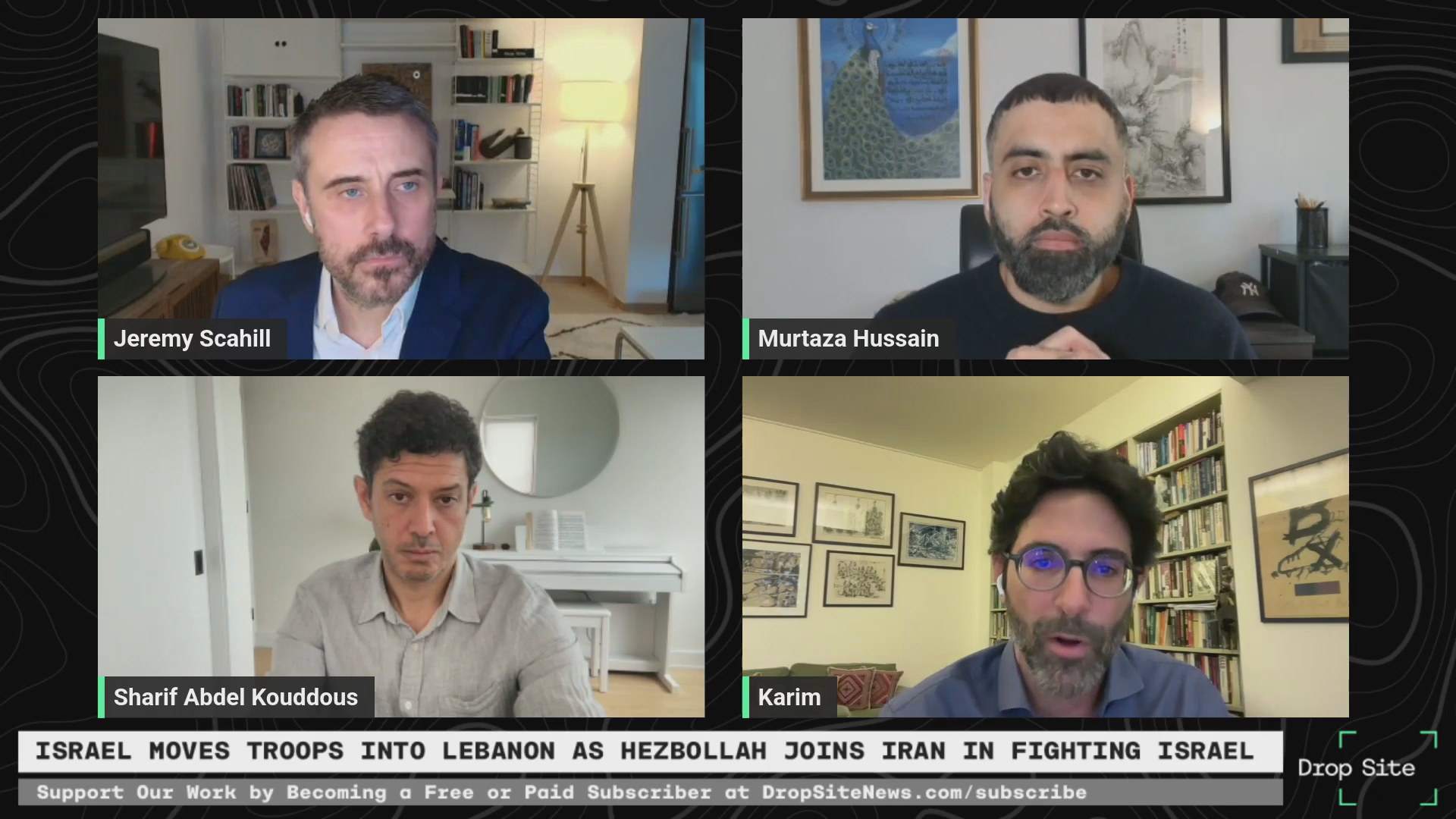
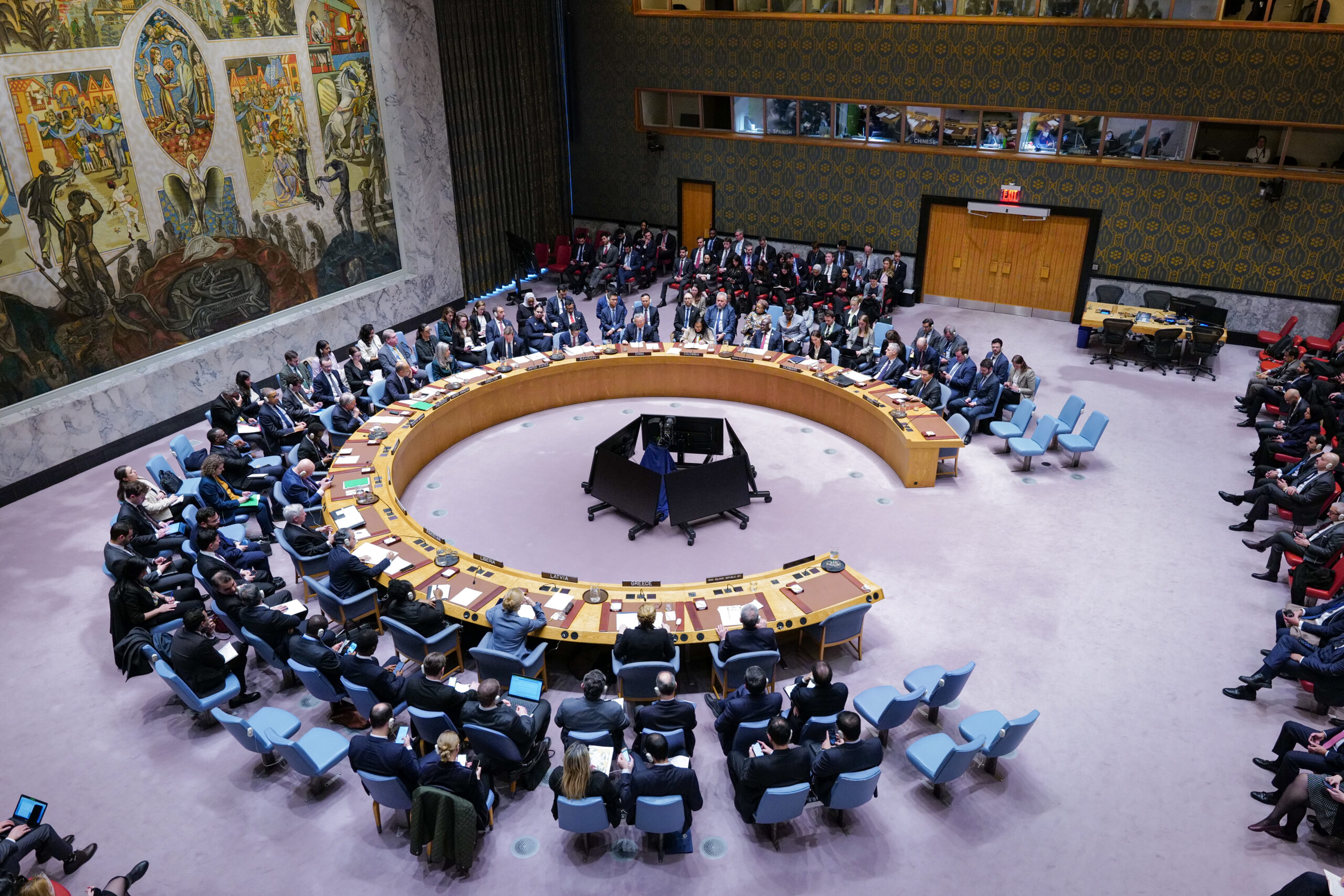
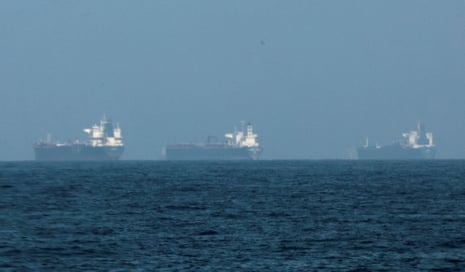
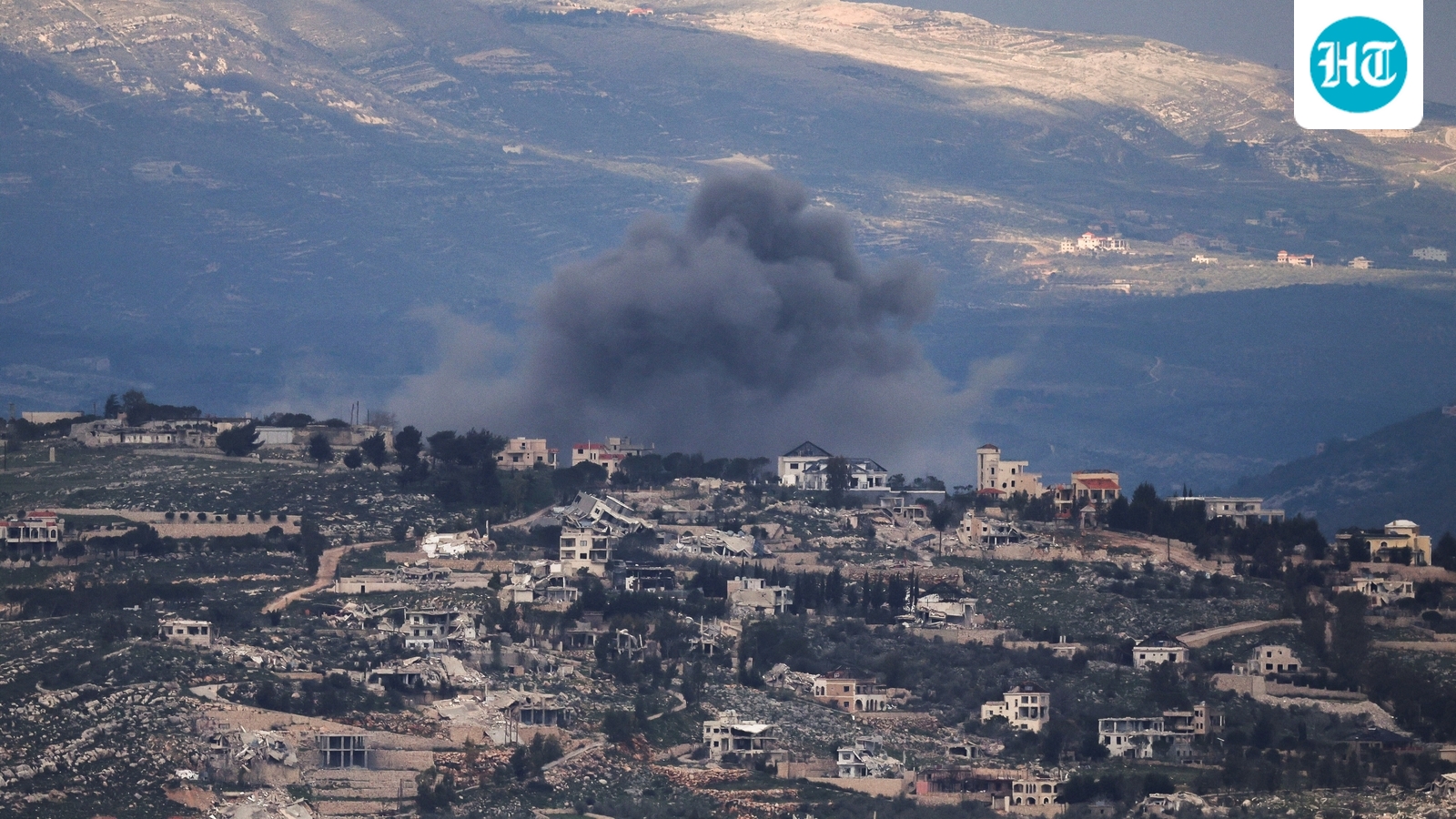
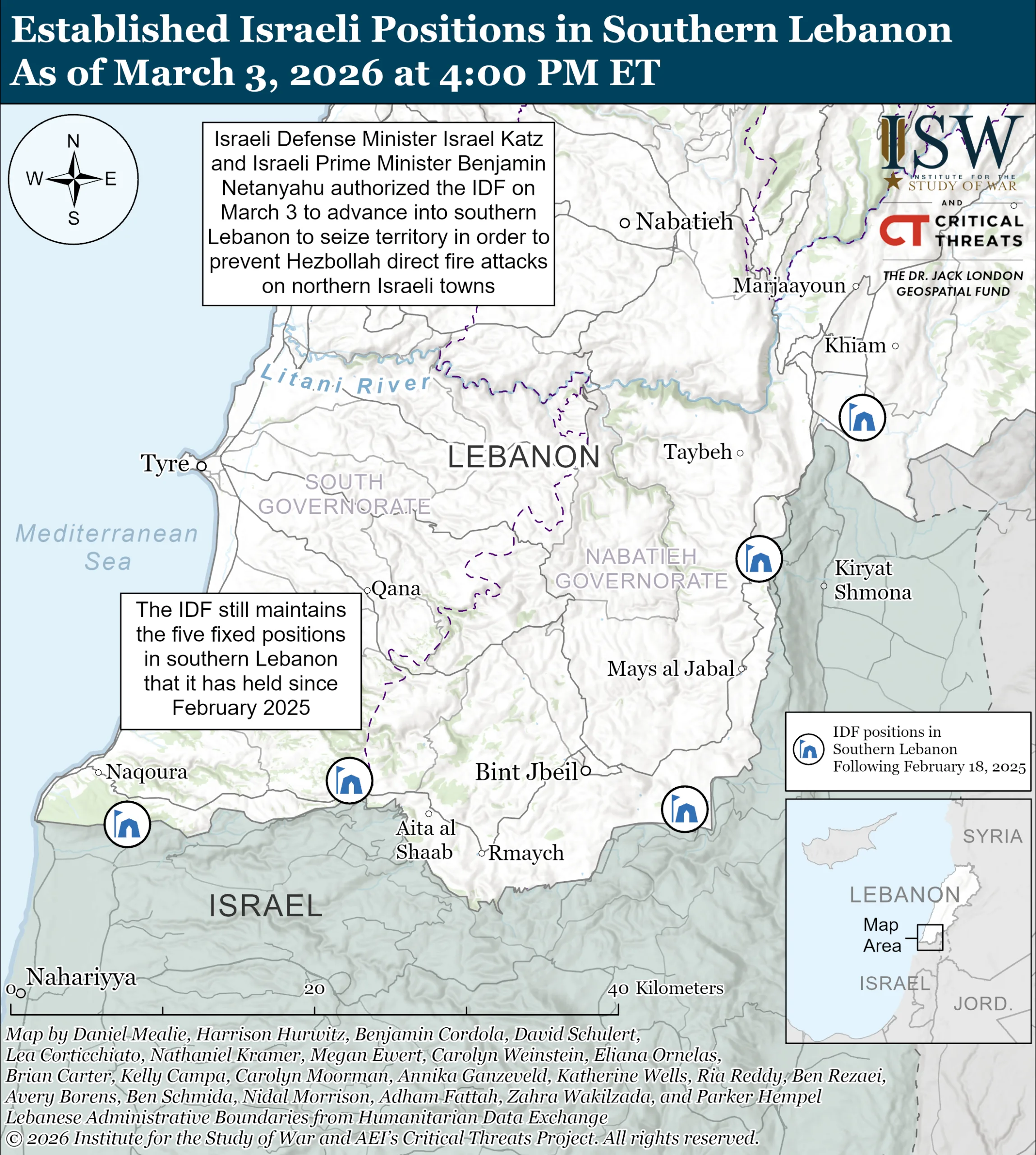
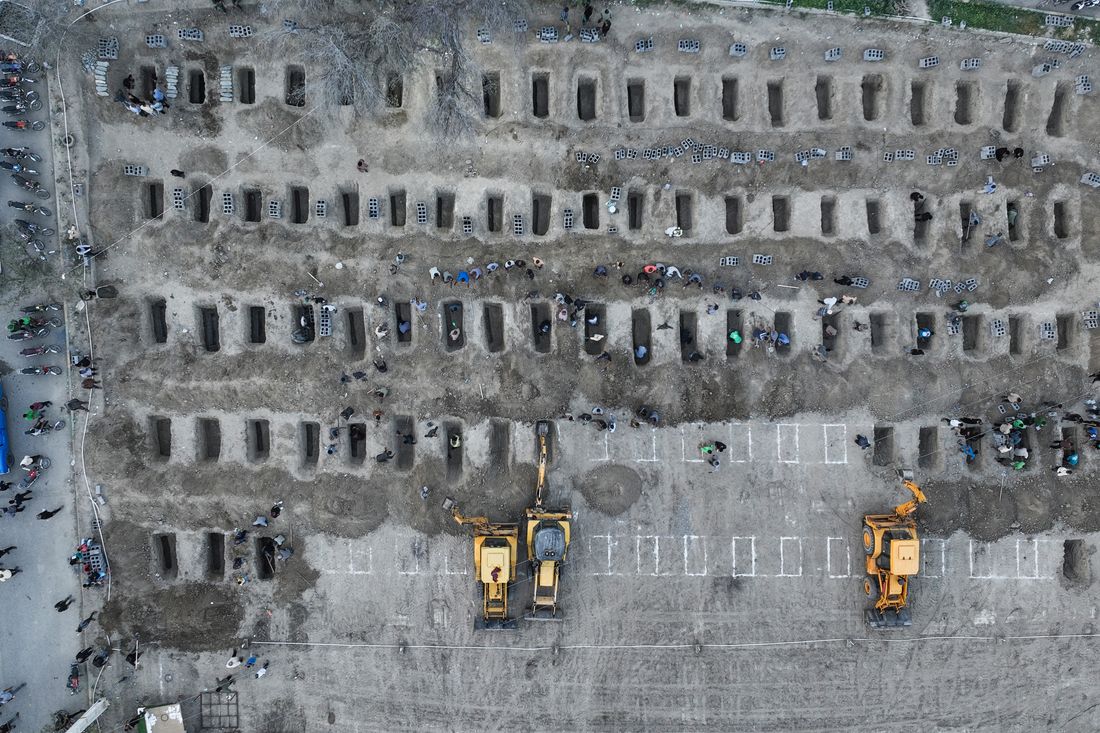
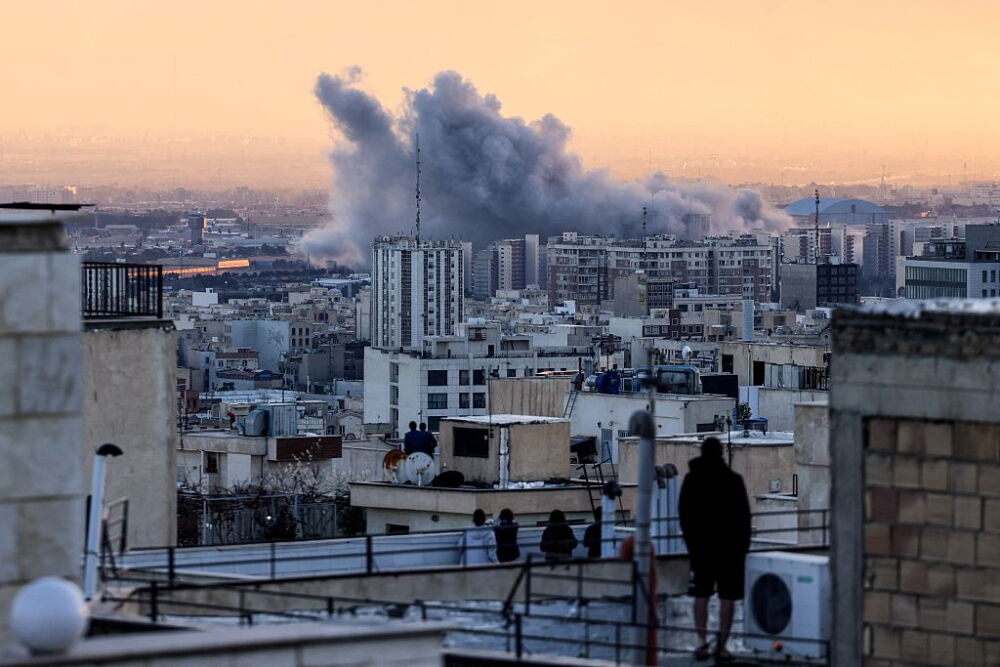
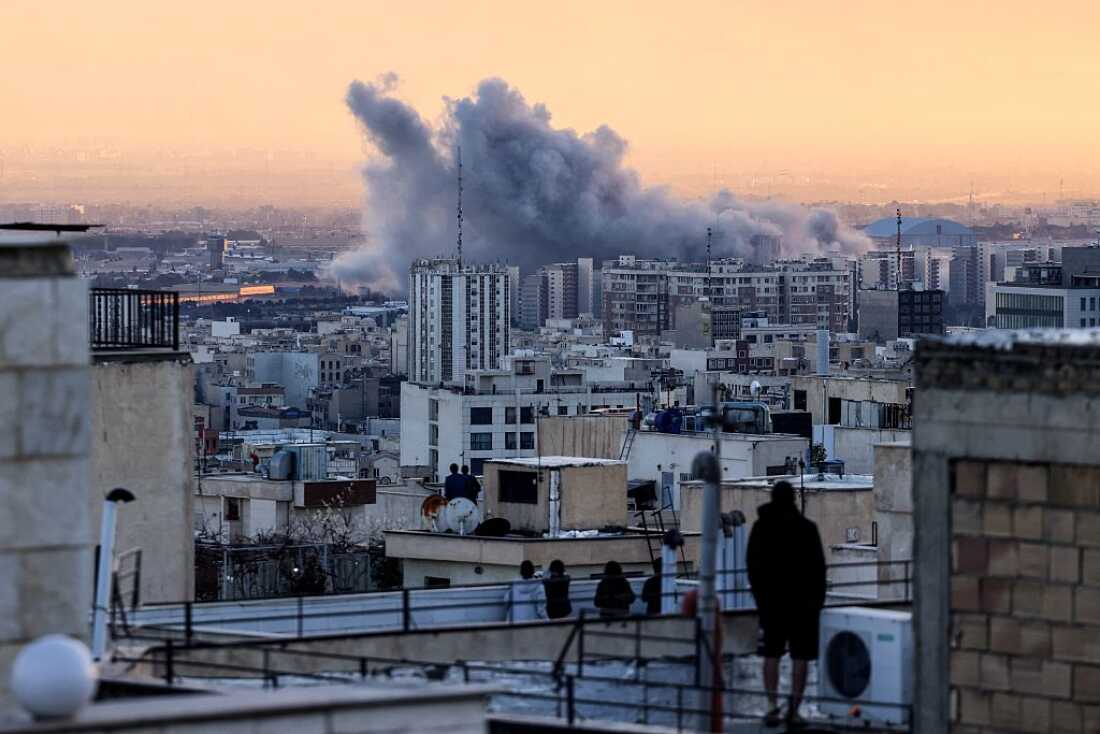
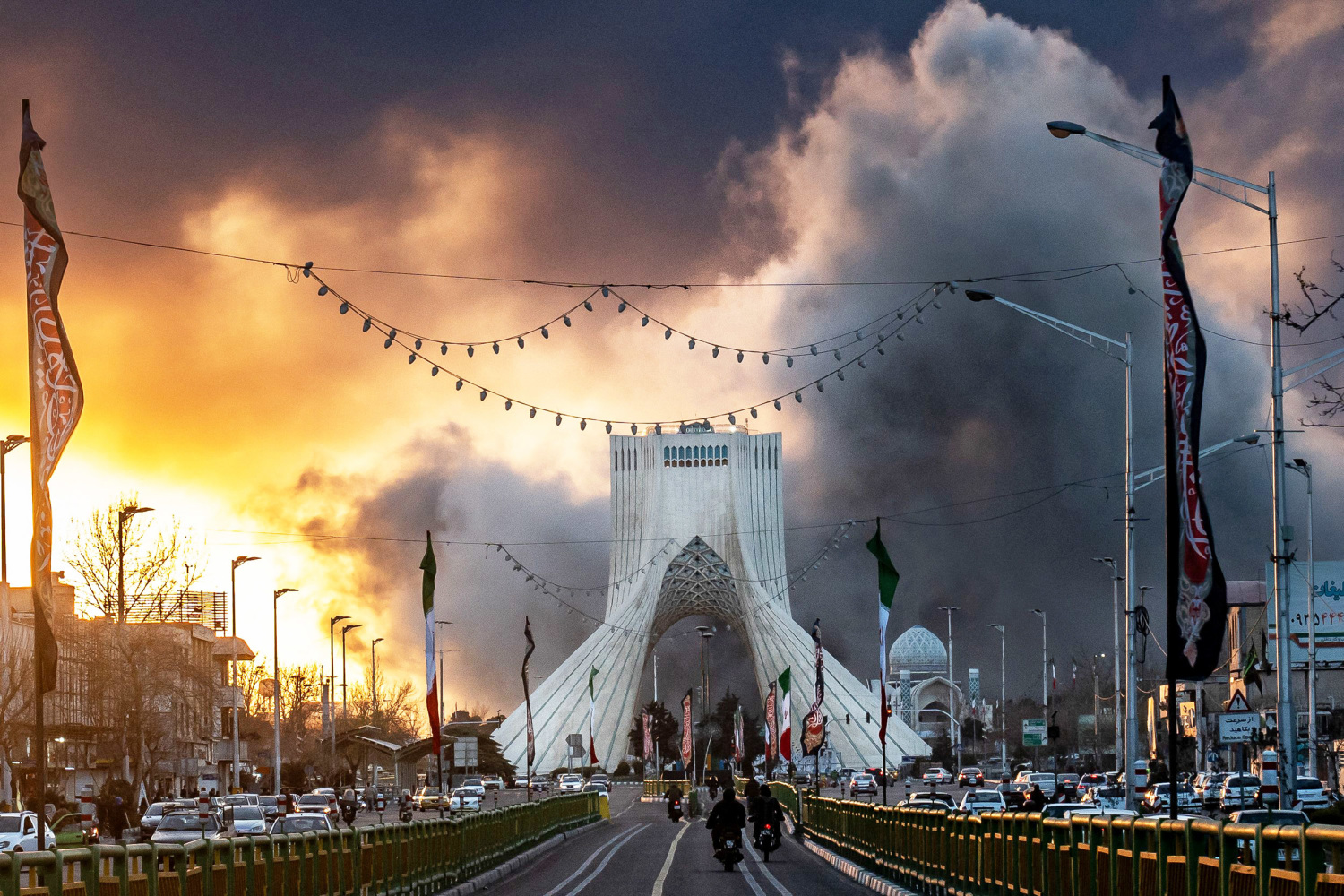
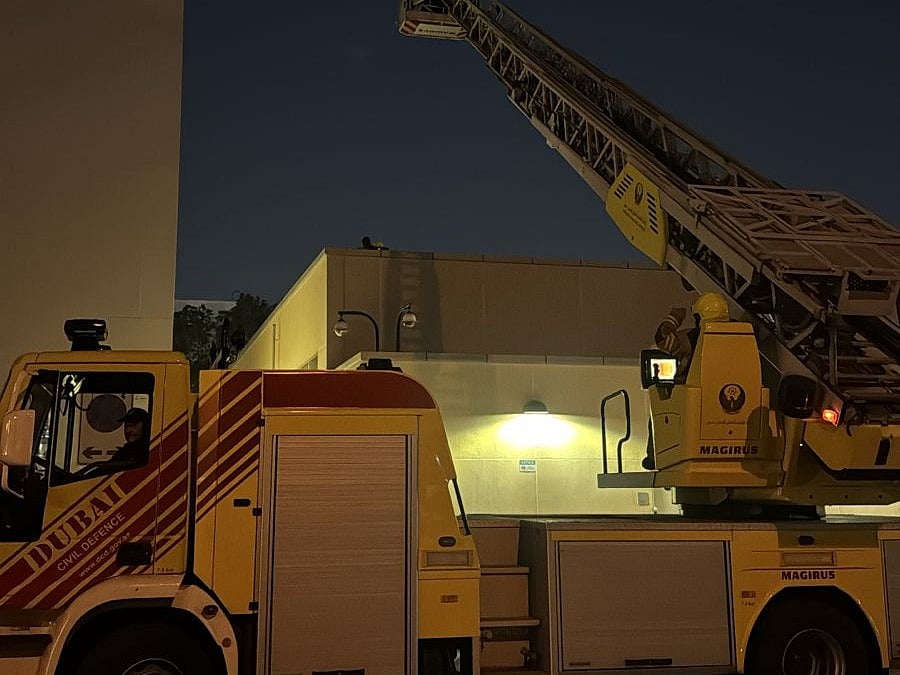
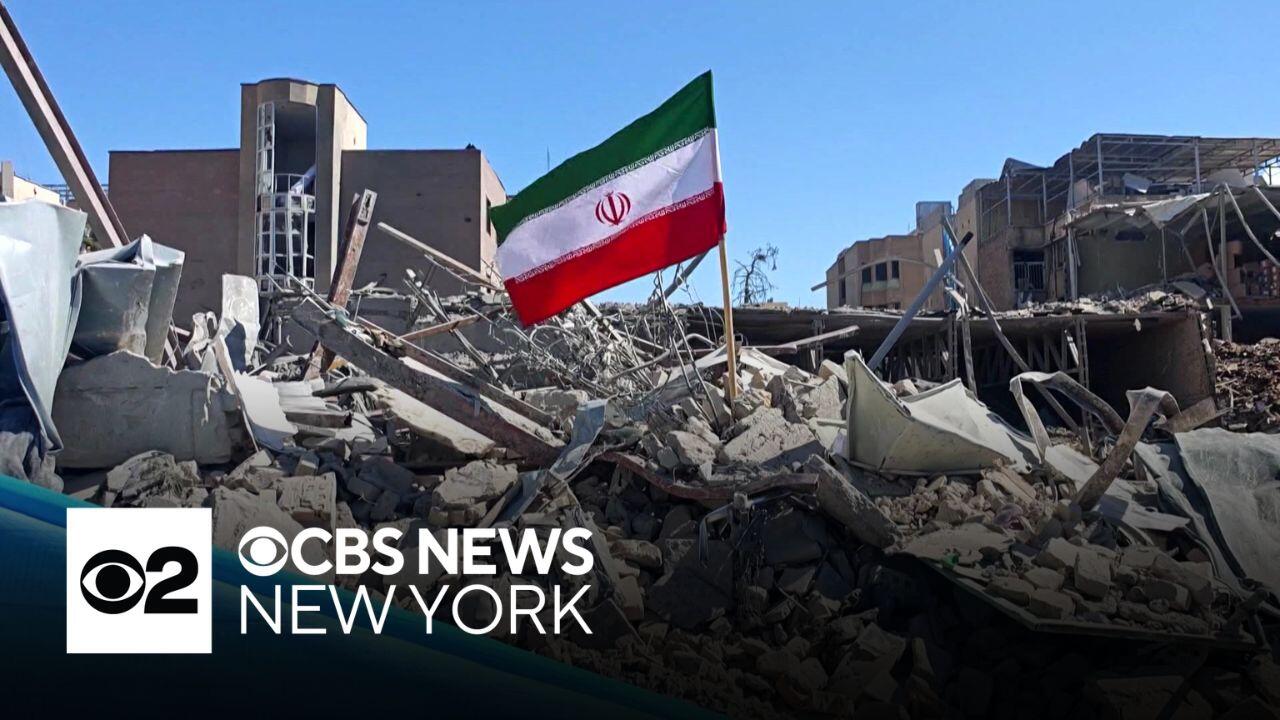
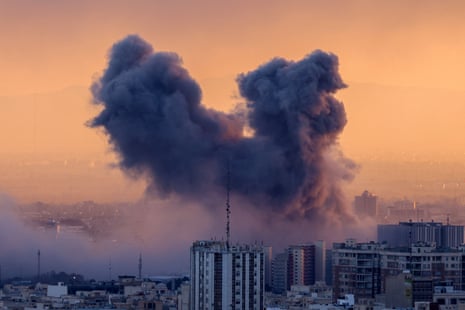
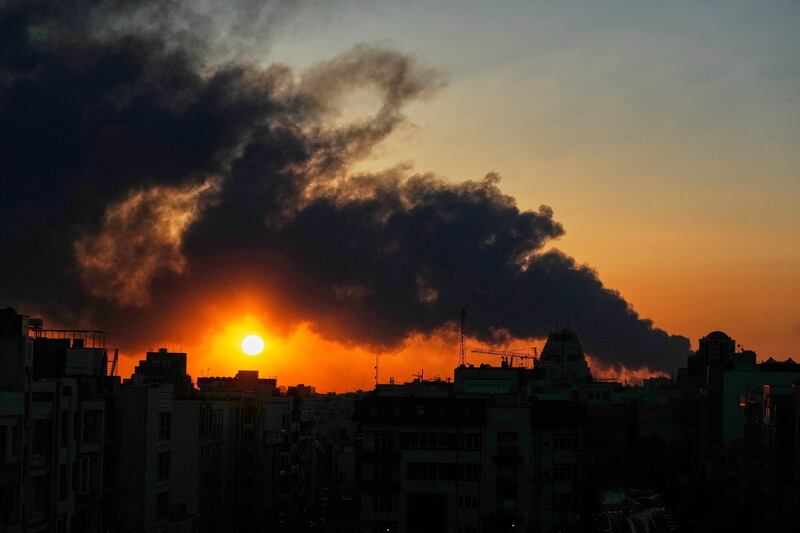
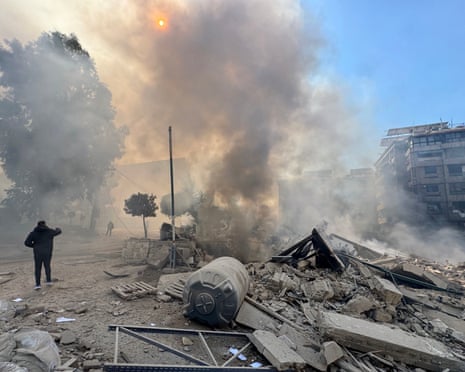
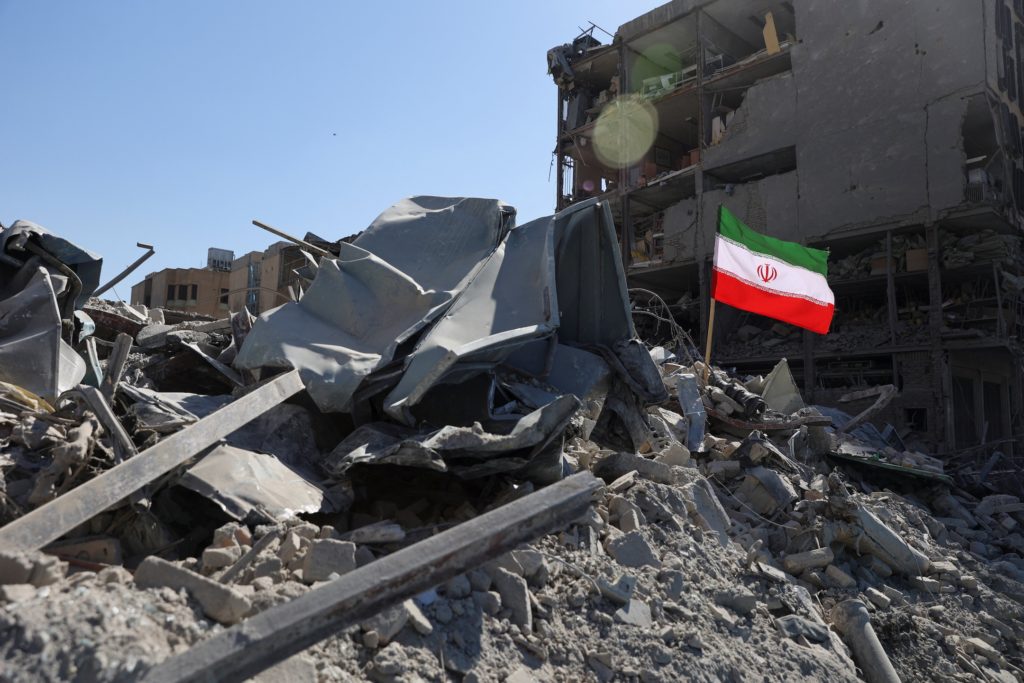
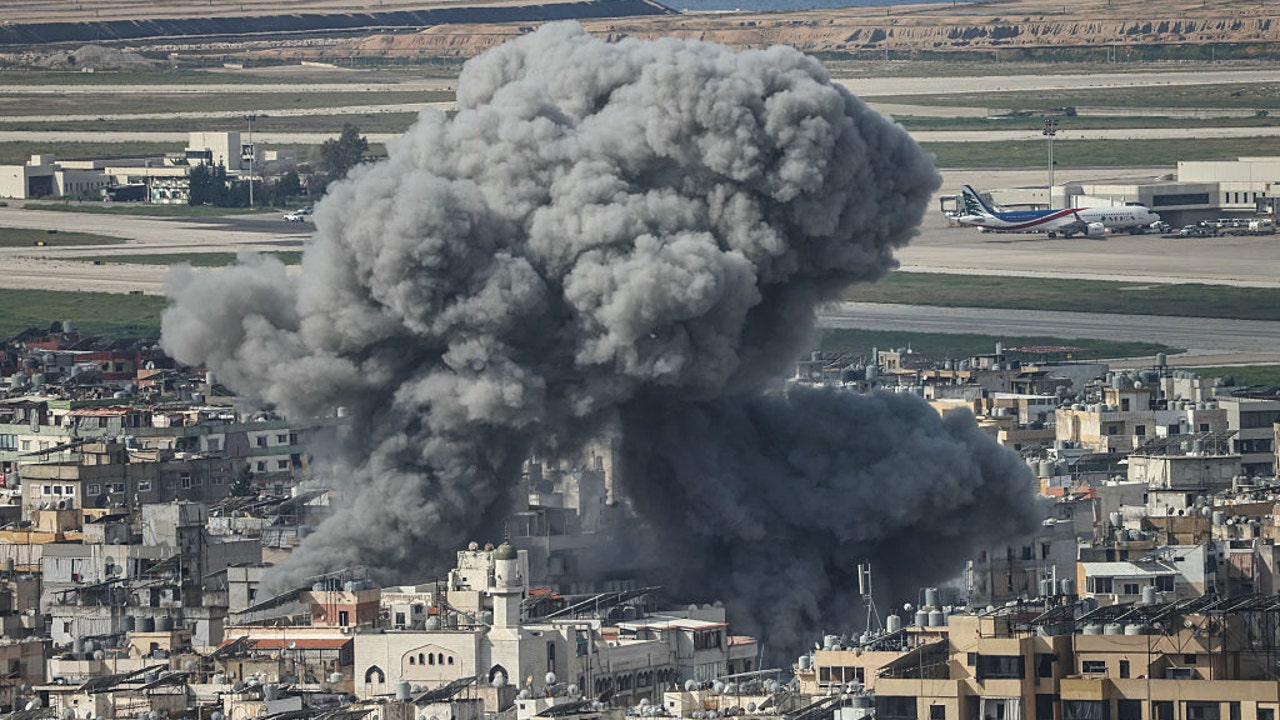
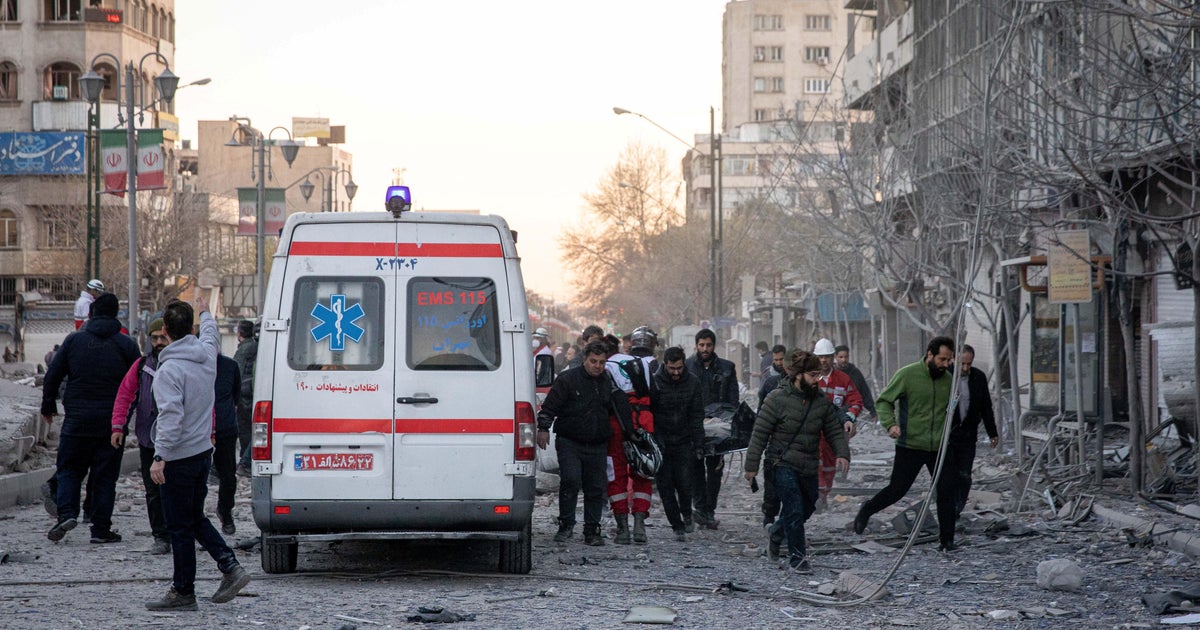
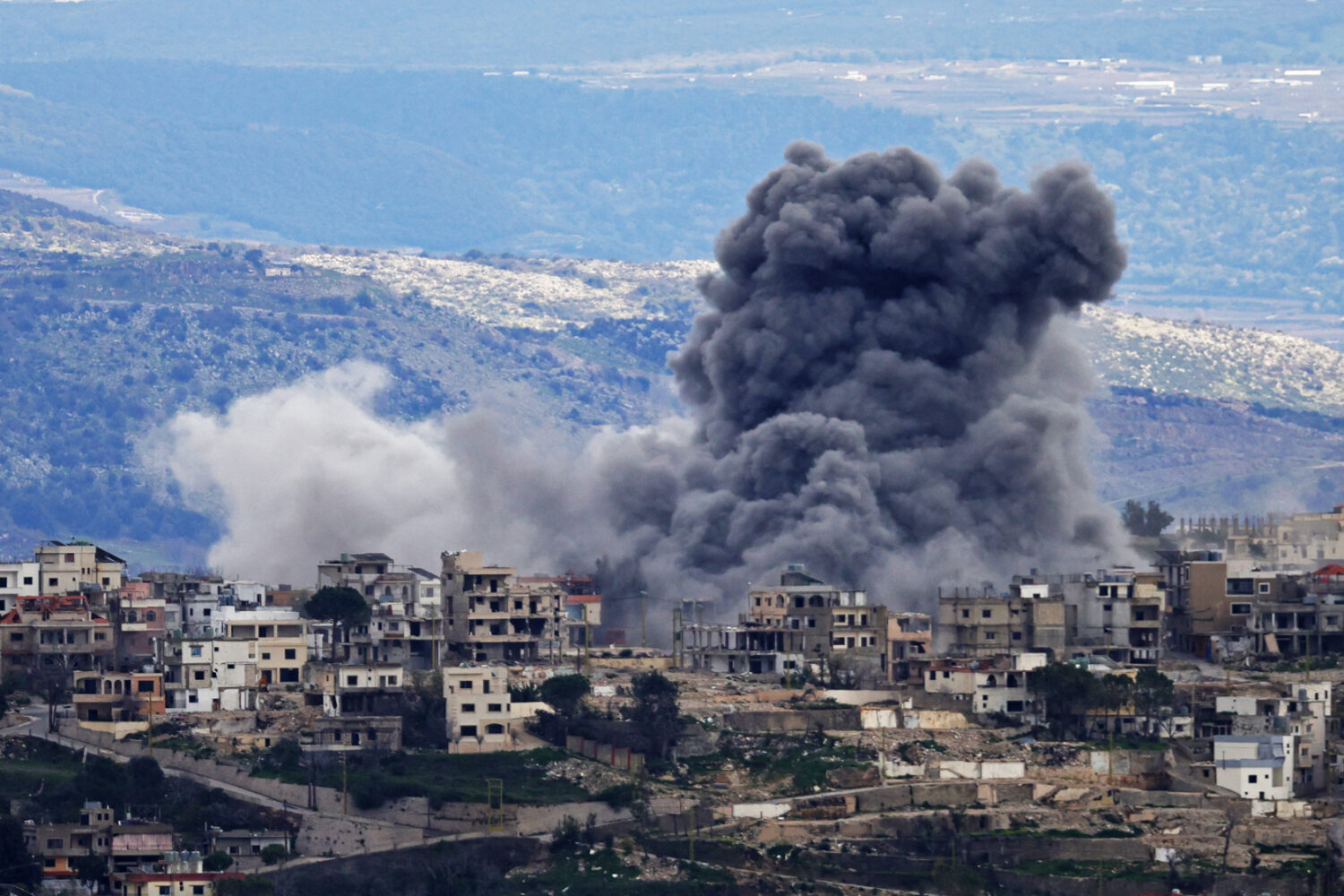
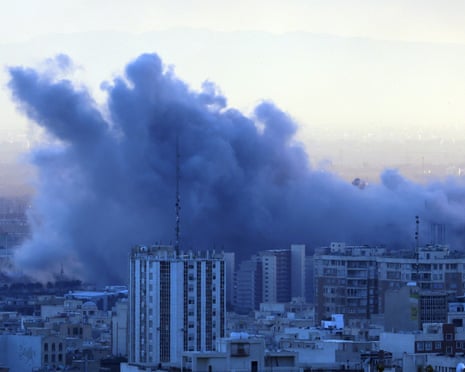
The March 2026 US-Israeli military escalation against Iran represents a critical supply chain disruption for cross-border e-commerce sellers, with the Strait of Hormuz closure directly impacting 30% of global maritime petroleum trade and creating immediate logistics bottlenecks. According to the news reports, nearly 2,000 targets were struck in Iran, with Iran retaliating with approximately 40 missiles, resulting in the closure of critical shipping navigation through the Strait of Hormuz—a chokepoint through which 21 million barrels of oil transit daily. The conflict has forced production stoppages from Qatar to Iraq and displaced 30,000+ civilians in Lebanon, signaling a 3-8 week operational disruption timeline per Defense Secretary Hegseth's assessment.
For cross-border e-commerce sellers, the immediate impact manifests across three critical dimensions: (1) Shipping Cost Escalation: Energy price volatility directly increases ocean freight rates, with crude oil at $74.83 and gold spiking 1.21% to $5,185.70, indicating risk-off market positioning. Sellers relying on Asia-to-US or Asia-to-EU routes through the Suez Canal alternative face 15-25% shipping cost increases due to extended voyage times (additional 7-10 days via Cape of Good Hope). FBA sellers shipping from China/Vietnam to US warehouses will experience $200-400 additional per-container costs on 40-foot containers. (2) Regional Market Access Collapse: The State Department evacuation order affecting 14 Middle East countries directly impacts sellers with inventory, warehouses, or fulfillment centers in Saudi Arabia, UAE, Qatar, Kuwait, and Bahrain. Three US embassies ceased operations (Riyadh, Kuwait, and others), eliminating visa processing and customs clearance coordination. Sellers with Middle East-focused inventory face immediate operational risks including payment processing system failures and supply chain route disruptions lasting weeks to months. (3) Energy-Dependent Fulfillment Costs: Warehousing, 3PL operations, and last-mile delivery depend on stable energy costs. Global financial market turbulence (Tokyo Nikkei down 3.9%, Seoul Kospi down 8.1%, VIX at 23.42) signals reduced consumer spending in Asia-Pacific markets, directly impacting demand for cross-border merchandise in electronics, apparel, and home goods categories.
Competitive dynamics shift dramatically during this crisis window: Large sellers with diversified logistics networks and pre-positioned inventory in Europe/North America gain competitive advantage over small/medium sellers dependent on just-in-time China sourcing. Sellers with established 3PL relationships in alternative routes (via Suez Canal, air freight, or overland through Central Asia) can maintain delivery timelines while competitors face 2-3 week delays. The conflict creates a 4-6 week arbitrage window where sellers can increase prices 8-12% on time-sensitive categories (electronics, seasonal goods, perishables) before market normalization. Sellers without Middle East exposure but with Asia-Pacific sourcing face margin compression of 5-8% due to extended shipping times and fuel surcharges, while sellers with pre-positioned US/EU inventory can capitalize on supply scarcity.
Questions 8
How does this crisis affect payment processing and currency risk?
Payment processing systems in affected Middle East countries are compromised according to the news reports, creating immediate cash flow risks for sellers with regional customer bases. Global financial market turbulence (Tokyo Nikkei down 3.9%, Seoul Kospi down 8.1%, VIX at 23.42) indicates elevated currency volatility, particularly for sellers with Asia-Pacific exposure. Sellers should diversify payment gateways (Stripe, PayPal, 2Checkout) to reduce single-provider risk, hedge currency exposure for AUD/JPY/KRW transactions, and increase prices 5-8% in affected regions to offset currency depreciation. Monitor central bank interventions and consider shifting pricing to USD for international transactions during the 3-8 week conflict period.
What competitive advantages emerge for sellers during this crisis?
Large sellers with diversified logistics networks and pre-positioned inventory in Europe/North America gain 4-6 week competitive advantage over small/medium sellers dependent on just-in-time China sourcing. Sellers can increase prices 8-12% on time-sensitive categories (electronics, seasonal goods, perishables) before market normalization, capturing margin expansion during the supply shortage window. The news reports that sellers with established 3PL relationships in alternative routes can maintain delivery timelines while competitors face 2-3 week delays. Sellers should immediately audit inventory positioning, identify high-margin categories with supply constraints, and implement dynamic pricing strategies to capitalize on this crisis window before competitors adapt.