



UK-US Trade Friction Escalates | Trump Threatens Tariffs on European Allies
- Diplomatic rift between Trump and Starmer creates tariff uncertainty for £billions in Anglo-American cross-border commerce; Spain faces potential US embargo threats
















Overview
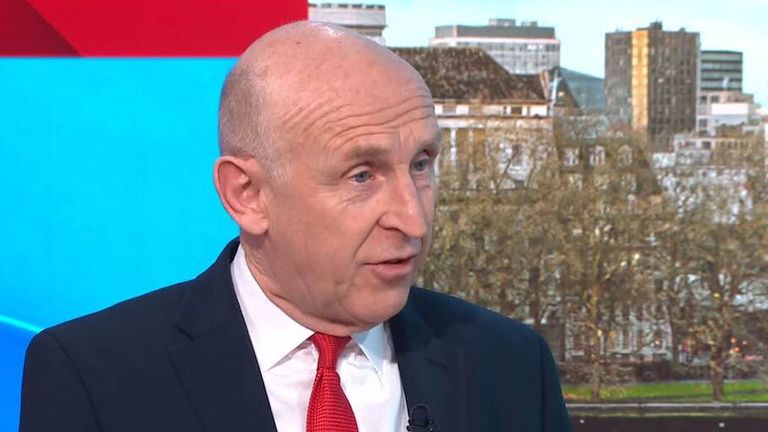
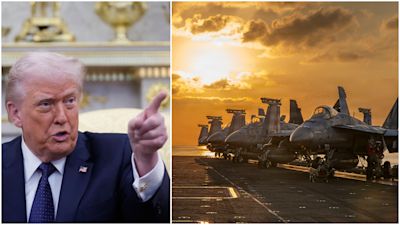
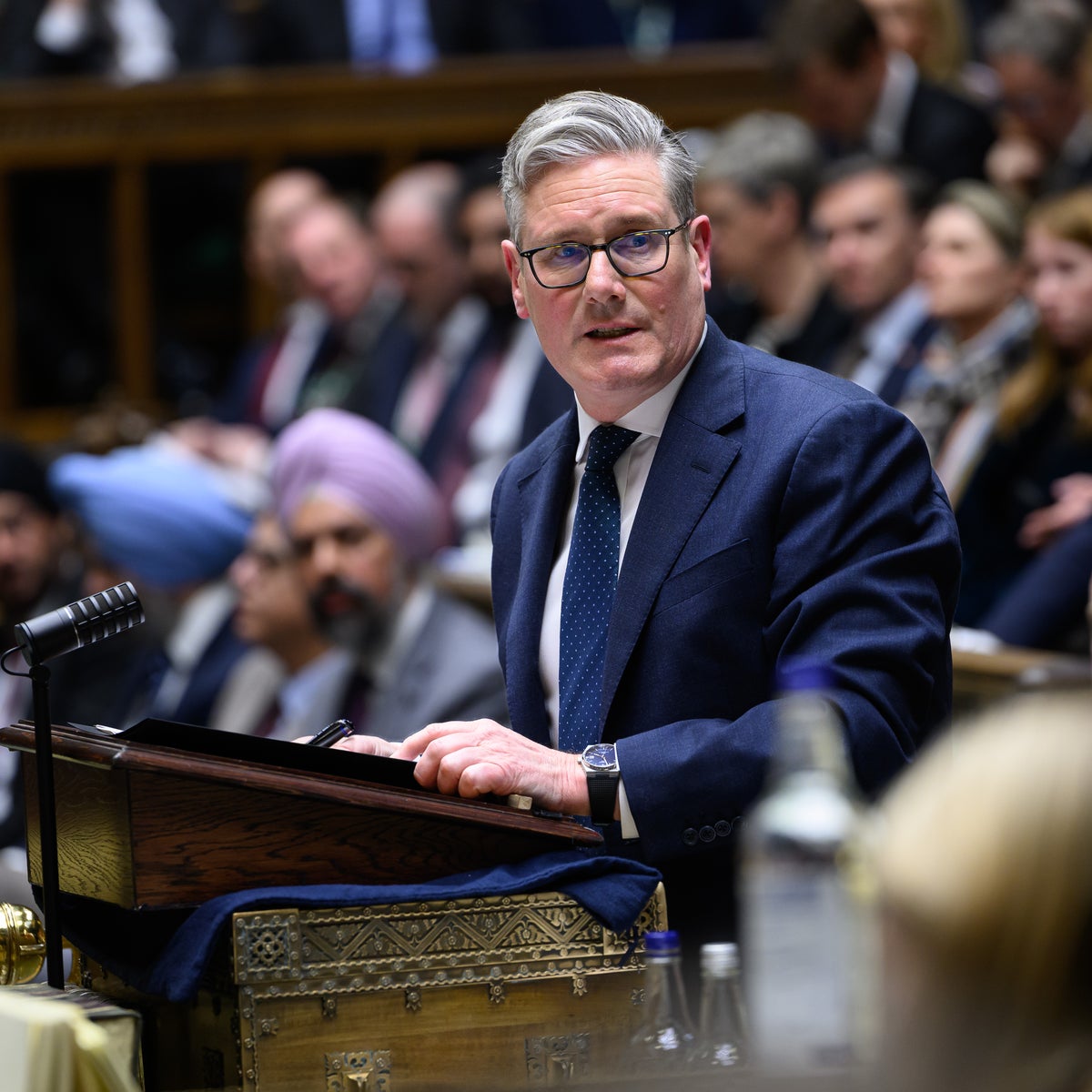
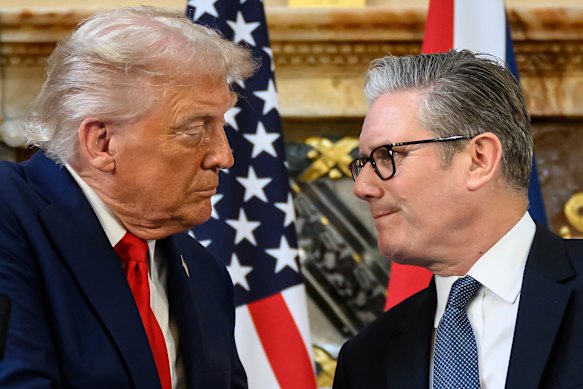
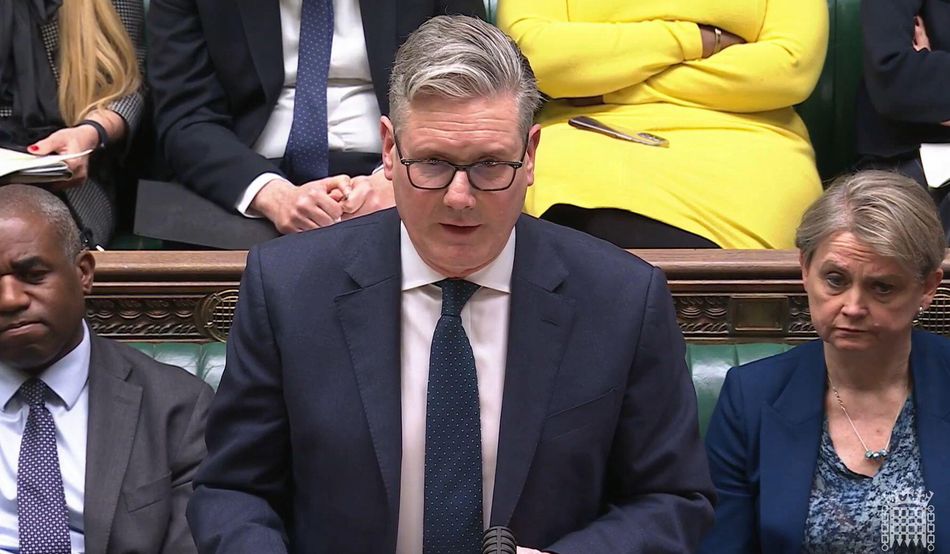
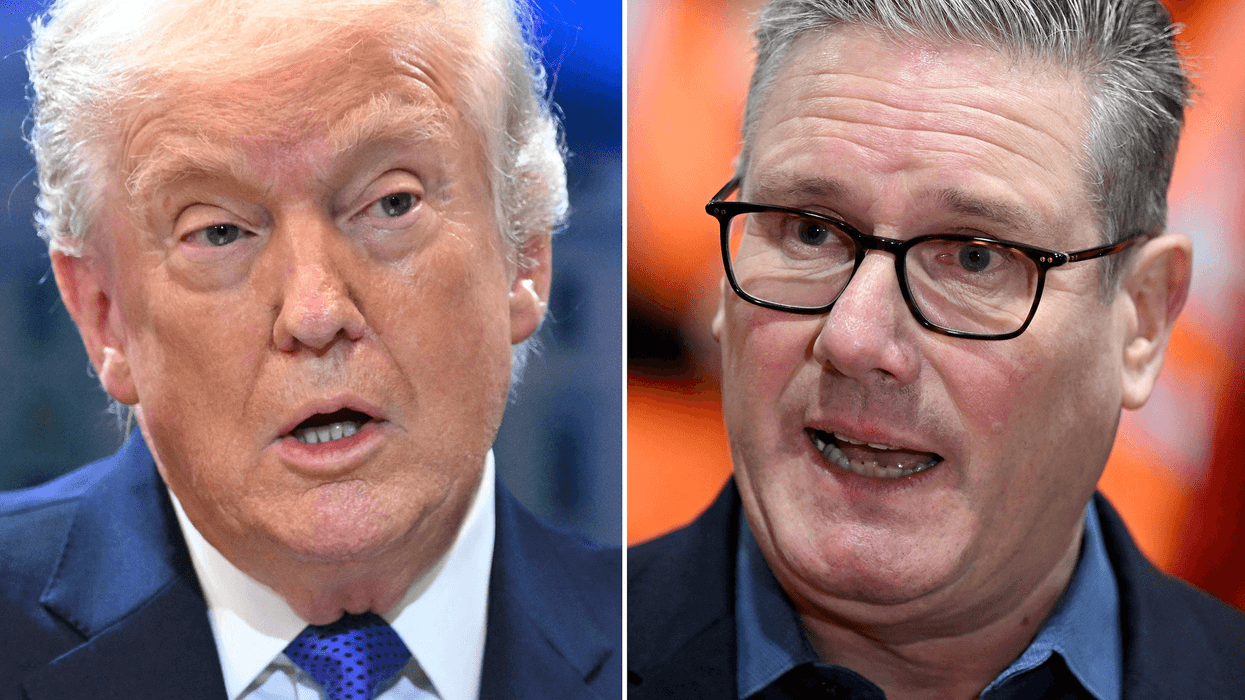
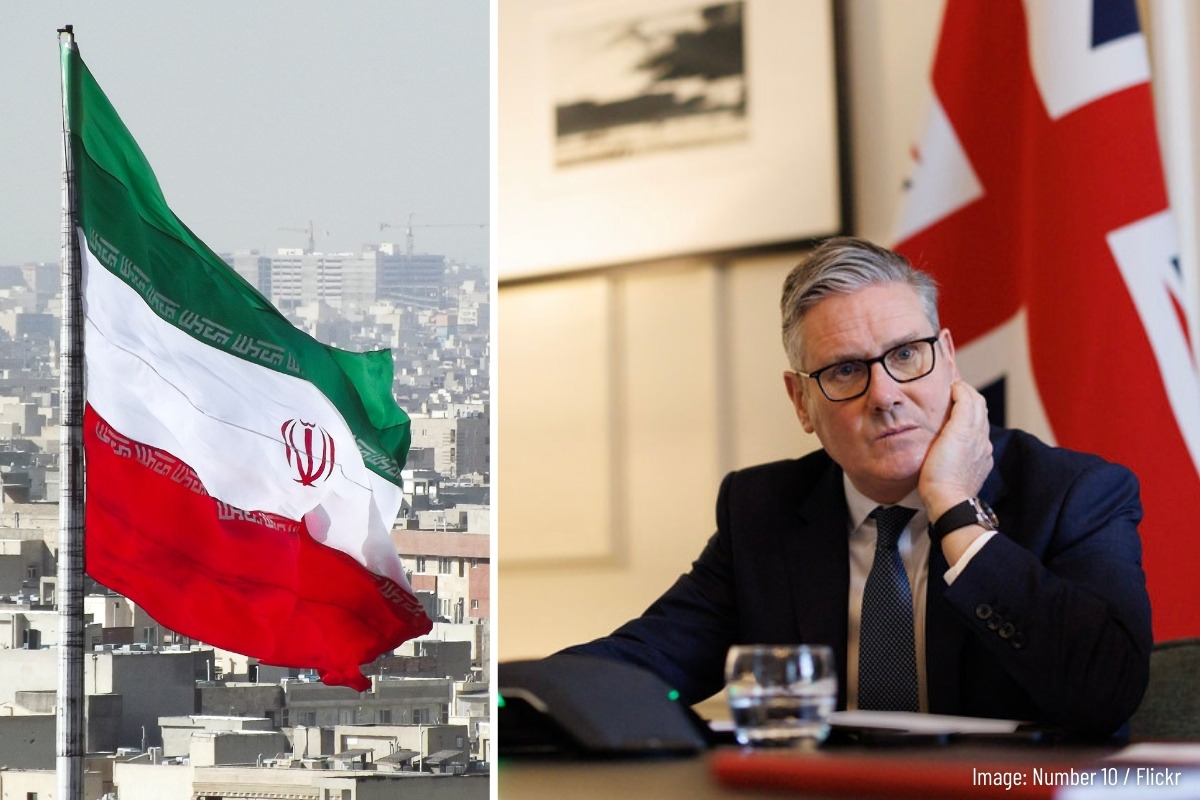
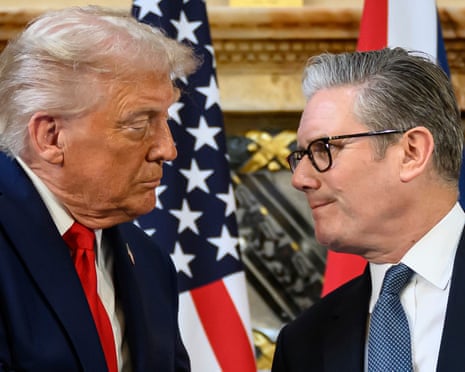
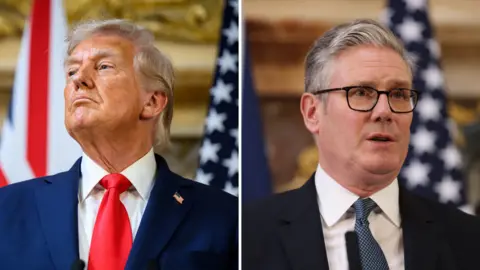
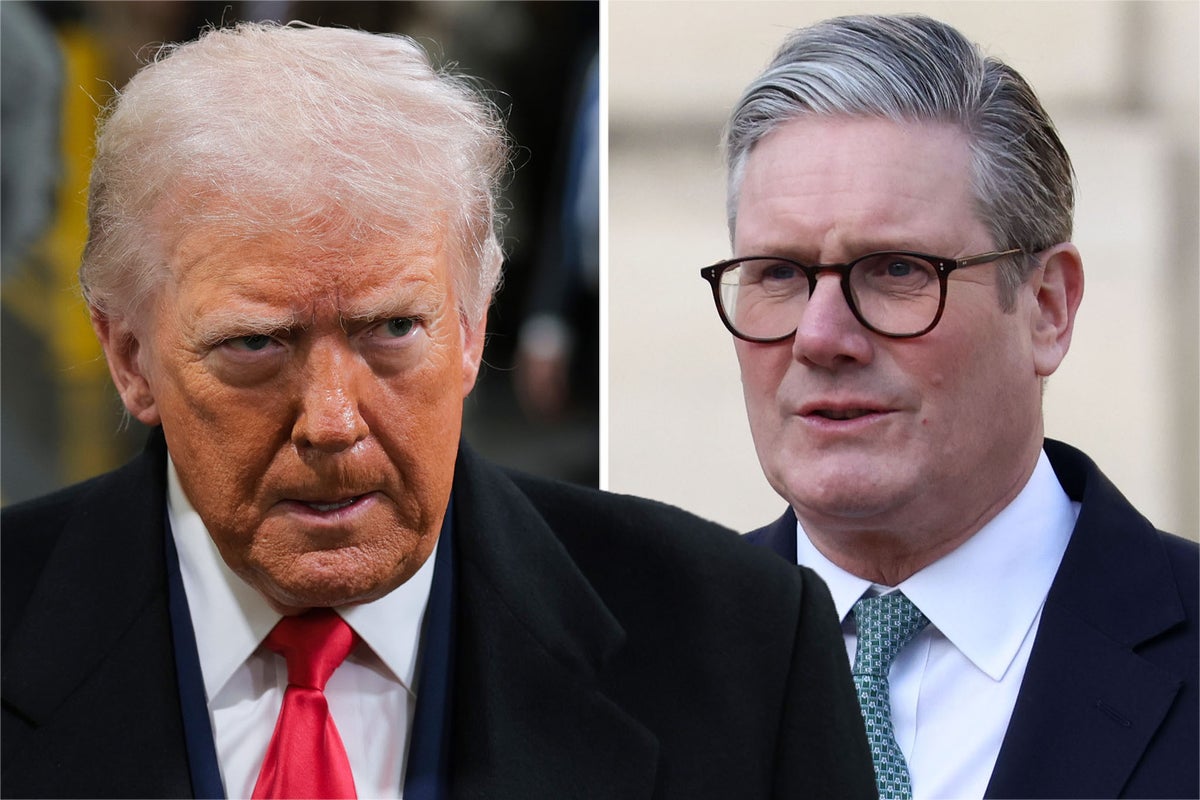
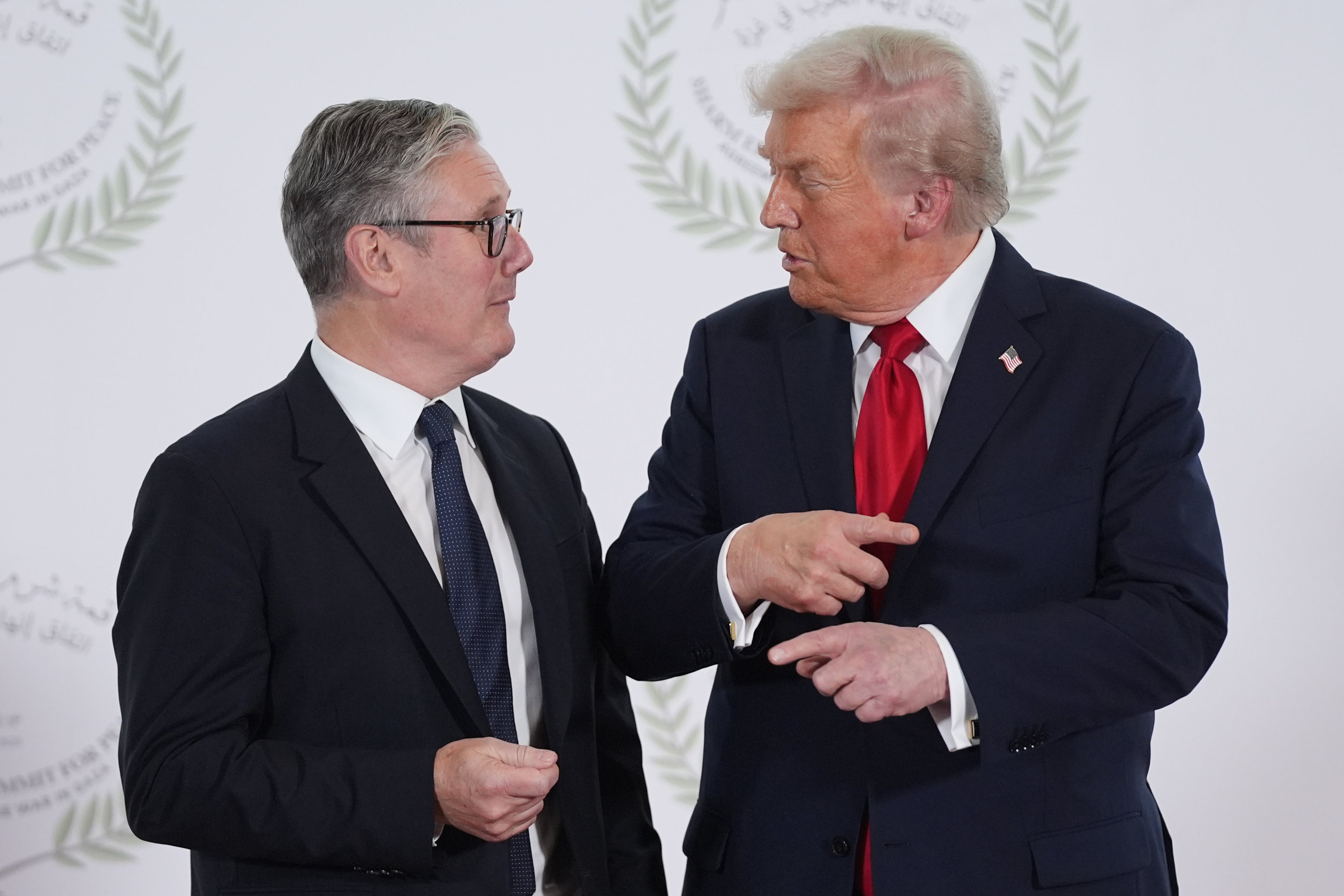
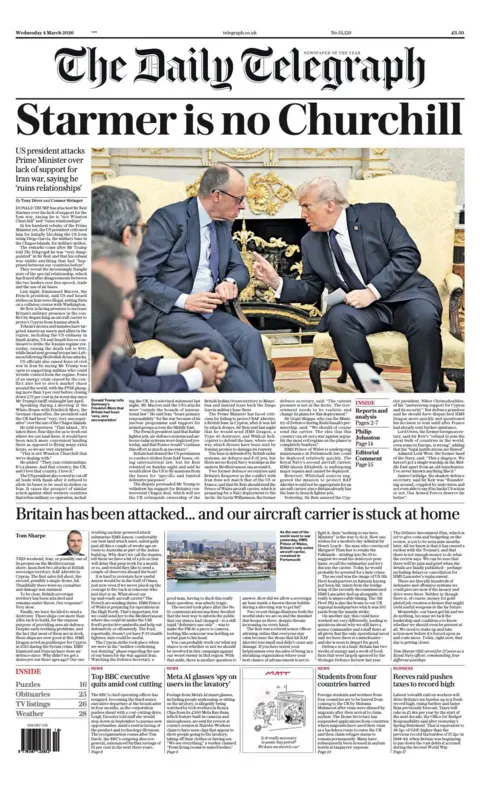
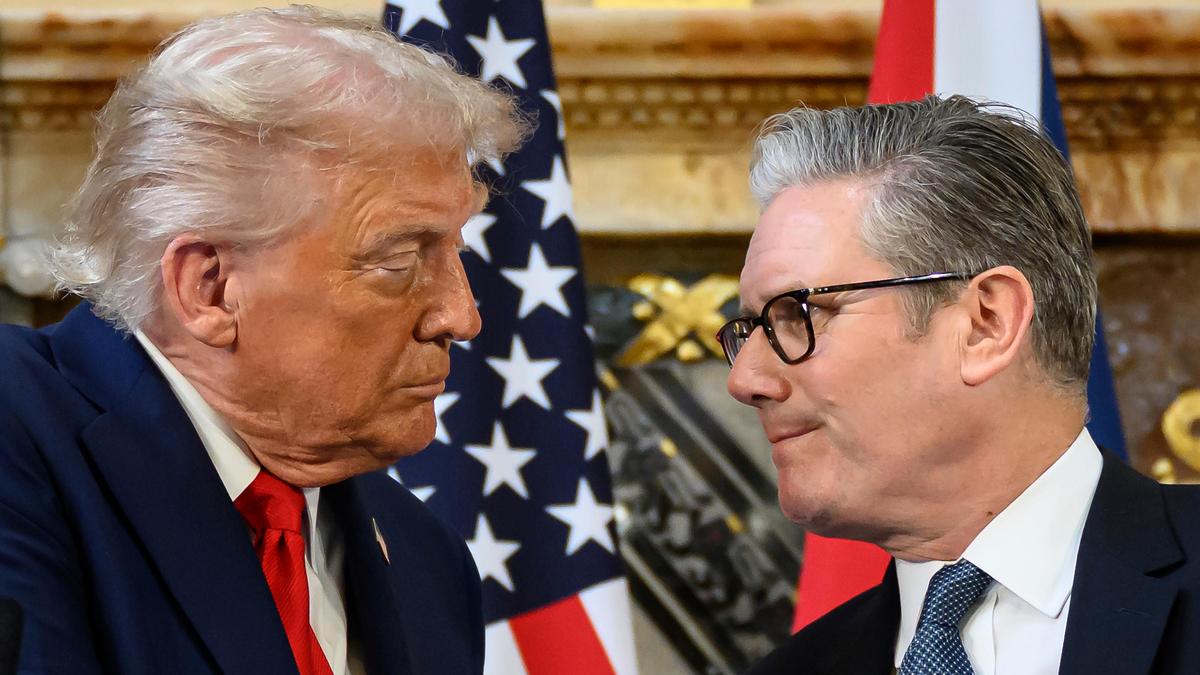
The deterioration of UK-US diplomatic relations over military intervention in Iran represents a critical tariff and trade policy inflection point for cross-border e-commerce sellers. Trump's public criticism of Prime Minister Keir Starmer—comparing him unfavorably to Winston Churchill and expressing frustration over a 3-4 day delay in granting US military base access—has created the "rockiest point in recent UK-US relations" according to BBC analysis. More significantly, Trump has threatened Spain with a "full US embargo" in response to Prime Minister Pedro Sánchez's opposition to US strikes on Iran, signaling willingness to weaponize trade policy against European allies who resist military involvement.
For cross-border sellers, this diplomatic rupture directly impacts tariff structures and customs procedures. The UK-US relationship, historically resilient despite political disagreements (Vietnam War precedent), now faces unprecedented strain with Trump's administration simultaneously pausing the UK-US technology partnership and criticizing the Chagos Islands agreement. The administration shows greater alignment with British conservative parties than Labour, suggesting potential policy shifts depending on UK political dynamics. News 3 explicitly notes that "UK-US trade relationships directly influence tariff structures, customs procedures, and regulatory alignment between the two markets," while News 5 warns that "Trump's embargo threats against Spain signal potential trade disruptions affecting European e-commerce and logistics operations."
The timeline creates urgent compliance windows. Trump's anticipated spring visit for the 250th American independence anniversary (May 2026) may provide relationship repair opportunity, but the symbolic damage from the initial refusal has created lasting friction. Meanwhile, the E3 countries (Germany, France, UK) have adopted cautious military stances, with the UK permitting only "defensive operations" and "specific and limited defensive action against missile facilities" per legal advice. This defensive positioning suggests European leaders will resist further Trump pressure, increasing likelihood of retaliatory trade measures. The Middle East military escalation also poses direct risks to shipping routes—News 5 identifies that "military escalation in the Middle East poses risks to shipping routes and regional stability, directly impacting cross-border commerce."
Specific seller impact categories: (1) UK-US sellers face potential tariff increases on electronics, apparel, and machinery categories if diplomatic tensions translate to trade policy; (2) Spanish sellers face immediate embargo risk on all product categories if Sánchez maintains opposition stance; (3) European logistics operators face shipping route disruptions and insurance cost increases due to Middle East instability; (4) Technology/software sellers face regulatory uncertainty given the paused UK-US technology partnership. The £270 billion UK defense spending increase and £90 billion clean energy investment signal potential procurement opportunities in defense-adjacent and renewable energy product categories, but only if diplomatic relations stabilize.
Questions 8
What compliance risks emerge from the paused UK-US technology partnership?
The Trump administration's decision to pause the UK-US technology partnership signals potential regulatory divergence in data protection, AI governance, and cybersecurity standards. Sellers of software, SaaS products, cloud services, and data-dependent solutions face increased compliance complexity. The UK may adopt EU-aligned regulations (GDPR, AI Act) rather than US standards, creating dual-compliance requirements. This mirrors the post-Brexit regulatory divergence pattern. Sellers should audit current UK-US technology agreements and prepare for potential regulatory changes. Expect 90-180 day implementation windows if new standards are introduced. Consider establishing separate UK and US product versions if regulatory requirements diverge significantly. Monitor UK government technology policy announcements for clarity on future alignment.
How does the E3 countries' cautious military stance affect European trade policy?
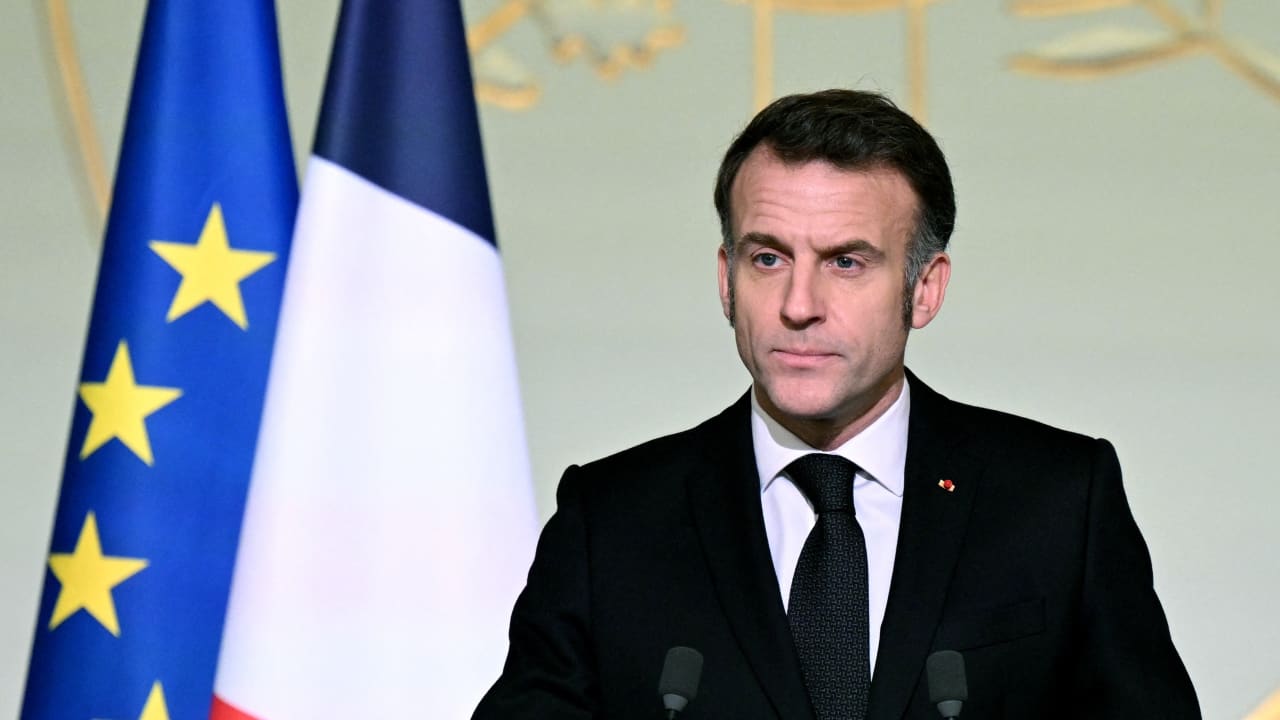
Germany, France, and the UK have adopted defensive-only military positions, with the UK limiting involvement to 'collective self-defense' and 'specific and limited defensive action against missile facilities.' This cautious stance signals European leaders will resist Trump pressure for deeper military involvement, increasing likelihood of retaliatory trade measures. France's President Macron stated US-Israeli strikes were conducted 'outside the framework of international law,' suggesting potential EU-US regulatory divergence. European leaders face domestic political pressure (Iraq War precedent, recent electoral losses) making opposition to Western military intervention politically safer. For sellers, this means European governments may prioritize trade relationships with non-US partners and accelerate EU strategic autonomy initiatives. Expect potential tariff increases on US goods and acceleration of EU-only supply chain strategies. Monitor EU trade policy announcements for shifts toward China, India, or other non-US sourcing.