





China's 15th Five-Year Plan 2026-2030 | Critical Supply Chain & Tariff Shifts for Cross-Border Sellers
- March 2025 Two Sessions unveil tech-first strategy reshaping manufacturing costs, export policies, and US-China trade dynamics affecting 500K+ sellers sourcing from China



)






















Overview
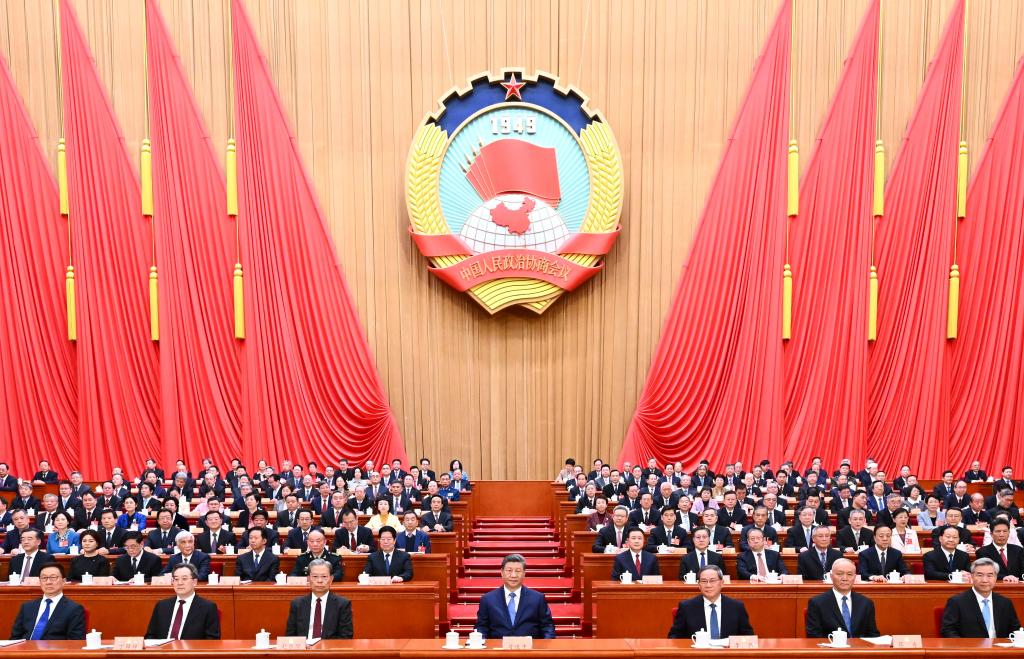
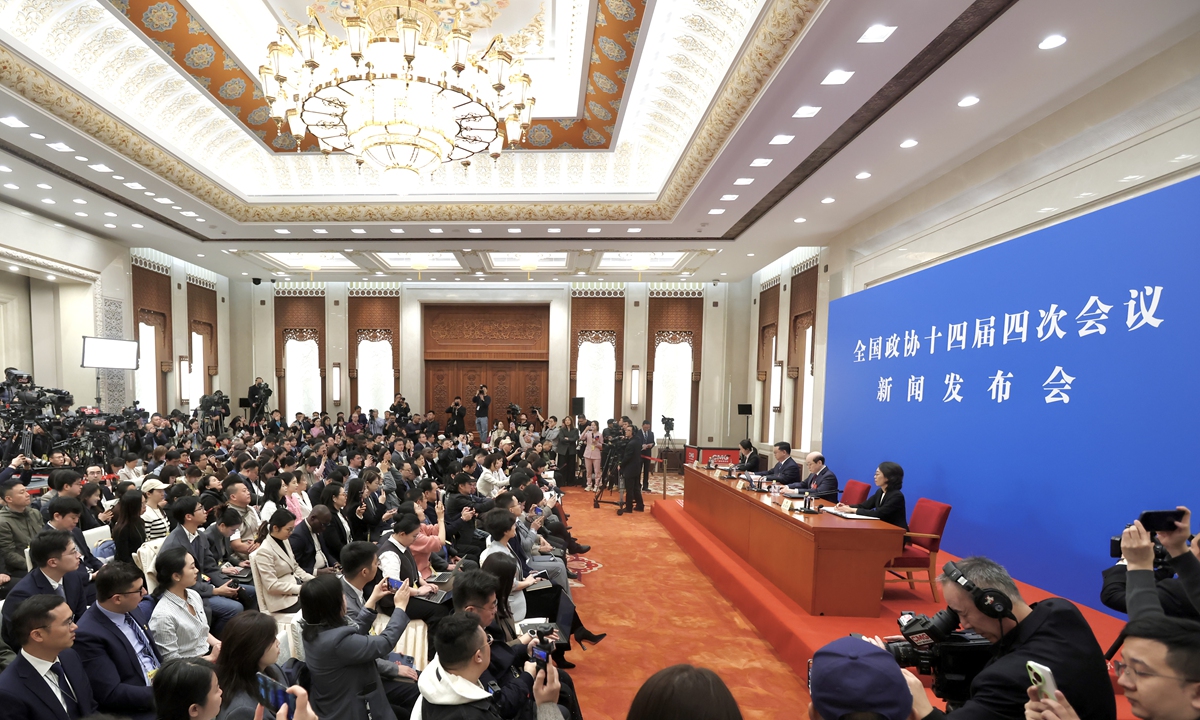
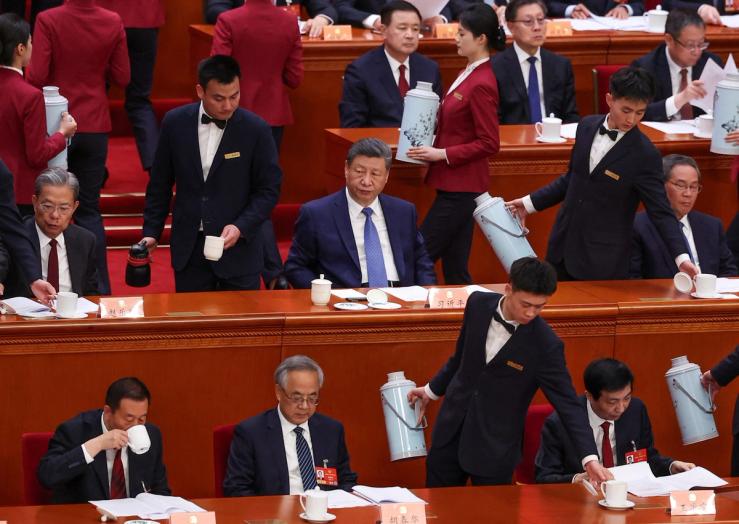
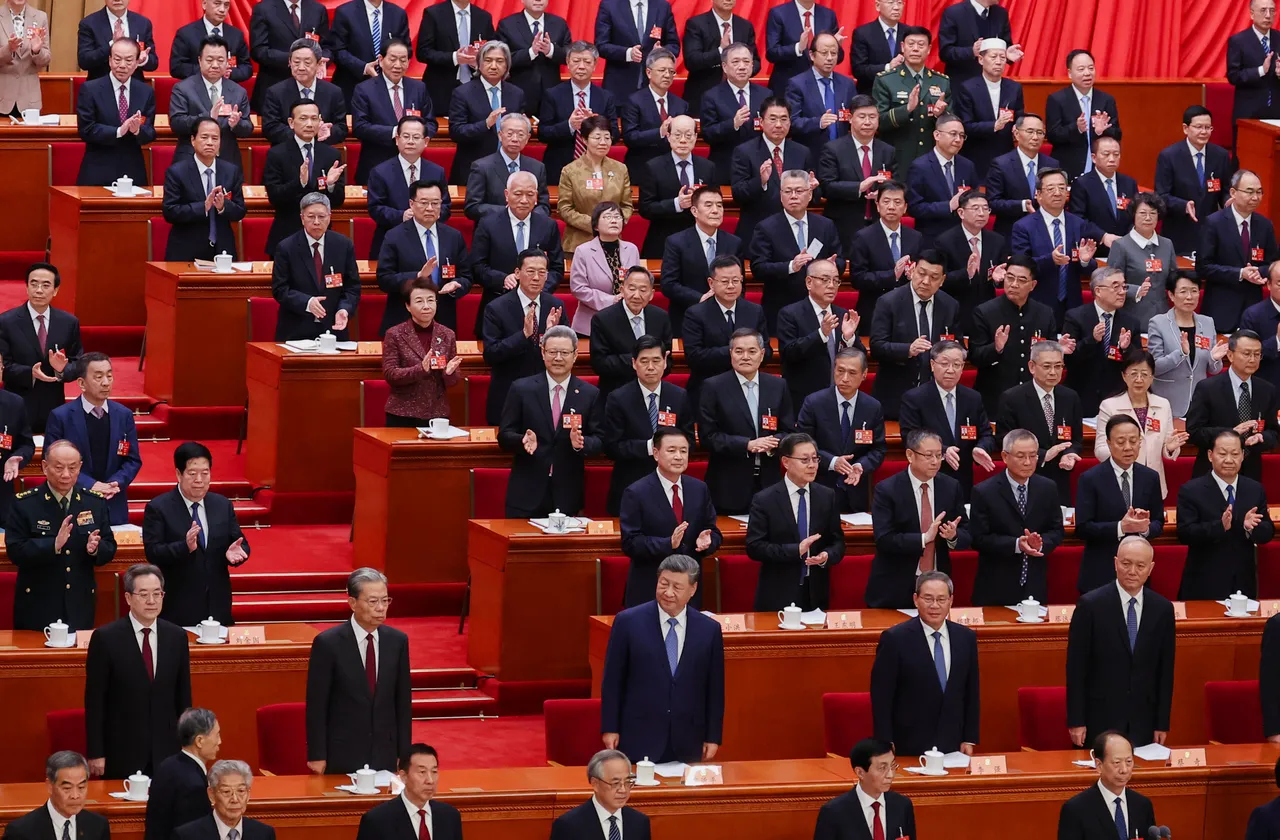
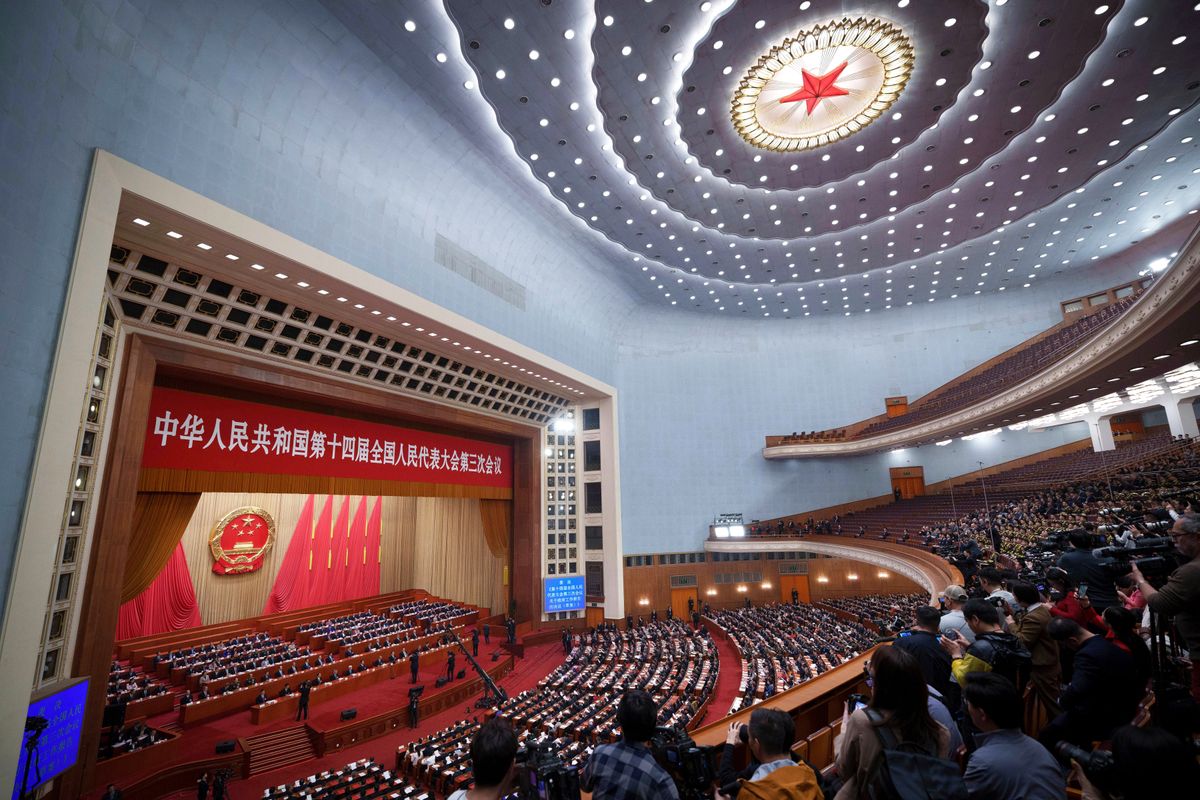
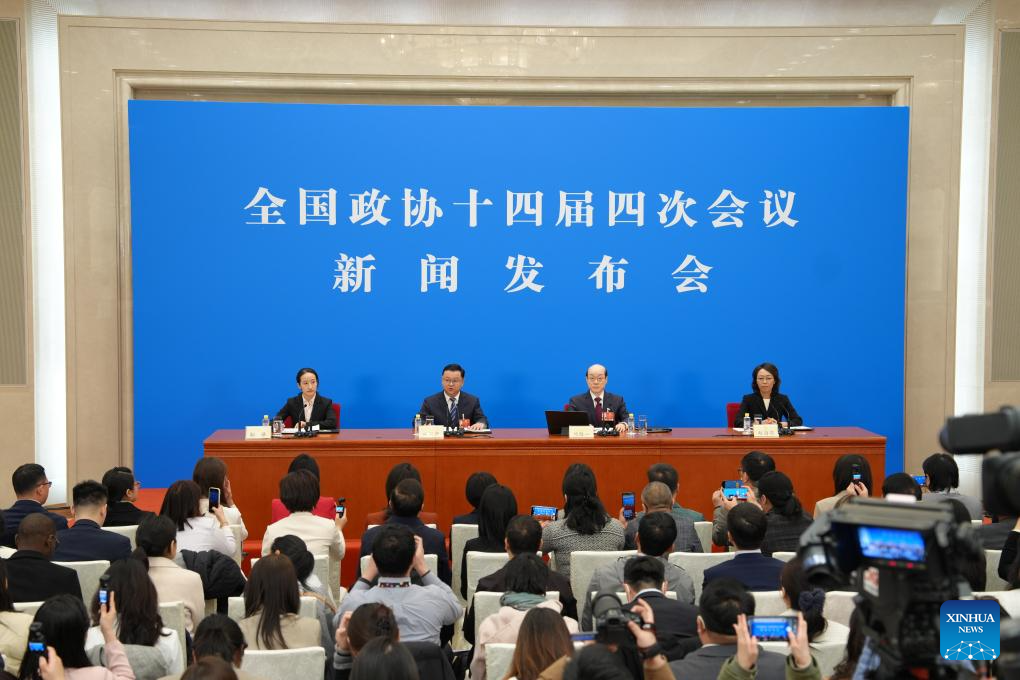
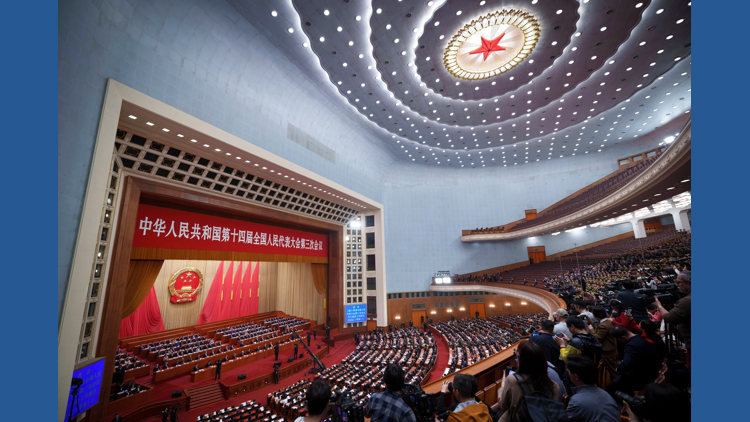
China's March 2025 Two Sessions formally introduced the 15th Five-Year Plan (2026-2030), a comprehensive economic blueprint that fundamentally reshapes cross-border e-commerce supply chains and tariff structures. The plan prioritizes technological self-sufficiency in AI, quantum computing, nuclear fusion, and advanced manufacturing—signaling Beijing's strategic pivot to reduce reliance on Western imports and US technology. This represents a critical inflection point for the estimated 500,000+ cross-border sellers who depend on Chinese manufacturing and suppliers.
Immediate Supply Chain Implications: The plan's emphasis on domestic technology advancement and automation will accelerate manufacturing modernization in China, creating a 12-18 month window where sellers can capitalize on improved production quality and reduced lead times. However, this same push for self-sufficiency directly threatens sellers relying on Western component imports into China—tariff barriers on foreign semiconductors, optical components, and advanced materials will increase sourcing costs by 8-15% for manufacturers producing export goods. Electronics, smart home devices, and robotics categories face the highest exposure.
Trade Friction & Export Policy Risks: The plan explicitly addresses "ongoing trade tensions with the United States," indicating stricter technology export controls are imminent. Sellers in high-tech categories (drones, AI-enabled devices, semiconductor-adjacent products) should expect enhanced customs scrutiny and potential licensing requirements by Q3 2026. The plan's focus on "reducing dependence on Western imports" suggests China will implement preferential tariff treatment for domestically-sourced components, creating cost advantages for manufacturers using Chinese suppliers over foreign alternatives—a structural shift that could increase landed costs for sellers sourcing from non-Chinese suppliers by 5-12%.
Competitive Advantage Shifts: Small and medium-sized sellers (SMEs) sourcing from established Chinese manufacturers will benefit from improved automation and quality control, potentially reducing defect rates by 10-20% and shortening production cycles from 45-60 days to 30-40 days. However, large sellers with diversified supply chains spanning Vietnam, India, and Indonesia will gain competitive advantage as they avoid China-specific tariff increases and export restrictions. The plan's domestic demand stimulation focus also signals reduced export incentives—expect Chinese manufacturers to prioritize domestic orders, potentially increasing lead times and minimum order quantities (MOQs) for foreign buyers by 15-25% starting Q2 2026.
Tariff Arbitrage Opportunities: The plan's technology-first approach creates specific tariff arbitrage windows: (1) AI/automation components manufactured in China will see tariff reductions domestically, making Chinese-made smart devices 3-7% cheaper to produce; (2) Electric vehicle components and batteries will receive preferential treatment, benefiting sellers in automotive accessories and EV-related categories; (3) Semiconductors and advanced materials will face higher import tariffs, creating opportunities for sellers to source alternative components from Vietnam, Taiwan, or South Korea at competitive rates. Sellers should monitor HS code-specific tariff announcements throughout 2026, as implementation details will determine margin impacts by category.
Questions 7
What are the lead time implications for sellers sourcing from China in 2026?
Lead times will bifurcate: automation-focused manufacturers will reduce production cycles from 45-60 days to 30-40 days, benefiting sellers in standard categories. However, export-restricted items will face 15-25% longer customs clearance due to enhanced licensing requirements, extending total lead times from 60-75 days to 75-95 days. The plan's domestic demand stimulation will also increase Chinese manufacturers' minimum order quantities (MOQs) by 15-25% as they prioritize domestic orders. Sellers should increase safety stock by 20-30% for high-tech categories and negotiate MOQ reductions before Q2 2026 to avoid supply disruptions.
How does the plan's focus on domestic demand affect export incentives for Chinese manufacturers?
The plan explicitly emphasizes 'domestic demand stimulation,' signaling reduced export incentives and potential export tax increases for non-priority sectors. Chinese manufacturers will prioritize domestic orders, reducing availability for foreign buyers and increasing lead times by 15-25% starting Q2 2026. Export rebates and tax incentives will likely shift toward high-tech sectors (AI, semiconductors) while declining for standard categories. Sellers in commodity electronics and basic manufacturing should expect 10-15% price increases and longer negotiation cycles. Conversely, sellers in AI-enabled and advanced technology categories may access preferential export pricing as manufacturers compete for foreign market share in priority sectors.