





Middle East Supply Chain Disruption | Sellers Face 15-25% Shipping Cost Increases
- Strait of Hormuz blockade halts 20% of global oil transit; sellers rerouting shipments face 3-6 week delays and $200-500 per container premium costs
























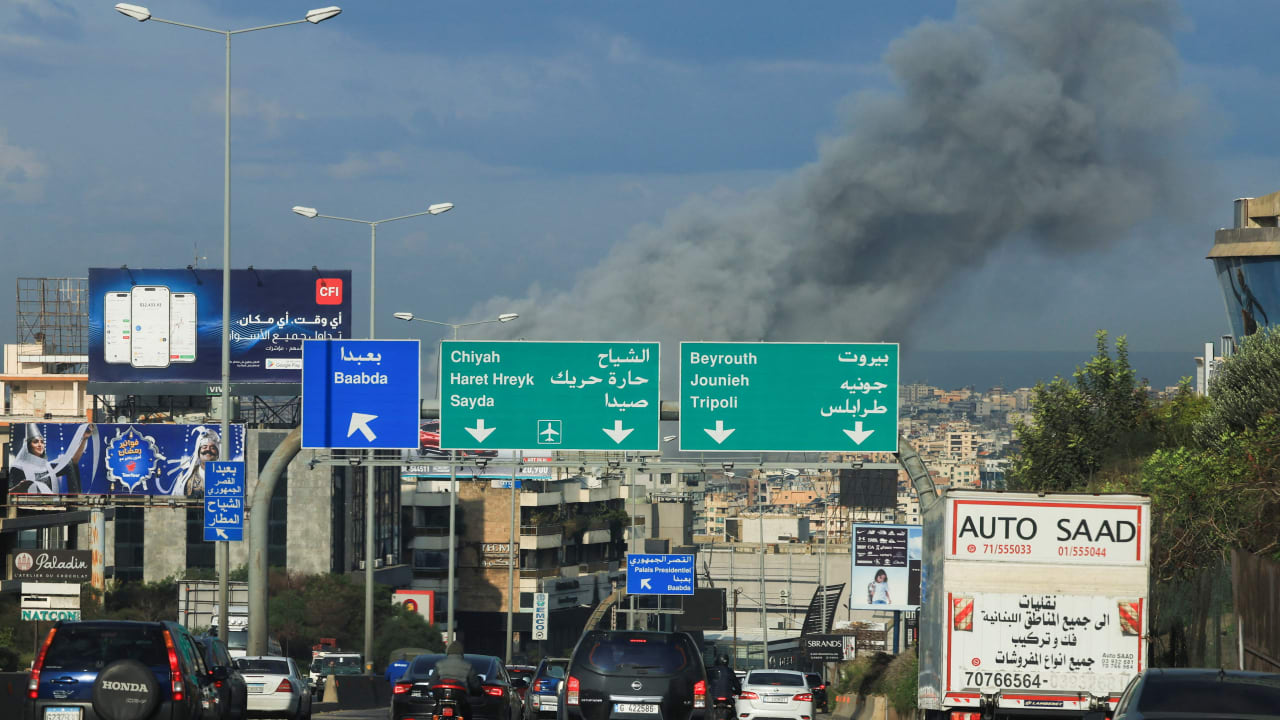
Overview
The death of Iran's Supreme Leader Ayatollah Ali Khamenei and escalating military conflict between Iran and Israel (March 1-4, 2026) has created a critical supply chain crisis affecting cross-border e-commerce sellers globally. The Strait of Hormuz, through which approximately 20% of global oil transits, has experienced near-complete stoppage of tanker traffic due to attack concerns and military operations. The U.S. State Department has authorized evacuation of non-essential personnel from Saudi Arabia and Oman, with travel advisories elevated to Level 3 for Oman, signaling sustained regional instability.
Direct Seller Impact on Logistics: Sellers relying on Persian Gulf shipping routes face immediate operational challenges. The conflict has disrupted traditional maritime corridors, forcing 3PL providers and freight forwarders to reroute shipments through longer, more expensive alternatives (Red Sea detours, alternative Middle Eastern ports, or air freight). Industry estimates suggest 15-25% increases in shipping costs for goods transiting the region, with 3-6 week delivery delays becoming standard. Sellers shipping electronics, textiles, machinery, and consumer goods from Asia to Europe or North America via Gulf ports must now budget additional $200-500 per 20-foot container for rerouting fees. The conflict has resulted in 787 deaths according to Iran's Red Crescent Society, with military operations showing no signs of immediate cessation, indicating prolonged supply chain disruption.
Affected Seller Segments: Small-to-medium sellers (SMBs) with thin margins face the greatest pressure, as they lack negotiating power with freight forwarders and cannot absorb cost increases. Sellers with warehouses or operations in Iran, Saudi Arabia, or other affected countries face additional operational challenges including potential inventory access restrictions and payment processing delays. Large sellers with diversified logistics networks can absorb costs but must adjust pricing strategies to maintain margins. Amazon FBA sellers shipping inventory to Middle Eastern fulfillment centers face extended lead times and potential stockouts. eBay and Shopify sellers relying on drop-shipping from Asian suppliers must communicate revised delivery timelines to customers or face increased return rates and negative feedback.
Strategic Implications: The geopolitical situation may persist for months depending on conflict duration and regional stability restoration. Sellers should immediately audit their supply chain dependencies on Gulf region routes and consider alternative sourcing strategies, including nearshoring to Mexico/Central America for North American markets or increasing European supplier relationships for EU-based operations. Currency volatility in affected regions (Iranian rial, Saudi riyal) may also impact payment processing and supplier negotiations. The situation creates opportunities for sellers offering expedited shipping alternatives or domestic sourcing to capitalize on customer demand for faster, more predictable delivery.
Questions 7
Should I adjust my product pricing on Amazon, eBay, or Shopify due to shipping disruptions?
Yes, immediate pricing adjustments are recommended for sellers with significant exposure to affected routes. Calculate your new landed costs including rerouting premiums and adjust product prices by 8-15% to maintain margins, or absorb costs strategically on high-volume SKUs to maintain competitiveness. Amazon FBA sellers should update their fulfillment costs in Seller Central to reflect new inbound shipping expenses. Shopify and eBay sellers should communicate revised delivery timelines transparently to customers—delays of 3-6 weeks are now standard for Asia-sourced inventory. Consider offering expedited shipping options at premium prices to capture customers willing to pay for faster delivery.
What alternative sourcing strategies should I implement to reduce Middle East supply chain risk?
Diversify your supplier base away from Asia-to-Middle East-to-Global routes. For North American sellers, consider nearshoring to Mexico or Central America, which reduces shipping time to 1-2 weeks and avoids Gulf region disruptions. For EU-based sellers, develop relationships with European suppliers or manufacturers in Turkey and Eastern Europe. Evaluate domestic sourcing options even at slightly higher unit costs—the premium may be offset by reduced shipping costs and faster inventory turnover. Conduct a supply chain audit within 30 days to identify which SKUs are most vulnerable to Gulf route disruptions and prioritize alternative sourcing for top 20% revenue-generating products.