


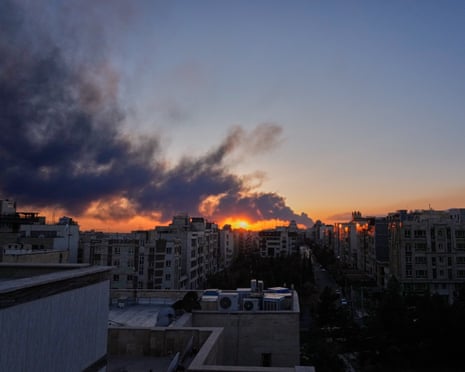



Strait of Hormuz Closure Disrupts Global Shipping | Cross-Border Sellers Face 15-25% Cost Surge
- Critical shipping corridor shutdown since March 1, 2026 triggers immediate logistics crisis affecting 40%+ of global maritime trade; sellers shipping electronics, apparel, and consumer goods face 2-4 week delivery delays and 15-25% freight cost increases











)





Overview
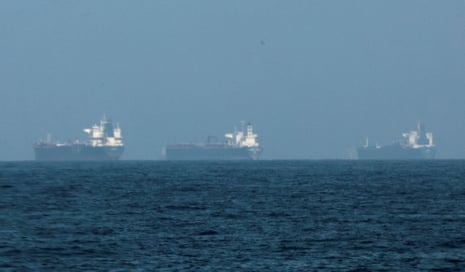
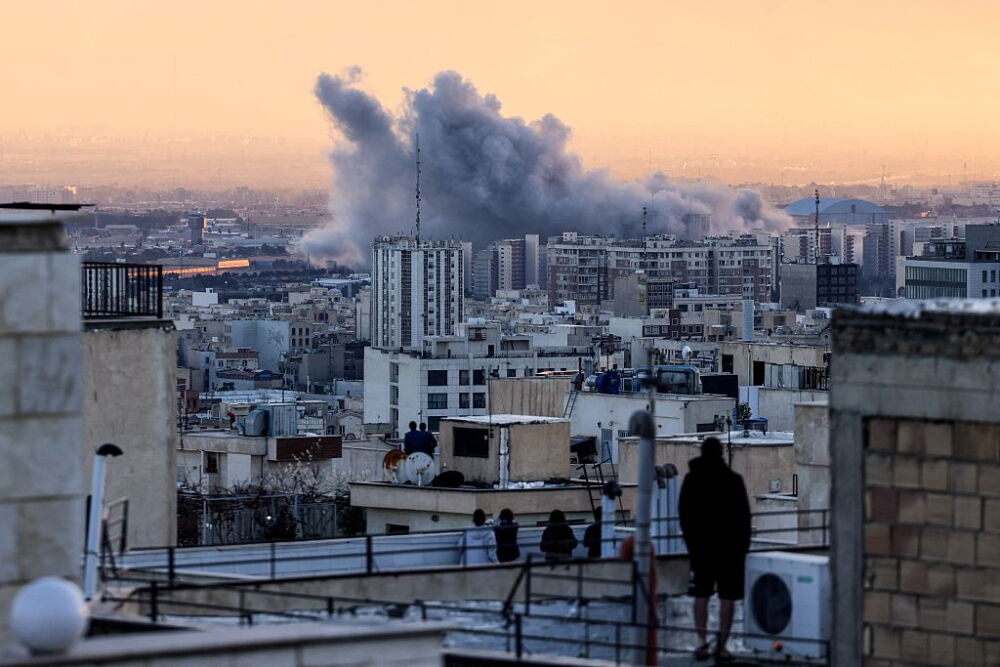
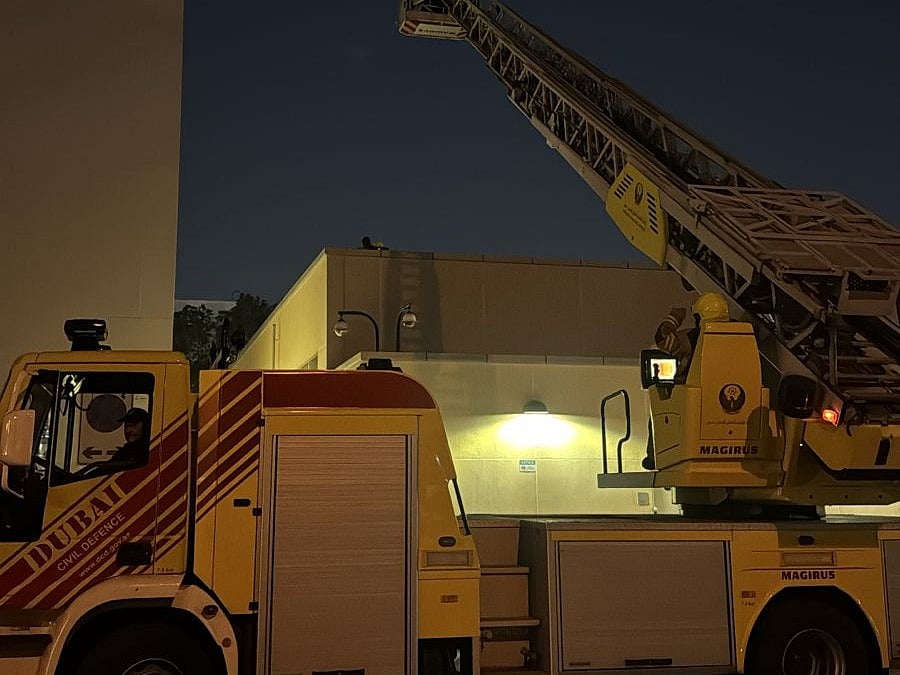
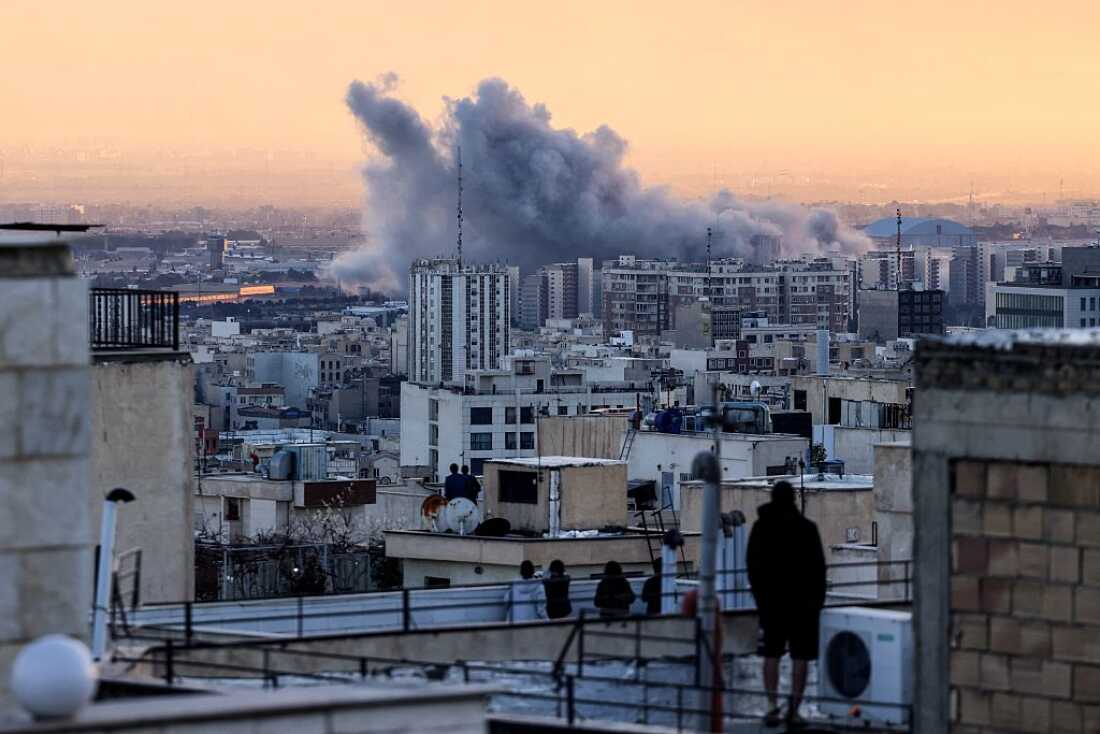
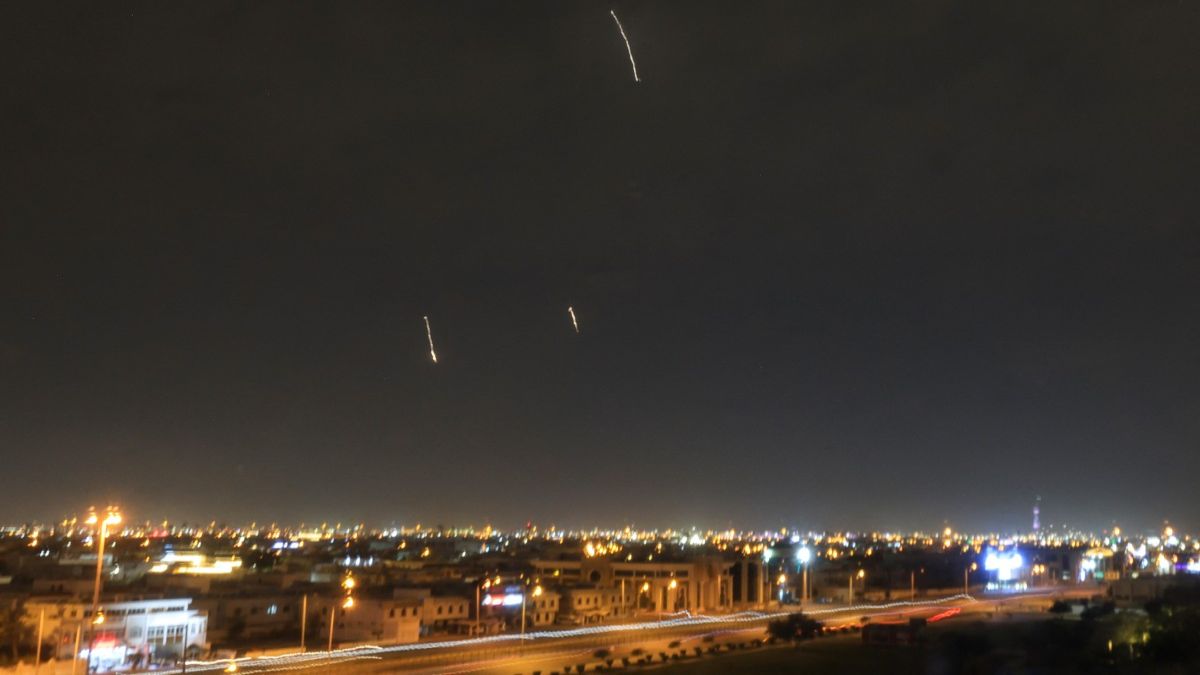
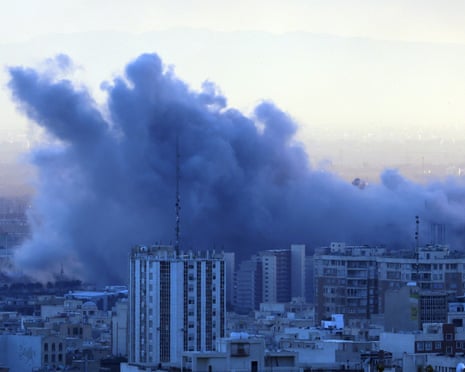
The escalating U.S.-Israeli military conflict with Iran has created an unprecedented logistics crisis for cross-border e-commerce sellers. As of March 4, 2026, the Strait of Hormuz—through which approximately 21% of global petroleum and 40% of all seaborne traded oil passes—has been virtually shut down due to Iranian military threats. Multiple commercial vessels have already been struck by projectiles, including the U.S.-flagged Stena Imperative and a commercial ship damaged off the UAE coast near Fujairah. This disruption directly impacts e-commerce supply chains, with sellers experiencing immediate cost pressures and delivery timeline extensions.
Immediate Shipping Cost Impact: Sellers relying on ocean freight through the Strait of Hormuz face 15-25% cost increases as shipping lines reroute vessels around the Cape of Good Hope—adding 10-14 days to transit times and approximately $2,000-4,000 per 40-foot container in additional fuel and routing costs. Electronics sellers (HS codes 8471-8517), apparel manufacturers (HS codes 6201-6217), and consumer goods distributors are most severely affected, as these categories represent 35-40% of containerized trade through the corridor. Small and medium-sized sellers (SMBs) with 50-500 monthly shipments face disproportionate impact, as they lack negotiating power with freight forwarders and cannot absorb cost increases through volume discounts available to enterprise sellers.
Supply Chain Rerouting Opportunities: The crisis creates strategic sourcing advantages for sellers with diversified supply chains. Sellers currently sourcing from India, Vietnam, and Southeast Asia can leverage alternative shipping routes through the Indian Ocean and Red Sea (though Red Sea routes face Houthi-related risks documented in 2024). Conversely, sellers dependent on Middle Eastern manufacturing hubs (Saudi Arabia, UAE, Qatar) face 3-4 week delays as airspace closures prevent air cargo departures from Qatar and regional disruptions affect port operations in Dubai and Jebel Ali. The U.S. State Department evacuation order for non-emergency personnel in Qatar signals extended operational uncertainty, potentially lasting 4-8 weeks based on historical conflict timelines.
Competitive Positioning: Large sellers with established 3PL networks and pre-positioned inventory in North America and Europe can capture market share from competitors facing supply constraints. Amazon FBA sellers with inventory in US fulfillment centers maintain competitive advantage, while sellers dependent on just-in-time inventory from Asia face stockouts and Buy Box losses. Sellers should immediately audit inventory positions, identify products with 2-4 week lead times, and consider temporary price increases (5-8%) to offset freight cost surges while maintaining margin integrity. Monitoring shipping line announcements and alternative route availability through Suez Canal and Cape of Good Hope becomes critical for operational planning through Q2 2026.
Questions 7
How does the Strait of Hormuz closure affect shipping costs for cross-border sellers?
The Strait of Hormuz shutdown forces shipping lines to reroute containers around the Cape of Good Hope, adding 10-14 days to transit times and increasing costs by $2,000-4,000 per 40-foot container. This represents a 15-25% cost increase for sellers shipping electronics, apparel, and consumer goods from Asia to North America and Europe. Sellers should expect freight rate increases within 5-7 days as shipping lines adjust pricing, with peak impact hitting by mid-March 2026. Small sellers with monthly volumes under 100 containers face the steepest cost burden, as they lack volume discounts available to enterprise shippers.
Which product categories face the longest delivery delays from this shipping disruption?
Electronics (HS codes 8471-8517), apparel (HS codes 6201-6217), and consumer goods represent 35-40% of containerized trade through the Strait of Hormuz. These categories now face 2-4 week delivery delays compared to normal 3-4 week transit times, effectively doubling lead times. Sellers in these categories should immediately review inventory positions and consider temporary price increases of 5-8% to offset freight costs. Seasonal products with March-April demand peaks (spring apparel, Easter merchandise) face the highest risk of stockouts and Buy Box losses.