




China Manufacturing PMI Falls to 49.0 | Critical Supply Chain Disruption for Cross-Border Sellers
- Manufacturing contraction for 2 consecutive months signals Q1 2026 supply delays; sellers face 15-25% lead time extensions and potential 8-12% cost increases from Chinese suppliers






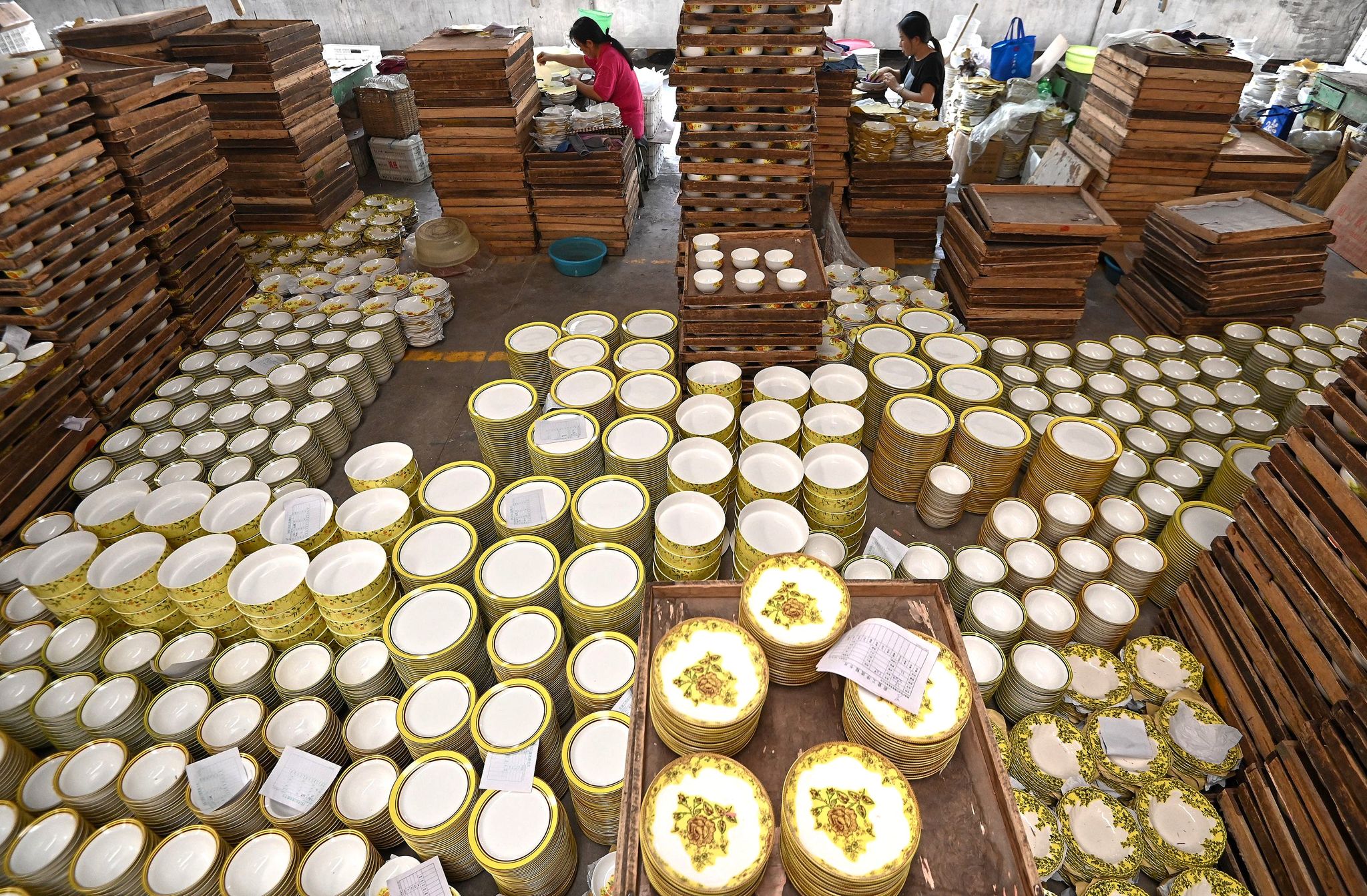











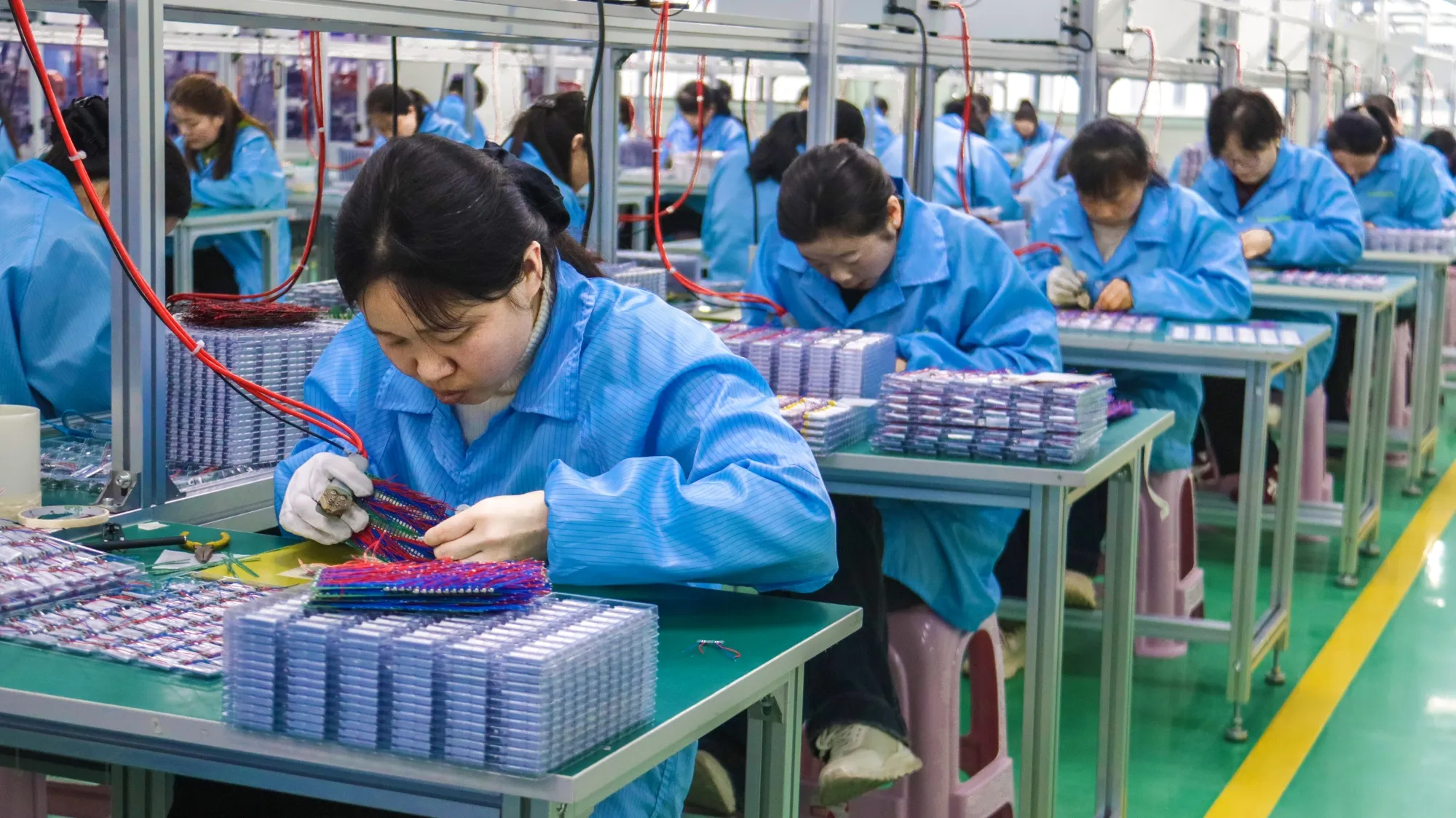
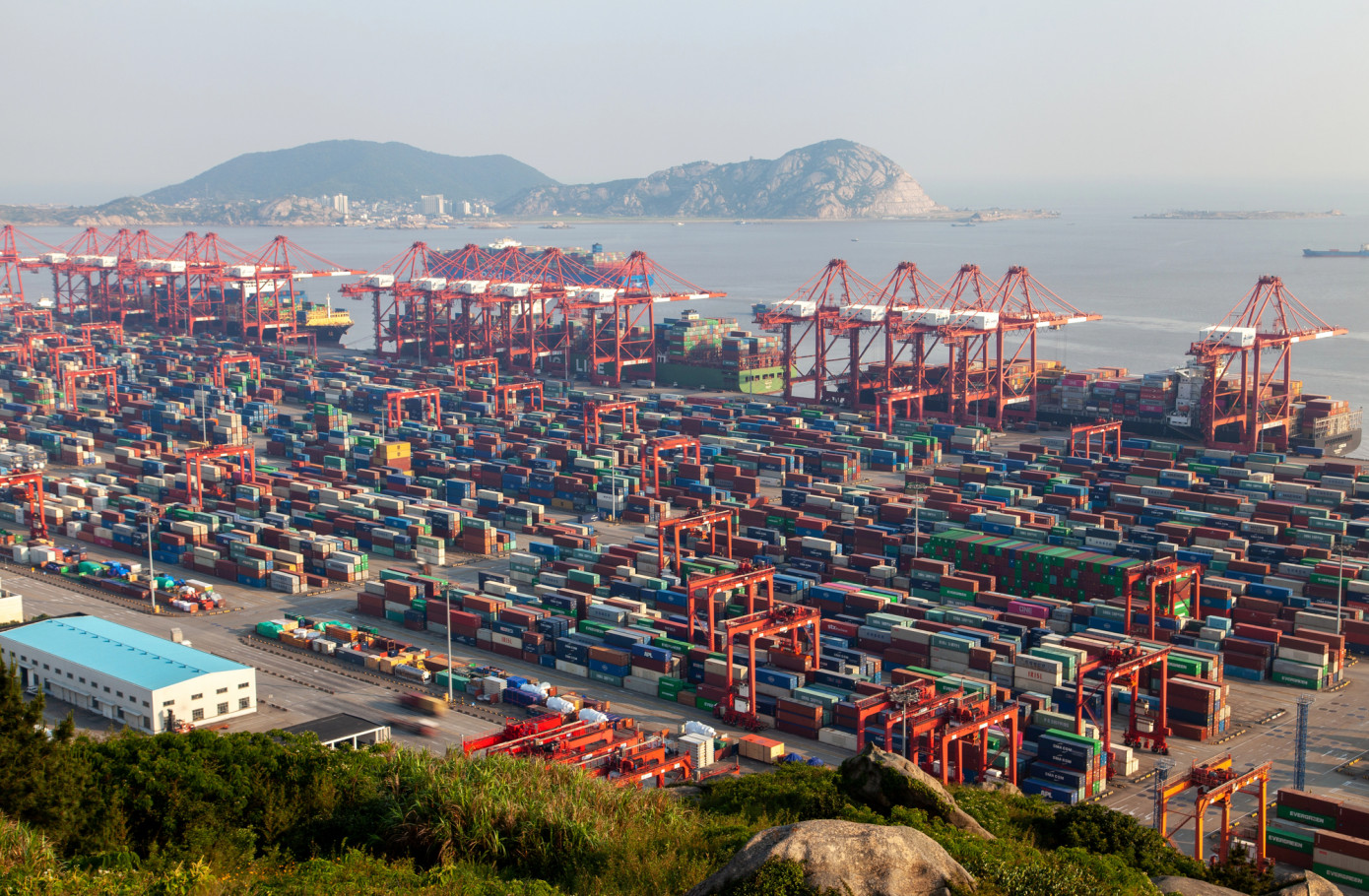












)




Overview
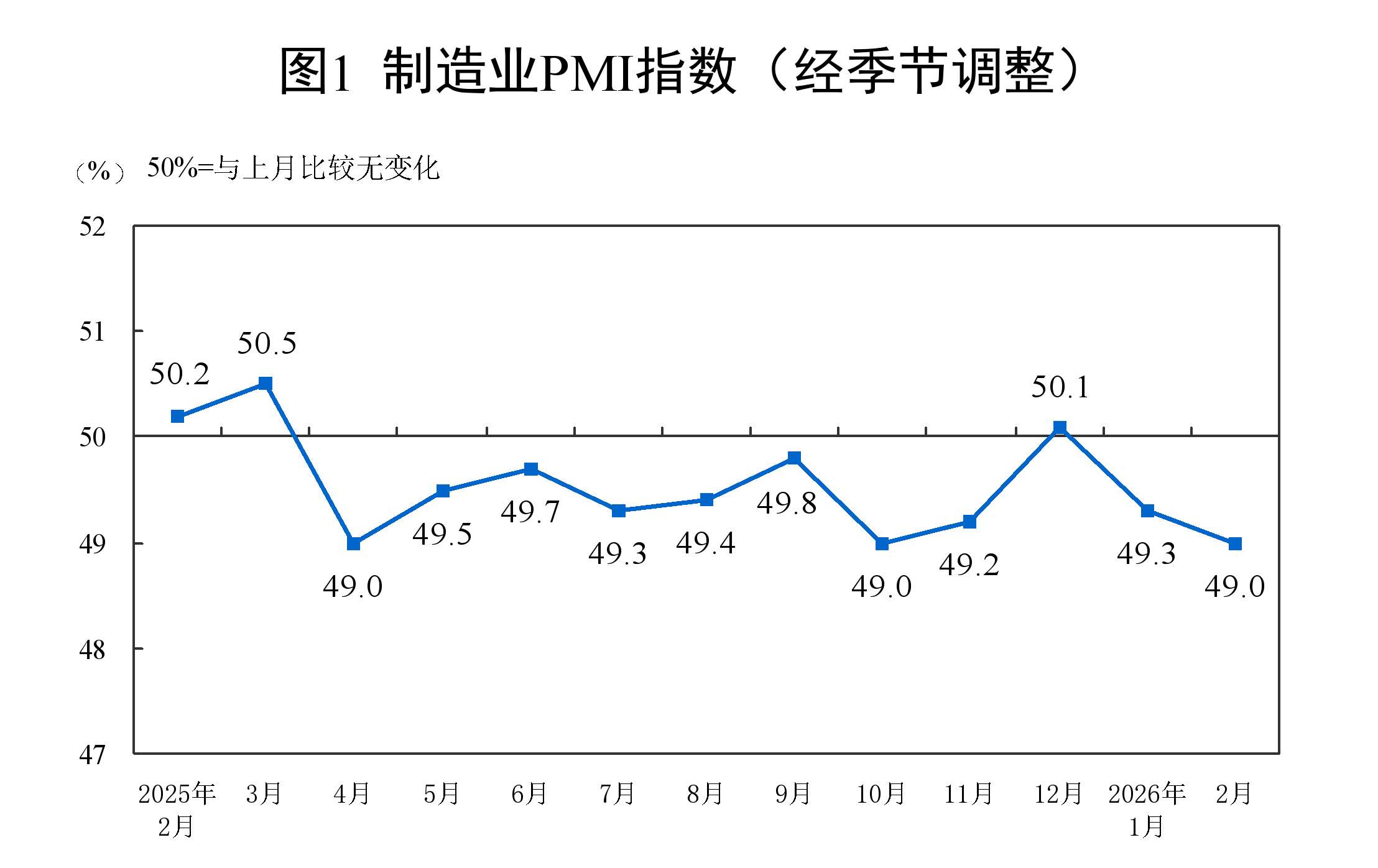
China's manufacturing sector contracted sharply in February 2026, with the official PMI falling to 49.0 from 49.3 in January—marking the lowest reading in four months and falling below economist forecasts of 49.2. This represents the second consecutive month of contraction (below the 50-point expansion threshold), signaling persistent economic weakness rather than temporary seasonal disruption. The National Bureau of Statistics released this data on March 4, 2026, during China's extended Lunar New Year holiday period, which the news describes as the "longest-ever celebration" and significantly disrupted manufacturing operations, workforce availability, and supply chain continuity across industrial sectors.
For cross-border e-commerce sellers sourcing from China, this contraction creates immediate operational and financial pressures. Manufacturing contractions directly reduce production capacity and increase lead times for goods destined for Amazon, eBay, and Shopify platforms. Sellers relying on Chinese suppliers should anticipate delayed shipments (15-25% longer lead times), reduced production flexibility, and potential cost pressures as factories operate below capacity. The extended holiday period compounds these challenges by extending production disruptions beyond typical seasonal patterns. Electronics, consumer goods, and apparel sellers—categories heavily dependent on Chinese manufacturing—face the most acute supply chain risks. Additionally, weak manufacturing activity indicates reduced competition among suppliers, potentially affecting pricing leverage for bulk orders, though some sellers may negotiate better terms with suppliers facing reduced demand.
The PMI contraction signals potential weakness in Chinese export competitiveness and pricing power, creating a dual opportunity-risk scenario. Sellers should monitor whether Chinese manufacturers offer more favorable pricing due to excess capacity while simultaneously assessing supply chain risks. This economic slowdown may impact the availability of raw materials and components, affecting production timelines for finished goods. Historically, China's manufacturing PMI serves as a leading indicator for global trade flows and supply chain health; previous contractions have preceded periods of supply chain stress and inventory adjustments among international retailers. The current reading suggests potential supply tightening or delays throughout Q1 2026, requiring sellers to reassess inventory planning and supplier diversification strategies immediately.
The broader economic context intensifies these challenges. China faces structural headwinds including weak domestic demand, reduced export orders, property sector slump, and geopolitical trade tensions. The mixed PMI data—with manufacturing contracting at 49.0 while nonmanufacturing services edged upward to 49.5—underscores uneven economic recovery. Market participants are monitoring China's Two Sessions (annual policy meetings) for potential government stimulus announcements, which could include monetary easing, fiscal support, or targeted industry assistance. Such stimulus measures might stabilize manufacturing activity and restore consumer confidence, potentially benefiting sellers sourcing from China or targeting Chinese consumers. However, the timing and magnitude of these announcements remain uncertain, creating planning challenges for inventory management and sourcing strategies through mid-2026.
Questions 8
How does China's February 2026 PMI contraction affect my Amazon FBA inventory timeline?
China's PMI falling to 49.0 in February 2026 signals manufacturing contraction that directly impacts production schedules and lead times for goods sourced from Chinese factories. Sellers should expect 15-25% longer lead times compared to normal periods, meaning products that typically take 30-45 days to manufacture may now require 45-60 days. The extended Lunar New Year holiday compounds this disruption, extending production delays beyond typical seasonal patterns. For Amazon FBA sellers, this means inventory arriving 2-3 weeks later than planned, potentially causing stockouts during peak selling periods. Immediate action: Review current purchase orders and adjust expected arrival dates upward by 20-30%, and consider pre-ordering critical inventory before further delays occur.
Will Chinese suppliers increase prices due to the manufacturing contraction?
Yes, sellers should anticipate potential price increases from Chinese suppliers seeking to maintain margins during lower production volumes. When factories operate below capacity, suppliers often raise unit prices to offset reduced order volumes and maintain profitability. However, the news also indicates that some suppliers facing reduced demand may be willing to negotiate better terms. The dual dynamic creates a negotiation window: suppliers with excess capacity may offer discounts to secure orders, while those with strong order books may increase prices. For sellers, this means 8-12% cost increases are possible for new orders, though aggressive negotiation could reduce this impact. Monitor supplier communications closely and lock in pricing for Q2-Q3 orders before further increases occur.