



Korean Market Crash 8% | Currency & Supply Chain Risks for Cross-Border Sellers
- March 4, 2026 KOSPI collapse triggers won weakness at 1,480.5/USD, disrupting Korean suppliers and consumer demand for 50K+ e-commerce sellers















Overview
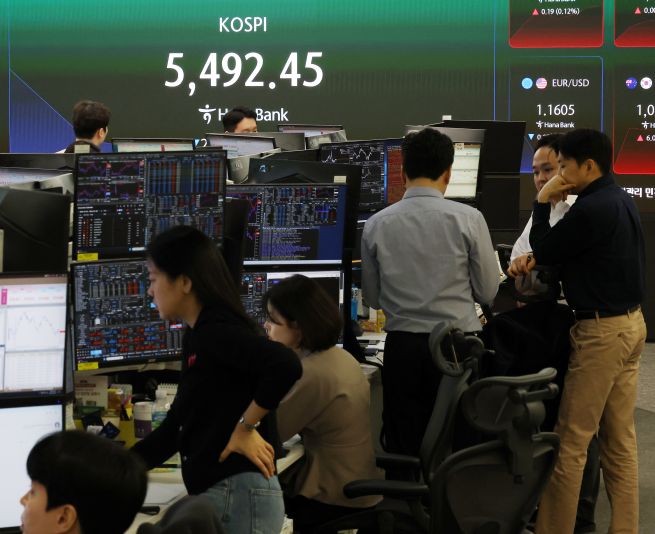
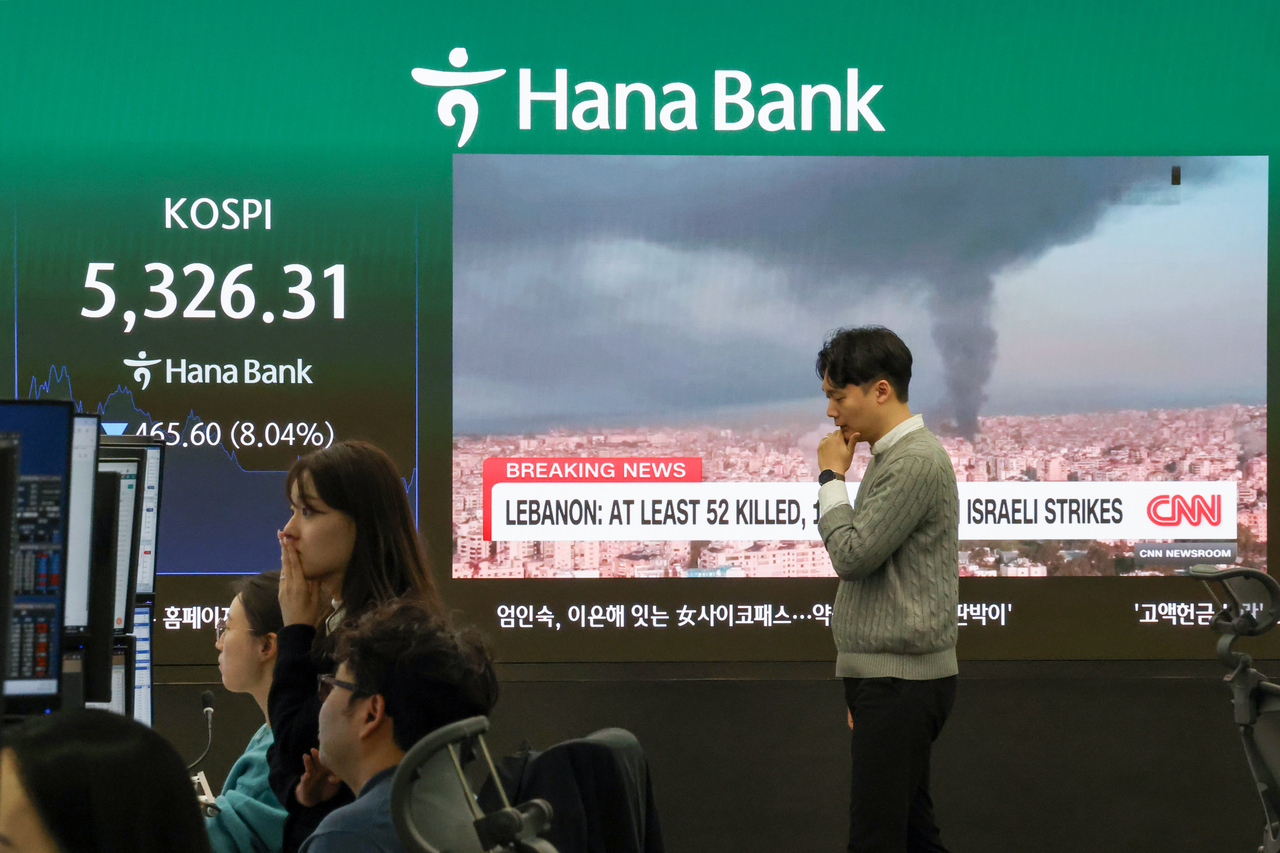
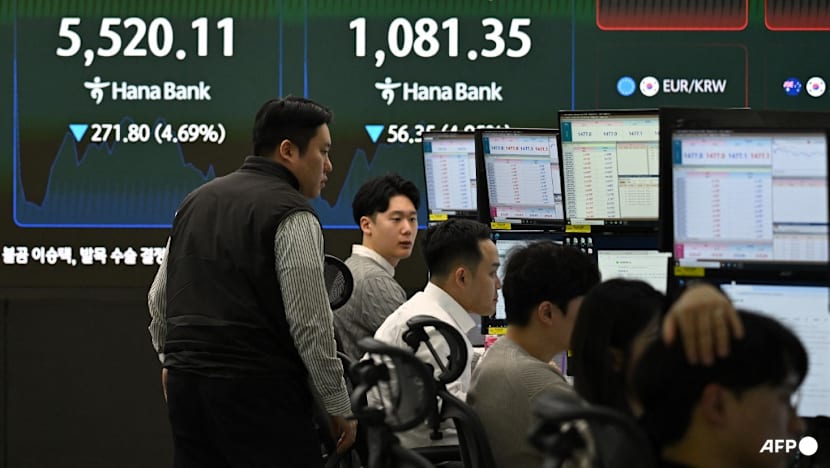
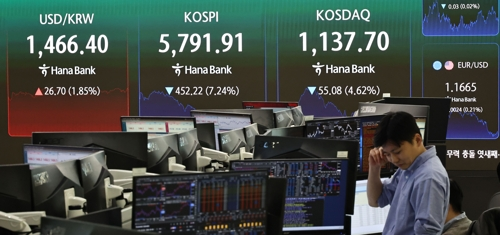
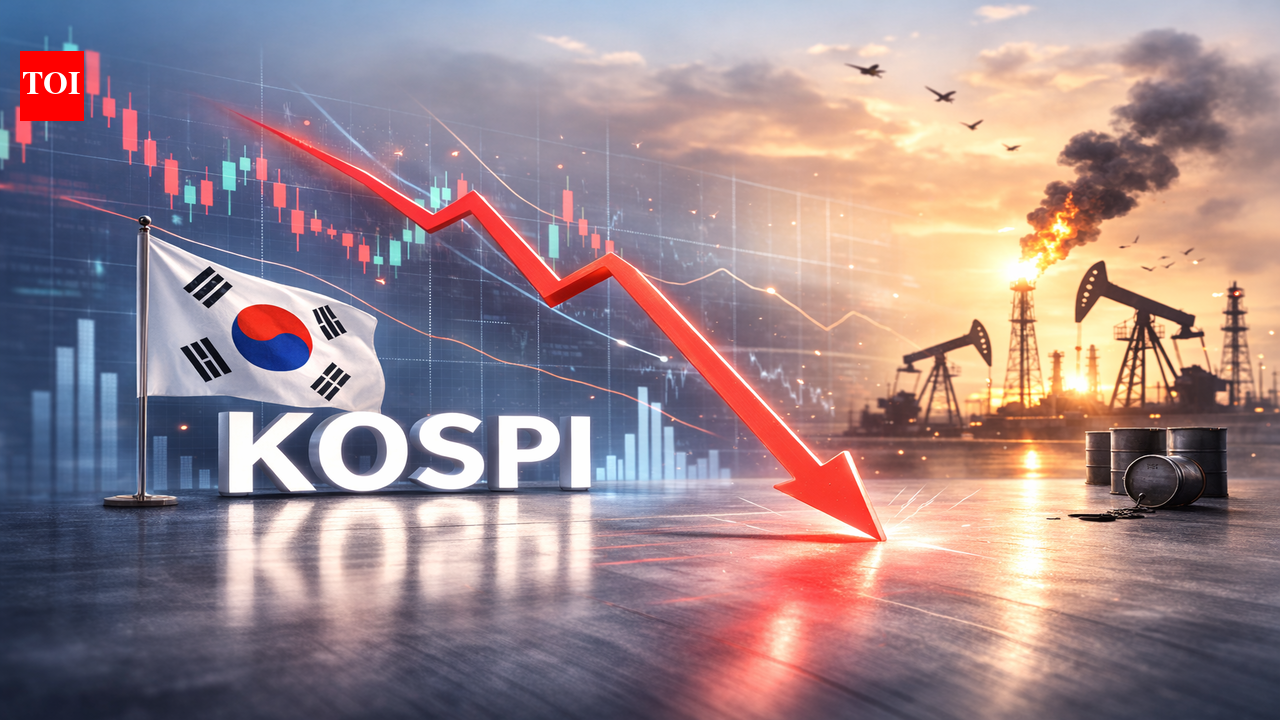
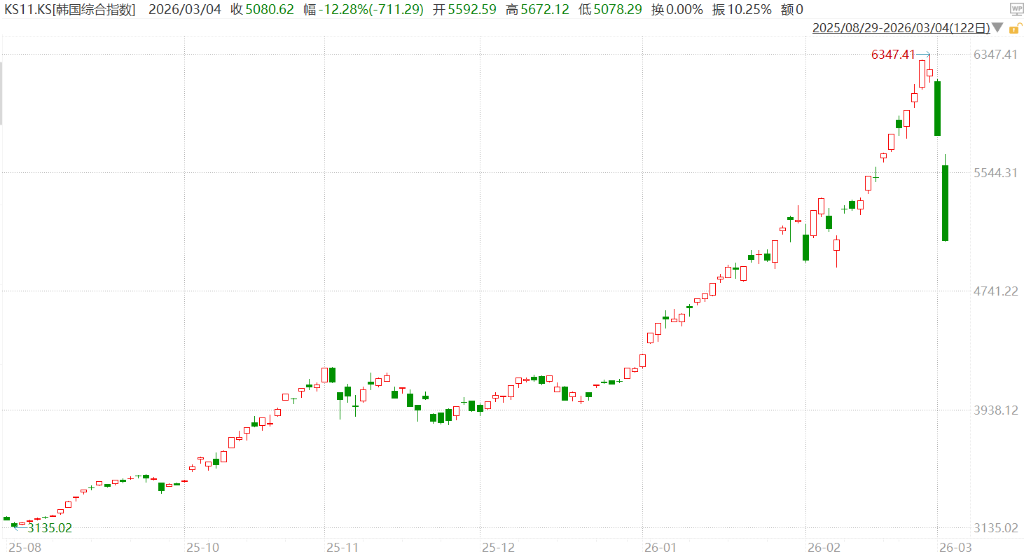
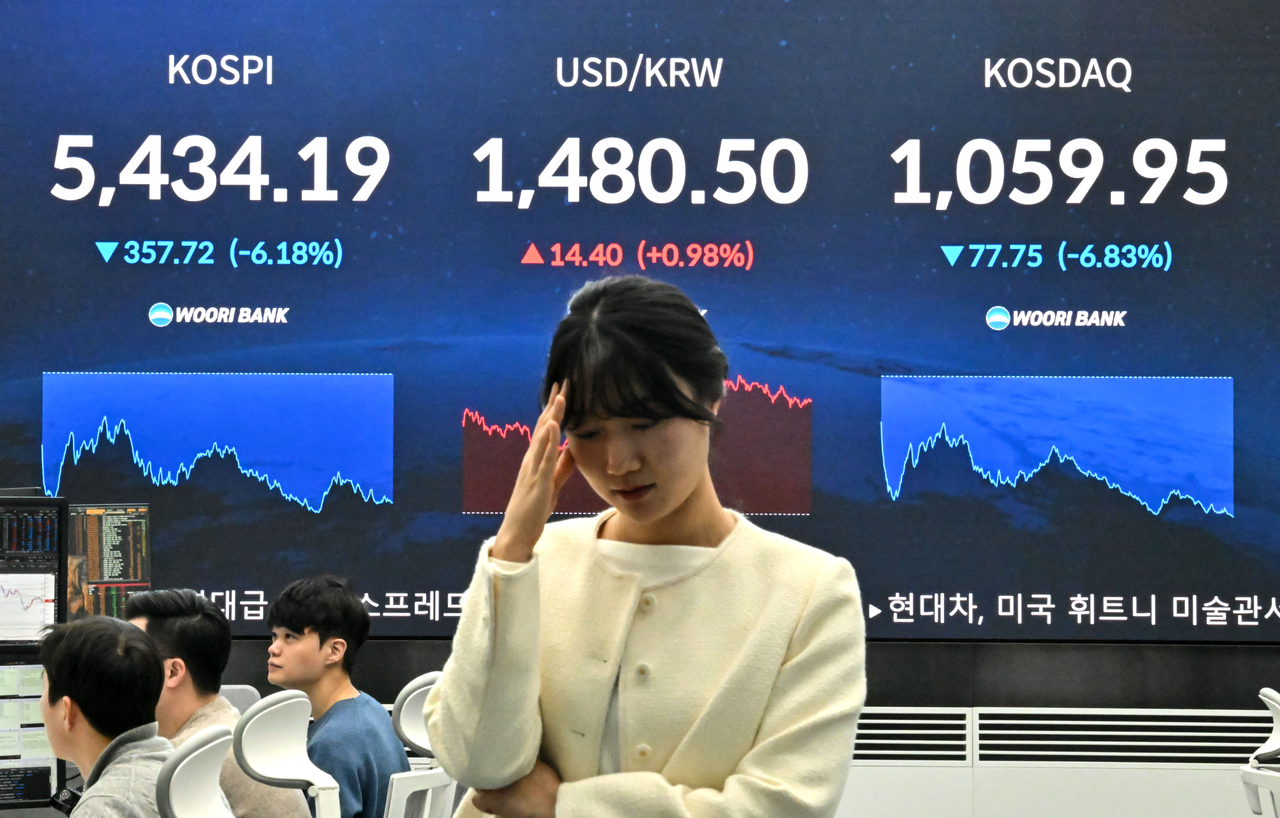
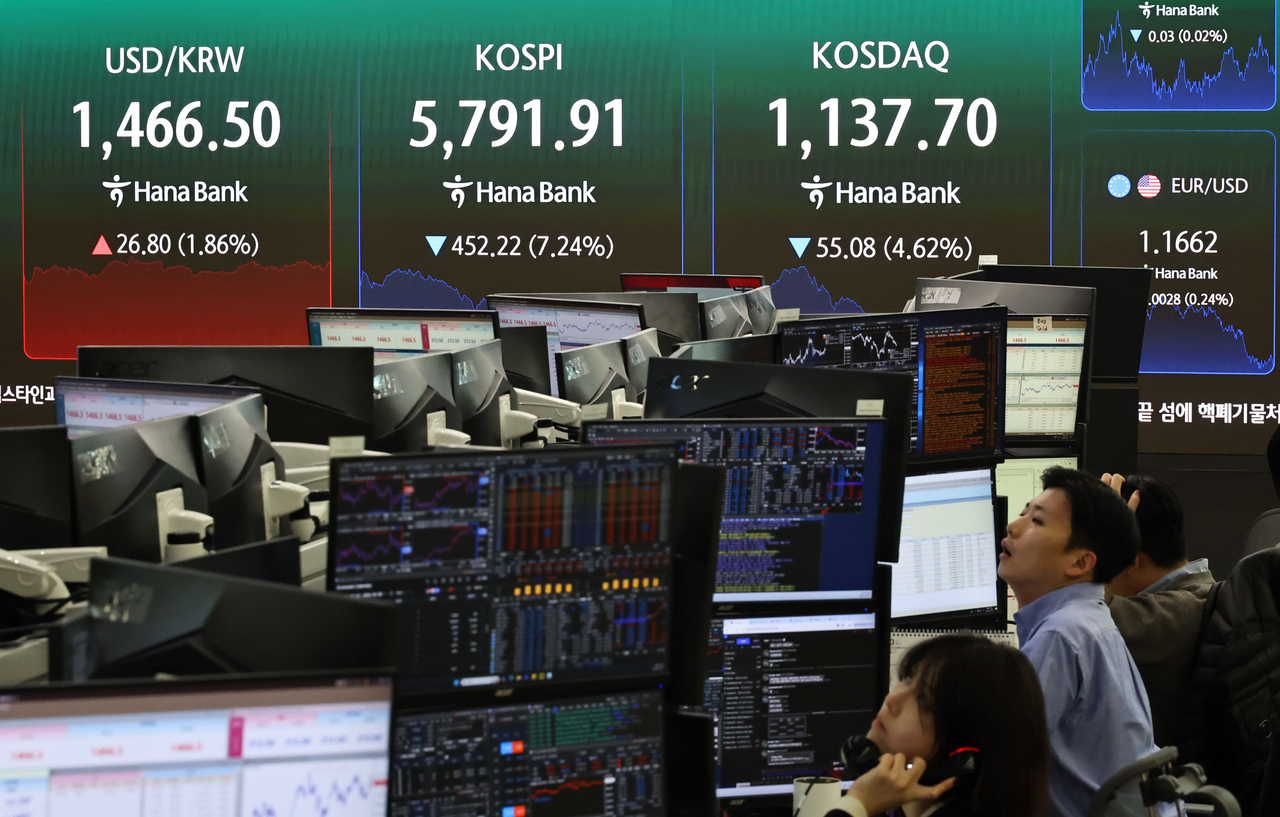
South Korea's stock market experienced a severe 8.1% collapse on March 4, 2026, with the KOSPI index plunging to 5,322.93 and triggering dual-market circuit breakers for the first time since August 2024. The Korea Exchange halted trading on both KOSPI (11:19 a.m.) and KOSDAQ (11:16 a.m.) for 20 minutes after indices fell more than 8% from the previous close, driven by geopolitical risk aversion following U.S.-Israel military strikes on Iran. This market turbulence creates immediate operational challenges for cross-border e-commerce sellers with Korean exposure.
Currency Impact & Sourcing Costs: The Korean won weakened to 1,480.5 per USD, representing significant currency depreciation that directly affects sellers sourcing from Korean manufacturers. For sellers importing electronics, cosmetics, or apparel from South Korea—categories representing approximately $8-12B in annual cross-border trade—this currency weakness increases landed costs by 5-8% depending on payment timing and hedging strategies. Sellers with unhedged Korean supplier contracts face margin compression of 200-400 basis points until the won stabilizes. The volatility also creates arbitrage opportunities for sellers who can lock in favorable exchange rates before market recovery.
Supply Chain Disruption & Logistics Delays: Korean logistics providers and manufacturers are experiencing operational uncertainty during market volatility. Sellers relying on Korean 3PL providers (particularly for Asia-Pacific fulfillment) should expect 3-7 day delays in shipment processing as companies reassess cash flow and operational capacity. The market crash signals potential working capital constraints among Korean suppliers, increasing risk of payment delays and order cancellations. Sellers should immediately diversify sourcing to Vietnam, Taiwan, and India for electronics and apparel categories to mitigate single-country dependency.
Consumer Demand Contraction in South Korea: The extreme market volatility triggers risk-averse consumer behavior, reducing discretionary spending on imported goods. South Korean consumers typically reduce non-essential purchases by 15-25% during market downturns, directly impacting demand for fashion, home goods, and electronics on Korean e-commerce platforms. Sellers targeting Korean consumers should expect 10-20% demand reduction over the next 2-4 weeks and adjust inventory levels accordingly. However, this creates opportunities for value-oriented sellers to capture market share with competitive pricing strategies.
Immediate Actions: Monitor KRW/USD exchange rates daily and consider forward contracts for Korean supplier payments due within 30-60 days. Review inventory sourced from Korea and accelerate shipments before further currency depreciation. Diversify supplier base by allocating 20-30% of Korean sourcing to alternative countries within 60 days. Update pricing on Korean-sourced products to reflect currency headwinds while maintaining competitiveness.
Questions 8
What currency hedging strategies should I use to protect against won weakness?
Implement forward contracts for Korean supplier payments due within 30-60 days to lock in current exchange rates and avoid further depreciation losses. If you're paying $100,000 monthly to Korean suppliers, a forward contract at 1,480 KRW/USD protects you from rates moving to 1,520+ (additional $2,700 cost). Consider using currency options for larger payments ($500K+) to maintain upside if the won recovers while capping downside risk. Many banks offer 90-180 day forward contracts with minimal fees (0.1-0.3%). For ongoing exposure, implement a monthly hedging program covering 50-70% of expected Korean supplier payments.
How should I adjust pricing for Korean-sourced products during this currency crisis?
Increase prices on Korean-sourced products by 3-5% to offset currency headwinds while maintaining competitiveness. The won's weakness increases your costs by 5-8%, but you can absorb 2-3% through margin compression while passing 3-5% to consumers. Monitor competitor pricing on similar products—if competitors maintain prices, you have room to increase without losing market share. Use dynamic pricing tools to test price elasticity: increase prices 2-3% initially and monitor conversion rate impact. If conversions drop more than 10%, reduce prices back to 4% increases. For premium Korean brands (cosmetics, electronics), consumers tolerate 5-7% price increases during currency crises.