



Asia-Pacific Energy Crisis Drives Logistics Cost Surge | Seller Margin Compression Alert
- Strait of Hormuz blockade increases shipping costs 8-15% for Asia-based sellers; demand drops 5-12% in affected markets








Overview
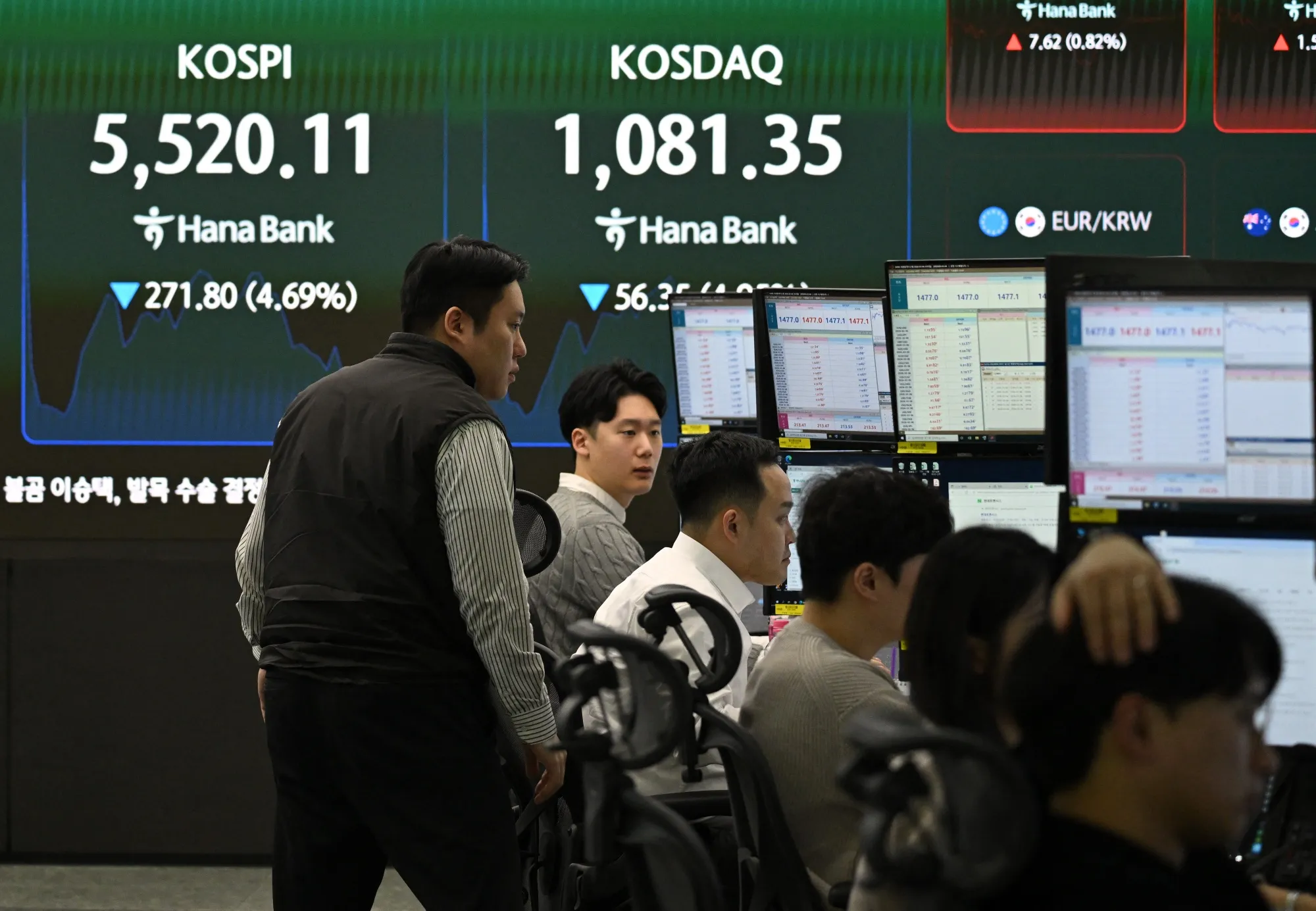
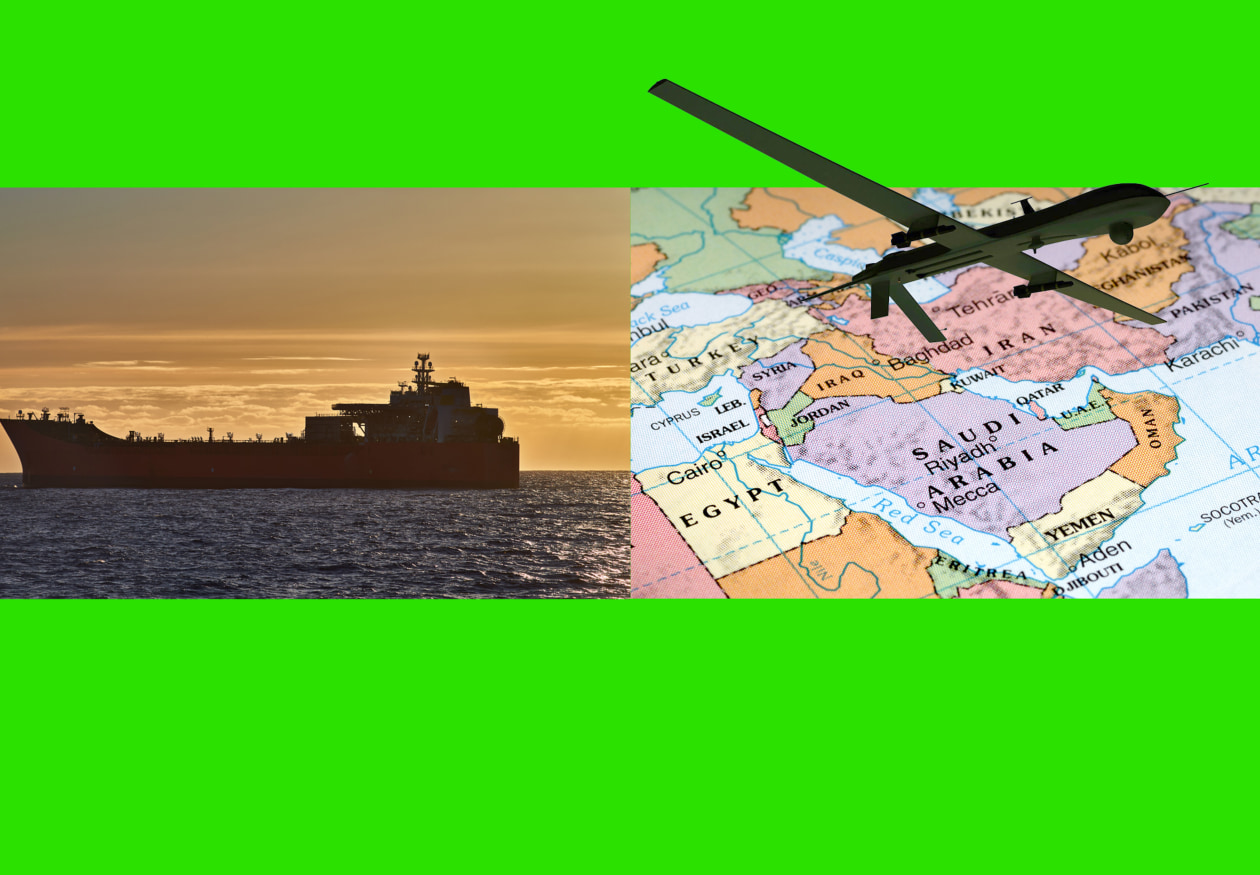
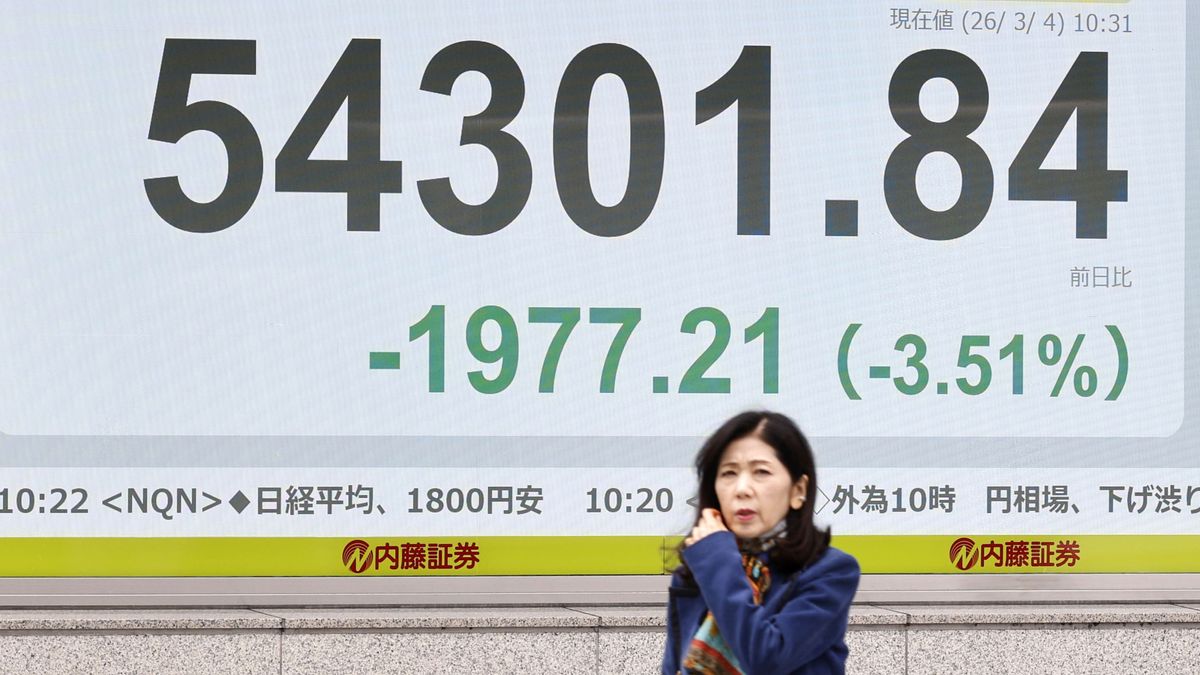
The March 4, 2026 geopolitical crisis in the Middle East—triggered by Iran's blockade of the Strait of Hormuz—has created a dual-impact supply chain shock for cross-border e-commerce sellers operating in Asia-Pacific regions. Asian stock markets experienced severe declines: South Korea's Kospi plummeted 12%, Japan's benchmark fell 3%, Taiwan's declined 4.35%, and Hong Kong's Hang Seng dropped nearly 3%. This market turmoil directly translates to operational challenges for sellers, as the Strait of Hormuz handles critical energy imports for the region—Japan sources 90% of its oil through this route, South Korea 70%, and Taiwan 60% of oil plus one-third of natural gas.
For cross-border e-commerce sellers, the immediate impact manifests in three critical areas: First, logistics cost compression. Rising energy prices directly inflate shipping, warehousing, and last-mile delivery expenses. Sellers with thin margins on lower-priced goods (sub-$25 items) face 8-15% cost increases on FBA fulfillment and 3PL operations. Second, demand destruction. Market uncertainty reduces consumer spending in affected regions, particularly impacting discretionary categories like electronics, apparel, and home goods. Sellers should expect 5-12% demand reduction in Japan, South Korea, and Taiwan marketplaces during the crisis period. Third, competitive repositioning. Larger sellers with diversified logistics networks and capital reserves can absorb cost increases; smaller sellers face margin compression that may force price increases, reducing competitiveness.
Strategic sourcing implications are equally significant. The energy crisis accelerates existing trends toward supply chain diversification away from Asia-Pacific manufacturing hubs. Sellers currently sourcing from China, Vietnam, or India for Asian market fulfillment should evaluate alternative routes: direct-to-consumer models via US/EU warehouses, nearshoring to Southeast Asian production centers with lower energy dependencies, or inventory optimization to reduce working capital tied up in slow-moving stock. The timing window is critical—sellers who act within 30-60 days can lock in favorable supplier negotiations before competitors recognize the opportunity. Additionally, the AI sector sentiment reversal (capital flight from Asian tech stocks) signals reduced investment in logistics automation and fulfillment technology, potentially extending delivery times and increasing operational friction for 6-12 months.
Immediate seller actions: Monitor energy price trajectories daily via commodity indices; implement dynamic pricing strategies to offset 5-8% cost increases without triggering demand collapse; diversify fulfillment routes away from energy-intensive maritime corridors; reduce inventory in affected markets by 15-20% to minimize storage cost exposure; and consider hedging strategies through 3PL providers offering fixed-rate shipping contracts. Regional economic slowdowns necessitate adjusted promotional approaches—shift from margin-dependent strategies to volume-based tactics that maintain market share during the downturn.
Questions 8
What is the timeline for market stabilization and when should sellers reassess strategies?
Historical geopolitical supply chain shocks typically stabilize within 60-90 days as markets adjust expectations and alternative energy routes activate. Sellers should plan for elevated costs and reduced demand through May 2026 (60 days from March 4), then reassess in early June based on energy price trajectories and market recovery signals. Key monitoring dates: April 4 (30-day checkpoint for cost impact assessment), May 4 (60-day demand impact review), and June 4 (market stabilization evaluation). If energy prices remain elevated beyond June, extend cost-reduction strategies through Q3. If prices normalize by May, begin rebuilding inventory in affected markets. Set calendar reminders to review energy commodity prices (Brent crude, natural gas) weekly and adjust pricing/inventory strategies accordingly.
How can sellers diversify supply chains away from energy-dependent Asia-Pacific routes?
Sellers have three primary diversification strategies: (1) Nearshoring to Southeast Asian production centers (Vietnam, Thailand, Indonesia) with lower energy dependencies and shorter shipping routes to key markets; (2) Direct-to-consumer models via US or EU warehouses with fixed-cost logistics networks less exposed to Middle East energy shocks; (3) Inventory optimization reducing working capital tied up in slow-moving stock. The timing window is critical—sellers who negotiate new supplier contracts within 30-60 days can lock in favorable terms before competitors recognize the opportunity. Evaluate current sourcing costs against alternative routes; typically, nearshoring adds 5-8% to product costs but saves 10-15% on logistics, creating net 2-7% cost savings during energy crises.