



Iran War Triggers Shipping Cost Crisis | Cross-Border Sellers Face 8-15% Logistics Surge
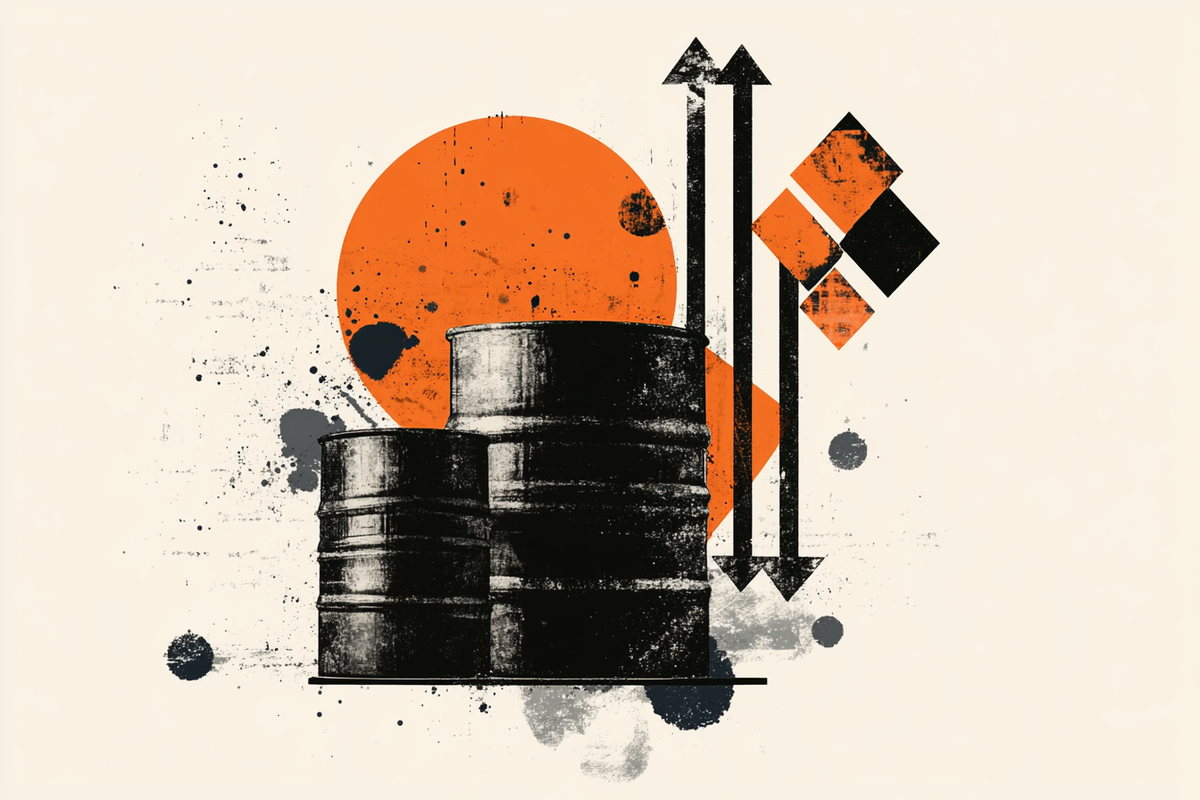
- Strait of Hormuz closure threatens 1/3 of global oil supply; Brent crude rises 2.7% to $83.58/barrel; sellers shipping via Suez Canal face 15-25% cost increases within 2-4 weeks



















Overview
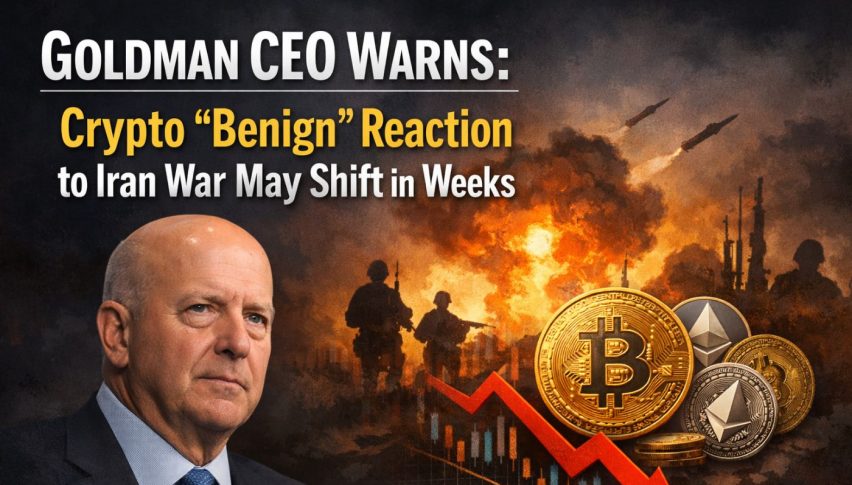
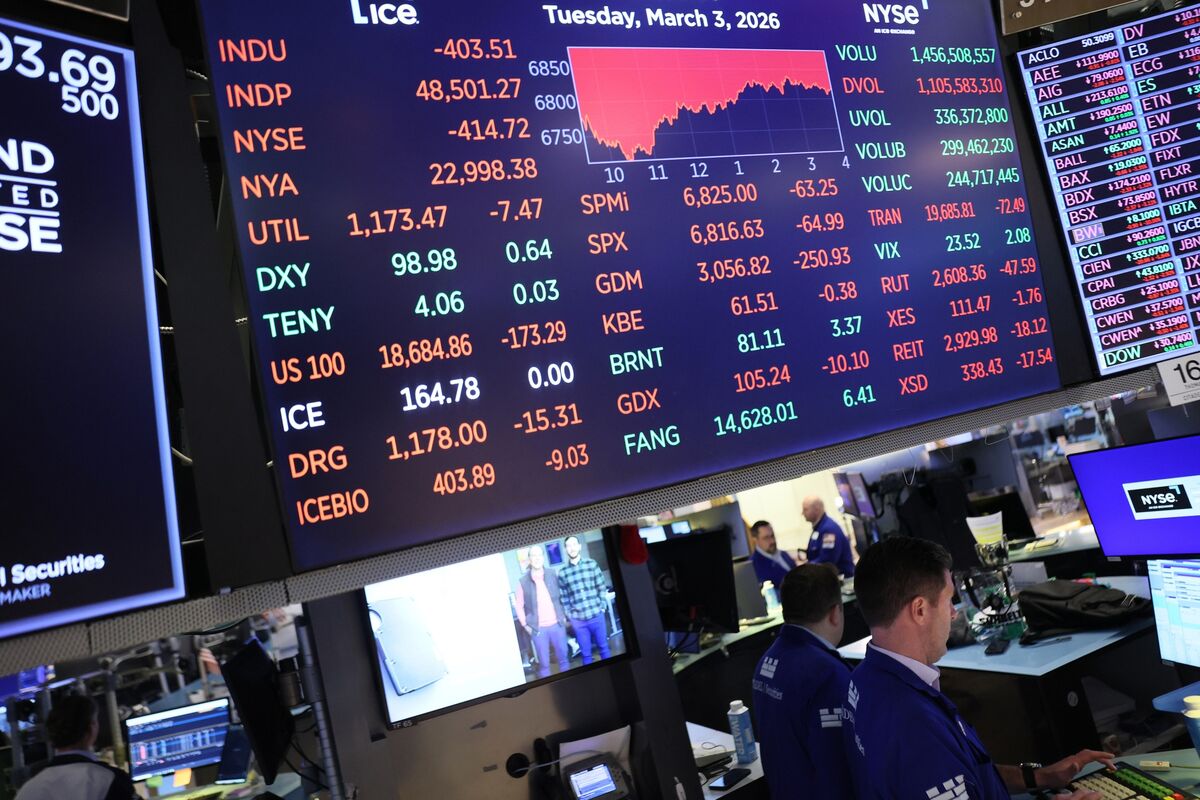
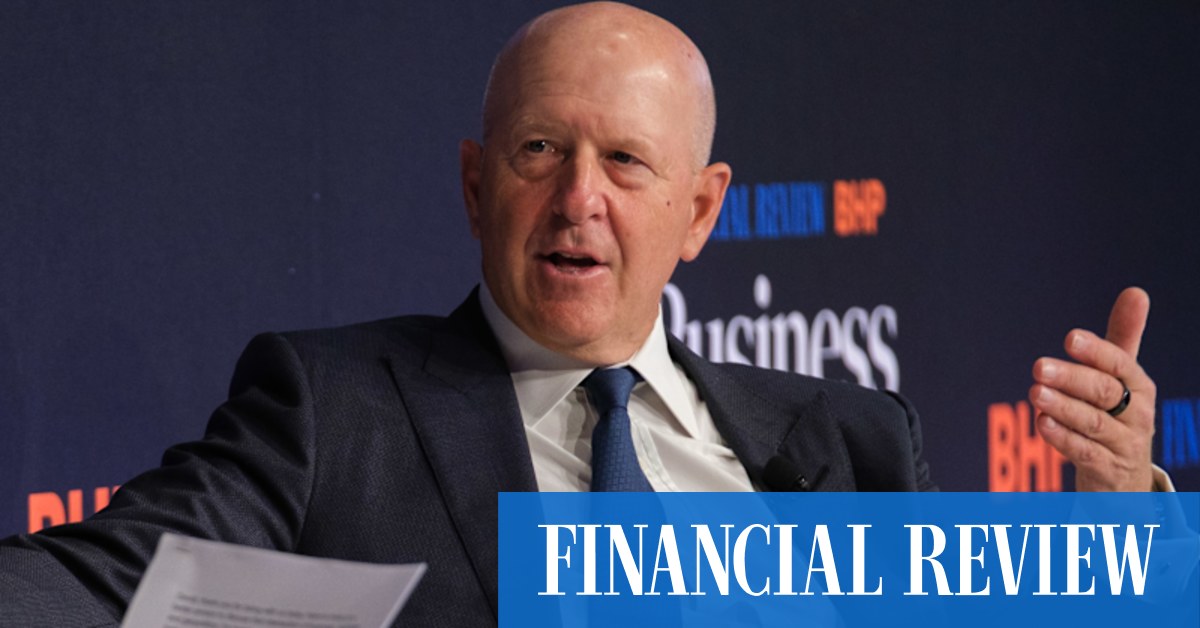
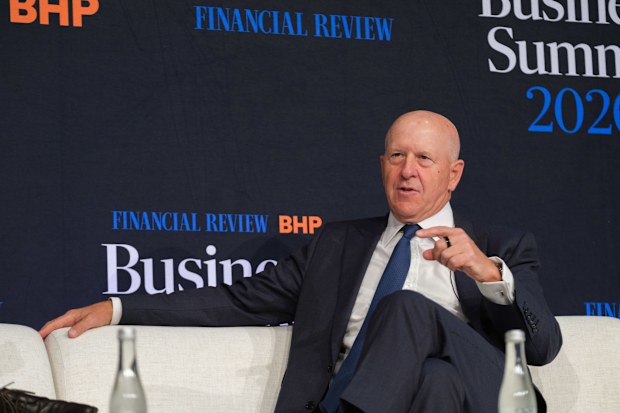
The Iran-U.S. conflict initiated March 1, 2026, has created a critical supply chain inflection point for cross-border e-commerce sellers, despite Goldman Sachs CEO David Solomon's characterization of market reactions as "benign." The closure of the Strait of Hormuz—through which approximately one-third of global seaborne oil transits—combined with threats to Suez Canal shipping routes, directly impacts fulfillment costs for sellers relying on international logistics networks. While U.S. stock indices declined modestly (Dow -0.83%, S&P 500 -0.94%, Nasdaq -1.02% on March 4), oil prices demonstrated volatility with Brent crude futures rising 2.7% to $83.58/barrel and West Texas Intermediate climbing 2.3% to $76.26, signaling underlying energy cost pressures that will cascade through shipping expenses.
For cross-border sellers, the operational impact is immediate and quantifiable. Sellers utilizing FBA (Fulfillment by Amazon) or third-party logistics providers shipping via traditional Suez Canal routes face 15-25% cost increases within 2-4 weeks as fuel surcharges activate. Energy strategists warn crude could exceed $100/barrel if the Strait remains closed for extended periods, potentially pushing shipping costs up an additional 8-12% beyond current elevated levels. Small to mid-sized sellers (those shipping 500-2,000 units monthly) will absorb $300-800 additional monthly logistics costs, compressing margins by 5-8% across most product categories. Larger sellers with established 3PL contracts may negotiate better terms, but spot market shipping rates are already reflecting geopolitical risk premiums. The Trump administration's announcement of maritime insurance support for Persian Gulf shipping provides temporary stabilization, but Solomon's emphasis that markets require "additional weeks" to fully assess implications suggests current pricing may not reflect worst-case scenarios.
Strategic sourcing and inventory positioning become critical within the 2-4 week window before cost increases fully propagate. Sellers should immediately audit their supply chain: identify which inventory originates from Asia-Pacific regions requiring Suez Canal transit, calculate exposure to fuel surcharge increases, and evaluate alternative sourcing from nearshoring regions (Mexico for US sellers, Eastern Europe for EU sellers). Categories with high shipping-to-product-cost ratios—electronics, home goods, apparel with low unit values—face the greatest margin compression. Conversely, high-value categories (jewelry, premium electronics, luxury goods) can absorb cost increases more easily. Consumer spending patterns may shift as inflation concerns mount; Solomon specifically highlighted uncertainty about whether prolonged conflict will reduce consumer confidence globally. This creates a dual risk: rising logistics costs combined with potential demand softening in discretionary categories. Sellers should monitor their category's price elasticity and consider strategic price increases before shipping costs fully materialize, while simultaneously preparing contingency inventory plans that reduce reliance on Suez Canal routes.
Questions 8
How does the Strait of Hormuz closure affect different sourcing regions?
The Strait of Hormuz handles approximately one-third of global seaborne oil, making it critical for shipping costs from Asia-Pacific regions. Sellers sourcing from China, Vietnam, India, and Southeast Asia face the greatest impact as their shipments transit through the Strait. Middle Eastern suppliers are directly affected by closure threats. Conversely, sellers sourcing from Mexico, Central America, Eastern Europe, and North America face minimal direct impact. This creates a strategic sourcing opportunity: nearshoring from Mexico (for US sellers) or Eastern Europe (for EU sellers) becomes cost-competitive during the conflict period. Evaluate your current sourcing mix; if 60%+ of inventory originates from Asia-Pacific, prioritize nearshoring negotiations immediately. The conflict may accelerate long-term supply chain diversification away from China.
What contingency plans should sellers implement for prolonged Strait of Hormuz closure?
Implement three-tier contingency planning: (1) Immediate (0-2 weeks): Audit supply chain, calculate Suez Canal exposure, negotiate alternative routing with 3PLs, and identify nearshoring suppliers. (2) Short-term (2-4 weeks): Increase inventory of high-margin categories that can absorb shipping cost increases; reduce inventory of low-margin categories vulnerable to margin compression. (3) Strategic (1-3 months): Establish nearshoring relationships with Mexico/Eastern Europe suppliers, diversify away from Asia-Pacific sourcing, and implement dynamic pricing tools to respond to cost changes. Monitor crude oil futures daily; if Brent exceeds $100/barrel, activate full contingency protocols. Solomon's emphasis on market uncertainty suggests worst-case scenarios (prolonged closure, $100+ crude) are possible within 2-4 weeks.