




Gaming Product Failure & Community Perception | Seller Lessons on Launch Strategy
- Highguard's 45-day collapse reveals critical e-commerce lessons: negative review bombing can destroy $2M+ launches despite 100K concurrent players; sellers must understand community sentiment risk in digital product launches














Overview
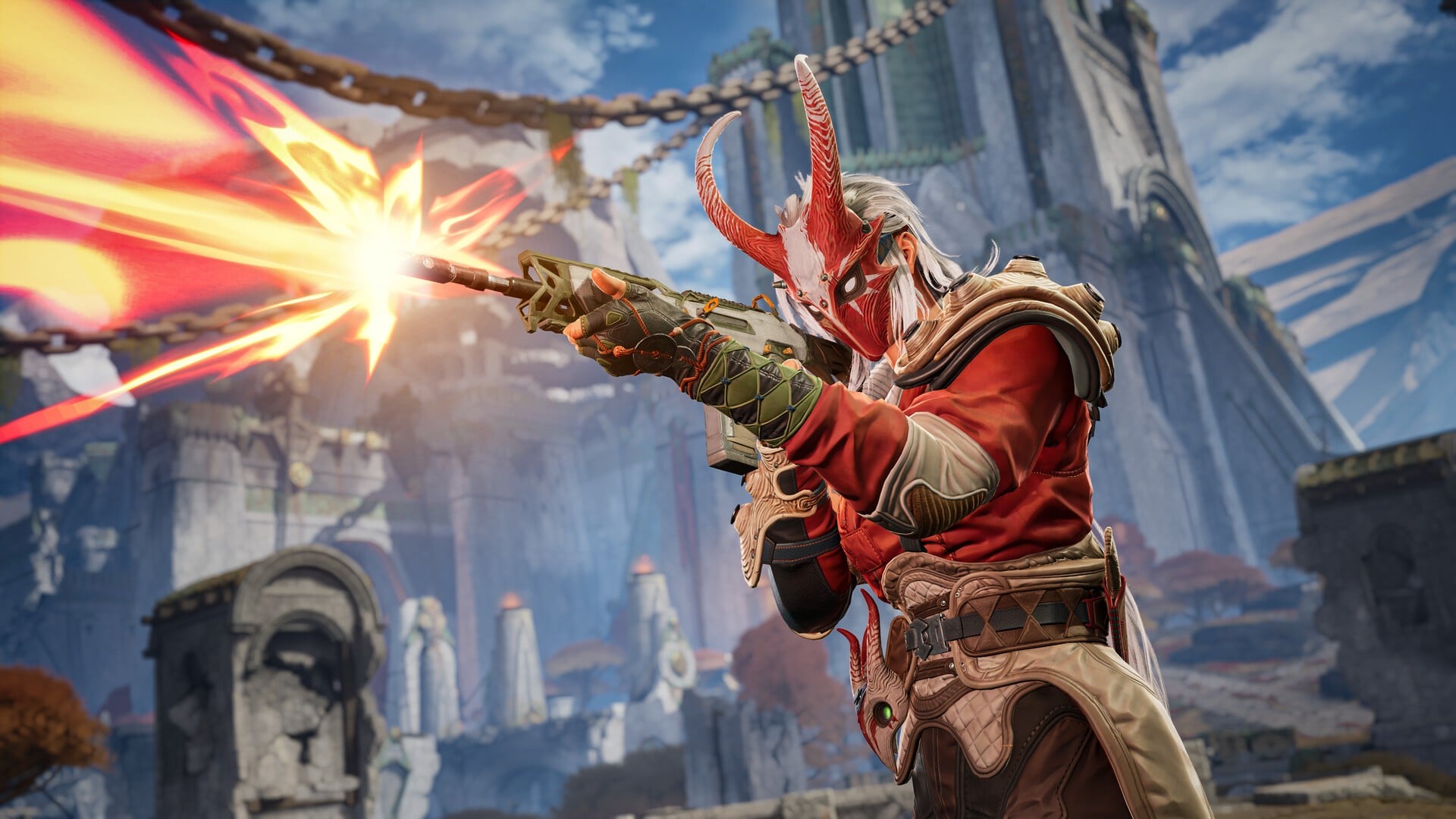
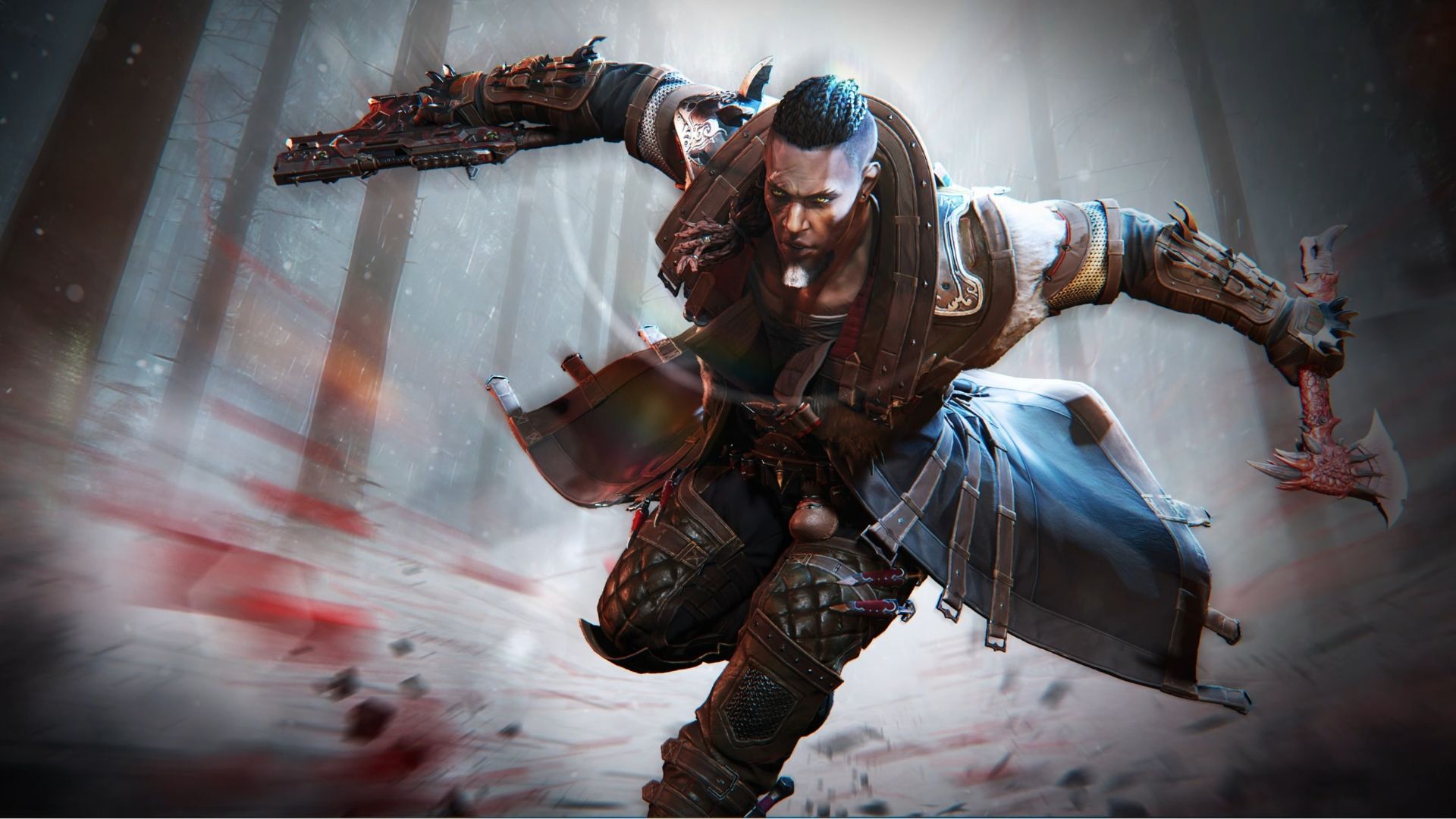
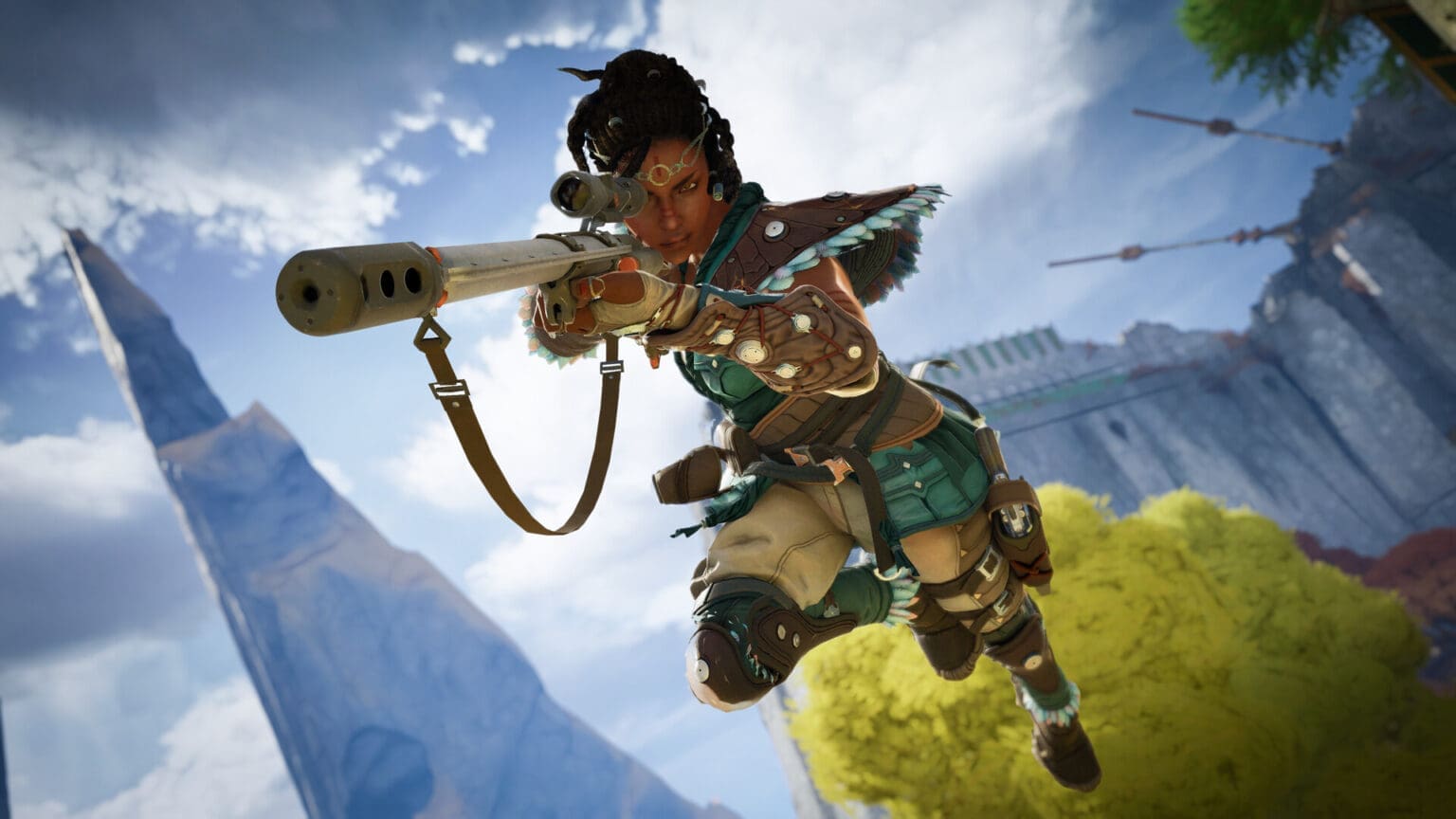
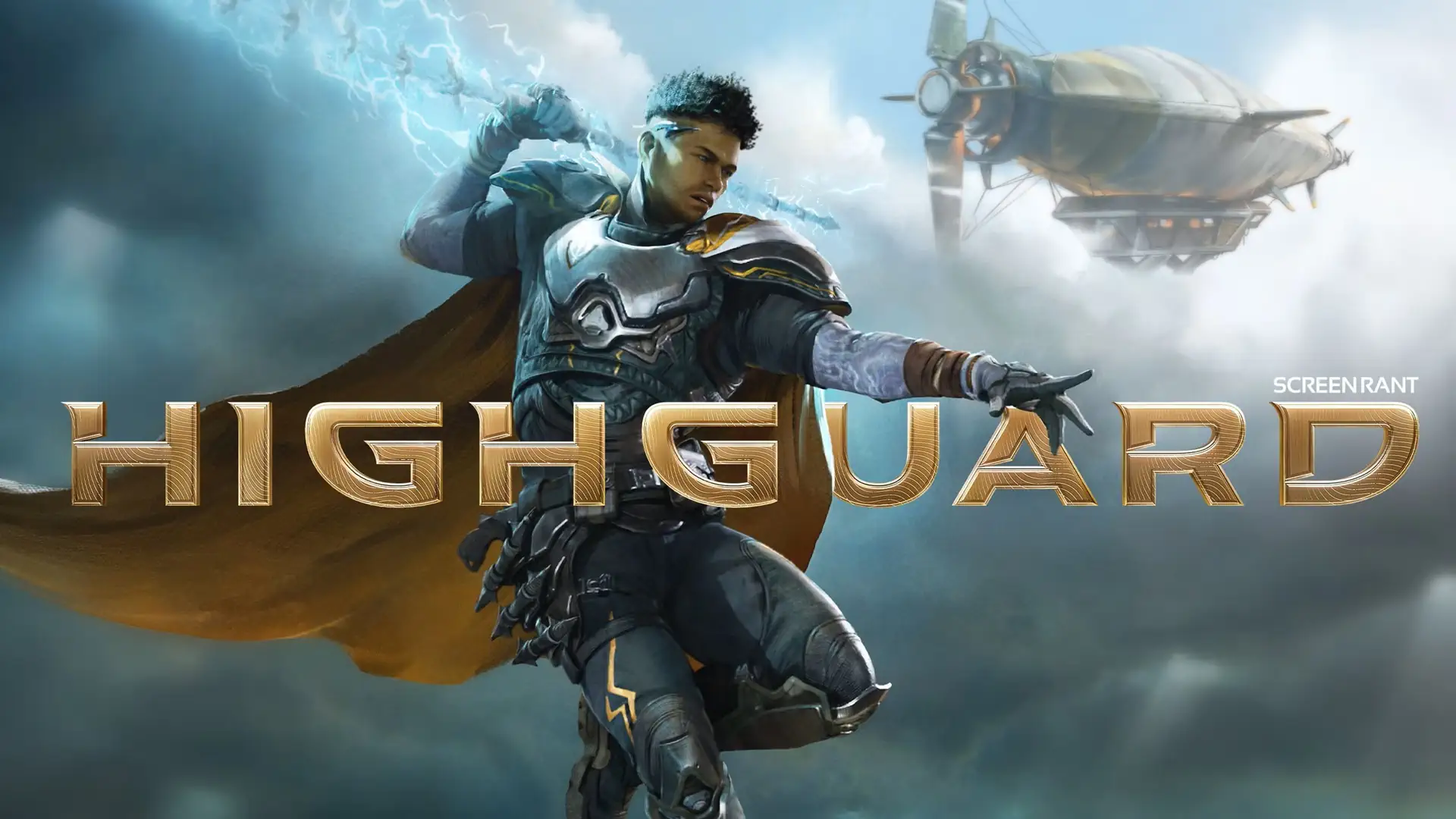
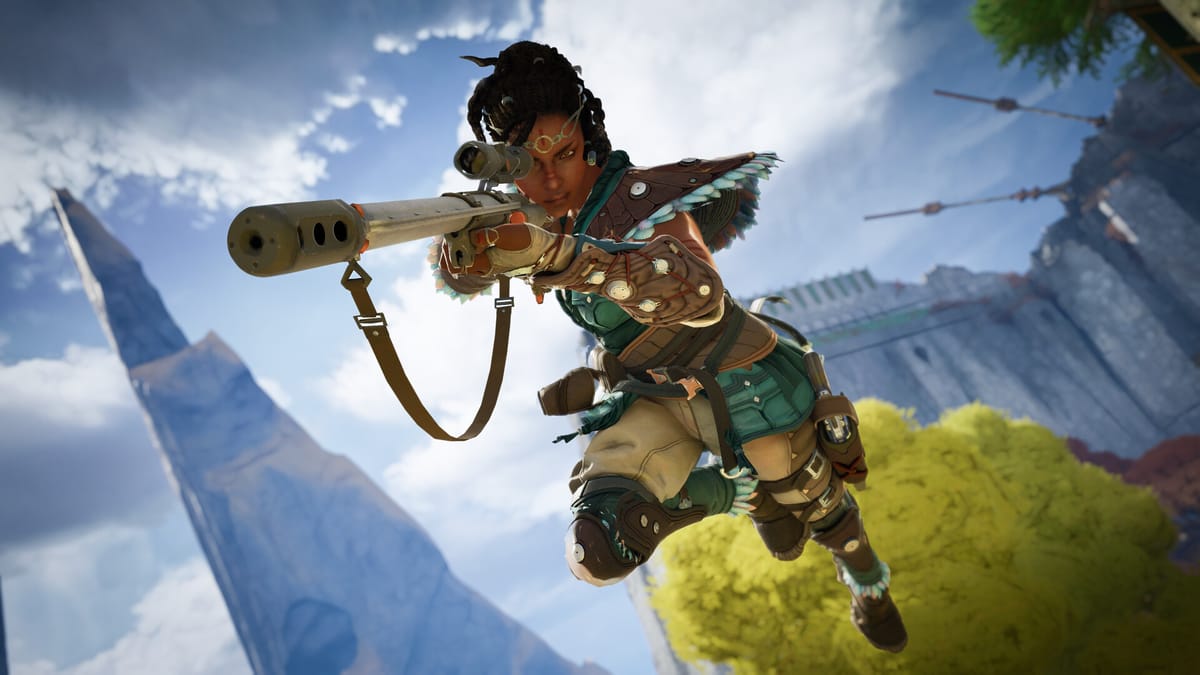
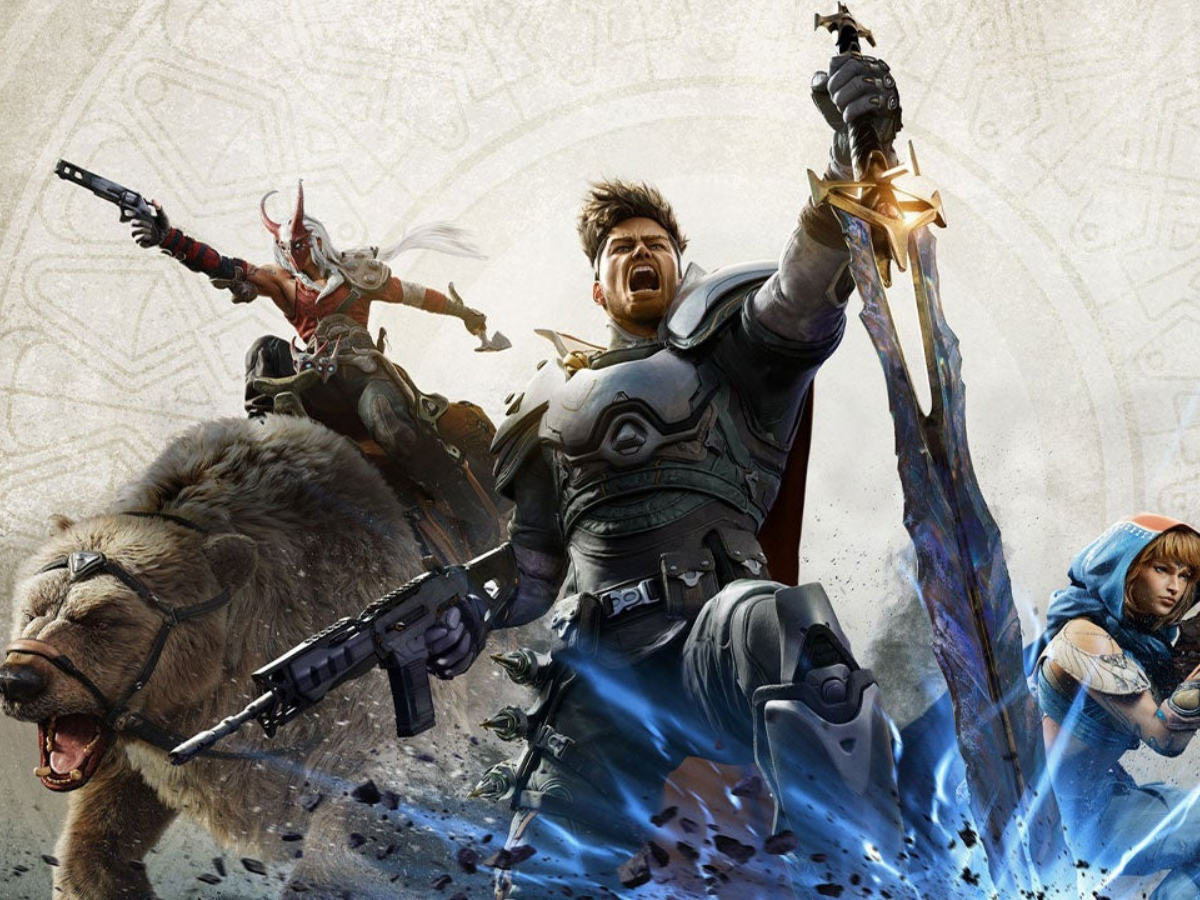
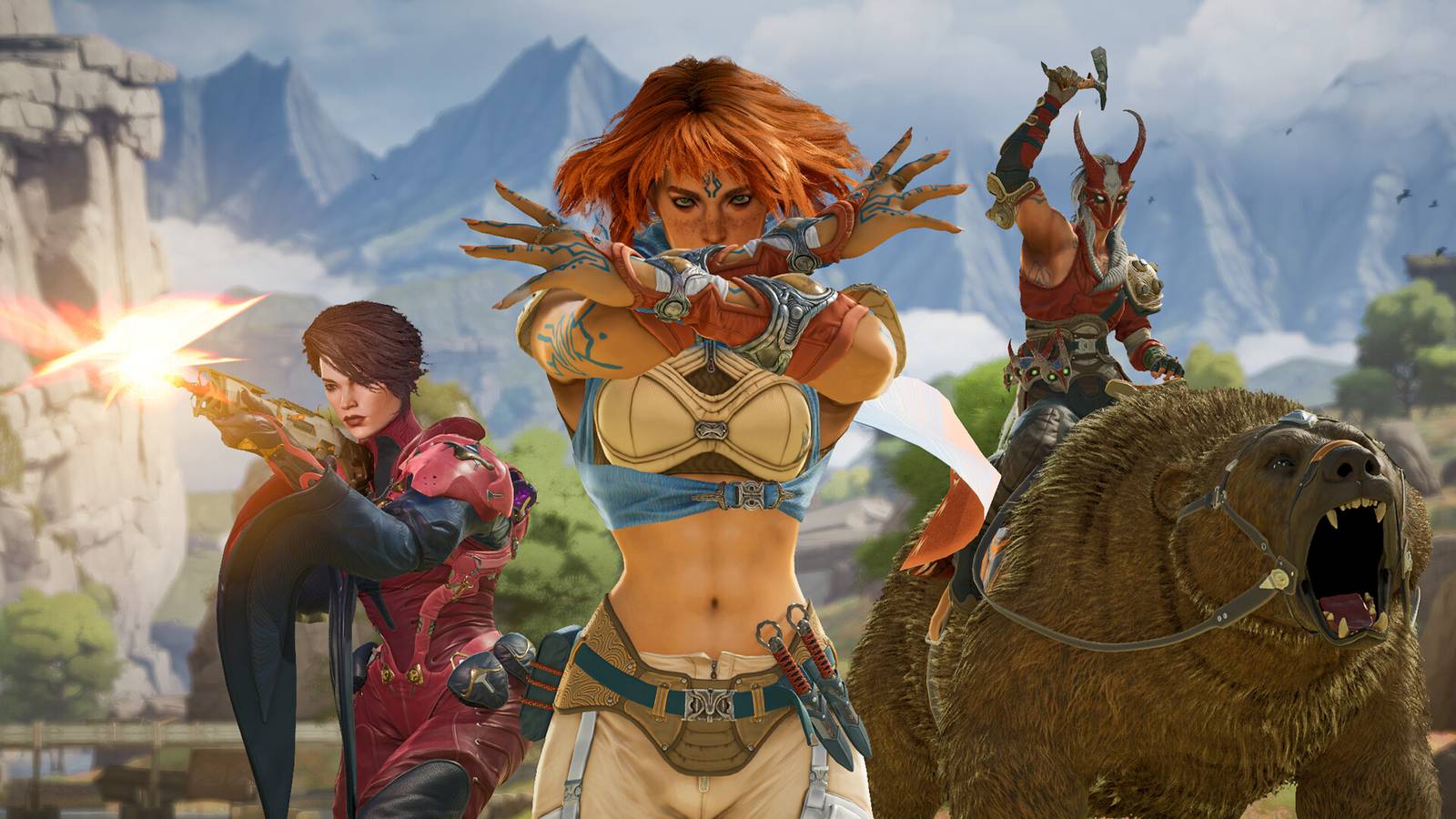
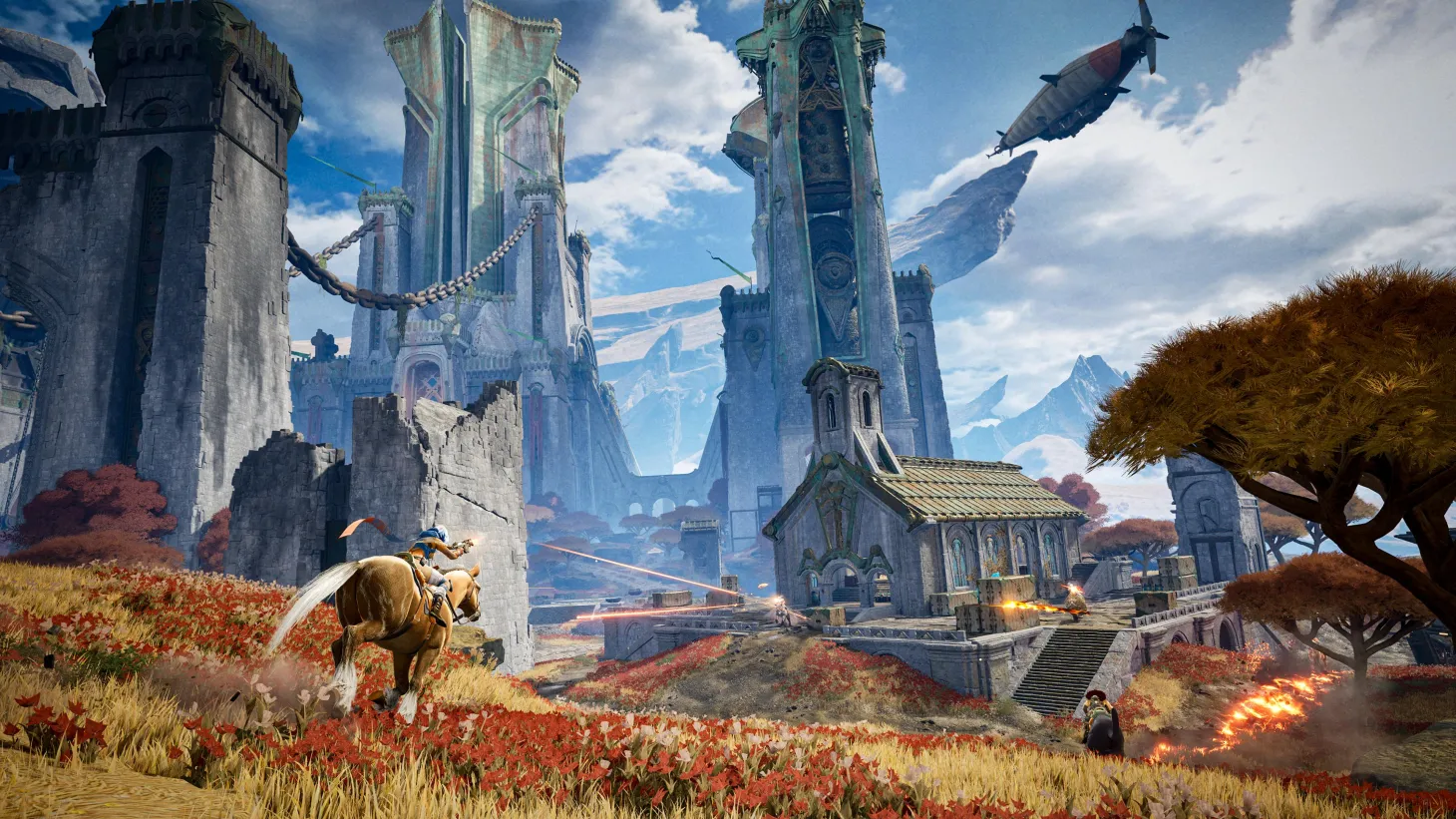
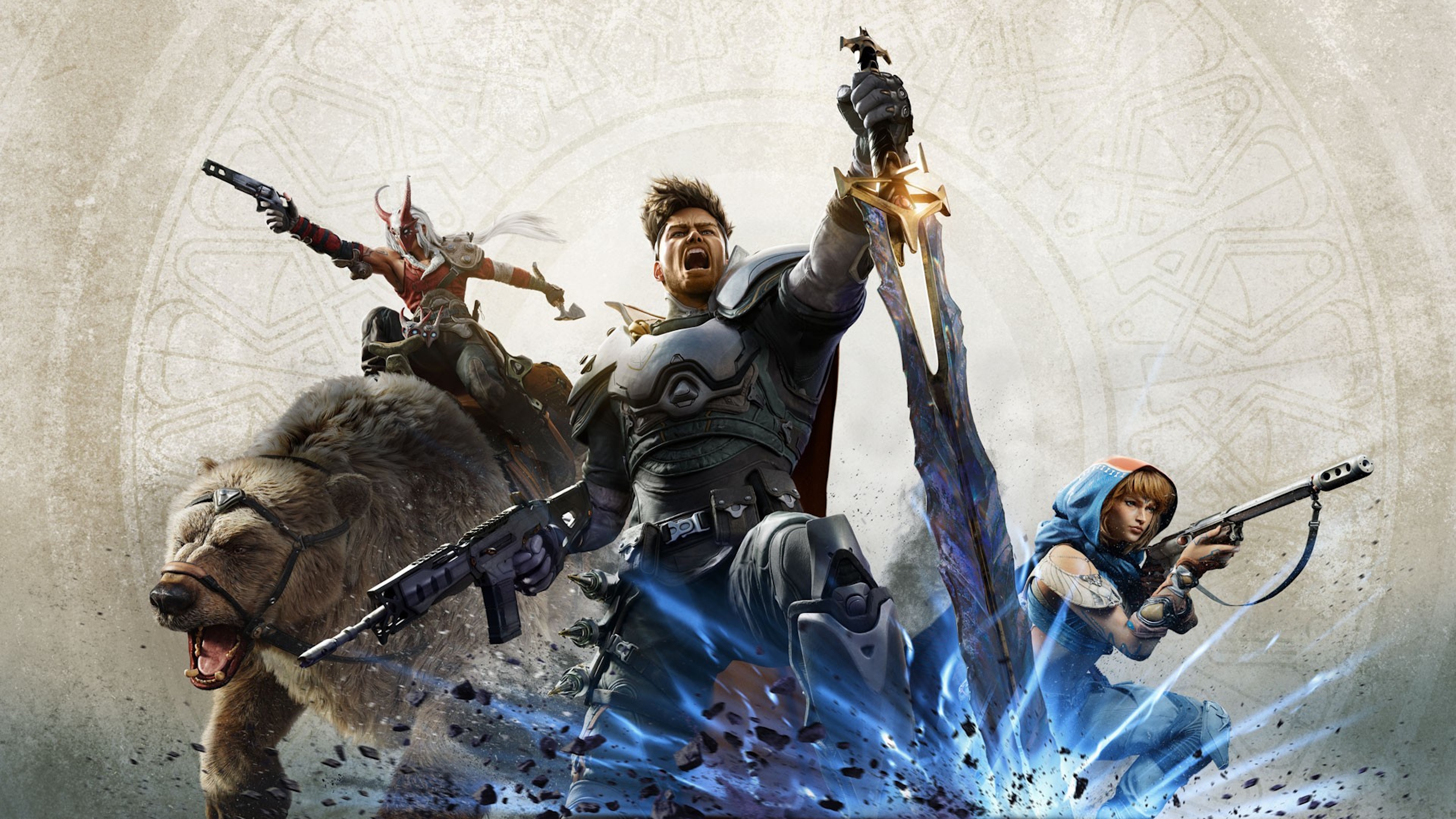
Wildlight Entertainment's Highguard represents a critical case study for e-commerce sellers launching digital products and gaming-related merchandise. The game launched January 26, 2026, attracting nearly 100,000 concurrent players on Steam but collapsed within 45 days due to catastrophic community perception failure, culminating in permanent shutdown announced for March 12, 2026. This trajectory offers essential insights for sellers operating in gaming merchandise, digital products, and community-driven categories.
The Launch Failure Mechanics: Highguard received prominent placement at The Game Awards 2025 (finale slot), generating substantial initial hype. However, developer Josh Sobel revealed the game "turned into a joke from minute one" due to false assumptions about a million-dollar ad placement strategy. Within minutes of announcement, the gaming community dismissed it as "dead on arrival," flooding social media with negative comments and meme phrases like "Concord 2." This demonstrates how social media amplification can overwhelm traditional marketing investments. At launch, the game accumulated over 14,000 review bombs from users with less than one hour of playtime—many without completing the tutorial—establishing a negative narrative that proved irreversible despite rapid developer response.
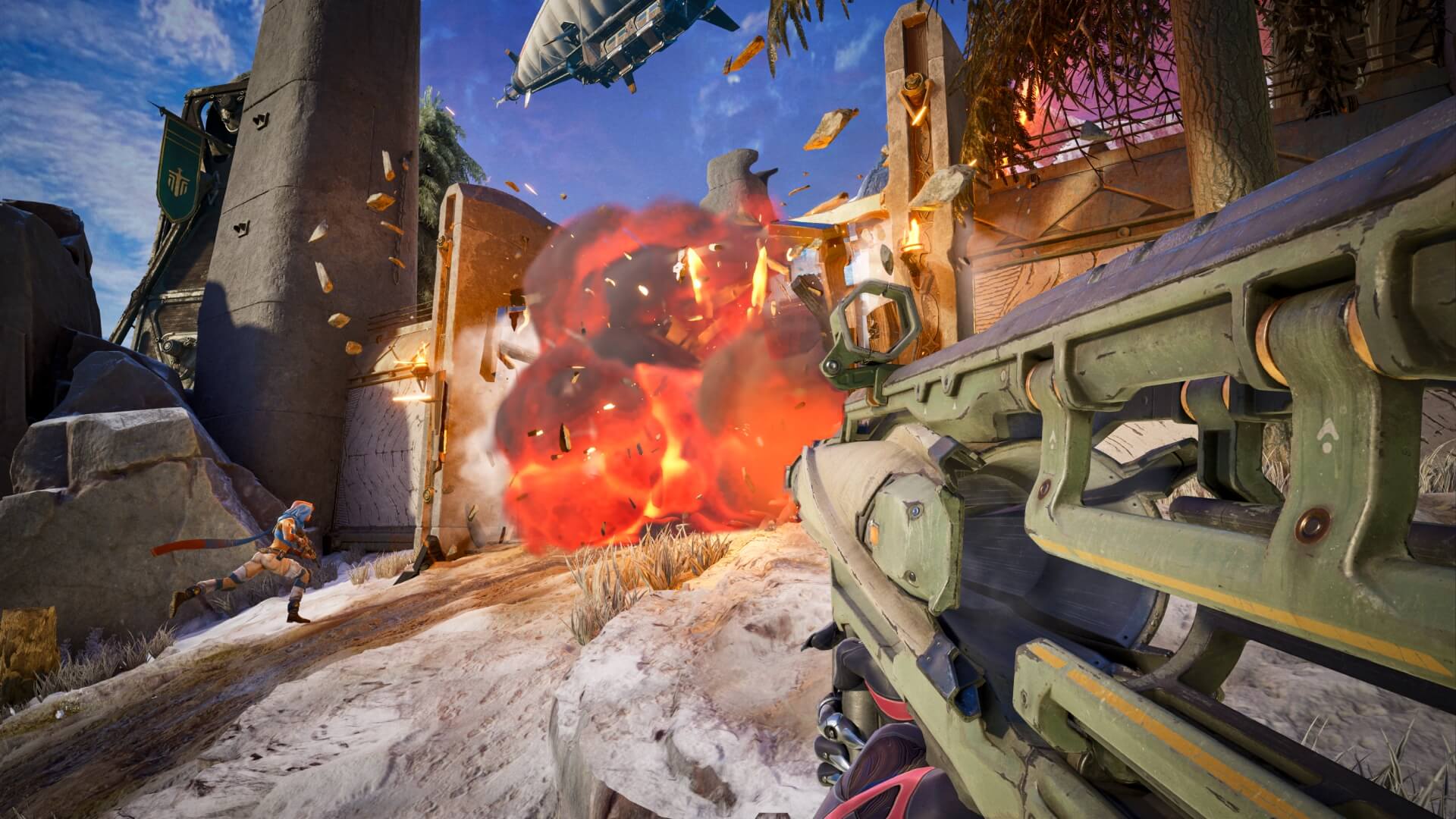
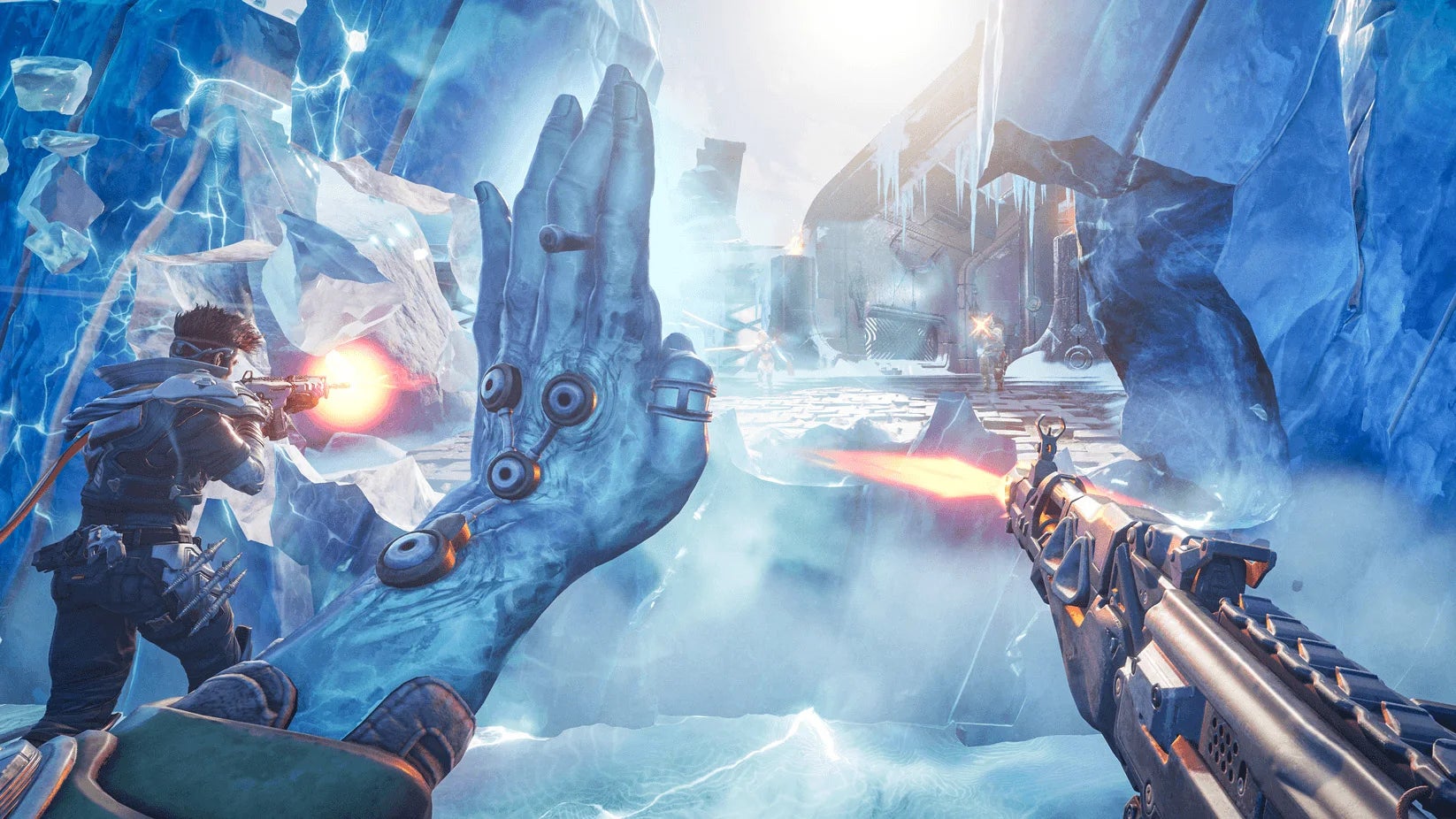
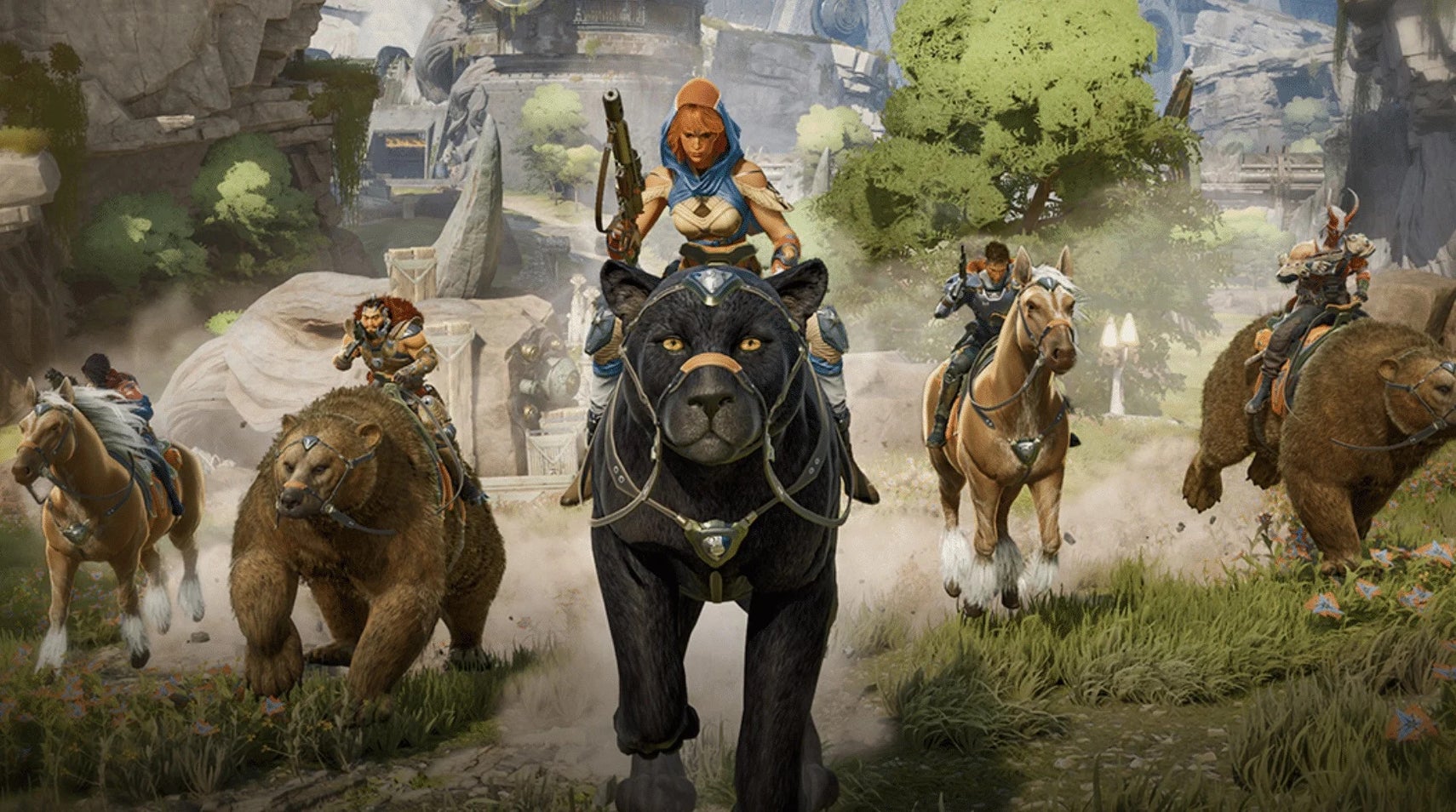
Seller Implications for Digital Products: For e-commerce sellers, Highguard's collapse illustrates critical risks in gaming merchandise, esports equipment, and community-dependent digital products. The game's 7/10 IGN review praised "compelling gunplay, impressive pace of updates, and killer Raid mode" but noted it felt like "a rough draft" with limited content (only nine characters, handful of maps, single game mode). This content scarcity, combined with negative community sentiment, created a death spiral: players avoided the game, reducing merchandise demand, and sellers stocking Highguard-related products (character skins, cosmetics, branded peripherals) faced inventory liquidation. Reports revealed Tencent's quiet backing ($2M+ investment), yet even institutional capital couldn't overcome community rejection. Wildlight's staff layoffs in February—less than one month after launch—signaled the business model's collapse.
Strategic Lessons for Sellers: The incident demonstrates that initial player/customer acquisition (100K concurrent players) means nothing without retention and positive sentiment. Sellers in gaming categories must monitor community sentiment across Reddit, Discord, Twitter, and YouTube before committing inventory. The game's final update (new Warden character, new weapon, skill trees) before shutdown represents a last-ditch retention effort—analogous to sellers offering discounts to clear inventory. However, negative perception proved irreversible despite developer effort. For cross-border sellers, this highlights the danger of launching gaming products without understanding regional community dynamics and the amplification effect of negative reviews on platforms like Steam, where review bombing can destroy discoverability and sales velocity within days.
Questions 8
How should sellers monitor community sentiment before launching gaming products?
Establish monitoring across Reddit (r/gaming, game-specific subreddits), Discord communities, Twitter/X gaming accounts, YouTube gaming channels, and Steam forums. Track sentiment indicators: review scores, comment tone, meme emergence, influencer coverage, and community moderator activity. For Highguard, negative sentiment emerged within minutes of announcement—early detection could have prevented inventory commitment. Implement sentiment analysis tools (Brandwatch, Mention, Sprout Social) to track gaming product launches 30-60 days pre-launch. Set decision thresholds: if sentiment drops below 60% positive, reduce inventory orders by 50-75%.
What inventory risks do sellers face with gaming products like Highguard?
Sellers stocking Highguard-related merchandise (character skins, cosmetics, branded peripherals, esports equipment) faced rapid inventory liquidation as the game collapsed. With 45-day lifespan from launch to shutdown announcement, sellers had minimal time to pivot inventory or recover costs. For cross-border sellers, this risk multiplies with shipping delays and customs clearance times. Recommend: (1) Pre-order only models to minimize inventory risk, (2) Dropshipping partnerships to avoid holding stock, (3) Diversified gaming product portfolio to hedge single-title risk, (4) Rapid inventory clearance protocols if community sentiment turns negative.