



Google Reimagines Mobile Reading with Intelligent Chrome Interface
- Transforming mobile content consumption through strategic UX design for Android users





Overview
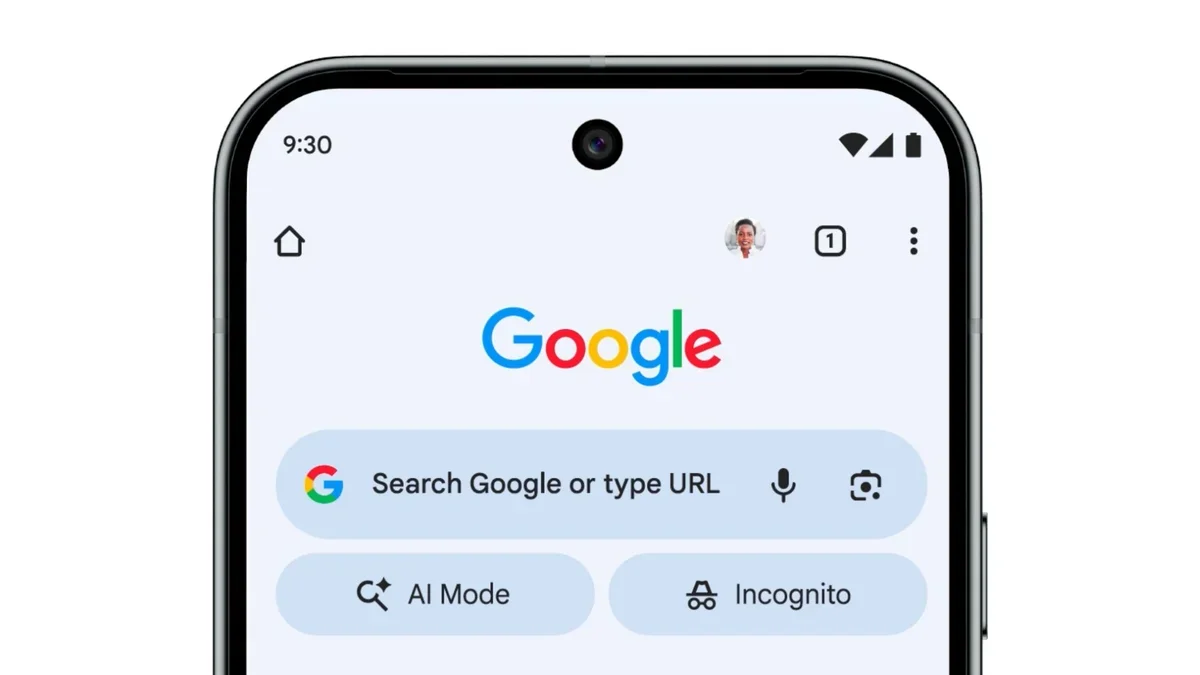
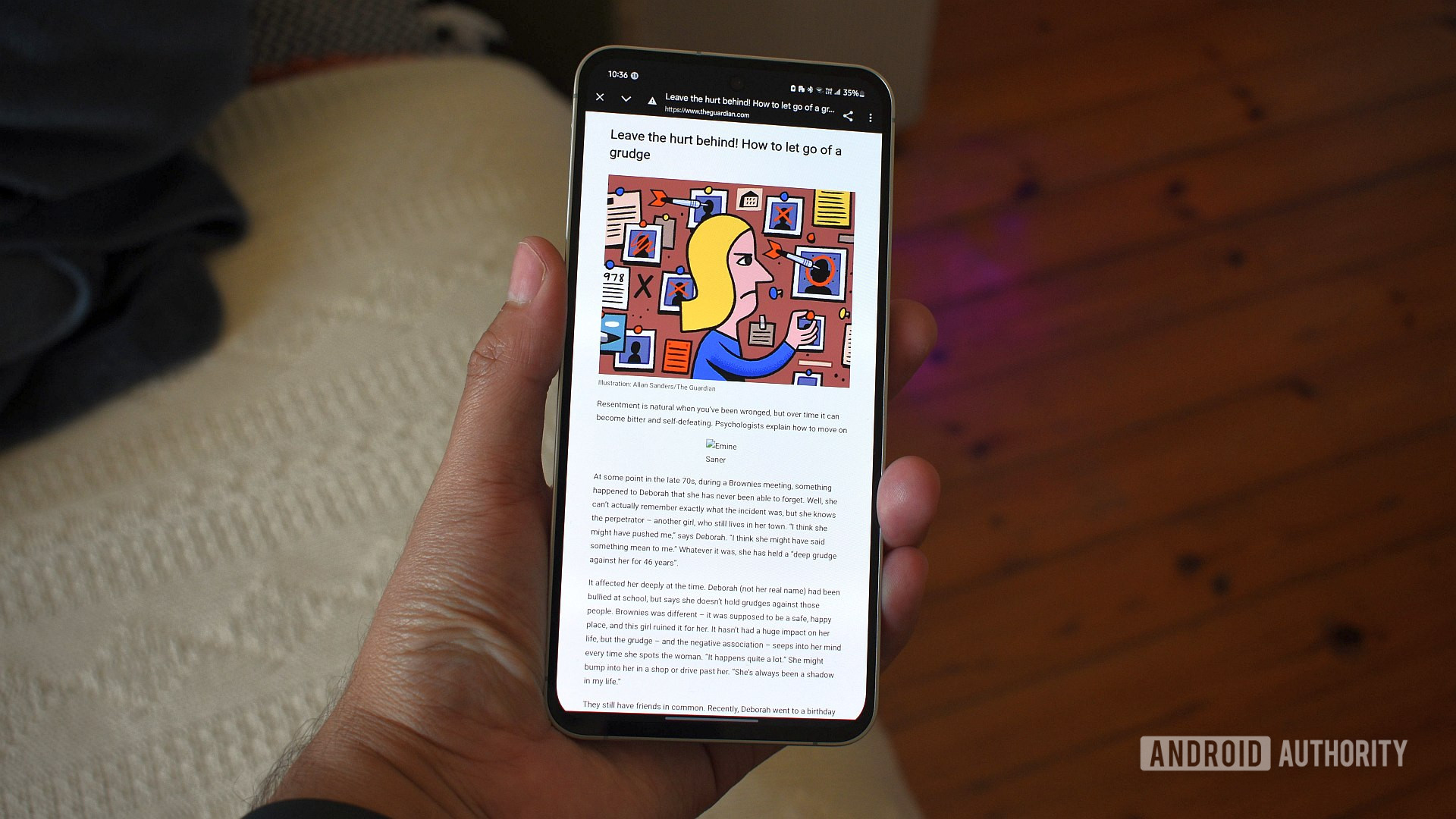
Google is fundamentally reimagining mobile content consumption through a meticulously designed Reading mode update for Chrome on Android. This isn't just a feature refresh—it's a strategic reinvention of how users interact with digital content on mobile devices.
The core innovation lies in creating a seamless, customizable reading environment that addresses long-standing user frustrations. By moving the Reading mode permanently into the three-dot menu and introducing consistent activation across websites, Google is solving a critical user experience pain point. The update introduces robust customization options, allowing users to adjust font styles, scale text up to 250%, and choose between light, sepia, and dark backgrounds—effectively transforming how content is consumed.
What makes this redesign particularly compelling is its intelligent approach to user interface design. Leveraging Material 3 design principles, the new Reading mode feels less like a separate feature and more like a natural, adaptive overlay. The bottom sheet with customization options and the preservation of user preferences across different pages demonstrate a nuanced understanding of mobile reading behaviors.
The strategic implications are significant. By focusing on reading experience optimization, Google is positioning Chrome as more than just a browser—it's becoming an intelligent content consumption platform. The text-to-speech functionality and cross-platform availability (PC, Mac, Android) further underscore this vision of creating a unified, accessible reading experience.
For digital content creators, publishers, and mobile users, this update signals a critical shift. Reading modes are evolving from basic text strippers to sophisticated, personalized content interfaces. The careful, phased rollout (currently limited to Chrome 143 with manual flag activation) suggests Google is meticulously refining the experience before broader deployment.
Questions 3
What are the key improvements in Chrome's new Reading mode?
The new Reading mode offers consistent menu placement, customizable text settings (font, size, color), cross-platform availability, and a text-to-speech feature. It provides a more seamless, personalized content consumption experience across Android, PC, and Mac platforms.
When will this feature be widely available?
Currently, the feature is in a limited test phase on Chrome 143, requiring manual flag activation. Google is carefully evaluating and refining the experience before a broader rollout, which suggests a phased implementation strategy.