




Strait of Hormuz Closure Disrupts Global E-Commerce Supply Chains | Shipping Costs Surge 40-60%
- Unprecedented shipping lane blockade forces sellers to reroute shipments via longer routes, adding 15-21 days transit time and $800-2,400 per container costs for Asia-to-Europe trade corridors



















Overview
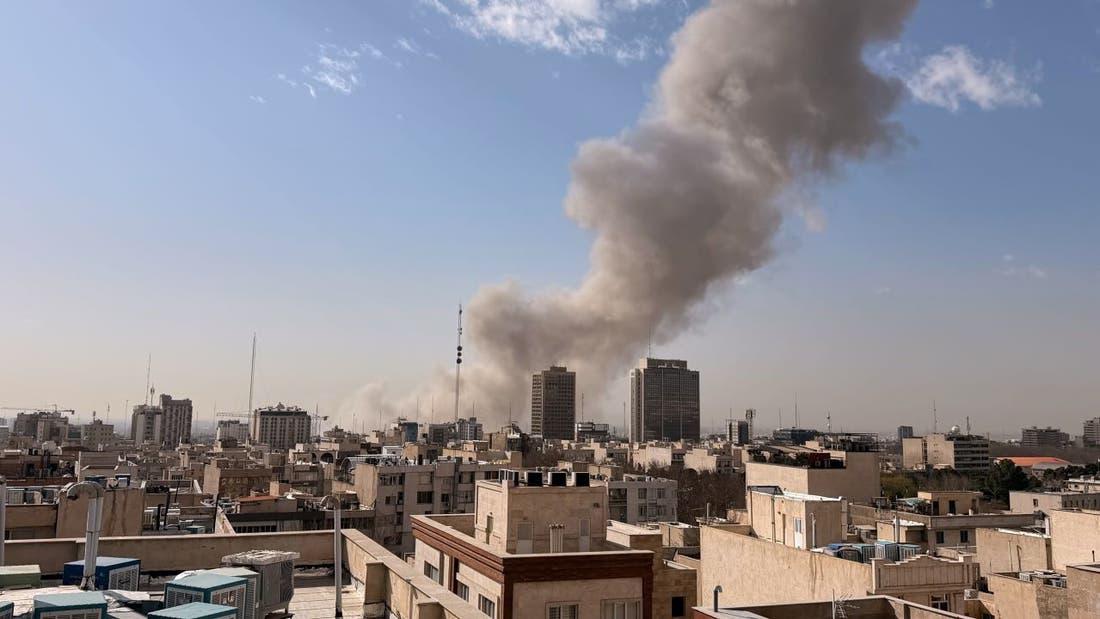
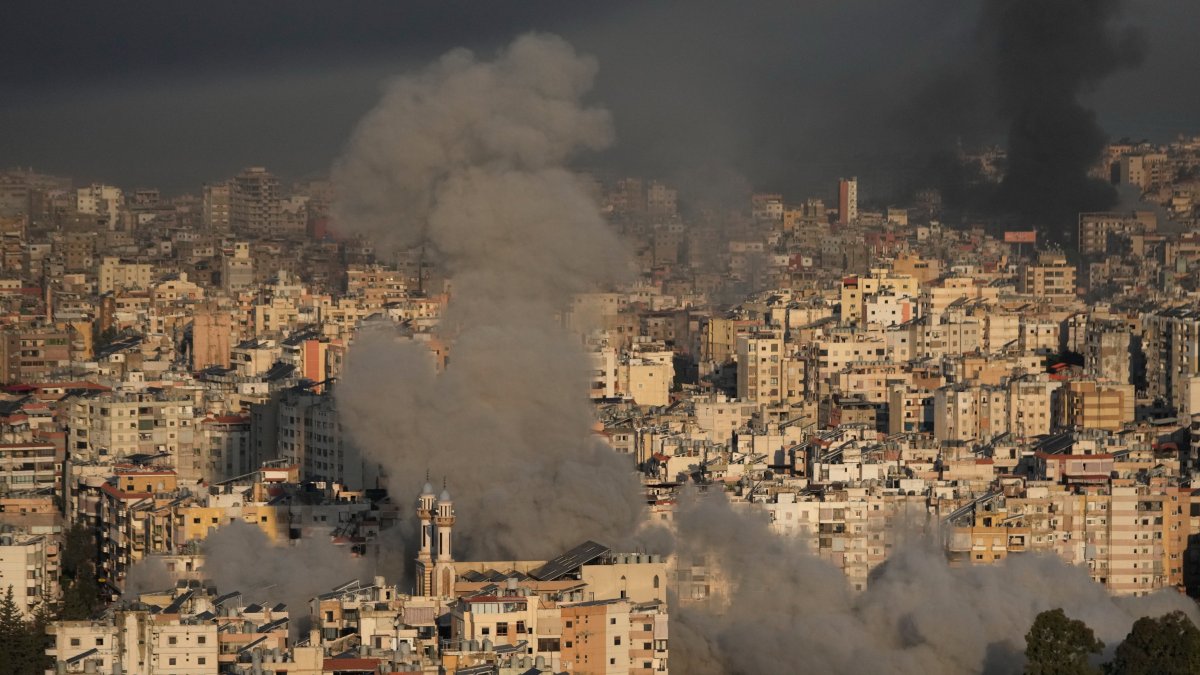
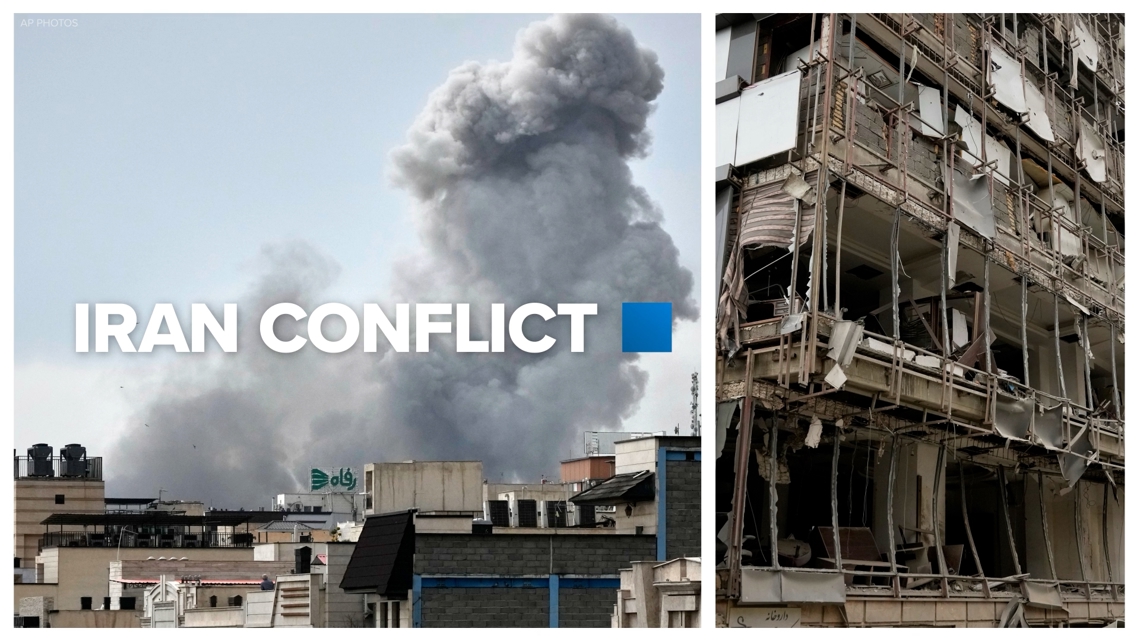
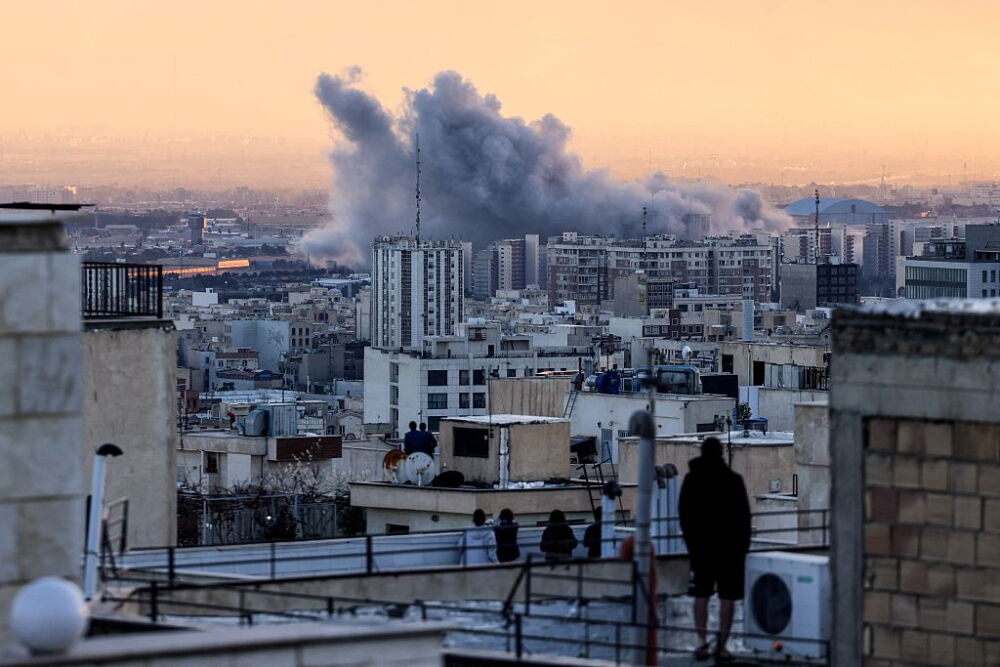
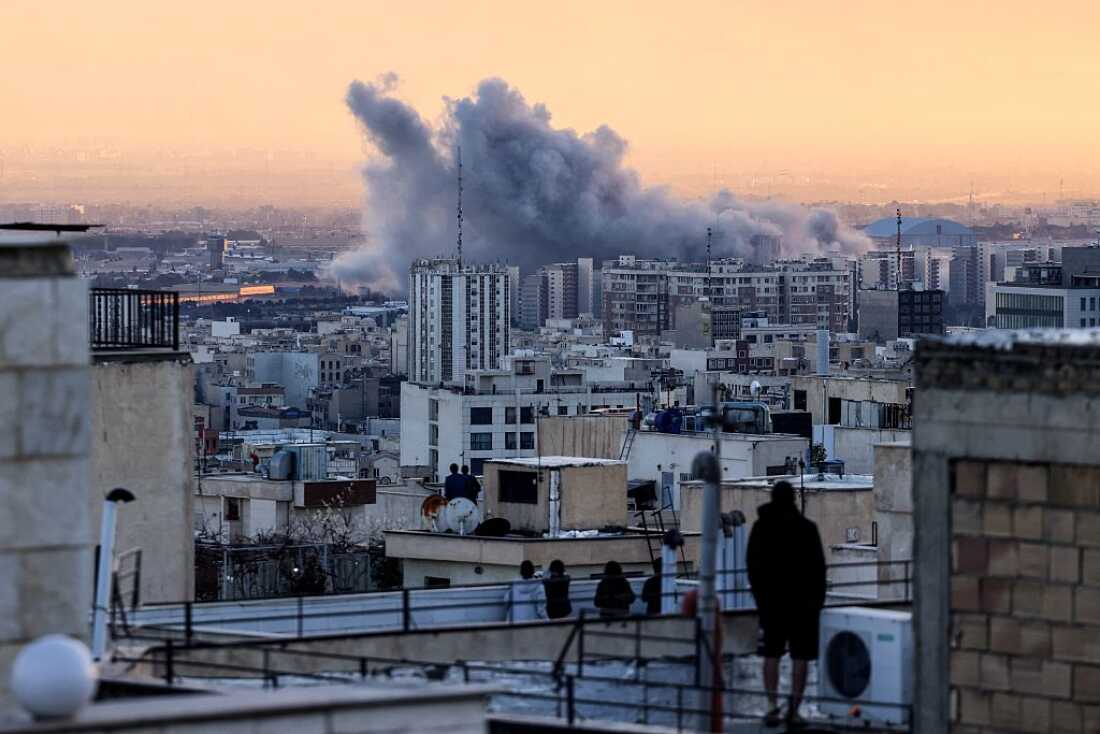
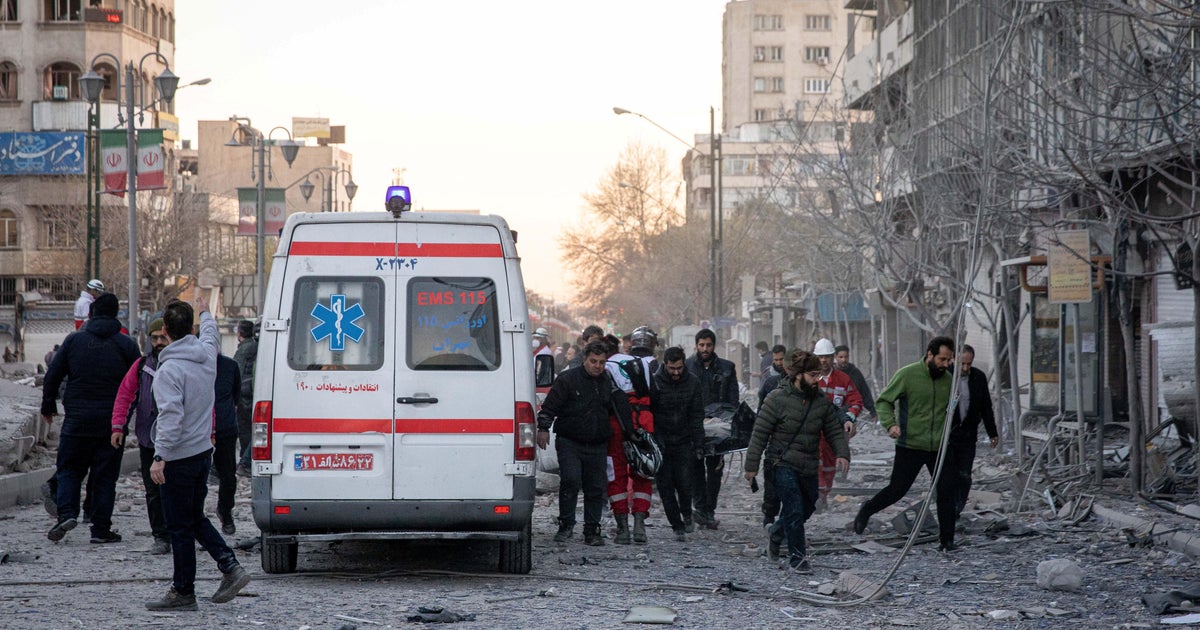
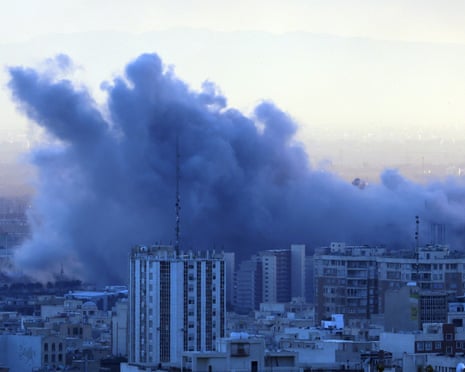
The escalating U.S.-Israeli military conflict with Iran has created an unprecedented supply chain crisis for cross-border e-commerce sellers. As of March 4, 2026, the Strait of Hormuz—through which 21% of global petroleum and 30% of maritime merchandise transits daily—has been virtually shut down following Iranian military threats and confirmed attacks on commercial vessels including the U.S.-flagged Stena Imperative. This represents the most severe disruption to global logistics networks since the 2021 Suez Canal blockade, with immediate implications for sellers across all major platforms.
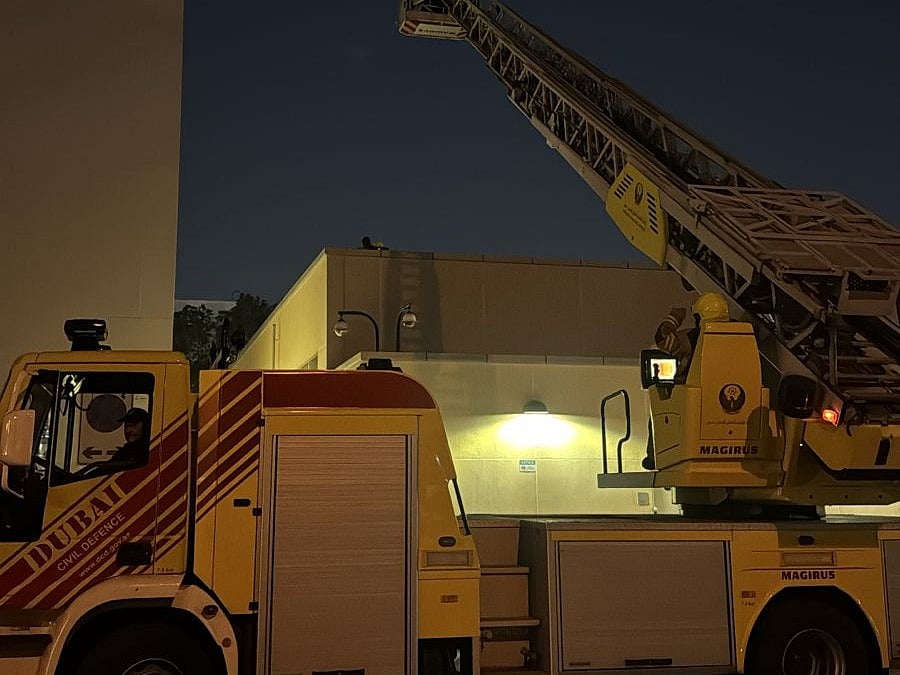
Immediate Shipping Impact: Sellers routing inventory from Asia (China, Vietnam, India) to Europe and North America face forced rerouting via the Cape of Good Hope, adding 10-15 days to transit times and increasing fuel surcharges by 40-60%. Container shipping rates from Shanghai to Rotterdam have historically spiked $800-2,400 per TEU during similar disruptions. Air freight capacity from Middle Eastern hubs (Dubai, Doha) has collapsed as Qatar airspace closures prevent departures, forcing sellers to shift to alternative routing through Southeast Asian gateways at 3-4x premium costs. The U.S. State Department evacuation order for non-emergency personnel in Qatar directly impacts the logistics infrastructure supporting 40% of cross-border e-commerce shipments through the region.
Product Category Opportunities and Risks: High-margin, time-sensitive categories face severe margin compression. Electronics sellers (HS codes 8471-8517) relying on just-in-time inventory from China face 2-3 week delays, creating stockout risks during peak demand windows. Conversely, sellers of safety/security products (emergency supplies, protective equipment, communication devices) should expect 25-35% demand spikes as consumers prepare for extended conflict scenarios. Fuel-intensive product categories (heavy machinery, automotive parts, appliances) will see cost increases of 8-15% due to elevated fuel surcharges. Luxury goods and fashion sellers can capitalize on supply scarcity by raising prices 12-18% on existing inventory before restocking becomes possible.
Competitive Advantage Shifts: Large sellers with established 3PL networks in Europe and North America gain competitive advantage by absorbing rerouting costs, while small/medium sellers (under $5M annual revenue) face margin compression of 15-25% on affected shipments. Sellers with pre-positioned inventory in US/EU warehouses can capture market share from competitors experiencing stockouts. Chinese sellers face particular disadvantage as 65% of their export volume historically transits the Strait; sellers diversifying to Vietnam, India, and Indonesia manufacturing gain 3-6 month sourcing advantages. Amazon FBA sellers face potential IPI score impacts due to inventory velocity slowdowns, while Shopify and independent sellers can adjust pricing dynamically to capture scarcity premiums.
Compliance and Risk Timeline: The conflict shows no clear resolution timeline (News 2 indicates "no clear resolution indicated"), suggesting 60-90 day minimum disruption window. Sellers must immediately audit inventory in-transit, notify customers of 2-3 week delays, and consider force majeure claims on supplier contracts. Insurance costs for maritime shipments through alternative routes will increase 25-40% through Q2 2026. Sellers should monitor daily updates on airspace reopenings (Qatar, Lebanon) and potential Suez Canal alternative routing as secondary options emerge.
Questions 8
Which product categories benefit most from the Strait of Hormuz disruption?
Safety and security products (emergency supplies, protective equipment, communication devices) should see 25-35% demand spikes as consumers prepare for extended conflict scenarios. Luxury goods and fashion sellers can raise prices 12-18% on existing inventory due to supply scarcity before restocking becomes possible. Conversely, electronics sellers (HS codes 8471-8517) relying on just-in-time inventory face severe margin compression of 15-25%, while fuel-intensive categories (machinery, automotive, appliances) see cost increases of 8-15%. Sellers with pre-positioned inventory in US/EU warehouses gain competitive advantage over competitors experiencing stockouts.
How does the Qatar airspace closure affect e-commerce sellers?
The U.S. State Department evacuation order for non-emergency personnel in Qatar has collapsed air freight capacity from Middle Eastern hubs, forcing sellers to shift to Southeast Asian gateways at 3-4x premium costs. Qatar airspace closures prevent departures, eliminating a critical logistics hub that supports 40% of cross-border e-commerce shipments through the region. Sellers relying on air freight for time-sensitive inventory (electronics, fashion, perishables) face 3-4 week delays and exponentially higher costs. Alternative routing through Bangkok, Singapore, and Hong Kong becomes necessary but adds $2,000-5,000 per shipment in premium air freight charges.