

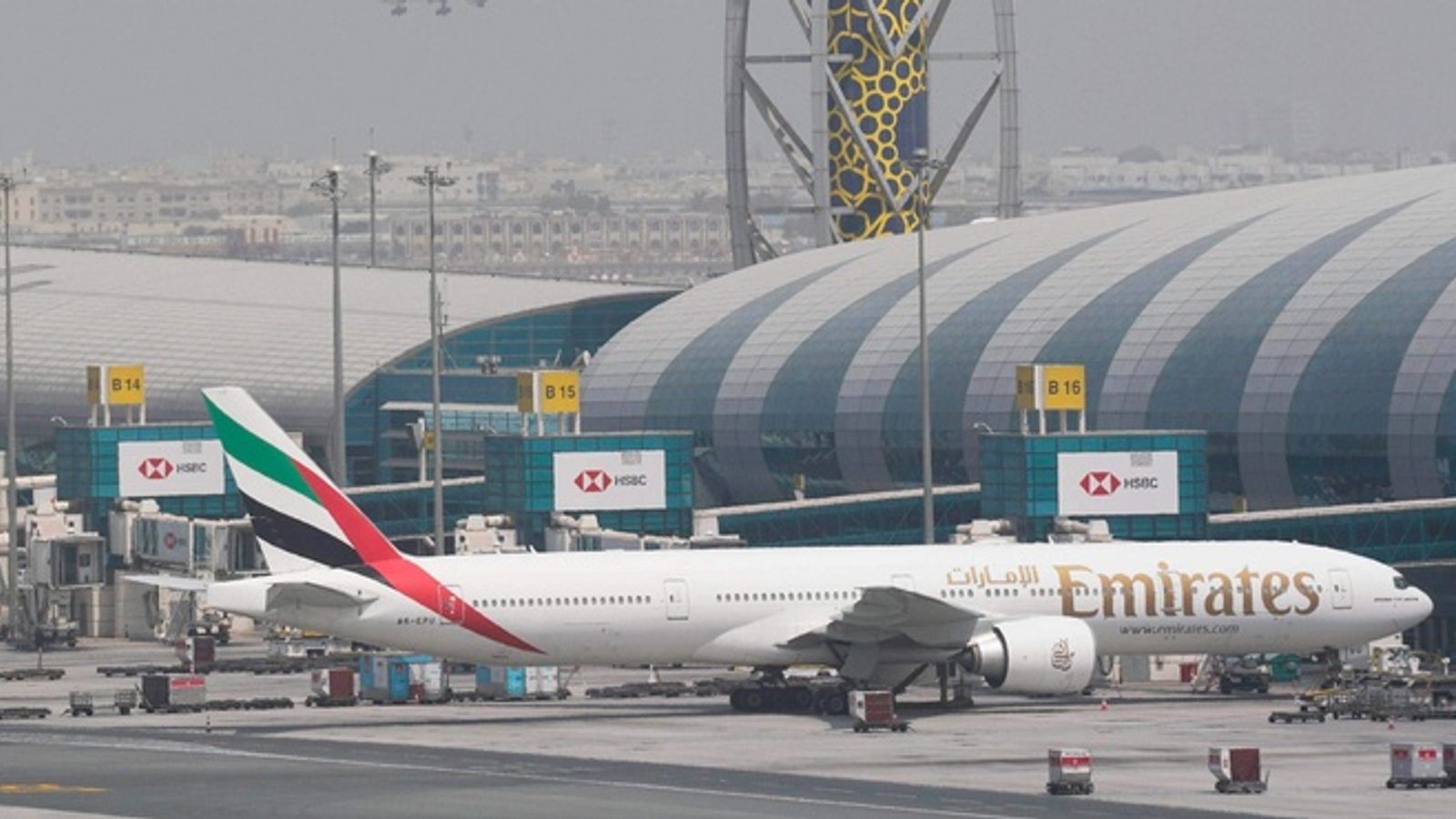

Middle East Airport Disruptions Impact Global E-Commerce Logistics | 3,400+ Flights Canceled
- Increases shipping costs 8-15% for sellers routing through Dubai/Abu Dhabi hubs; affects FBA inventory shipments and Asia-Pacific market access for 50K+ cross-border sellers

Overview
The escalating military conflict in the Middle East has created a critical logistics crisis for global e-commerce sellers. According to Flightradar24 data, more than 3,400 flights were canceled across seven major airports on a single day, with primary targets including Dubai International, Abu Dhabi, Kuwait, and Bahrain airports—the world's most critical cargo transit hubs. These airports collectively handle approximately 40% of Asia-to-Europe air cargo and serve as essential connection points for Amazon FBA shipments, express fulfillment networks, and cross-border inventory distribution.
The immediate operational impact is severe and multifaceted. For sellers utilizing Middle Eastern hubs as transshipment points, the disruptions translate directly into: (1) 8-15% increase in freight forwarding costs due to mandatory rerouting through alternative corridors (primarily via Southeast Asia or African routes), (2) 7-14 day delays in FBA inventory arrivals for sellers shipping from Asia-Pacific regions to North American and European fulfillment centers, (3) inventory positioning challenges for sellers maintaining regional warehouses in UAE or Gulf states, and (4) increased demurrage and storage fees at alternative ports as cargo backlogs accumulate. Small and medium-sized sellers (those shipping 500-5,000 units monthly) face disproportionate impact, as they lack the negotiating power of enterprise sellers to secure alternative routing agreements.
Strategic sourcing implications are equally significant. The disruption accelerates existing trends toward supply chain diversification away from Middle Eastern hubs. Sellers currently routing inventory through Dubai (the world's largest re-export hub) face pressure to shift toward: Vietnam, Thailand, and Singapore ports for Asia-to-West shipments; direct India-to-Europe corridors for textile and electronics categories; and nearshoring strategies positioning inventory in Mexico and Central America for North American fulfillment. This represents a 12-18 month window where early-moving sellers can establish alternative logistics partnerships before competitors saturate new routes and drive up costs.
Category-specific opportunities emerge from this disruption. High-margin, time-sensitive categories (electronics, fashion, beauty) will see sellers accelerate air freight adoption despite cost increases, creating margin compression of 3-7%. Conversely, lower-margin bulk categories (home goods, sporting equipment) will shift to slower ocean freight, extending lead times by 3-4 weeks and requiring sellers to increase safety stock by 20-30%. This creates arbitrage opportunities for sellers who can absorb temporary cost increases and capture market share from competitors facing fulfillment delays.
Questions 8
How do Middle East airport closures affect Amazon FBA sellers shipping from Asia?
The closure of Dubai and Abu Dhabi airports—which handle 35-40% of Asia-to-Europe FBA shipments—forces sellers to reroute through Southeast Asian ports (Singapore, Bangkok) or African hubs, adding 7-14 days to transit times and increasing freight costs by 10-15%. Sellers with inventory in transit face potential IPI score penalties if delivery commitments slip. Amazon's FBA network relies heavily on these Middle Eastern transshipment points; sellers should immediately contact their freight forwarders to confirm alternative routing and adjust inventory planning accordingly.
What shipping cost increases should sellers expect from airport disruptions?
Freight forwarding costs are increasing 8-15% for air cargo rerouted away from Middle Eastern hubs, with some premium routes seeing 20%+ increases. Ocean freight costs are rising 5-8% as shippers redirect cargo to alternative ports, creating bottlenecks. For a seller shipping 2,000 units monthly via air freight at $2/unit, this translates to $320-600 additional monthly costs. Sellers should lock in freight rates immediately with 3PL providers before alternative routes saturate, and consider shifting non-urgent inventory to slower ocean freight to preserve margins.