



Peer Power in Motorsport Max Verstappen's Triumph Beyond the Championship
- Revealing the Complex Dynamics of Professional Racing Respect and Performance

Overview
In the high-stakes world of Formula 1 racing, 2025 has unveiled a fascinating narrative of professional recognition that transcends traditional championship metrics. Max Verstappen's peer-voted top driver status represents a profound insight into the intricate ecosystem of motorsport, where respect and performance intertwine in unexpected ways.
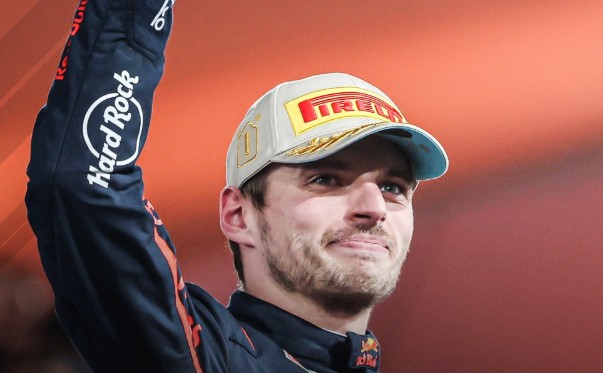
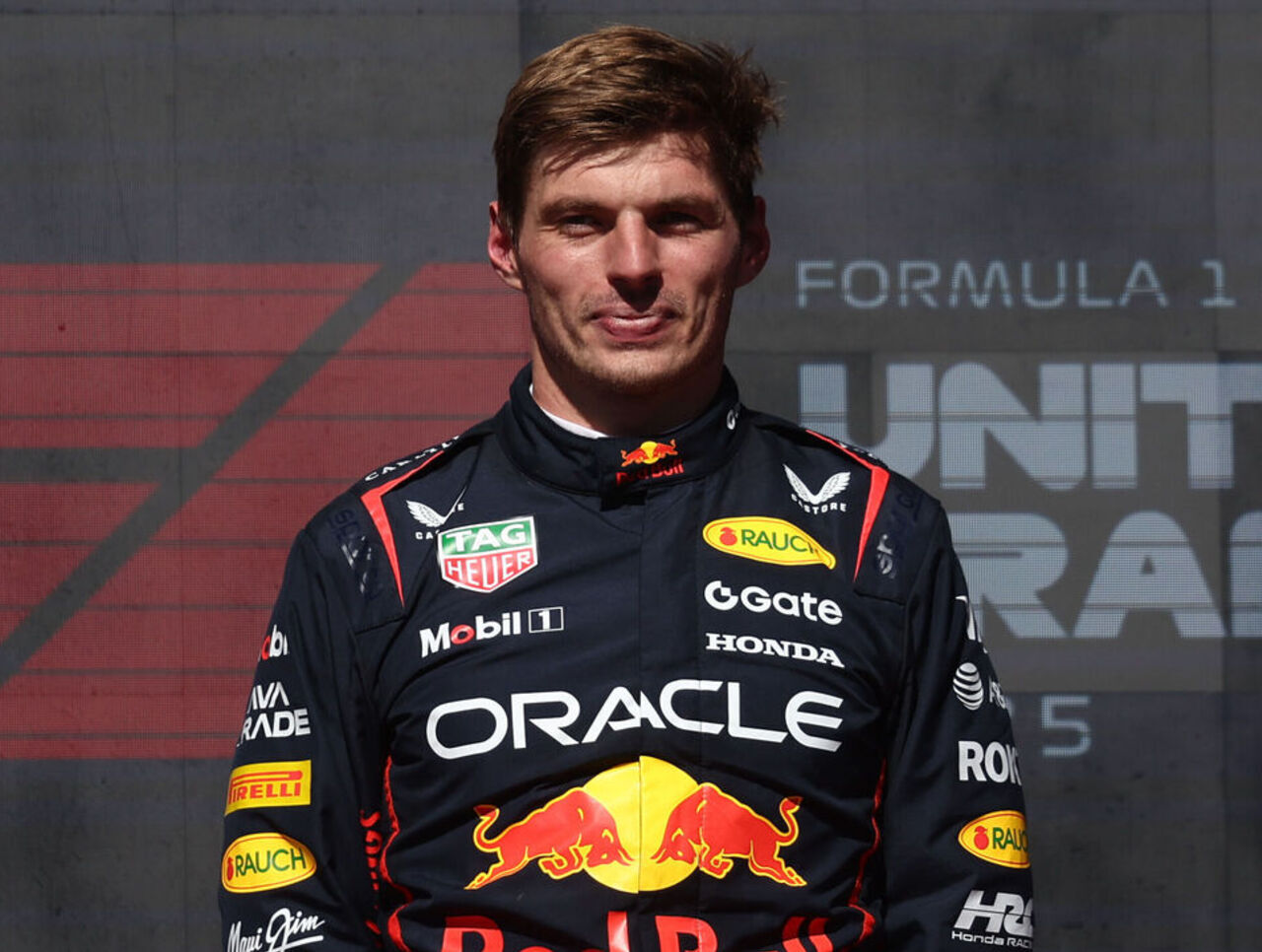
Peer Recognition as a Strategic Indicator emerges as the core storyline. Despite narrowly missing his fifth consecutive world championship, Verstappen secured the top spot through an impressive late-season performance, winning six of the last nine Grand Prix races. This anonymous voting process, where drivers score their colleagues using a standardized points system, provides a unique window into the professional ecosystem's internal dynamics.
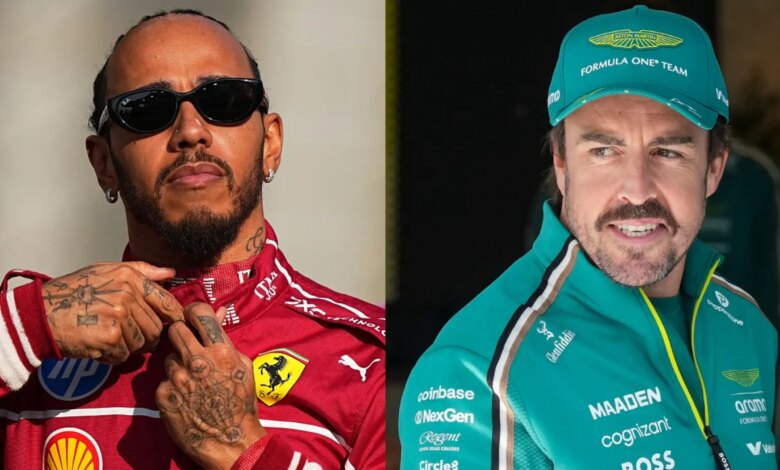
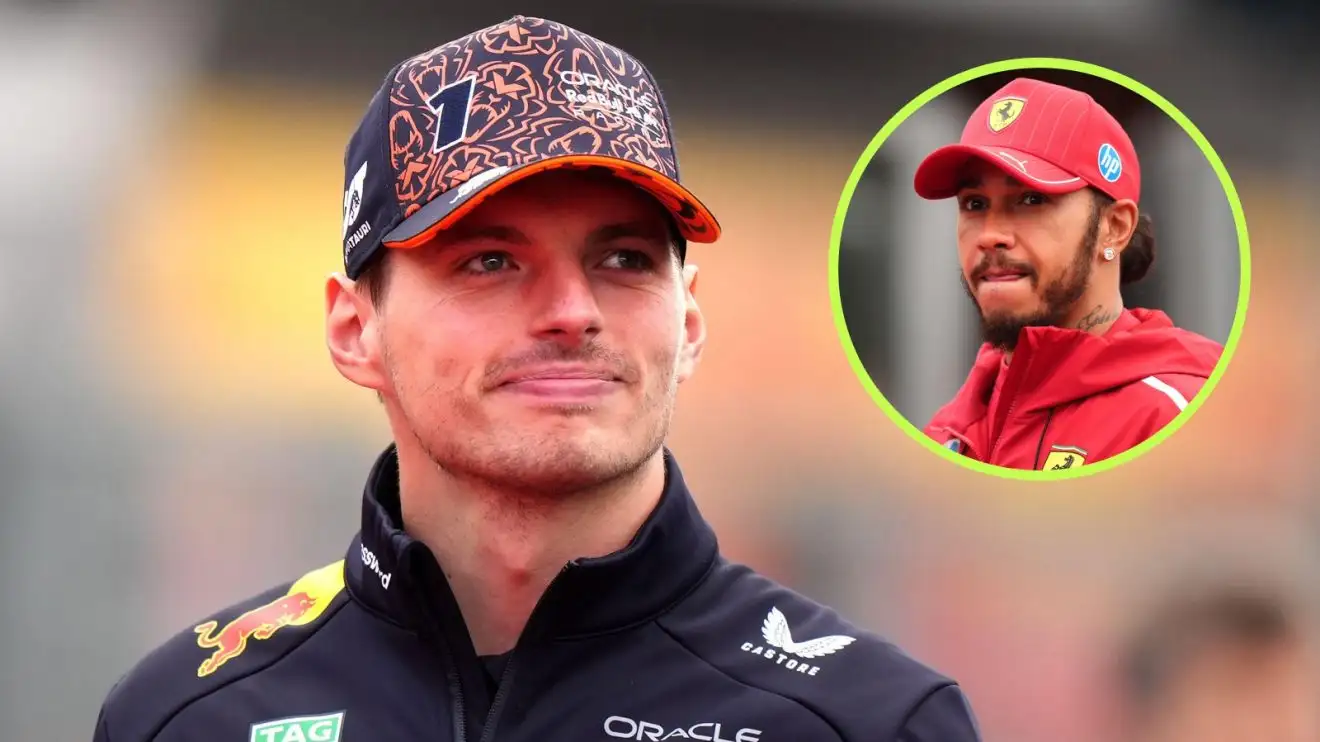
The voting results reveal deeper strategic implications. Verstappen's top ranking, followed by Lando Norris and George Russell, signals a generational shift in racing leadership. The notable absence of seven-time World Champion Lewis Hamilton from the top 10 for the first time since the ranking's inception in 2018 underscores the rapid evolution of professional respect in motorsport. This isn't just about race results—it's about how drivers perceive each other's capabilities, strategic thinking, and professional conduct.
What makes this peer recognition particularly compelling is its nuanced evaluation mechanism. By allowing drivers to vote anonymously and even for themselves, the process captures a multidimensional view of performance. It goes beyond lap times and championship points, measuring intangible qualities like racing intelligence, consistency, and professional respect. For Verstappen, this represents more than a trophy—it's a validation of his comprehensive racing prowess and standing within the professional community.
The broader implications extend beyond individual achievement. This ranking highlights how professional motorsport is increasingly a complex ecosystem of mutual assessment, where reputation and peer perception can be as crucial as raw performance metrics. For emerging drivers like Oscar Piastri (ranking fourth) and established champions, this system offers a nuanced platform for recognition that transcends traditional competitive frameworks.
Questions 3
What does Verstappen's top ranking reveal about the current state of Formula 1?
Verstappen's peer recognition signals a generational shift in racing leadership. Despite not winning the championship, his top ranking demonstrates that professional respect and comprehensive racing skills are increasingly valued over pure championship standings.
How does the peer voting system differ from traditional championship rankings?
Unlike championship points which solely measure race results, the peer voting system evaluates drivers holistically, considering factors like racing intelligence, consistency, and professional respect. Drivers anonymously score their colleagues, providing a multidimensional view of performance beyond lap times.